REVIEW · SARAJEVO
Sarajevo: Jewish Heritage Tour with Entry Tickets
Book on GetYourGuide →Operated by Meet Bosnia Tours · Bookable on GetYourGuide
Sarajevo has a way of layering faiths on the same street corners. This 3-hour tour takes you through 500 years of Jewish presence in the city, with stops built around places you can still see today. You also learn how Ottoman-era rules, Sephardi trade life, and later Ashkenazi community growth all shaped Sarajevo into a real center of Jewish culture.
What I like most is the mix of hands-on sites and human stories. The Jewish Museum of Bosnia and Herzegovina is the first anchor, and you’ll connect it to what came before and what changed over time, not just read labels.
One possible drawback: the tour hits several sites that can have day-specific openings. If your trip lands on a Saturday or Sunday, plan for the fact that synagogue hours can shift what you’ll be able to enter.
In This Review
- Key Points at a Glance
- Sarajevo’s Jewish Story Begins at the Old Jewish Temple
- Museum Stops: Old Jewish Temple, New Temple Gallery, and the Trade Network
- Sephardi and Ashkenazi in One City: Synagogues and Moorish-Style Landmarks
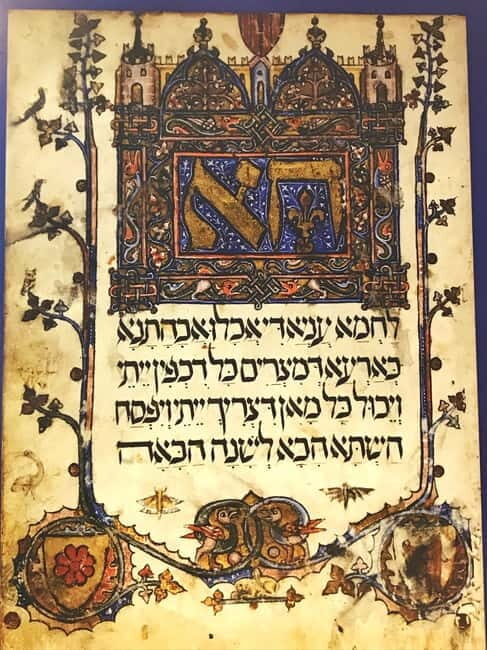
- The Sarajevo Haggadah: A 700-Year-Old Manuscript With Real Survival Stories
- Walking the Cemetery: Second-Oldest Burial Ground and Lessons From WWII and the 1990s
- Price and Logistics: Does $94 Make Sense for What You Get?
- Timing Rules: When Synagogues and the Haggadah Are Open
- What the Small Group Format Feels Like in Real Life
- Who Should Book This Sarajevo Jewish Heritage Tour
- Should You Book This Tour?
- FAQ
- How long is the Sarajevo Jewish Heritage Tour?
- What is the price per person?
- Do I get a live English-speaking guide?
- What’s included in the ticket price?
- Is food included?
- How big is the group?
- Where do I meet the tour?
- When is the Sarajevo Haggadah open?
- Are the Old Jewish Temple and Ashkenazi Synagogue open every day?
Key Points at a Glance
- Old Jewish Temple to Jewish Museum: See how Sarajevo’s Jewish story is told through a living museum setting
- Small group (max 8): You get real back-and-forth time with a licensed, English-speaking guide
- Ashkenazi synagogue visit plus alternatives: The active synagogue is often part of the plan, with smart adjustments if it’s closed
- Sarajevo Haggadah focus: A 700-year-old artifact tied to 14th-century Barcelona history and 16th-century Sarajevo arrival
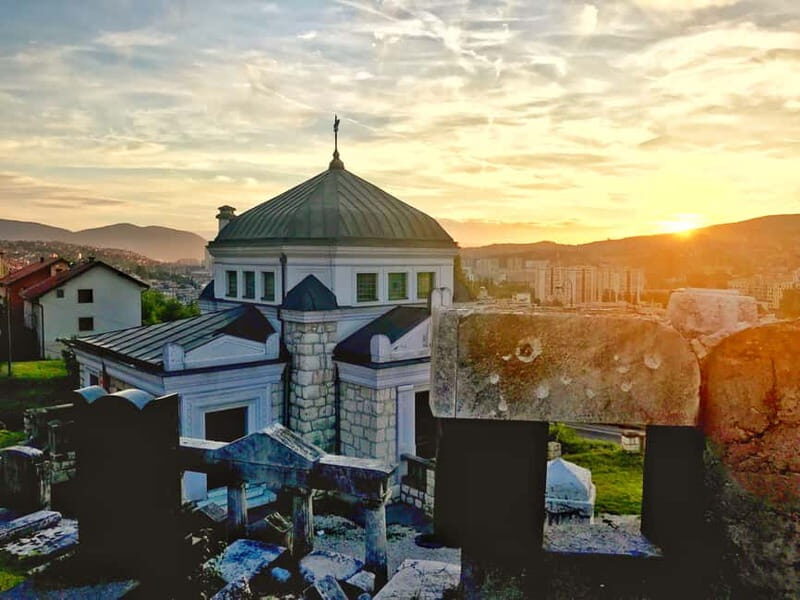
- Second-oldest Jewish cemetery in Europe: Walk among Sephardic and Ashkenazi graves, with WWII and 1990s context
- Skip-the-line entry included for key stops: Museum access is built into the price
Sarajevo’s Jewish Story Begins at the Old Jewish Temple
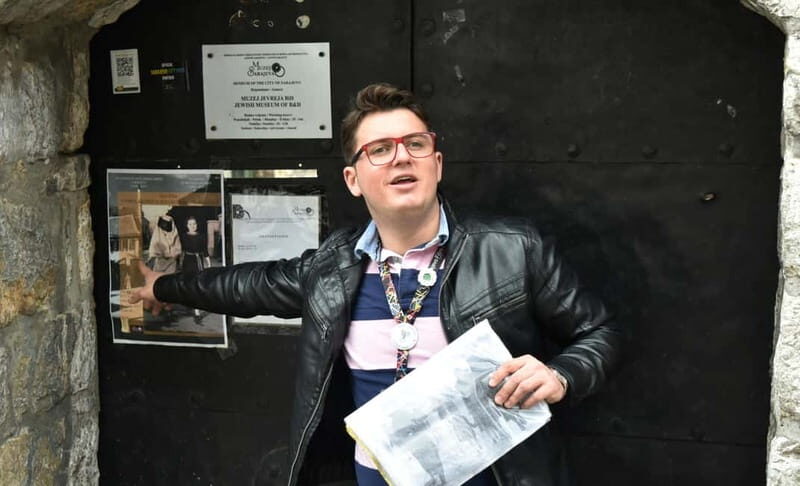
If you want to understand Sarajevo, you can’t ignore the Jewish chapter. This tour starts with the Old Jewish Temple area, which today is known as the Jewish Museum of Bosnia and Herzegovina. The point isn’t just architecture or dates. It’s the feeling of stepping into a place where faith, community life, and trade shaped the city’s everyday rhythm.
From the start, you’re given the big historical frame: under Ottoman rule, Jews were generally treated well and recognized as the people of the book. You also learn that Jewish communities had real autonomy in many areas, including the ability to purchase real estate, build synagogues, and trade across the empire. By 1856, full equality for Jews and other non-Muslim subjects was granted. That context matters because it explains why you’re not dealing with a single isolated event—you’re dealing with centuries of settlement and civic participation.
My favorite part is how the guide turns the background into something you can picture. You’re not just told Ottoman policy. You learn how it shaped streets, markets, schools, and the kinds of buildings that Sarajevo still carries today.
You can also read our reviews of more tours and experiences in Sarajevo.
- Fall of Yugoslavia, Sarajevo War Tour with Tunnel of Hope Museum and Frontlines
★ 5.0 · 1,314 reviews

Museum Stops: Old Jewish Temple, New Temple Gallery, and the Trade Network
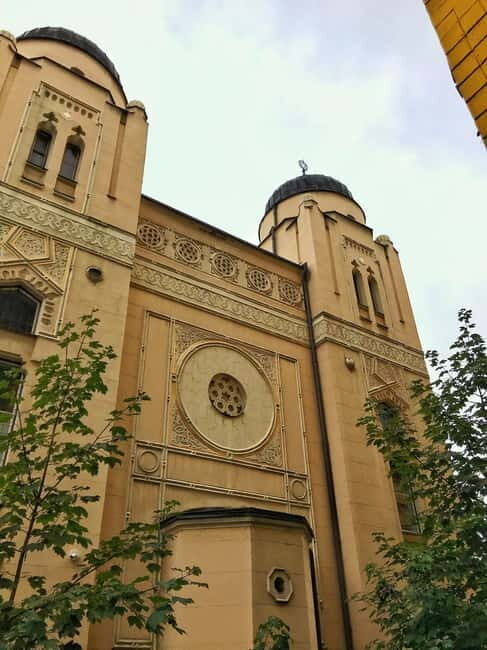
Once the tour shifts into the museum, the experience becomes more grounded. You’ll move through the Old Temple and related museum spaces like the New Temple Gallery, where the story gets specific to Sarajevo’s Jewish community.
This is where the tour does something smart: it connects Jewish life to Sarajevo’s trade connections. The guide emphasizes how Jewish merchants helped develop local commerce and how networks connected Sarajevo to wider Mediterranean and Ottoman worlds. If you’ve ever wondered why a city’s identity feels different when you understand who traded there, this is that moment.
You also get a cultural angle that’s easy to overlook. The tour references traditional Bosnian music such as sevdalinka, and how it connects with Sephardi religious songs. In practice, that kind of comparison helps you hear a city’s culture as something shared and transformed, not sealed off into one community’s bubble.
Practical note: museum focus means this portion is best for travelers who like explanation. If you prefer mostly exterior sightseeing and minimal talking, you might find yourself wanting more time outdoors—but the guide keeps it moving, and the sights aren’t just window dressing.
Sephardi and Ashkenazi in One City: Synagogues and Moorish-Style Landmarks
Sarajevo’s Jewish story doesn’t run in one straight line. It grows, splits, and blends. The tour’s synagogue and landmark section helps you see the shift from Sephardi roots to later Ashkenazi presence.
You’ll visit the Ashkenazi Synagogue, described as the only active synagogue in Sarajevo today. Even when the building isn’t open, the tour still works around the closure with other meaningful stops, including former synagogue buildings now used for other purposes. One example highlighted is the Bosnian Cultural Center, once a grand Jewish temple with Moorish-style architecture. Seeing the building’s old purpose and current use side-by-side is a powerful way to understand how cities repurpose space instead of freezing it in time.
The tour also points out other local Jewish-related landmarks tied to daily life and civic organization, including the first Jewish school, the Jewish villa AMA, the Ješua D. Salom Mansion, and the Salom Family Palace. There’s even a connection to early Jewish financial and community structures, such as the first Jewish credit foundation.
A small but memorable touch from the guides: they’re comfortable answering questions that go beyond the “main stops.” In the English-language tours I’ve seen offered, guides like Arna, Ahmed, Armina, and Ana have been singled out for their ability to answer practical and historical questions without turning the talk into a lecture.
If you like your history with names and institutions—schools, credit, villas, synagogues—this is the part you’ll remember when you leave the city.
The Sarajevo Haggadah: A 700-Year-Old Manuscript With Real Survival Stories
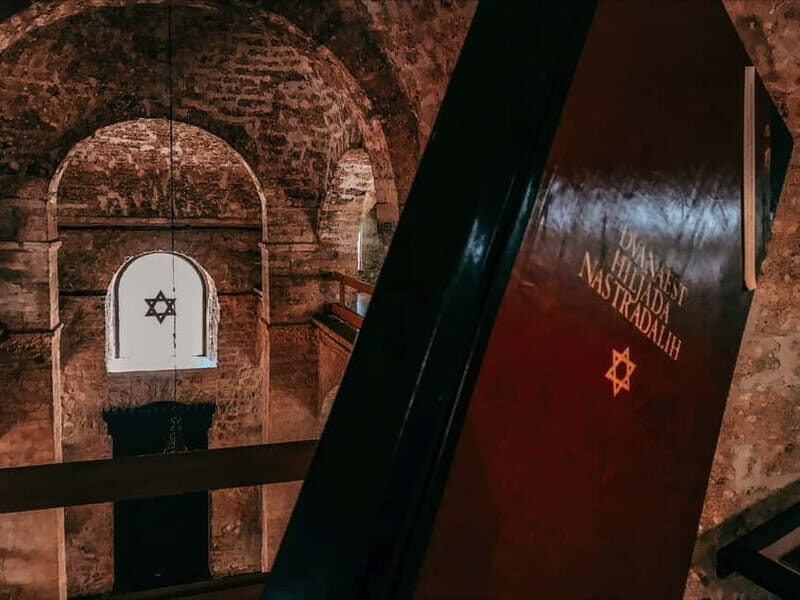
Then comes the stop that many people mark as a must-do: the Sarajevo Haggadah. This is a 700-year-old manuscript connected to 14th-century Barcelona, compiled as stories and texts. The tour explains that it was brought to Sarajevo in the 16th century by a Jewish family, and that it survived three wars—years of danger that make the object feel less like a museum piece and more like a witness.
The tour links the Haggadah to the National Museum of Bosnia and Herzegovina, where it’s presented as part of Bosnia’s cultural heritage. Even if you’re not a manuscript person, this is one of those experiences that makes you sit up, because you’re looking at an artifact with a long travel path and a survival record.
Timing matters here. The Haggadah is open on Tuesdays and Thursdays from 12:00 to 13:00, though those hours can change. It’s also accessible on the first day of each month. If you’re planning your Sarajevo trip around this single moment, check the opening pattern before you go so you don’t waste your best morning.
Walking the Cemetery: Second-Oldest Burial Ground and Lessons From WWII and the 1990s
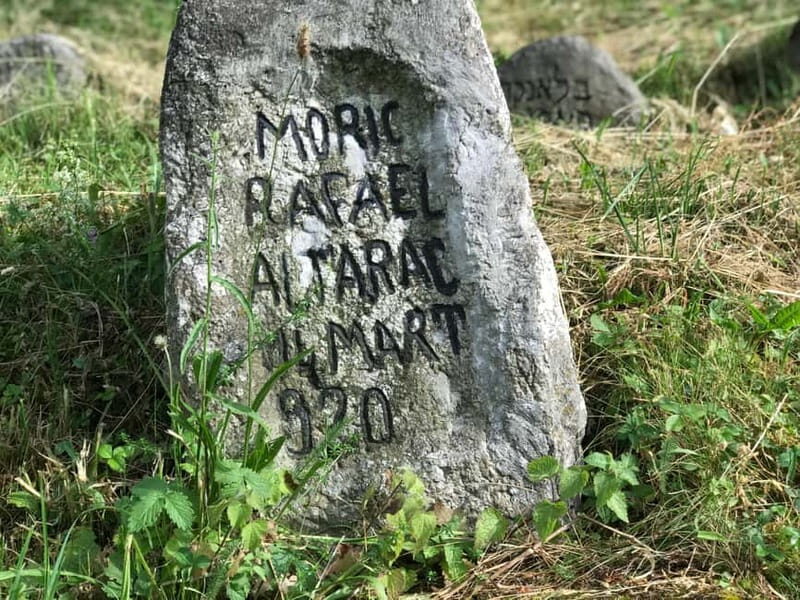
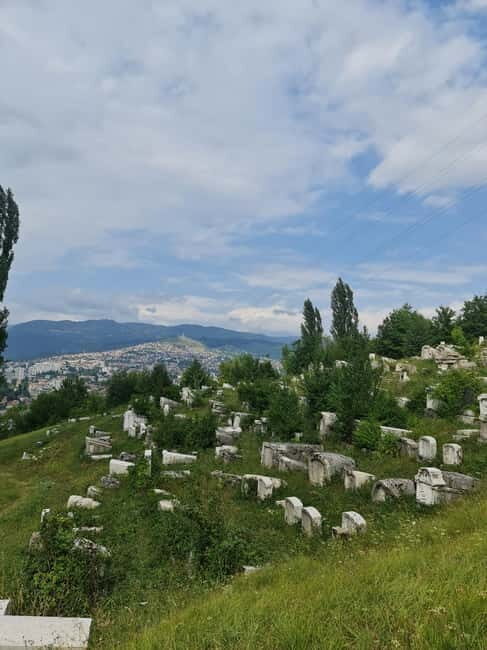
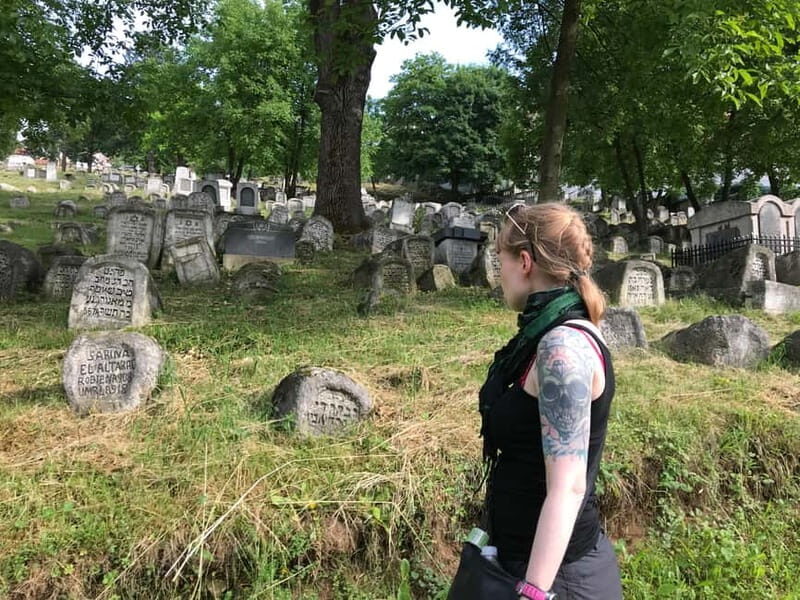
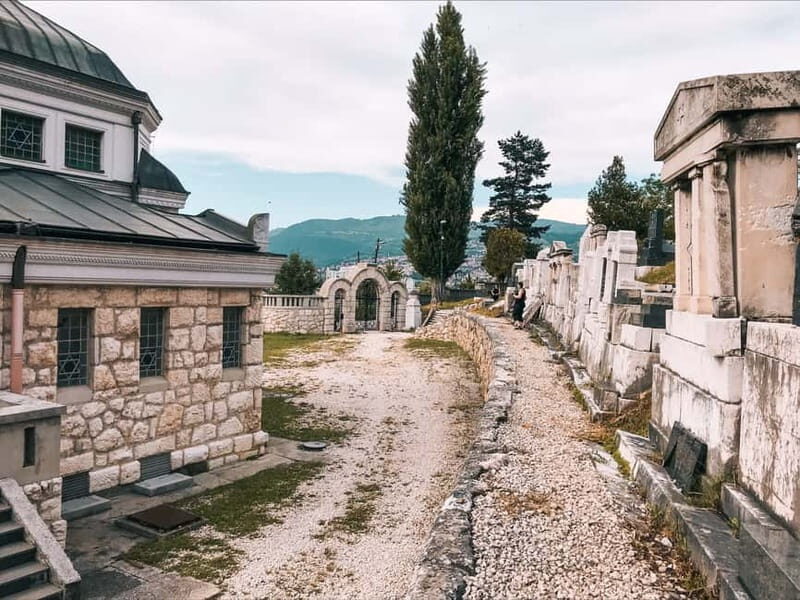
The tour ends with the Sarajevo Jewish Cemetery, including transportation to get you there. This cemetery is described as the second largest in Europe and also as the second oldest Jewish cemetery in Europe—two titles that signal why it’s a major stop for anyone wanting to understand Jewish history in the region.
What you’ll learn here is that the cemetery isn’t one uniform story. It’s mixed, with graves of Sephardic and Ashkenazi Jews. As you walk, the guide connects individuals buried there to broader community life. You also hear the tragic history of the Jewish population during World War II.
Then the cemetery takes on a second layer of meaning: the Bosnian War in the 1990s. The tour explains that the cemetery suffered destruction and that it became a strategic location during the conflict. That part can feel heavy, but it’s also why this tour is more than culture sightseeing. You’re learning how memory is protected—or damaged—when wars hit.
One detail I appreciated from the way the tour frames Sarajevo: even after many Jews left the city during the war, there’s gratitude for Sarajevo’s support expressed through foundations and trusts established to help the besieged city. It’s not a Hollywood ending. It’s a human one, and it adds balance.
You can also read our reviews of more historical tours in Sarajevo




Price and Logistics: Does $94 Make Sense for What You Get?
At $94 per person for a 3-hour tour, you’re paying for three things that travel math actually cares about: time, guided access, and what’s included.
Here’s what the price covers:
- Hotel pickup and drop-off
- A licensed, English-speaking local guide accredited by the Jewish community of Bosnia and Herzegovina
- A bottle of water
- Entrance fee to the Jewish Museum of Bosnia and Herzegovina
- Entrance ticket to the Jewish Community Center
- Transportation to the cemetery
- Skip-the-ticket-line style entry for key stops
Food and drinks aren’t included, so plan to eat before or after. But compared to piecing together museum tickets, public transport, and a guide, this pricing structure is often a good deal—especially with a small group capped at 8 people. When the guide has the time to answer questions and keep the pace comfortable, you tend to feel the value more than the sticker price.
Also, the small-group setup matters in a museum-plus-cemetery format. A big group can make walking stops feel rushed. Here, you’re more likely to get the kind of explanations you’d want to ask for.
Timing Rules: When Synagogues and the Haggadah Are Open
This tour is structured around access to specific places, and a few opening patterns are worth knowing before you lock in your day.
- On Saturdays, the Old Jewish Temple and the Ashkenazi Synagogue are closed.
- On Sundays, the Ashkenazi Synagogue is closed, while the Old Jewish Temple is open from 09:00 to 13:00.
- The Sarajevo Haggadah is open Tuesdays and Thursdays 12:00 to 13:00 (with possible changes), and also accessible on the first day of each month.
What this means for you: choose your day with intention if the Haggadah is a top priority. If not, you can still have a strong experience even with closures, because the tour includes alternative stops such as other relevant Jewish sites and buildings.
What the Small Group Format Feels Like in Real Life
A group limited to 8 participants is the sweet spot for this kind of tour. Sarajevo is a city where street layout and old building entrances can slow you down. With fewer people, your guide can manage transitions without turning the experience into a sprint.
It also helps with questions. Several guides have been praised for answering everything from historical background to practical city-life questions. If you care about interreligious dialogue, the siege/war in the 1990s, or how Sarajevo’s Jewish community fits into broader Bosnian history, you’ll likely have room to ask.
And yes—your walking shoes matter. Between Old Town areas and the cemetery visit, you’ll cover more ground than a typical museum-only tour.
Who Should Book This Sarajevo Jewish Heritage Tour
I think this tour fits best if you want your Sarajevo to feel specific. Not just “old streets and Ottoman vibes,” but the Jewish institutions, artifacts, and burial-ground memory that shaped the city.
It’s especially good for:
- Travelers who like context and story connections, not just dates
- People interested in Sephardi and Ashkenazi heritage in the same place
- Anyone who wants to understand how Sarajevo handled minority life under Ottoman rule, and what changed during the 20th century
- Visitors who value a licensed local guide with community accreditation
If you dislike structured walking tours or prefer purely outdoor sightseeing, you might find the museum-and-instruction balance less to your taste. But if you’re curious and you like asking questions, this format is a win.
Should You Book This Tour?
Yes—if you’re in Sarajevo for more than a quick stop and you want a guided, respectful look at Jewish heritage that goes beyond surface facts. The inclusion of museum and community-center access, plus the cemetery transportation and the small-group English guide, makes the $94 price feel reasonable for what you actually get.
Book it if:
- The Sarajevo Haggadah is on your radar
- You want to connect Sephardi trade life, Ashkenazi community development, and the survival stories tied to Sarajevo’s turbulent modern years
- You’d rather have a focused route with a skilled guide than try to stitch together the sites alone
Before you go, double-check the day-of-week access rules for the Old Jewish Temple, the Ashkenazi Synagogue, and the Haggadah hours. Do that, wear weather-appropriate clothing, and you’ll get a meaningful 3 hours—one that helps Sarajevo make sense.
FAQ
How long is the Sarajevo Jewish Heritage Tour?
The tour lasts 3 hours.
What is the price per person?
The price is $94 per person.
Do I get a live English-speaking guide?
Yes. You’ll have a live tour guide in English.
What’s included in the ticket price?
Hotel pickup and drop-off, a licensed local guide, a bottle of water, entrance fee to the Jewish Museum of Bosnia and Herzegovina, an entrance ticket to the Jewish Community Center, and transportation to the cemetery are included.
Is food included?
No. Food and drinks are not included.
How big is the group?
It’s a small group limited to 8 participants.
Where do I meet the tour?
You meet at the Meet Bosnia Tours agency. Arrive about 5 minutes early.
When is the Sarajevo Haggadah open?
It’s open Tuesdays and Thursdays from 12:00 to 13:00, and access can change. It’s also accessible on the first day of each month.
Are the Old Jewish Temple and Ashkenazi Synagogue open every day?
No. On Saturdays, both are closed. On Sundays, the Ashkenazi Synagogue is closed, but the Old Jewish Temple is open from 09:00 to 13:00.
You Might Also Enjoy


More Tours in Sarajevo
- Fall of Yugoslavia, Sarajevo War Tour with Tunnel of Hope Museum and Frontlines
★ 5.0 · 1,314 reviews



More Tour Reviews in Sarajevo
- Fall of Yugoslavia, Sarajevo War Tour with Tunnel of Hope Museum and Frontlines
★ 5.0 · 1,314 reviews