REVIEW · SARAJEVO
Tunnel Museum: Bosnian & Yugoslav Wars Tour with War Veteran
Book on Viator →Operated by Dream Balkans Travel · Bookable on Viator
History gets personal in Sarajevo. This 4-hour War Tunnel Museum tour pairs a small-group ride through Sarajevo’s key Siege-era sites with the kind of driver-guide stories you can’t get from a textbook. I love the war-veteran perspective and the practical air-conditioned transport between stops, so you can focus on what you’re seeing. One possible drawback: it’s emotionally intense, so come ready for a serious afternoon.
You’ll start in central Sarajevo near Ferhadija, get a quick orientation en route, then spend real time at the Tunnel and on viewpoints tied to the front line. The pacing is tour-friendly (max 20 people), but you still do some walking and standing, including Trebević and cemetery ground.
In This Review
- Key highlights worth your attention
- Why this Siege-of-Sarajevo tour hits hardest in only 4 hours
- Getting oriented in central Sarajevo: Ferhadija to the big-war sites
- Markale, the Eternal Flame, and Sniper Alley: Sarajevo’s hardest reminders
- Markale massacres: why the city became a target
- The Eternal flame: a memorial that reaches backward and forward
- Sniper Alley: the route civilians had to cross
- A cultural stop with the Sarajevo Haggadah
- War Tunnel Museum: the Tunnel of Hope, the film, and a full hour of context
- Trebević Mountain: walking near the first-line vantage points
- Jewish Cemetery Sarajevo: Stećak-linked tombstones under Trebević
- Yellow Fortress and the Ottoman old town vantage
- The guides make the difference: war veterans who answer real questions
- Comfort, group size, and pacing: what you should expect during the drive
- Practical details that help you plan (without ruining the mood)
- Price and value: what $36.28 buys you in Sarajevo
- Who should book this, and who might hesitate
- Should you book the War Tunnel Museum Siege tour?
- FAQ
- How long is the War Tunnel Museum Bosnia and Yugoslavia Wars tour?
- What does the tour cost?
- Is hotel pickup included?
- Do I need to pay for the War Tunnel Museum separately?
- What language is the tour offered in?
- How big is the group?
- Is food included in the price?
- Where does the tour start?
- Is the tour physically demanding?
- What is the cancellation window?
- Are children allowed?
Key highlights worth your attention
- War-veteran driver-guide explanations: personal accounts of what normal life turned into during the Siege of Sarajevo
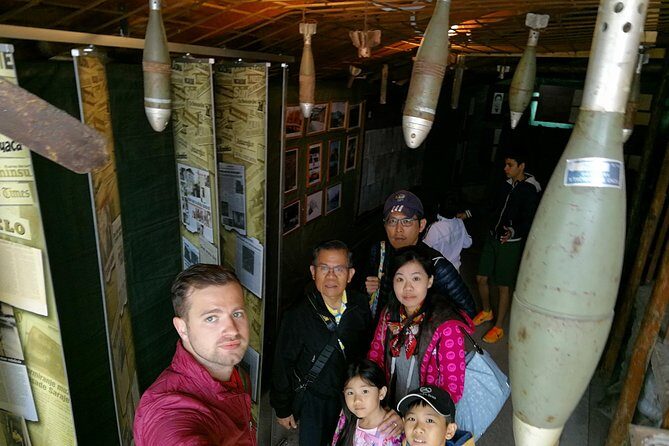
- Tunnel Museum with a short film + one-hour presentation: fall of Yugoslavia and why the Tunnel mattered
- Sarajevo’s landmark trail: Markale massacres, the Eternal flame, and Sniper Alley
- Trebević viewpoints near the 1984 winter sports area: big panoramas from the mountain’s Siege-era front line
- Jewish Cemetery Sarajevo stop: unique tombstones thought to connect to Stećak traditions
- Yellow Fortress views: Ottoman-era vantage plus the Soldiers cemetery and the first Bosnian president’s resting place
Why this Siege-of-Sarajevo tour hits hardest in only 4 hours
Sarajevo is one of those places where the past isn’t locked behind glass. It’s built into streets, monuments, and the way people still navigate the city. That’s exactly what this tour does well: it strings together the stories of the Siege with the physical spots where those stories make sense.
You don’t just sit and listen. You travel in comfort from stop to stop—air-conditioned car or minivan—so the time stays focused. And because your guide is a war veteran driver-guide (not just a lecturer), the explanations land more like lived memory than a script.
You can also read our reviews of more museum experiences in Sarajevo
- Fall of Yugoslavia, Sarajevo War Tour with Tunnel of Hope Museum and Frontlines
★ 5.0 · 1,314 reviews

Getting oriented in central Sarajevo: Ferhadija to the big-war sites
The tour begins around Ferhadija, near the Info Bosnia Tourist Information Center by the Sarajevo Meeting of Cultures. After a quick intro, the guide brings you to the transportation and you get going.
Before you even reach the Tunnel area, there’s an on-the-way orientation (about 25–30 minutes). The guide points out important sites and buildings you’ll later recognize during the Tunnel Museum’s short film. I like this approach because it gives your brain something to latch onto. When the movie starts, it’s not a random dramatization—it’s tied to real places you already saw outside the window.
Markale, the Eternal Flame, and Sniper Alley: Sarajevo’s hardest reminders
This is where the tour turns from background to impact.
Markale massacres: why the city became a target
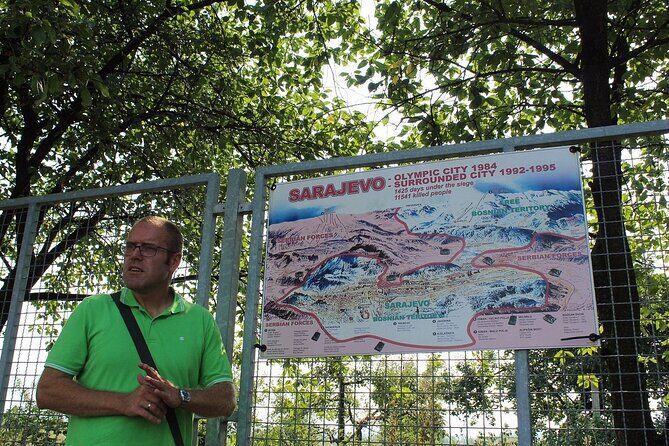
You stop to learn about the Markale massacres—two separate bombardments carried out during the Siege of Sarajevo, targeting civilians. The lesson isn’t only what happened. It’s also why those events mattered in how the Siege played out day after day.
If you want to understand Sarajevo beyond headlines, this is a key moment. It helps you see the war not as “history,” but as daily danger.
The Eternal flame: a memorial that reaches backward and forward
Next is the Eternal flame memorial, dedicated on 6 April 1946, marking victims of the Second World War. That’s a helpful detail because it reminds you Sarajevo’s suffering is not a single isolated event. The city remembers occupation and violence across eras.

Sniper Alley: the route civilians had to cross
Then comes Sniper Alley, the informal name tied to Zmaja od Bosne Street and Meša Selimović Boulevard. These roads connected industrial parts of the city (and onward toward Sarajevo Airport and Tunnel of Hope) to the Old Town’s cultural centers.
During the Bosnian War, this boulevard was lined with sniper positions, and that fact changes how you understand the street today. From a travel perspective, it’s one of those “same place, different reality” examples: modern streets can still carry the pattern of fear from the past.
A cultural stop with the Sarajevo Haggadah
The tour also includes a stop connected to a museum holding the Sarajevo Haggadah, an illuminated manuscript and the oldest Sephardic Jewish document in the world, traditionally associated with the Haggadah and issued around 1350.
This matters on a Siege tour. It’s not only about destruction. It’s also about Sarajevo as a place with deep cultural layers that existed long before 1992—and continued after it.
War Tunnel Museum: the Tunnel of Hope, the film, and a full hour of context
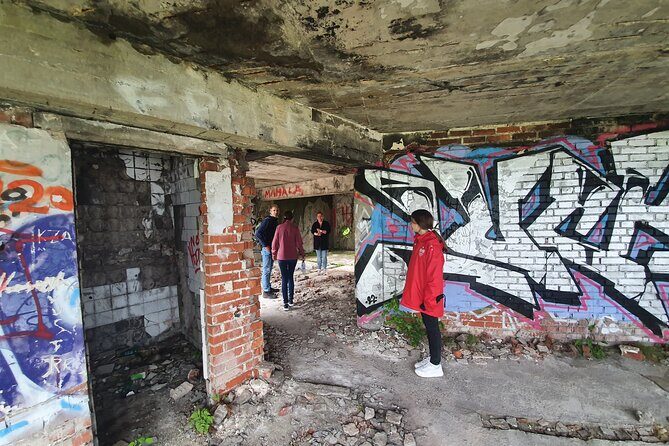
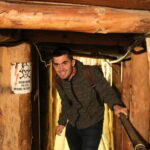
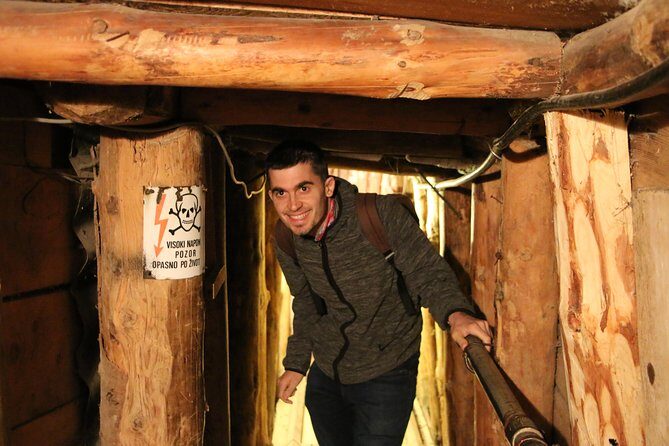
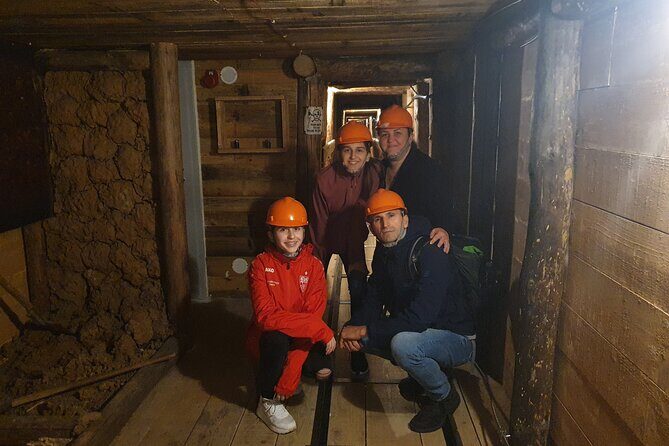
Your main museum stop is the Sarajevo War Tunnel, often called the Tunnel of Hope.
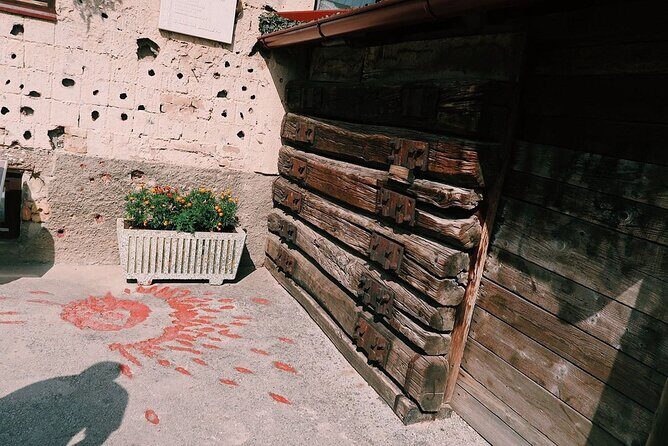
When you arrive, the guide points out the museum entrance area and a notable marker in front called Sarajevo Rose. That sets the scene before anything gets explained. You then watch a short film, and after that you get a one-hour presentation that connects several big threads:
- the fall of Yugoslavia
- wars in Slovenia, Croatia, and Bosnia and Herzegovina
- how and why the Tunnel was created
- why the Tunnel mattered so much for the city’s survival
One thing I really value here is the framing. It doesn’t treat the Tunnel like a lone engineering miracle. It shows it as a response to siege conditions, a lifeline tied to daily needs and constant pressure.
Note: museum admission isn’t included in the tour price, so budget extra for the entrance.
Trebević Mountain: walking near the first-line vantage points
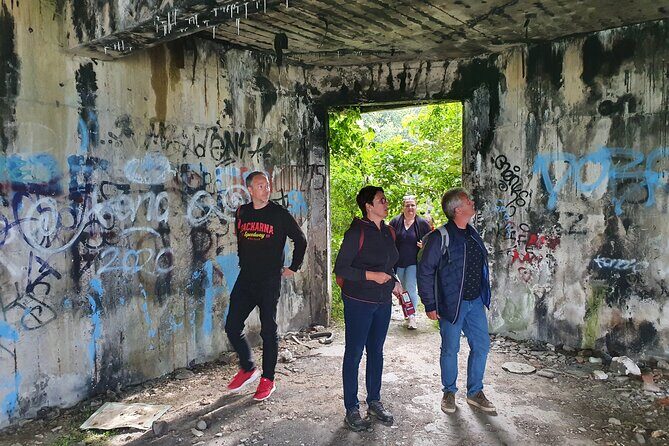
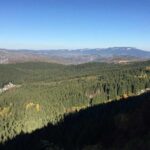
After the Tunnel, you head toward Trebević (about 84 Olympic mountain). Trebević is the closest mountain to the Sarajevo center and was part of the first-line dynamics during the Siege of Sarajevo.
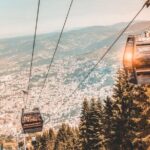
At the site, you have the chance to walk on the terrace/area connected to the hotel restaurant called 8. You also get panoramic views of Sarajevo. And because the guide explains where enemy positions were in relation to what you can see, the views become more than pretty photos.
This stop is only about 30 minutes, but it’s an important emotional reset: you’re looking at the city from a spot tied to fear and strategy, not comfort and sightseeing. Plan for standing time and slow steps if the ground is uneven.
Jewish Cemetery Sarajevo: Stećak-linked tombstones under Trebević
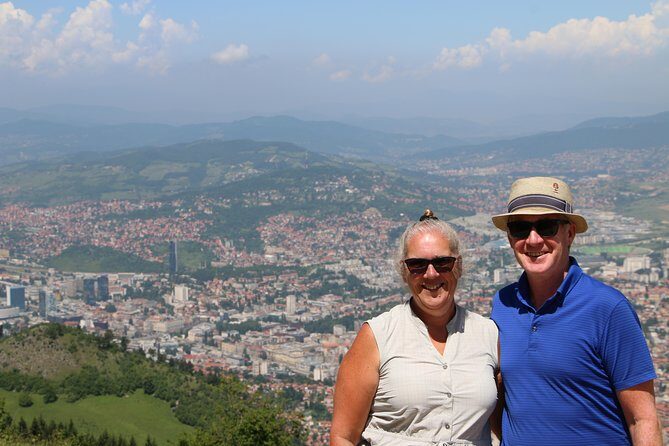
Just under Trebević Mountain lies the Jewish Cemetery Sarajevo. The tour includes about 20 minutes here.
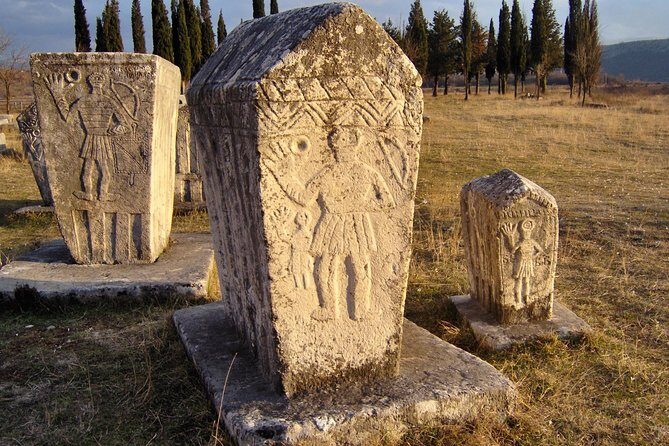
It’s described as the second largest Jewish cemetery in Europe, with uniquely shaped tombstones found in Bosnia and Herzegovina. The guide also explains that the tombstone shapes are believed to be influenced by medieval Bosnian tombstones called Stećak.
This stop is quiet in a way the other stops often aren’t. It also widens your understanding of Sarajevo’s multi-faith depth and how communities left their mark on the land.
If you’re sensitive to memorial spaces, keep your pace slow and give yourself time. Cemetery visits can’t be rushed without losing something.
Yellow Fortress and the Ottoman old town vantage
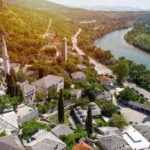
Next you move toward the Ottoman part of the city and visit the Yellow Fortress. It’s about a 20-minute stop, and it’s built around views.
From here you can see the Soldiers cemetery and the resting place of the first Bosnian president. It’s a good capstone for the tour’s route: you’ve gone from daily civilian danger (Markale and Sniper Alley) to survival engineering (the Tunnel) to mountain-front visibility (Trebević), and now you end with a vantage tied to remembrance and leadership.
The guides make the difference: war veterans who answer real questions
In my experience, the best history tours do one thing: they translate big events into human-scale details. This one does that hard.
Across multiple departures, your guide is often described as a war veteran who explains what life became during the war. Names that show up in past groups include Adis, Ibrahim, Asim, Enes, Enis, Adnan, Haris, Mustafa, and Ennis—so you’re not just getting a local narrator, you’re often getting someone who lived through key parts of the story.
A few guides are also described as patient with questions, using humor at the right moment, and remembering details like people’s names. That matters more than it sounds. When you feel recognized and can ask follow-ups, the tour becomes a conversation instead of a lecture.
Comfort, group size, and pacing: what you should expect during the drive
The tour keeps the group small—maximum 20 travelers. And you ride in an air-conditioned car or minivan. This is practical in Sarajevo’s summer heat and still helpful when the day runs a bit long.
The overall duration is about 4 hours. That’s long enough to cover the Tunnel and several sites, but short enough that you aren’t stuck on the road for your whole trip.
Also, the tour is offered in English.
Practical details that help you plan (without ruining the mood)
A few things to keep in mind so the tour feels smooth instead of stressful:
- Physical effort: moderate physical fitness is recommended. Expect walking/standing at Trebević and around memorial areas.
- Food: not included. If you’re doing this in the afternoon, eat something beforehand so you don’t get distracted later.
- What to bring: comfortable shoes are a must. If you’re visiting in cooler months, layer up for outdoor viewpoints.
- Emotion check: this tour covers massacres, siege hardship, and war strategy. It’s moving for many people, and you’ll likely want a few minutes afterward to decompress.
Price and value: what $36.28 buys you in Sarajevo
At $36.28 per person for about 4 hours, the value isn’t in luxury. It’s in the combination of:
- transport in an air-conditioned vehicle
- a driver-guide who brings personal perspective
- a route that links major Siege-era landmarks
- enough time at the Tunnel to actually understand the purpose and context
The main cost trade-off: Tunnel Museum admission is not included. So you should treat $36.28 as the guided, transport portion, then add the museum ticket cost on top.
Even with that, the structure is efficient. You’re covering multiple sites tied to the Siege in a single half-day, and you’re not figuring out logistics alone.
Who should book this, and who might hesitate
This is a strong fit if you want:
- a focused Sarajevo overview tied to the Siege of Sarajevo
- a war-veteran perspective instead of generic storytelling
- key stops like the Tunnel of Hope, Markale, Sniper Alley, Trebević, and the Jewish Cemetery
You might reconsider if:
- you dislike heavy subject matter
- you have trouble with standing and outdoor walking
- you want a light, purely sightseeing-style afternoon
If your goal is understanding, not just ticking off monuments, this tour makes a lot of sense.
Should you book the War Tunnel Museum Siege tour?
I’d book it if you want to understand Sarajevo at the level of daily life, danger, survival, and memory—without spending your entire day piecing together transport and explanations. The small group size, the war-veteran framing, and the Tunnel Museum’s film plus one-hour presentation create a strong learning flow.
Do it especially if you’re the type of traveler who asks questions. Guides here are known for being engaged, patient, and ready to explain the small details that help everything click.
If you’re sensitive to intense history, plan your schedule the same way you plan for a long museum day: go in calm, respect the memorial spaces, and give yourself room afterward.
FAQ
How long is the War Tunnel Museum Bosnia and Yugoslavia Wars tour?
It runs about 4 hours.
What does the tour cost?
The price is $36.28 per person.
Is hotel pickup included?
Hotel pickup is included if you’re staying outside the Old Town of Sarajevo.
Do I need to pay for the War Tunnel Museum separately?
Yes. Tunnel Museum admission is not included.
What language is the tour offered in?
The tour is offered in English.
How big is the group?
The tour has a maximum of 20 travelers.
Is food included in the price?
No. Food is not included.
Where does the tour start?
You start in central Sarajevo near Ferhadija, by the Info Bosnia Tourist Information Center. The listed meeting address is Velika avlija Laure Papo Bahorete 2, Sarajevo 71000.
Is the tour physically demanding?
Moderate physical fitness is recommended, and there are walking/standing components at outdoor stops.
What is the cancellation window?
You can cancel up to 24 hours in advance for a full refund.
Are children allowed?
Yes, but children must be accompanied by an adult.
You Might Also Enjoy

More Museum Experiences in Sarajevo
- Fall of Yugoslavia, Sarajevo War Tour with Tunnel of Hope Museum and Frontlines
★ 5.0 · 1,314 reviews

More Tours in Sarajevo
- Fall of Yugoslavia, Sarajevo War Tour with Tunnel of Hope Museum and Frontlines
★ 5.0 · 1,314 reviews
More Tour Reviews in Sarajevo
- Fall of Yugoslavia, Sarajevo War Tour with Tunnel of Hope Museum and Frontlines
★ 5.0 · 1,314 reviews