REVIEW · SARAJEVO
Inside the Siege: Sarajevo’s Story of Survival
Book on GetYourGuide →Operated by Adis Hamzic Tourist Guide · Bookable on GetYourGuide
One street can change how you see a city. This 3-hour Sarajevo tour uses Yellow Fortress panoramas and the Tunnel of Hope to turn big war history into scenes you can actually picture.
I especially like how the tour is guided by Adis Hamzic, with clear, personal storytelling that connects locations to what happened there. You also get a practical mix of viewpoints, driving stops, and short walks, so you’re not stuck only reading plaques.
The main drawback: the subject matter is heavy, and you’ll spend time around memorials tied to civilian suffering and children’s deaths. If you’re sensitive to intense history, plan for a quieter mood after.
In This Review
- Siege Sites You Can See, Not Just Read
- Starting at Mula Mustafe Bašeskije: Getting Oriented Fast
- Yellow Bastion: Seeing Sarajevo’s Trap from Above
- Into the City: Defenders’ Cemetery and the Weight of Place
- Eternal Flame and City Market Hall: Ordinary Land Used for Extraordinary Life
- Markale Market: A Civilian Target and a Turning Point
- Hase Olympic Stadium: From 1984 Pride to War-Time Burial
- Memorial to Murdered Children: When Numbers Become Names
- Sniper Alley: Understanding How Crossing a Street Became Risky
- Tunnel of Hope Museum: The Siege Lifeline You Can Walk Through
- On the Way Back: How the War Ended and What Sarajevo Faces Now
- Price and Value: Is $41 Worth It?
- What I’d Pack and Who This Tour Suits
- Quick, Practical Tips for a Better Day
- Should You Book Inside the Siege: Sarajevo’s Story of Survival?
- FAQ
- How long is the tour?
- Where does the tour start?
- Is the Tunnel of Hope entrance fee included?
- What sights will we see during the tour?
- Is the tour available in English?
- Is audio recording allowed?
- What should I wear?
Siege Sites You Can See, Not Just Read
- Yellow Fortress views: you get the city layout first, so later stops make immediate sense.
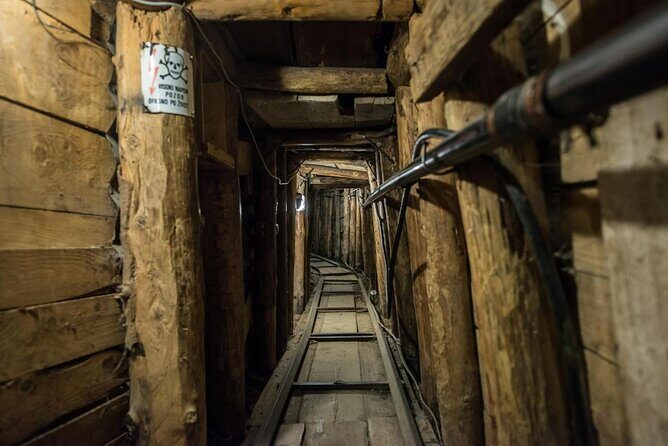
- Tunnel of Hope walkthrough: you physically experience a preserved section of Sarajevo’s secret lifeline.
- Sniper Alley drive-through: a short ride helps you grasp how ordinary streets became hazards.
- Markale Market context: you stop at a key civilian target and learn how the world responded.
- Memorials that name lives: you pass the Eternal Flame, the cemetery area, and the Memorial to Murdered Children for scale and remembrance.
Starting at Mula Mustafe Bašeskije: Getting Oriented Fast
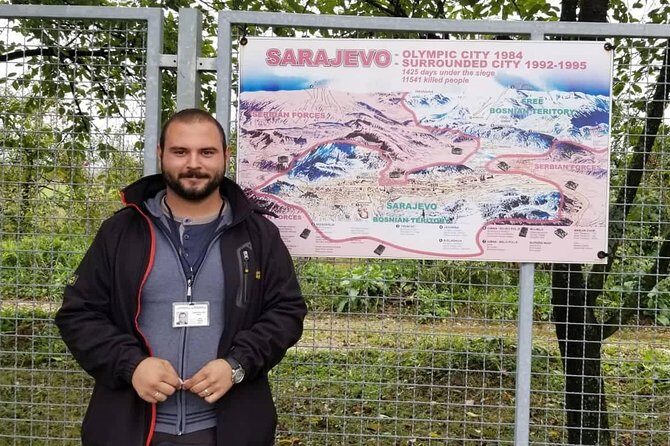
The experience begins at Mula Mustafe Bašeskije 65, in the Old Town area right by the main square, next to the bakery called Pekara Edin, with a Bosnian flag so you can spot the office. I like this setup because it keeps things simple. You’re already in the historic core, so the tour doesn’t feel like a remote bus trip that drops you onto a checklist.
From there, you’re in a comfortable, air-conditioned vehicle for the longer connections. That matters because the city’s key siege-related spots are spread out. You’ll also be out and about on foot at a few points, so comfortable shoes are a must.
And because the tour runs in all weather conditions, you’ll want to dress for the day—rain or chill included—rather than counting on perfect skies.
You can also read our reviews of more tours and experiences in Sarajevo.
- Fall of Yugoslavia, Sarajevo War Tour with Tunnel of Hope Museum and Frontlines
★ 5.0 · 1,314 reviews

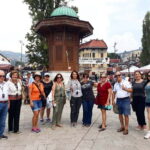
Yellow Bastion: Seeing Sarajevo’s Trap from Above
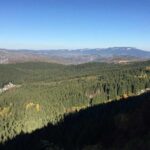
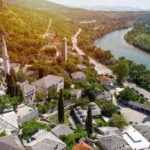
Your first meaningful stop is the Yellow Fortress (often referred to as Yellow Bastion). You’ll spend about 10 minutes there, and it’s the kind of view that changes your brain’s map of the city.
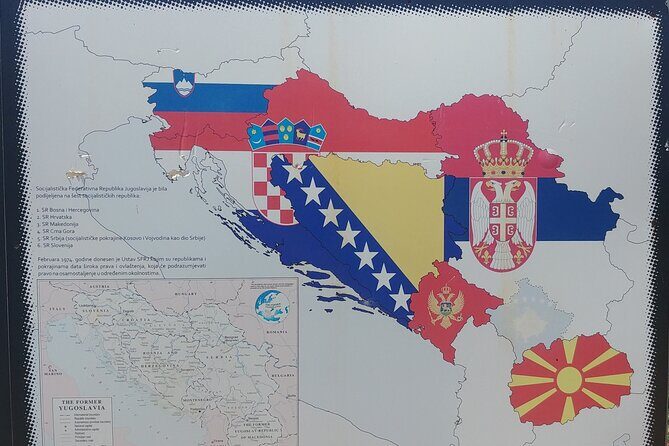
From the height, you can see how Sarajevo sat and how surrounding pressure turned movement into danger. This is where the tour’s whole approach pays off: you learn the war’s geography before you start passing the places where that geography caused tragedy. Standing still for a panoramic look helps you understand why later stops feel so close and immediate.
I also like that the guide doesn’t treat the view like a photo moment only. Instead, you get explanations that connect the rise and fall of political order in Yugoslavia to how Sarajevo became trapped. It’s not just history names—it’s cause and effect.
Into the City: Defenders’ Cemetery and the Weight of Place
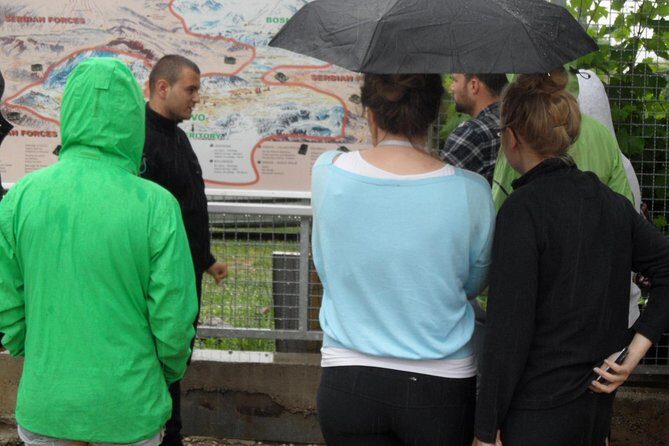
After the fortress view, you descend back into the city. One of the early emotional moments is passing the Sarajevo Jewish Cemetery area and the cemetery where Sarajevo’s defenders rest.
This isn’t a scripted “walk-through.” It’s more of a guided pass, but those small changes in the route do something important: you’re not seeing siege history as distant events. You’re seeing it as something that shaped families, neighborhoods, and burial grounds.
The guide’s storytelling approach helps keep it human. You’ll be asked—without being pressured—to think about what survival means when even death is part of the timeline.
Eternal Flame and City Market Hall: Ordinary Land Used for Extraordinary Life
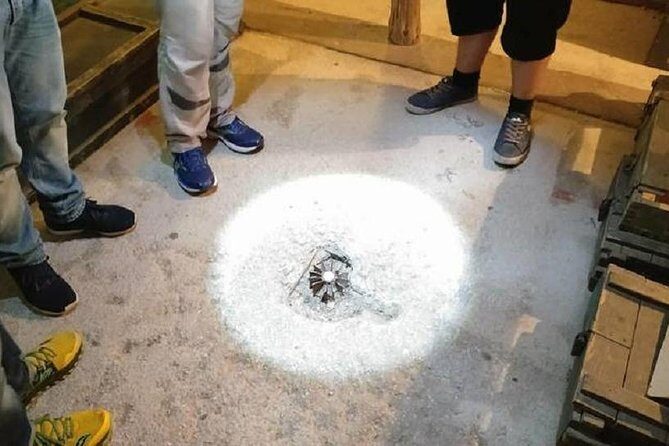
As you move through the Old Town area, you’ll pass the Eternal Flame and the City Market Hall. These are the kinds of sites that can look purely ceremonial if you’re only skimming. Here, they work better because you’re hearing the siege context while the city landmarks roll by.
That’s one of the tour’s strengths: it keeps the contrast in focus. Sarajevo wasn’t only a battlefield. It was a living place—markets, streets, daily routines. Then the war reshaped those routines into something far more dangerous.
If you’re the type who likes to understand what people built and how they lived, these passing stops add texture without forcing extra walking.
Markale Market: A Civilian Target and a Turning Point
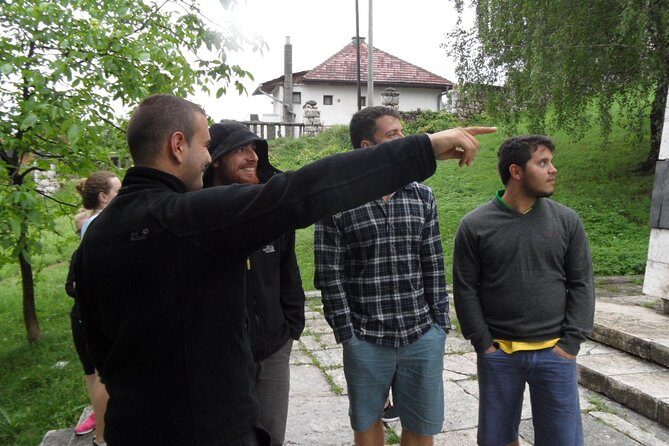
Next comes Markale Market, with a stop focused on its role in tragic civilian massacres. You’ll learn how mortar shells struck civilians there, shocking the world.
I like this stop because it explains why some sites became international headlines. The tour doesn’t just say, “This happened.” It frames how those attacks contributed to changes outside Bosnia and Herzegovina—how global attention shaped the next phase of events.
You’re also close enough in the route to feel how a market square can’t be treated like an abstract location. It’s where people gathered, shopped, waited, and lived. When war hits that kind of normal space, the impact isn’t theoretical.


Hase Olympic Stadium: From 1984 Pride to War-Time Burial
You’ll pass the Olympic Stadium, with a photo stop and a quick look around (about 10 minutes). Before the siege context arrives in your mind, this stadium can read like an old sports relic. With the tour’s framing, it becomes something else.
The 1984 Winter Olympics symbolized pride and possibility. But just eight years later, part of the stadium had to be turned into a cemetery as burial grounds filled up during the war. That shift—from celebration to survival and loss—is one of the tour’s clearest reminders of what conflict does to public spaces.
Even if you only take a couple photos, this stop lands. It’s hard to walk away thinking of the stadium as just architecture.
Memorial to Murdered Children: When Numbers Become Names
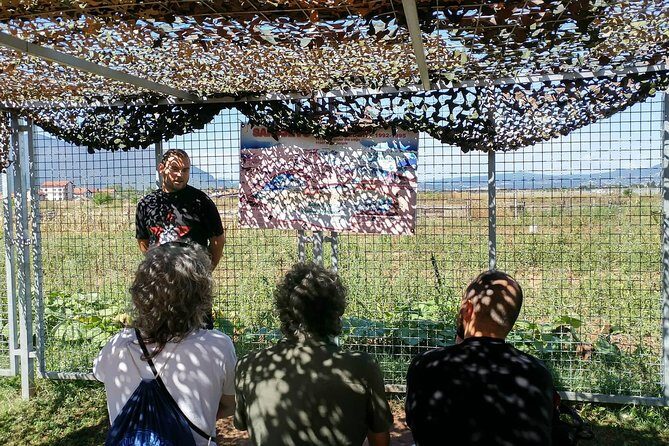
Continuing along the route, you pass the Memorial to Murdered Children, which honors 1,601 children killed during the siege.
This stop is important because it anchors the siege story in human cost at the scale that statistics can hide. It’s not about overwhelming you for effect. It’s about giving you a concrete point you can remember when your mind tries to file the siege into “a war I once read about.”
If you prefer lighter travel content, this is where you may feel the emotional weight most. I’d treat it as a “pause and breathe” moment rather than a quick look-and-go. Looking at memorials too fast is a common mistake; let the meaning catch up.
Sniper Alley: Understanding How Crossing a Street Became Risky
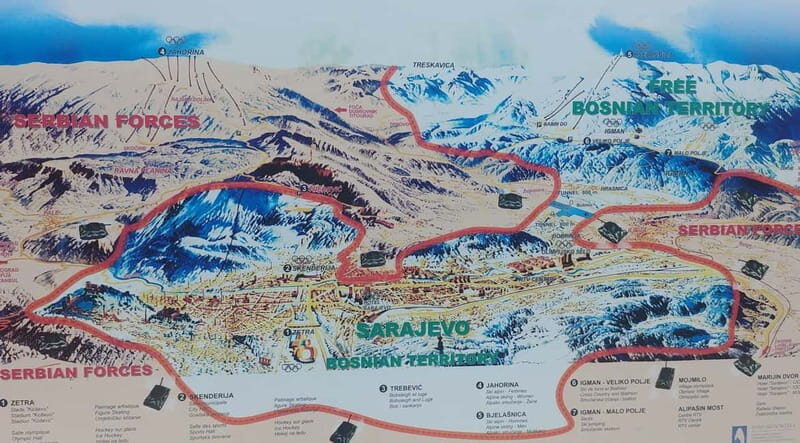
One of the most talked-about driving moments on the tour is Sniper Alley. You’ll drive through it as part of the route, and the guide explains why it became one of the most dangerous streets in Sarajevo during the siege.
The core idea is simple and chilling: snipers positioned in the hills fired at civilians. That meant everyday tasks could become deadly—crossing the street, stepping into a doorway, moving between places you’d normally treat as routine.
Even though you’re in a vehicle and not walking that street, you’ll still feel the logic of why people avoided certain paths and times. This stop gives you a practical sense of how the siege controlled movement—not by stopping people with walls, but by turning visible space into threat zones.
Tunnel of Hope Museum: The Siege Lifeline You Can Walk Through
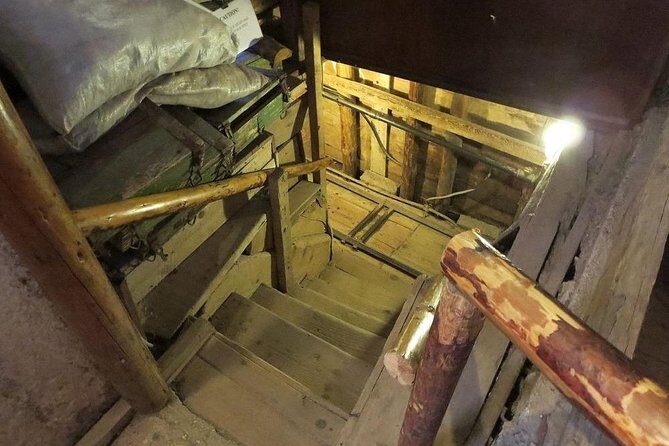
The most important part of the tour is the Tunnel of Hope Museum. You’ll first get a photo stop, then a visit with a guided tour for about an hour.
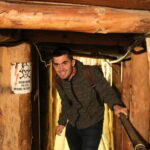
This is Sarajevo’s only connection to the outside world during the siege, built in secret so that food, medicine, and other supplies could reach the city. The tour includes walking through a preserved section of the tunnel, which helps you understand what survival meant in physical terms: tight space, forced attention, and a lifeline built by people who refused to surrender.
A key practical detail: the museum entrance fee is €10 and is paid separately on-site in local currency. It’s worth planning for because it affects your total trip cost. The guide also keeps the visit moving so you get the story without feeling stuck in one room too long.
If you want one reason to pick this tour specifically, this is it. Seeing sites from above and around the city helps, but walking through the tunnel is what makes the siege real in your body.
On the Way Back: How the War Ended and What Sarajevo Faces Now
On the return trip toward the Old Town, the guide talks about how the war ended and what Sarajevo looks like today. You’ll also discuss post-war recovery, political divisions, and modern-day challenges.
I like this ending because it avoids the travel trap of stopping at tragedy. The siege may be the centerpiece of the tour, but you leave with a sense of the city as it actually is now—still shaped by history, still navigating difficult politics, and still carrying resilience forward.
As you head back, you get a final panoramic view. It’s a good close because your first fortress view gave you “the picture.” The last one gives you “the meaning,” after you’ve seen the sites in between.
Price and Value: Is $41 Worth It?
At $41 per person for about 3 hours, this tour is priced fairly for what you get: a professional local guide, a comfortable air-conditioned vehicle, major siege sites, and a guided tunnel visit.
The one cost add-on is the Tunnel of Hope Museum entrance fee of €10 (paid separately in local currency). Even with that, the overall value stacks up because you’re not just looking at monuments—you’re getting an organized route and interpretation that helps the places connect.
You’re also getting skip-the-line access through a separate entrance, which saves time if you’re trying to fit everything into a short Sarajevo stay.
What I’d Pack and Who This Tour Suits
Bring comfortable shoes because you’ll do some walking. Also bring clothing for all-weather conditions; the tour runs rain or shine. You can bring water or snacks since food and drinks aren’t included.
This tour is a strong fit if you:
- want a clear, guided understanding of the Siege of Sarajevo
- like history told with specific locations and real consequences
- appreciate local expertise (Adis makes a difference here)
It may be a tougher fit if you:
- strongly prefer only light sightseeing
- get worn out by memorial-focused routes
- need audio narration (audio recording isn’t allowed)
Quick, Practical Tips for a Better Day
- Pace yourself at memorial stops so it feels respectful, not rushed.
- Plan mentally for heavy themes around civilian casualties and children’s memorials.
- Keep an eye on the €10 Tunnel of Hope entrance fee since it’s not included.
- If you’re the kind of traveler who likes questions, bring them. Adis’s style is built around answering and explaining.
Should You Book Inside the Siege: Sarajevo’s Story of Survival?
Yes—if you want Sarajevo’s siege story told with places that actually line up in your mind. The Yellow Fortress orientation plus the Tunnel of Hope walkthrough is a smart pairing: one gives you the geography, the other gives you the lived reality. The guide, Adis Hamzic, is praised for being passionate, informative, and able to answer questions, and that kind of back-and-forth is exactly what makes this tour feel more like understanding than sightseeing.
Skip it only if you know you want a lighter, less emotionally intense tour. Otherwise, this is one of the most meaningful ways to spend a short time in Sarajevo and leave with real context.
FAQ
How long is the tour?
The tour lasts 3 hours.
Where does the tour start?
The meeting point is at Mula Mustafe Bašeskije 65, right in front of the main square next to the bakery called Pekara Edin. You’ll see a Bosnian flag.
Is the Tunnel of Hope entrance fee included?
No. The Tunnel of Hope Museum entrance fee is €10 and is paid separately on-site in local currency.
What sights will we see during the tour?
You’ll have a panoramic stop at the Yellow Fortress, drive through Sniper Alley, pass Markale Market and several memorial sites, visit the Sarajevo Tunnel of Hope Museum, and pass the Olympic Stadium.
Is the tour available in English?
Yes. The live tour guide speaks English.
Is audio recording allowed?
No audio recording is allowed.
What should I wear?
Bring comfortable shoes, since some walking is required. The tour runs in all weather, so dress appropriately for the day.
You Might Also Enjoy
More Tour Reviews in Sarajevo
- Fall of Yugoslavia, Sarajevo War Tour with Tunnel of Hope Museum and Frontlines
★ 5.0 · 1,314 reviews