REVIEW · SARAJEVO
Sarajevo: Tunnel of Hope Tour – Survival and Resilience
Book on GetYourGuide →Operated by Sarajevo Insider City Tours & Excursions · Bookable on GetYourGuide
A bunker lesson in hope and survival. That is what this Sarajevo tour feels like. You’ll connect the city’s famous landmarks to the siege story—then head underground to understand how Sarajevo stayed alive.
I especially love the way this tour pairs Tunnel of Hope Museum lessons with real street-level context above ground. You’re not just reading dates—you’re watching how the conflict shaped everyday places, from markets to government buildings.
I also like how the guide’s human stories often come with real lived experience. Names like Nermin show up in the way people describe the tour: a war veteran or former police voice that turns facts into something you can picture. One caution: some parts of this story are disturbing, and the tunnel walk includes 100 meters underground, so it’s not ideal for everyone.
In This Review
- Key things that make this tour worth your time
- From 1984 Olympics to siege reality in two and a half hours
- Seeing Markale Market and other siege-era landmarks from the road
- Tunnel of Hope Museum: the lifeline you can actually picture
- Walking the 100 meters underground: what to expect
- Real tunnel vs replica: why you’ll still get the point
- The guide is the difference maker
- Price and value: what $22 covers and what you’ll add for entry
- Tips to make this tour easier (and more meaningful)
- Who should book this Tunnel of Hope tour
- Should you book this Tunnel of Hope Tour?
- FAQ
- How long is the Tunnel of Hope Tour in Sarajevo?
- Where do I meet for the tour?
- Is the Tunnel of Hope Museum ticket included in the $22 price?
- How much of the tunnel will I walk through?
- What languages is the tour offered in?
- Is the tour wheelchair accessible?
- What should I bring, and what is not allowed?
Key things that make this tour worth your time
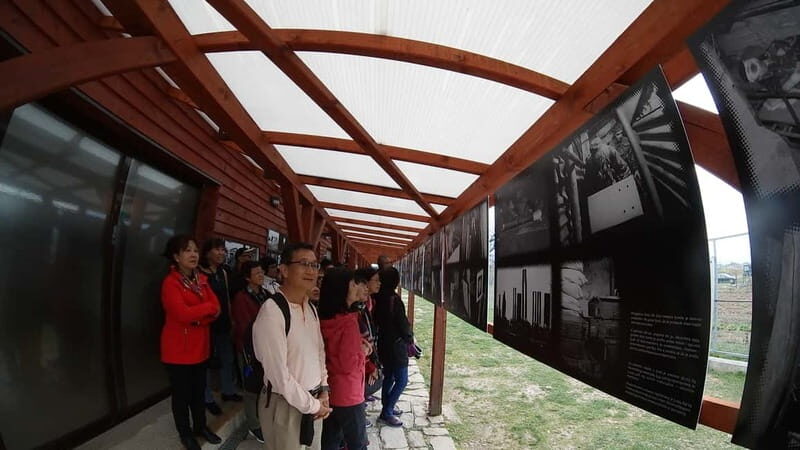
- Tunnel of Hope Museum: a lifeline route that connected Sarajevo to the outside world during the siege
- Markale Market stop: a moving wartime landmark tied to how civilians suffered and endured
- War-era leadership sites nearby: you’ll pass the Presidency Building and other key points of the period
- 100 meters inside the tunnel: bring comfortable shoes and expect a physical, close-up experience
- A guide who can tell the story from inside the era: many groups describe guides with first-hand siege ties
From 1984 Olympics to siege reality in two and a half hours
Sarajevo has a way of making history feel personal fast. Even before you get to the tunnel, the city sets up the contrast: it hosted the Winter Olympics in 1984, then only about eight years later became the center of the longest siege in modern warfare. On this tour, you feel that shift rather than just hearing it.
The tour runs about 150 minutes, and the pacing is built for understanding. You spend part of it driving and looking at key wartime sites, then most of it around the Tunnel of Hope experience, and finally you circle back through Sarajevo with more context so the story doesn’t end when the tunnel tour ends.
The real value here is that you’re not standing in one place. You’re learning how the siege worked—geography, communication, supplies—while also seeing why the city’s landmarks still matter today.
You can also read our reviews of more tours and experiences in Sarajevo.
- Fall of Yugoslavia, Sarajevo War Tour with Tunnel of Hope Museum and Frontlines
★ 5.0 · 1,314 reviews

Seeing Markale Market and other siege-era landmarks from the road
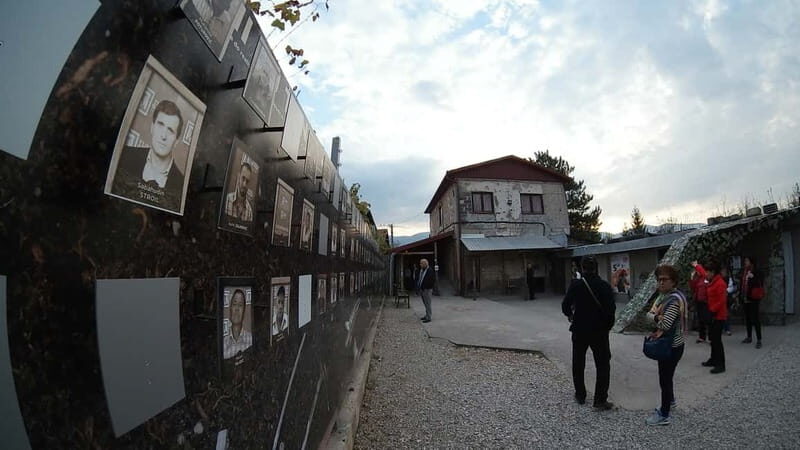
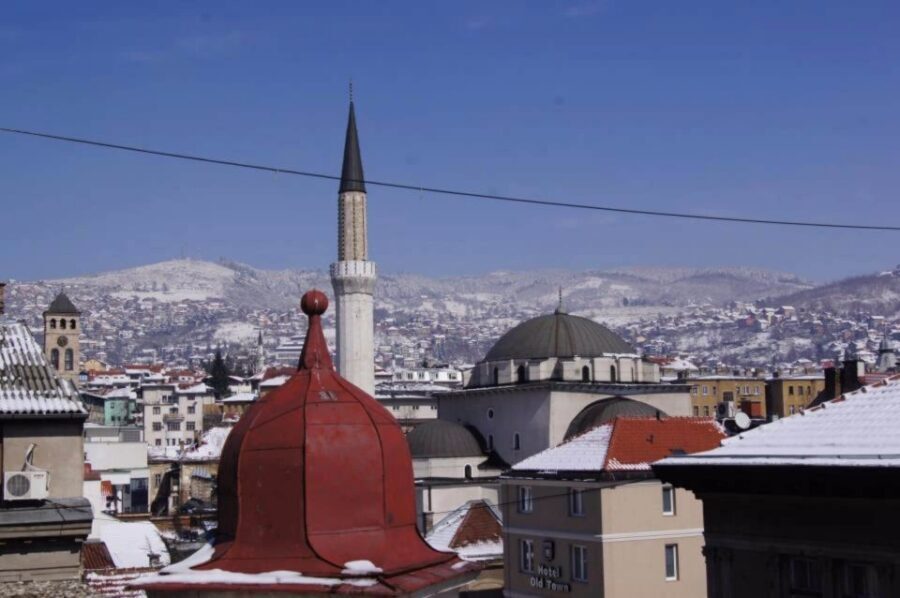
One of the most powerful parts is the bus segment through the city. From the windows, you pass sites that were part of Sarajevo’s wartime reality—places civilians would recognize, even if they aren’t all functioning the way they did then.
A highlight is Markale Market, described again and again as a poignant symbol of resilience. It’s the kind of place where the history doesn’t stay abstract. You get the sense of how violence and scarcity touched normal life—food, crowds, daily routines—and why the memory of these locations still sits so heavily in Sarajevo.
You’ll also pass by the Presidency Building, a central historic marker tied to Bosnia’s wartime leadership. Even if you don’t go inside, the stop-in-motion matters. It helps you place the siege story in power and decision-making, not only in suffering.
And you’ll spot other key points from the era, including the TV Building—important because media and broadcasting were survival tools, not just entertainment. In a siege, information can be as urgent as water.
Practical note: the road time is also where the guide can connect dots. If you love learning through visuals—buildings, street geography, and how places relate—this section is made for you.
Tunnel of Hope Museum: the lifeline you can actually picture
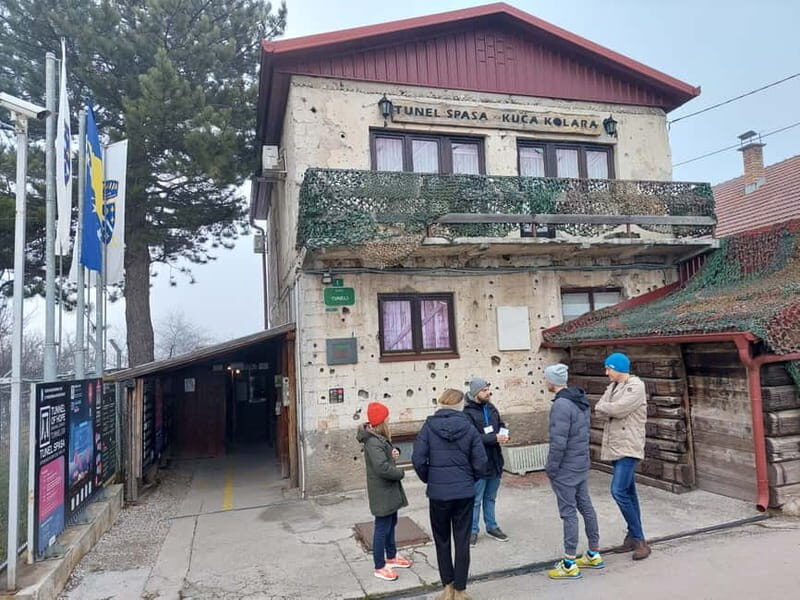
Now for the part you came for: the Tunnel of Hope Museum. This is where the tour turns from “what happened” into “how it worked.”
The core idea is simple and heavy: Sarajevo was cut off, but people needed a way to connect to the outside world. The tunnel functioned as a lifeline for supplies and communication. That matters because it wasn’t just about having an escape route—it was about keeping a city functioning when everything around it was closing.
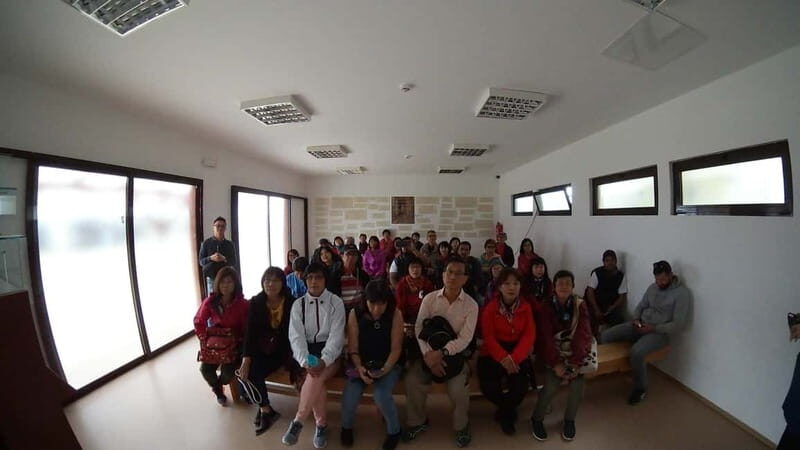
Inside the museum, you’ll learn about:
- The strategic importance of the tunnel during the siege
- What daily life under siege looked like, including how residents coped with danger and scarcity
- The wider Bosnian War context and how it reshaped Sarajevo’s culture and identity
- Personal stories of resilience and the collective effort to resist isolation
One reason this stop hits hard is that it explains survival as a system. You start to see the siege not as a single dramatic moment, but as a chain of daily problems—movement, delivery, risk, hope—and the improvisation people used to keep going.
If you’ve already visited Sarajevo museums, this stop still feels different because the tunnel gives the story a physical shape. It makes you ask practical questions like: Where did people go? How did they move? How did secrecy and speed matter? That’s when history stops being only dates.
Walking the 100 meters underground: what to expect
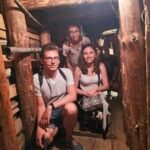
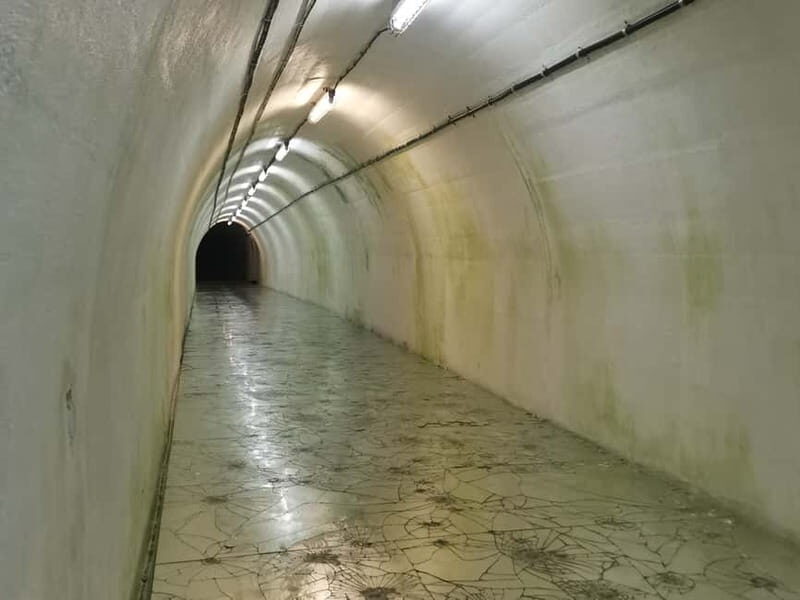
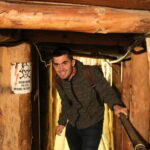
Yes, you’ll go inside the tunnel experience—100 meters underground. It’s not a long distance on a map, but underground feels longer than you expect. The space is confined, and it’s close-up.
This matters for two reasons:
- You get a gut-level understanding of what isolation means when you’re literally moving through a limited corridor.
- The experience forces you to slow down and pay attention, which is exactly what this kind of story asks for.
Bring comfortable shoes and comfortable clothes. Also, plan your mindset. The tour includes the realities of civilian suffering during the war, and you may find the story disturbing even when it’s told thoughtfully.
Accessibility warning: the tour is not suitable for wheelchair users or people with mobility impairments. If you’re unsure about your comfort level with confined underground walking, that’s the first question to ask yourself before booking.
Real tunnel vs replica: why you’ll still get the point
Here’s a detail that can trip people up if they’re expecting the original tunnel tunnel-to-tunnel. The original route reportedly closed for safety reasons connected to airport runway conditions. What you visit is a replica tunnel experience.
That said, you’re not going for a movie set. You’re going to understand the story’s function: why this underground connection mattered, how it was used, and what it meant for people trying to keep a city alive.
In other words, the replica doesn’t replace the lesson—it frames it. You’ll leave with the same emotional and historical takeaways, just without the exact original engineering footprint.


The guide is the difference maker
A big reason this tour earns such high praise is the way the guide teaches. Many groups describe guides with first-hand siege ties—people who worked as military veterans or police during the war era and shared personal memories alongside the facts.
Names that show up strongly include Nermin, along with other guides mentioned like Adis and Safte. What people keep highlighting is not only expertise, but the ability to answer questions and explain what you’re looking at while you’re looking at it.
You’ll also notice a pattern in what they do well:
- They point out additional locations on the way that connect to the siege story
- They keep adding context during drives, not just during the formal museum time
- They manage group pacing, often giving time for you to read and take things in at the tunnel
If you’re the type who hates tours that feel like a script, this is the kind of experience where the story seems to carry weight because the guide has lived inside its meaning.
Price and value: what $22 covers and what you’ll add for entry
Let’s do the math with what you actually need to budget.
- Tour price: $22 per person
- Tunnel museum entrance ticket: 20 BAM (10.50€) per adult / 8 BAM (4.50€) per student
So you should plan for the tour fee plus the museum ticket. That still keeps this in the category of good value, especially given the time commitment (150 minutes), the transportation, and the fact that the guide experience can make the stop much more meaningful than doing the museum alone.
Also note: the tour includes a licensed tour guide and modern transportation, and it’s described as skipping the ticket line for the tunnel stop. That can matter when you’re trying to keep your day moving.
Tips to make this tour easier (and more meaningful)
A few practical things can improve your experience a lot.
Wear the right shoes. Underground walking and time spent standing still for explanations add up fast.
Go in with some emotional bandwidth. The story includes civilian suffering, and it’s meant to stay with you.
Ask questions during the drive. The bus segment is when many guides add extra “why does this matter” context about Sarajevo and Bosnia.
Bring patience for the tunnel pace. The group often gets time to read and take in what’s in the space.
One more reality-check: the tour has rules about what you can bring. Oversize luggage and large bags aren’t allowed, and pets, alcohol, and drugs are not allowed. If you’re traveling with backpacks, keep them sensible.
Who should book this Tunnel of Hope tour
This tour is best for you if:
- You want the most direct way to connect Sarajevo’s siege history to physical places
- You like a guide who can explain both strategy and everyday survival
- You’re okay with a story that’s heavy, not just educational
It may not be the right fit if:
- You have mobility challenges that make underground walking hard
- You prefer light, fast sightseeing over a war-focused narrative
- You get uncomfortable with topics that involve civilian suffering
Should you book this Tunnel of Hope Tour?
If your goal is to understand Sarajevo beyond surface-level sightseeing, I think this is a strong pick. The combination of city landmark context, museum storytelling, and the 100 meters tunnel walk turns the siege into something you can picture rather than just memorize.
My decision checklist for you is simple:
- If you care about meaning and context, not just photos: book it.
- If you’re sensitive to disturbing wartime accounts: consider whether you want to pace your day and prepare mentally.
- If mobility is an issue: skip this one and look for alternatives you can access comfortably.
If you do book, show up ready to listen. This tour works best when you treat it like a guided lesson—and when you let it affect you a little.
FAQ
How long is the Tunnel of Hope Tour in Sarajevo?
The duration is listed as 150 minutes.
Where do I meet for the tour?
The meeting point is Sarajevo Insider Tour Office, Zelenih beretki 30, Sarajevo 71000, Bosnia and Herzegovina.
Is the Tunnel of Hope Museum ticket included in the $22 price?
No. The museum entrance ticket is 20 BAM (10.50€) per adult or 8 BAM (4.50€) per student.
How much of the tunnel will I walk through?
You’ll go through 100 meters of the tunnel.
What languages is the tour offered in?
The tour guide languages listed are German, French, Italian, Spanish, Bosnian, and English.
Is the tour wheelchair accessible?
No. It is listed as not suitable for wheelchair users or people with mobility impairments.
What should I bring, and what is not allowed?
Bring comfortable shoes and comfortable clothes. The tour does not allow pets, oversize luggage, alcohol, or drugs.
You Might Also Enjoy
More Tours in Sarajevo
- Fall of Yugoslavia, Sarajevo War Tour with Tunnel of Hope Museum and Frontlines
★ 5.0 · 1,314 reviews
More Tour Reviews in Sarajevo
- Fall of Yugoslavia, Sarajevo War Tour with Tunnel of Hope Museum and Frontlines
★ 5.0 · 1,314 reviews