REVIEW · SARAJEVO
Sarajevo: Tunnel Museum Yugoslavia War Tour with War Veteran
Book on GetYourGuide →Operated by Dream Balkans Travel · Bookable on GetYourGuide
Sarajevo’s siege history can feel distant until you step inside the Tunnel of Hope. This small-group tour stitches the big political story to real places you can stand in, from sniper alley to the ruined hotel-restaurant Osmice. I especially love the pacing and the mix of firsthand war perspective with clear explanations, and you’ll also enjoy the practical viewpoints that show where control of the high ground mattered. The main drawback: the subject matter is heavy, and a few stops involve walking outdoors on uneven ground.
You start with a ride through key areas where your guide sets the stage, then you move into the museum for a focused presentation and film. After that, the route climbs to Trebević, goes back through the old Ottoman part of town, and ends at memorial ground tied to Bosnia’s independence.
At $36 for the core tour (with museum entry depending on your option), this isn’t a “quick facts” sightseeing loop. It’s a guided hour-by-hour explanation with emotion, context, and a route that makes Sarajevo’s geography make sense fast. Do it if you want meaning, not just photos.
In This Review
- Key highlights you’ll remember
- A veteran guide turns the Tunnel of Hope into a living map
- Getting oriented fast: the drive, sniper alley, and Sarajevo Rose
- Inside the Tunnel of Hope Museum: short film, then a clear hour-long presentation
- Trebević mountain: Osmice ruins and panoramic views tied to siege strategy
- Olympic bobsleigh and luge track: 1984 sports, now a war-shaped setting
- Jewish cemetery with stećci-shaped tombstones and Yellow Fortress views
- Shehidi cemetery and Alija Izetbegović: the end stop that lands with meaning
- Price and value: what you’re paying for in a 4-hour tour
- Who should book this Sarajevo war tunnel tour
- Should you book the Tunnel of Hope Yugoslavia War Tour?
- FAQ
- FAQ
- How long is the Sarajevo Tunnel of Hope war tour?
- Is the tour guide speaking English?
- Where do I meet the group in Sarajevo?
- Does the price include the Tunnel of Hope museum ticket?
- Is there pickup from my hotel?
- What transportation is provided?
- Can I cancel close to the tour date, and is there pay-later?
Key highlights you’ll remember
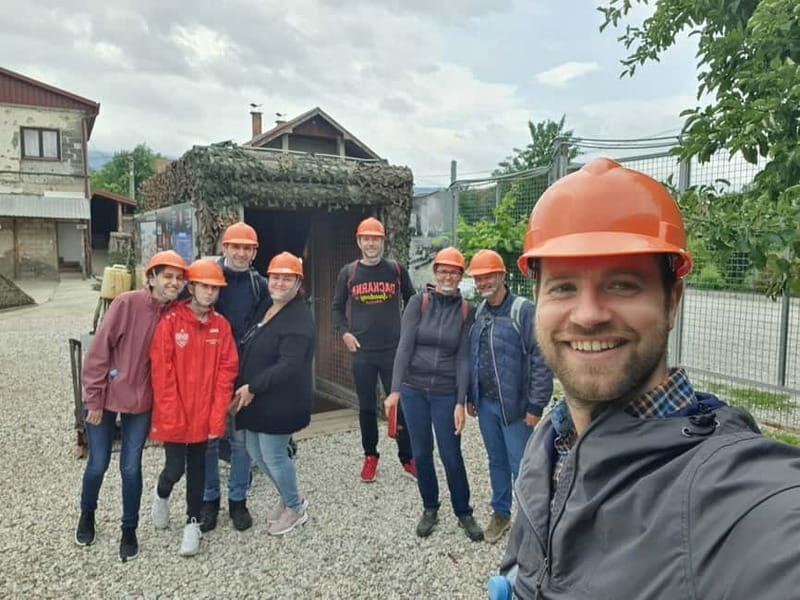
- Sarajevo Rose at the Tunnel of Hope: a strong start point that signals what you’re about to see
- War-told context, not textbook facts: guides like Adnan and Mustafa share what it felt like to live through it
- Trebević mountain and Osmice ruins: panoramic views tied directly to siege realities
- 1984 Olympic bobsleigh and luge track areas: abandoned sports infrastructure repurposed by war geography
- Second-largest Jewish cemetery in Europe: rare tombstone shapes linked to stećci (Stecak) traditions
- Shehidi cemetery and Alija Izetbegović: independence-era memorials, plus Sarajevo’s layered identities
A veteran guide turns the Tunnel of Hope into a living map
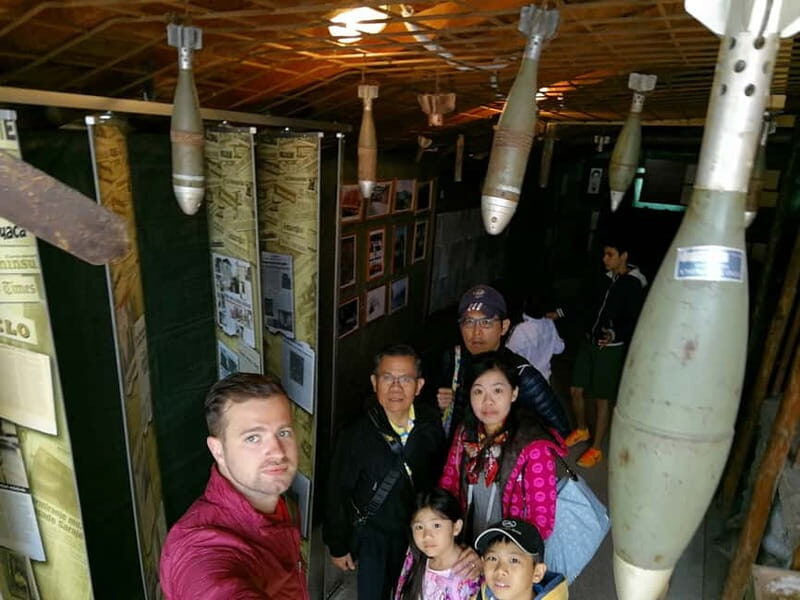
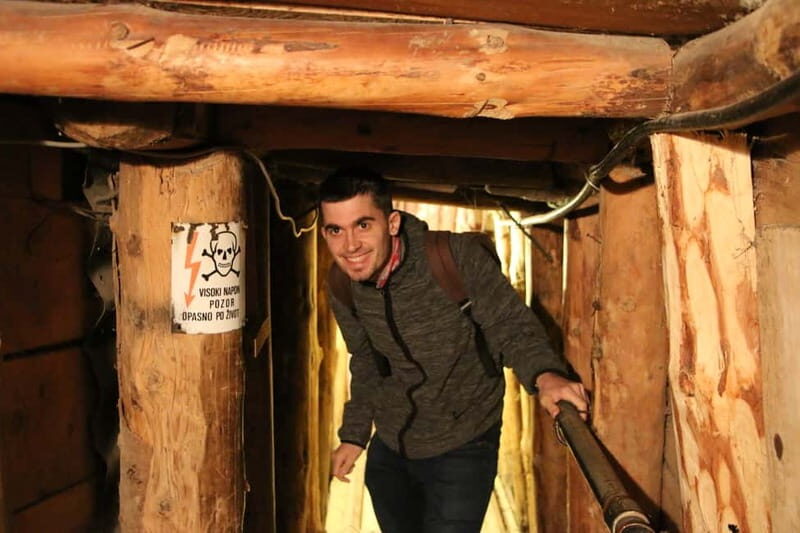
Sarajevo’s Tunnel of Hope is famous for a reason, but the magic here is how you understand it. Your guide—either a war veteran or a war survivor—connects the tunnel to what people needed day-to-day: movement, safety, supply, and survival when the city was cut off.
The tour format is also built for comprehension. Instead of dropping you in random spots and hoping you’ll connect the dots, you get a short intro on the drive (about 25 to 30 minutes) where you see important buildings and areas in person. Then the museum story comes right after, so names, places, and routes click in your head quickly.
What I love most is that the guide’s storytelling isn’t only about battles and dates. People share how it affected ordinary life, and you get room for questions along the way. If your guide is someone like Adnan, you may hear both historical clarity and personal experience, including how Sarajevo’s high points became strategic positions.
Possible drawback to keep in mind: because the route follows siege logic, some moments are visually quiet but emotionally intense. You’re touring real pain, not a staged drama.
You can also read our reviews of more museum experiences in Sarajevo
- Fall of Yugoslavia, Sarajevo War Tour with Tunnel of Hope Museum and Frontlines
★ 5.0 · 1,314 reviews

Getting oriented fast: the drive, sniper alley, and Sarajevo Rose
Your tour typically begins at the Info Bosnia Tourist Information Center on the main pedestrian street near the Sarajevo Meeting of Cultures mark. If you choose pickup, you’ll be collected from your hotel in Sarajevo, but either way, the goal is the same: get you oriented fast before the museum.
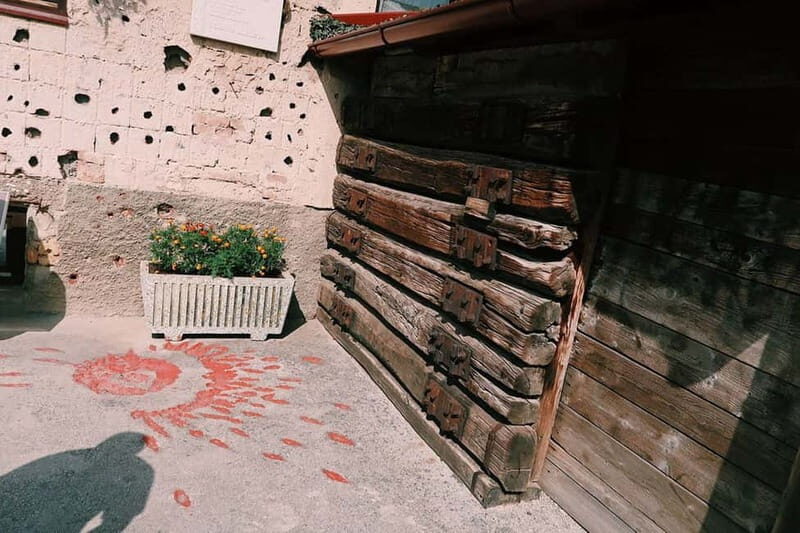
On the way to the Tunnel of Hope Museum, you’ll pass key locations and see how Sarajevo’s layout shapes everything. You’ll also pass sniper alley. Even if you’re not staring at a single “big monument,” the city itself becomes part of the lesson: angles, sightlines, and elevation start to matter.
Then you arrive at the museum entrance and the mark known as Sarajevo Rose. This is more than a photo stop. It sets a tone—this place remembers, and it’s designed to guide you into the story rather than just sell tickets.
Tip for you: bring the same mindset you’d use for a great lecture with a walk afterward. Look at what your guide points out before you go indoors. You’ll get more out of the museum because you’ve already seen the geography.
Inside the Tunnel of Hope Museum: short film, then a clear hour-long presentation
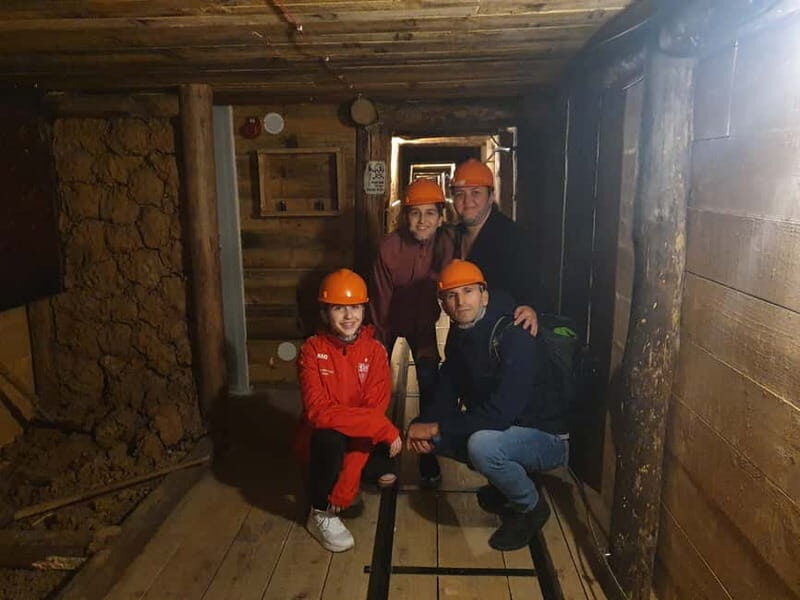
The Tunnel of Hope portion is structured to help you absorb a lot without feeling lost. After you settle in, you’ll watch a short movie, then a presentation runs for about an hour. It covers the fall of Yugoslavia and the war context across Slovenia, Croatia, Bosnia and Herzegovina, then explains how and why the tunnel became critical.
This is where the tour earns its price tag. The tunnel isn’t treated like a lone engineering marvel. You see it as an answer to siege conditions—movement when normal routes fail, and survival when the city is under pressure.
Also, you won’t be stuck in line for tickets if you’re using the tour’s entry. That small efficiency matters when you’re on a tight half-day schedule and you want to stay focused rather than wait.
What you might find, depending on your guide: the museum presentation can feel either too broad or perfectly targeted. In this tour, guides like Adnan and Mustafa are repeatedly praised for connecting world events to the local reality you’re standing in. That makes a difference if you want to understand the why, not only the what.
Trebević mountain: Osmice ruins and panoramic views tied to siege strategy
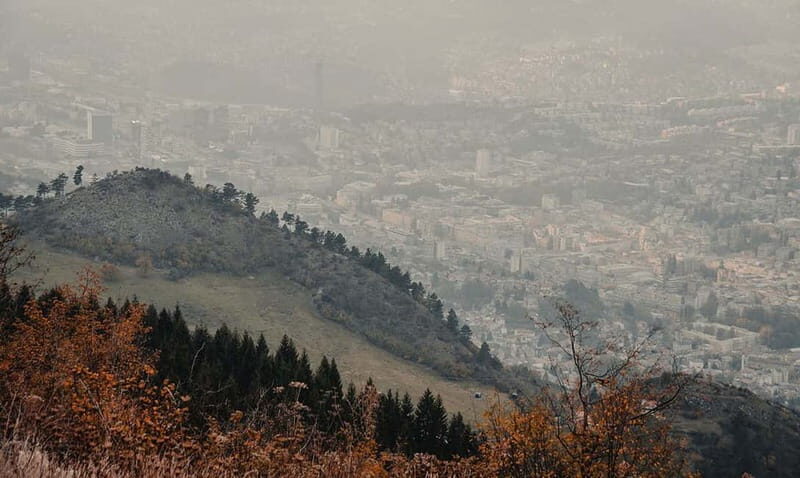
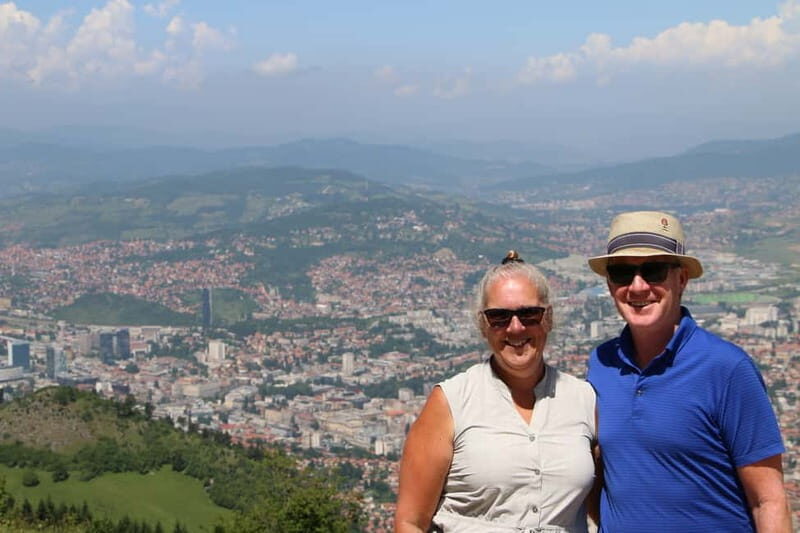
After the Tunnel of Hope, you head toward Trebević, the mountain closest to central Sarajevo. Trebević was part of the front line during the siege, and your route makes that fact tangible.
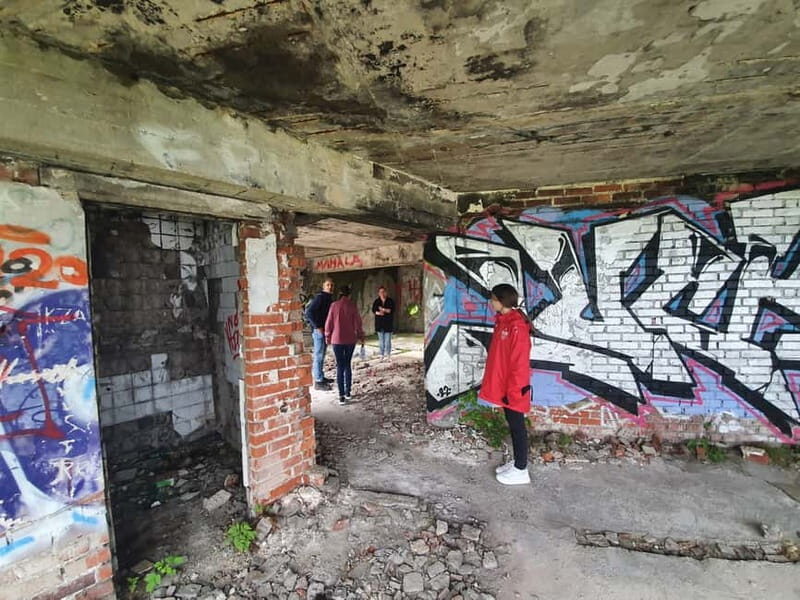
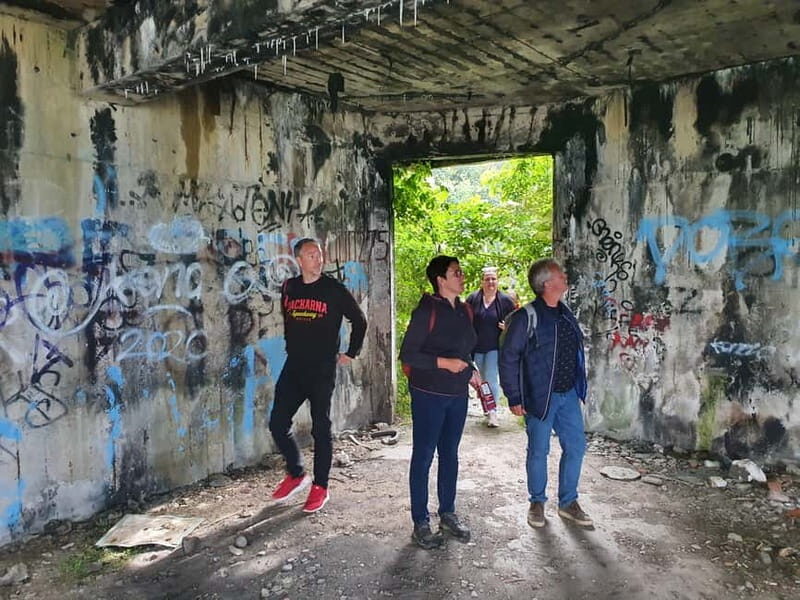
At the Trebević area, you get the chance to see and walk in the destroyed hotel-restaurant Osmice. That stop is one of the most powerful parts of the itinerary because you’re moving through space that once belonged to ordinary life. It’s not just an exterior ruin. You’re inside the remnants, and it changes how you picture the siege.
Then comes the panoramic viewpoints. From Trebević, you can see Sarajevo spread below. Your guide explains why these views were also the positions of the enemy army. This is the key lesson: control of the high ground wasn’t a theory. It shaped what people could see, how they could move, and how danger reached into everyday streets.
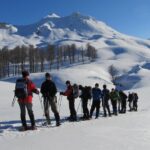
Practical note: the Trebević segment can be cold in winter and breezy outside in general. Wear layers you’re comfortable walking in, and plan for uneven ground around viewpoints.
Olympic bobsleigh and luge track: 1984 sports, now a war-shaped setting
One of the more surprising stops is the Sarajevo Olympic bobsleigh and luge track connection on Trebević. You’ll make a photo stop, then get a guided visit with some free time. This is a clever inclusion because it breaks the siege story into another layer: the city had a modern sporting identity before the conflict, and that same terrain becomes part of the siege reality.
The track itself is abandoned, and your guide helps you understand what you’re seeing by tying it back to the mountain’s strategic position. In a few places, you might even hear references to forests and the former track areas in a way that feels like you’re looking at the past with a new map in your head.
And yes, this stop is also a bit more fun in tone than the memorial-focused segments. That balance is important. Siege tours can become emotionally exhausting fast. Here, the bobsleigh and luge stops give your brain a breather while still staying grounded in context.
If you like scenic photo moments, you’ll appreciate the mix of views plus explanation. Just remember: even when the setting looks peaceful, your guide will steer you back to what it meant during the war.

Jewish cemetery with stećci-shaped tombstones and Yellow Fortress views
From Trebević, the tour moves back toward the old Ottoman part of the city.
One major stop is the Jewish cemetery that’s described as the second largest in Europe. It has distinctive shaped tombstones that you can find in Bosnia and Herzegovina in a way that’s not common elsewhere. A helpful part of the guide’s explanation is the connection between these shapes and medieval Bosnian tombstones known as stećci (Stecak). It’s an interesting cultural thread: different communities shaping identity through local forms.
Then you’ll head toward Yellow Fortress (also referred to as Yellow Bastion). This is another photo-and-guided-stop segment where your guide frames what you’re seeing within Sarajevo’s layered history. Ottoman-era and later influences overlap here, and the tour helps you notice how Sarajevo’s different eras still show up in the streets.
Why I think this combination works: you’re not only learning siege history. You’re learning that Sarajevo’s identity was—and still is—multicultural. It’s easier to understand why the siege mattered when you can also see what was being defended.
Shehidi cemetery and Alija Izetbegović: the end stop that lands with meaning
The final part of the tour takes you to the Shehidi (Martyr) cemetery. This is the resting place of soldiers who gave their life for independent Bosnia and Herzegovina. In the center of the cemetery lies the grave of the first Bosnian president, Alija Izetbegović.
This stop can feel like the emotional landing pad for the whole route. Earlier in the tour, you learn how the city survived physically, through the tunnel, the mountain terrain, and the geography of danger. Here, you see how Sarajevo remembers those losses and ties sacrifice to independence.
If you’ve been moved by the earlier stops like Osmice or the Tunnel of Hope, this final cemetery visit usually hits harder because it puts names and memory into a specific place you can stand quietly in.
Suggested approach for you: keep your pace slow here. Don’t try to “check it off.” Let the significance settle. This part of the itinerary is meant to do more than inform.
Price and value: what you’re paying for in a 4-hour tour
At $36 per person for a 4-hour tour, you’re not only paying for transport and a guided route. You’re paying for a guide who can explain siege history using real experience, plus a tight schedule that prevents wasted time.
Also note how museum entry works. The Tunnel of Hope entrance fee is listed as 10 EUR if that option is selected. If your booking includes it, you avoid the friction of figuring out ticket payments on the spot.
Here’s the practical value math as I’d see it:
- You get small-group touring (often more interaction, easier question time).
- You get a veteran or survivor guide (the firsthand perspective is the differentiator).
- You get a guided museum sequence (movie + a long presentation) plus multiple contextual stops.
- You’re not doing this on your own with confusing geography.
In short: if your goal is to understand Sarajevo beyond surface sightseeing, this is good value for the time you have.
Who should book this Sarajevo war tunnel tour
You’ll be happiest with this tour if you:
- want the Tunnel of Hope paired with siege geography and high-ground explanations
- care about firsthand context, especially from guides like Adnan, Mustafa, Samira, Adis, Halid, or Enes (these names have come up in the firsthand guide stories)
- want more than a museum stop, including Osmice ruins, a high-altitude viewpoint, and cemetery memorials
You might think twice if you:
- prefer light, casual sightseeing with minimal emotion
- don’t enjoy tours where the guide’s role is to frame painful history directly
- want mostly accessible, flat walking routes (there are outdoor viewpoints and some uneven terrain)
Should you book the Tunnel of Hope Yugoslavia War Tour?
I’d book it if you’re visiting Sarajevo for more than a day and you want your time to count. The best reason is simple: this tour doesn’t treat the tunnel as a standalone attraction. It shows you how Sarajevo’s geography and everyday life collided, and it does that with a guide who can speak from personal experience.
If you’re the type who likes your history grounded—where you can look at a mountain and understand why it mattered—this will feel worth every minute. Just come ready for a heavy but well-structured morning or afternoon, then use the rest of your day in the old town for the coffee and slow wandering your brain will likely crave.
FAQ
FAQ
How long is the Sarajevo Tunnel of Hope war tour?
The tour duration is 4 hours.
Is the tour guide speaking English?
Yes. The tour is in English unless another language is requested.
Where do I meet the group in Sarajevo?
The meeting point is the Info Bosnia Tourist Information Center on the main pedestrian street near the Sarajevo Meeting of Cultures mark.
Does the price include the Tunnel of Hope museum ticket?
Tunnel of Hope entrance is listed as 10 EUR if that option is selected. Your booking should clarify whether it’s included in your chosen option.
Is there pickup from my hotel?
Pickup is optional. If you select the private option, pickup and drop-off are included; otherwise you’ll meet at the meeting point.
What transportation is provided?
The tour includes an air-conditioned vehicle, and it’s organized as a small-group experience.
Can I cancel close to the tour date, and is there pay-later?
There is free cancellation up to 24 hours in advance for a full refund, and the tour offers a reserve now & pay later option.
You Might Also Enjoy

More Museum Experiences in Sarajevo
- Fall of Yugoslavia, Sarajevo War Tour with Tunnel of Hope Museum and Frontlines
★ 5.0 · 1,314 reviews

More Tours in Sarajevo
- Fall of Yugoslavia, Sarajevo War Tour with Tunnel of Hope Museum and Frontlines
★ 5.0 · 1,314 reviews
More Tour Reviews in Sarajevo
- Fall of Yugoslavia, Sarajevo War Tour with Tunnel of Hope Museum and Frontlines
★ 5.0 · 1,314 reviews