REVIEW · SARAJEVO
Sarajevo: A City Under Siege – War Tour With Tunnel Museum
Book on Viator →Operated by Tour Mage · Bookable on Viator
Sarajevo hits hard when you understand it in the places where it happened. This tour connects the city’s siege story to real locations, starting with the Tunnel of Hope and moving through other high-risk points and memorial spaces. I like that it doesn’t just show monuments; it shows how people survived, then how Sarajevo looks today.
Two things I especially like: the route is well organized for a 3–4 hour visit, with an English-speaking guide steering you from stop to stop; and the stops feel varied enough that you see more than one side of the siege. You’ll also get bottled water and travel by air-conditioned vehicle, which matters in warm months or when you’re walking between viewpoints.
One drawback to consider is the Tunnel Museum cost: the tour price is $40.81 per person, but the Tunnel Museum entrance fee is extra (listed as €10.50 per person). Also, because each site is timed tightly, you may want extra time in Sarajevo if you’re the type who likes to linger.
In This Review
- Key highlights you’ll care about
- Sarajevo’s siege story, told through real streets and real structures
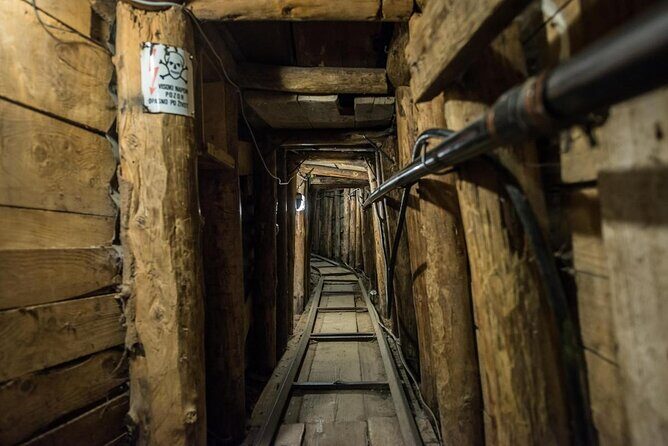
- Tunnel of Hope: where resistance turns into a place you can stand in
- Sniper Alley crossing: short time, heavy meaning
- Jewish Cemetery Sarajevo: a war-era sniper nest plus older roots
- Trebević Olympic bobsleigh and luge track: Winter Games to frontline reality
- Yellow Fortress viewpoint above City Hall: the emotional reset
- How the pacing works (and how to get more out of the 3–4 hours)
- Price and value: $40.81 plus the Tunnel Museum ticket
- The guide makes the difference: Edis and Elvis in the spotlight
- Who this Sarajevo tour suits best (and who may not)
- Should you book this Sarajevo War Tunnel tour?
- FAQ
- How long is the Sarajevo War Tour with the Tunnel Museum?
- What is included in the tour price?
- Is the Tunnel Museum entrance fee included?
- What places will we visit during the tour?
- Where does the tour start?
- Can I cancel and get a full refund?
Key highlights you’ll care about
- Tunnel of Hope first, so the siege story clicks immediately before you see the rest of the city’s frontline sites
- Sniper Alley is a focused stop, brief but intense, tied directly to crossing the most dangerous stretch
- The Jewish Cemetery Sarajevo stop connects war-era use as a sniper nest with its deep historical layers
- Trebević’s Olympic bobsleigh and luge track shows how a Winter Olympics site ended up on the frontline
- The tour ends with a short but memorable panoramic view from the Yellow Fortress
- Group size is small (max 15), which usually means more questions and better conversation with your guide
Sarajevo’s siege story, told through real streets and real structures
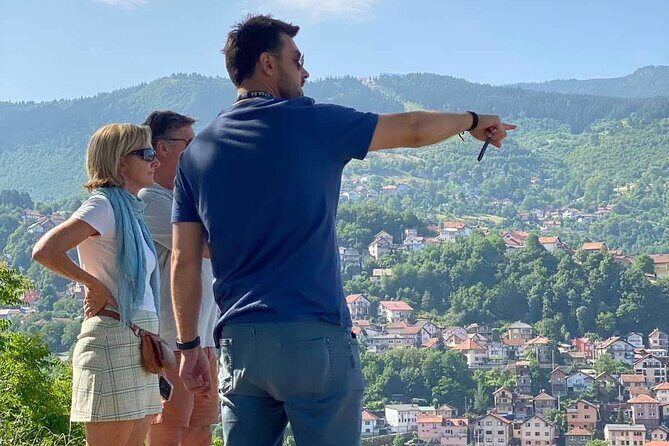
If you only read about Sarajevo’s siege, the details stay abstract. When you walk the edges of where danger concentrated, the story becomes physical—straighter, sharper, harder to ignore. This tour is built around that idea: you move from the tunnel itself to other locations that carried frontline tension, then finish with viewpoints that let you see the city beyond the war.
I also like how the tour keeps a clear emotional rhythm. It starts with survival and resistance, then shifts into the most dangerous crossing zones and hidden military uses of everyday spaces. By the end, you get a calmer moment looking out over the city, which helps you process what you just learned.
Because the route is designed for a half-day experience (around 3–4 hours), it’s a good fit when you want depth without eating your whole day. You’re not stuck in a van for hours either; the timing gives you real time at the major points.
You can also read our reviews of more city tours in Sarajevo



Tunnel of Hope: where resistance turns into a place you can stand in
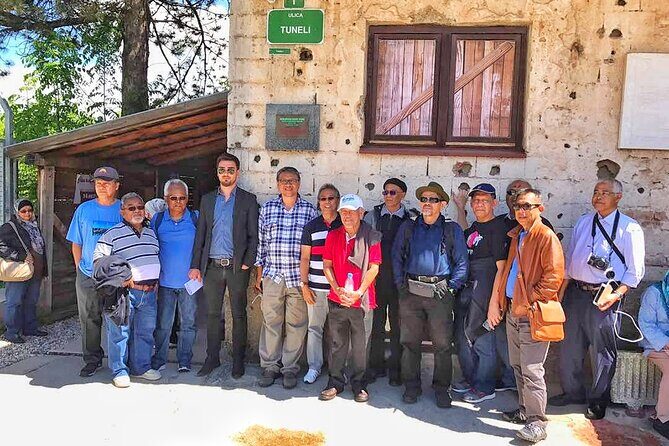
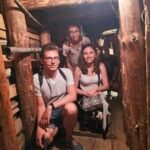
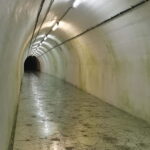
The tour’s center is the Sarajevo War Tunnel, also called the Tunnel of Hope. You’ll have about 1 hour at this stop, and it’s the one entrance where you should plan for extra spending: the Tunnel Museum ticket isn’t included, listed at €10.50 per person.
This stop matters because it changes how you understand everything else. Once you grasp how people moved, communicated, and tried to keep living under siege conditions, the rest of the city’s war geography starts making sense. You’re not just seeing places that were affected—you’re connecting them to a strategy of survival.
Practical note: because the Tunnel Museum entry is separate, I recommend you treat this as a two-step experience. First, arrive ready to learn; second, budget for the museum ticket so you don’t end up scrambling on the day.
Also, you’ll likely feel a shift in pace when you step into a place so tied to survival. It’s worth going in with a respectful mindset. This tour isn’t about horror for its own sake; it’s about understanding how resilience worked under extreme pressure.
Sniper Alley crossing: short time, heavy meaning
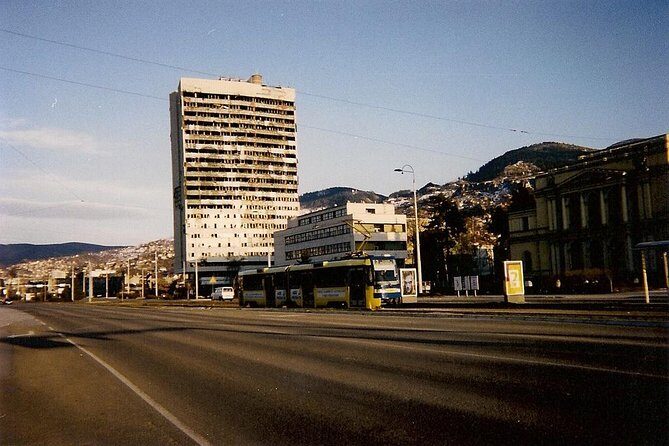
After the tunnel, the tour moves to Sniper Alley, described as the most dangerous area to cross during the siege of Sarajevo. The stop is about 30 minutes, and that brevity is intentional.
This part of the experience is valuable because it explains fear in a way that connects to action. Siege history can be written like a timeline, but places like this turn it into a daily reality: where you risked moving, where visibility mattered, and how the city became a map of threats.
A possible consideration here is emotional heaviness. If you’re sensitive to war-related content, you may feel it more at this stage because it’s directly tied to crossing and immediate danger. Still, the short visit helps you take it in without drowning in details you weren’t ready for.
Jewish Cemetery Sarajevo: a war-era sniper nest plus older roots
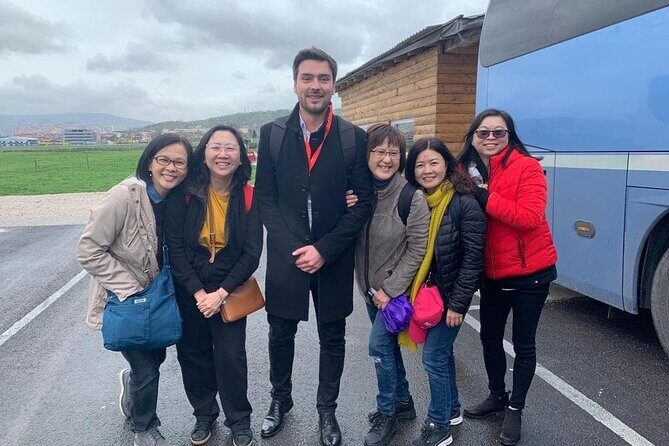
Next up is Jewish Cemetery Sarajevo, another 30-minute stop. It’s described as a sniper nest during the Bosnian war, but it’s also one of the oldest Jewish cemeteries in south eastern Europe.
That combination is powerful because it refuses to treat the cemetery as only a war artifact. It’s both a historical memory space and a reminder of how conflict can reach into places meant for mourning and continuity.
I like that the tour doesn’t flatten the site into a single story. When you hear both layers—its older background and its role in the war—you get a fuller view of why places survive even when the city around them changes.
Because cemeteries often invite quiet, I recommend treating this as a slower moment even if the stop is brief. If you’re taking photos, keep it respectful and follow any onsite guidance.
Trebević Olympic bobsleigh and luge track: Winter Games to frontline reality
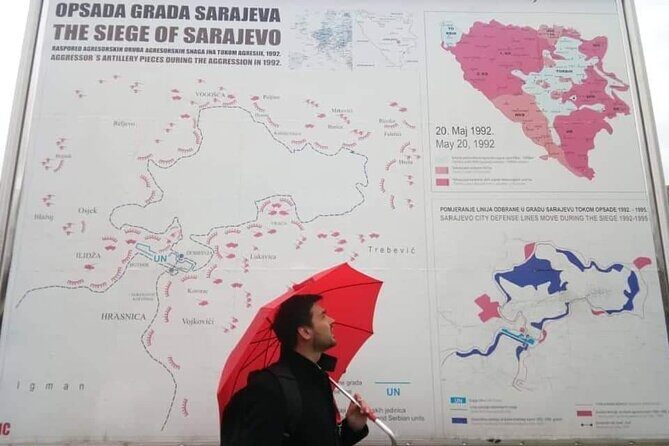
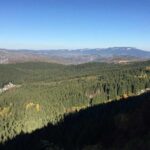
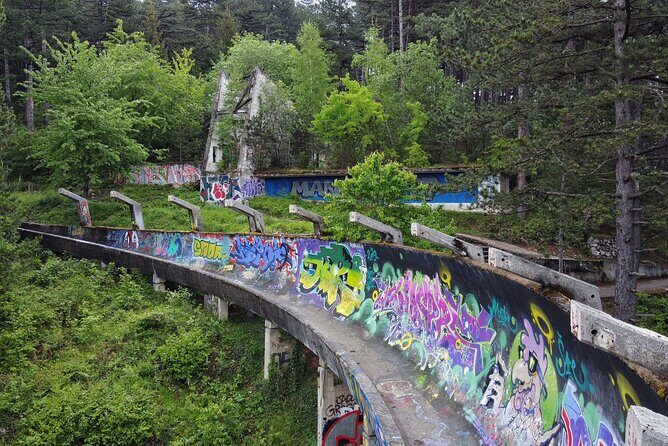
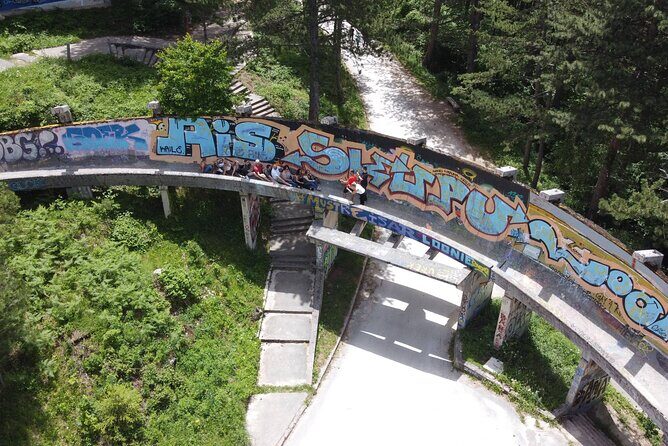
One of the most interesting pivots on this tour is the move to the Sarajevo Olympic Bobsleigh and Luge Track on mountain Trebević, about 1 hour. The site is tied to Winter Olympics ’84 and is described as abandoned today, located just above the Old Town on the frontline, with graffiti painted over the older structures.
I find this kind of stop especially meaningful for travelers. It shows that war doesn’t only destroy what’s already fragile—it can take established landmarks and repurpose them through proximity to conflict. You’re looking at sports infrastructure, but you’re also seeing how the war line shaped what people could use and what they abandoned.
The graffiti detail is also worth noting. It gives you a sense of ongoing city life layered over history. Just be aware: because the tour is time-limited, you may not have the luxury of wandering the entire site slowly. If you’re the type who loves long photo walks, plan a little extra time in Sarajevo on your own after the tour.
You can also read our reviews of more museum experiences in Sarajevo
- Fall of Yugoslavia, Sarajevo War Tour with Tunnel of Hope Museum and Frontlines
★ 5.0 · 1,314 reviews

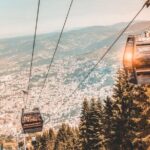

Yellow Fortress viewpoint above City Hall: the emotional reset
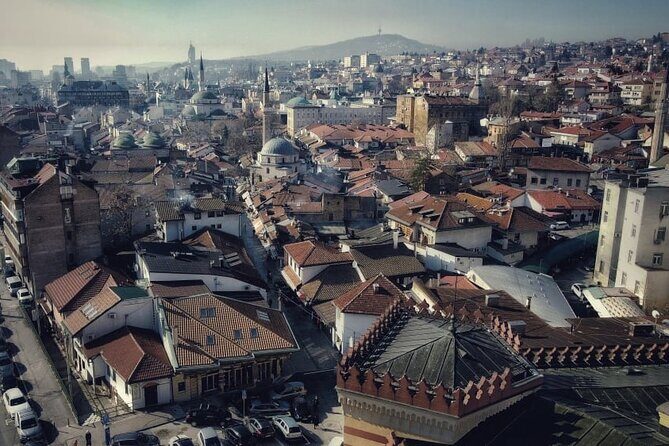
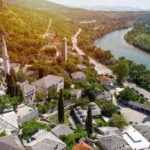
The final stop is the Yellow Fortress, listed as the most beautiful panoramic spot and located right above City Hall. You’ll spend about 15 minutes here, which might seem short, but panoramas work better when they act like a mental exhale.
This is a good place to let your brain do two things at once: remember what you just learned about danger and survival, then look at the city functioning beyond that period. Standing above the city center gives you a sense of scale, and it helps you connect the earlier stops to a broader map of Sarajevo.
I like short viewpoint finishes because they prevent the tour from ending on the darkest information. You leave with a visual anchor, not just facts.
How the pacing works (and how to get more out of the 3–4 hours)
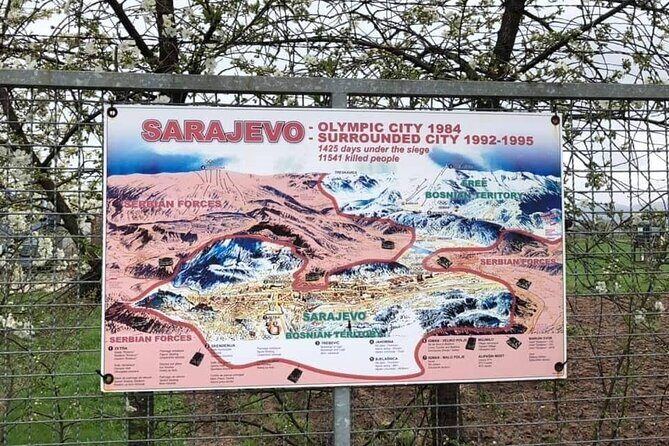
The tour’s format is built around efficiency. You’ll be in an air-conditioned vehicle between points and you’ll get bottled water, which keeps the experience comfortable even when the weather shifts. The walking time is spread out across several short visits, including two 30-minute stops and one 1-hour tunnel visit.
Because the group is capped at 15, the guide can usually respond to questions without the whole schedule turning into chaos. I also like that the tour uses an English-speaking guide, so you’re not stuck relying on phone translation while key details pass you by.
A small but important strategy: start the tour with one question in mind, like how the city’s geography shaped survival. When the guide explains the tunnel and then connects that to sniper positions and frontline routes, you’ll be able to track the logic instead of just collecting names.
If you’re traveling during a heat wave or in cold rain, dress for quick transitions. The itinerary doesn’t give you huge downtime, so you’ll want comfortable layers and shoes that work well on uneven surfaces.
Price and value: $40.81 plus the Tunnel Museum ticket
At $40.81 per person, this tour is priced like a mid-range cultural experience that focuses on guided interpretation rather than only entry tickets. What you’re paying for is the tight, narrative route with transport, water, and an English-speaking guide.
The one major add-on is the Tunnel Museum entrance fee, listed at €10.50 per person. So the all-in cost is higher than the headline price, but it’s also the tour’s most central stop. In other words, you’re not paying extra for a random detour; you’re paying extra to go deeper where the story starts.
Tips aren’t included, so if you like to reward guides for strong explanations, budget a little for that. And because the tour runs around 3–4 hours, it’s a practical option for travelers who want a guided war-history experience without booking an entire day.
The guide makes the difference: Edis and Elvis in the spotlight
War tours rise or fall on interpretation. The best ones explain what you’re looking at and also help you understand what it must have felt like, without getting theatrical.
This tour has a track record for solid guiding. In feedback, Edis and Elvis come up as standout guides for being able to explain clearly while keeping the tone human. That kind of guidance matters at the Tunnel of Hope stop, where details can overwhelm you if nobody puts them in context.
If you care about accuracy and good pacing, this is the kind of tour where your guide’s storytelling isn’t an accessory. It’s part of the experience.
Who this Sarajevo tour suits best (and who may not)
This experience fits best if you want more than surface-level sights and you’re ready to handle heavy subject matter. It’s especially good for:
- Travelers who like guided context and want a logical flow through the city
- People who want a focused siege overview in a half-day window
- Anyone who appreciates how places can carry multiple layers, like the cemetery’s war role plus its older Jewish history
You might want to think twice if:
- You prefer lighter, strictly sightseeing tours and get uncomfortable with war-related locations
- You dislike extra ticket add-ons, since the Tunnel Museum entrance fee is not included
- You want long free time at a museum, because the tunnel stop is timed at about an hour
Should you book this Sarajevo War Tunnel tour?
I think it’s a strong booking when your priorities are guided understanding and a route that takes you to the places tied to the siege story. The combination of the Tunnel of Hope, Sniper Alley, the Jewish Cemetery, and the Trebević Olympic track gives you a balanced view: survival, danger, memory, and how the war changed everything around recognizable landmarks.
My final check before you book is simple: confirm you’re okay with the emotional weight and the extra Tunnel Museum ticket. If that works for you, this is the kind of tour that helps Sarajevo make sense fast, while still leaving you with an honest sense of what happened.
FAQ
How long is the Sarajevo War Tour with the Tunnel Museum?
It lasts about 3 to 4 hours.
What is included in the tour price?
The tour includes an air-conditioned vehicle, bottled water, and an English-speaking guide.
Is the Tunnel Museum entrance fee included?
No. Entrance to the Tunnel Museum is listed separately at €10.50 per person.
What places will we visit during the tour?
You’ll visit the Sarajevo War Tunnel (Tunnel of Hope), Sniper Alley, the Jewish Cemetery Sarajevo, the Sarajevo Olympic Bobsleigh and Luge Track on Trebević, and the Yellow Fortress viewpoint.
Where does the tour start?
It starts at House of Spite at Veliki Alifakovac 1, Sarajevo 71000, Bosnia and Herzegovina, and it ends back at the meeting point.
Can I cancel and get a full refund?
Yes, you can cancel for a full refund up to 24 hours before the experience starts.
You Might Also Enjoy
More City Tours in Sarajevo

More Tours in Sarajevo
- Fall of Yugoslavia, Sarajevo War Tour with Tunnel of Hope Museum and Frontlines
★ 5.0 · 1,314 reviews
More Tour Reviews in Sarajevo
- Fall of Yugoslavia, Sarajevo War Tour with Tunnel of Hope Museum and Frontlines
★ 5.0 · 1,314 reviews