REVIEW · SARAJEVO
Sarajevo Full Day Tour: History, Culture, Nature, War & Olympics
Book on Viator →Operated by Tour Mage · Bookable on Viator
One day in Sarajevo can feel like three. This full-day tour strings together nature, war history, religion, and the 1984 Olympics—then ends in the Old Town so you can connect the dots fast. You’ll see how empires and faiths shaped the streets, and why the siege still hangs over the city’s views.
I especially like the hotel pickup and the fact you’re not doing logistics all day. I also like that it’s a small group (max 15), so your guide can slow down when you have questions—especially on the war parts. Lunch, bottled water, and even Bosnian coffee are included, so you’re not constantly hunting menus.
One thing to consider: the schedule is full. Some sights have entrance fees included (like the Tunnel Museum and Vrelo Bosne), but a few major interiors are not included, like Sarajevo City Hall and a couple of museums/places of worship—so plan a little extra if you want to go inside.
In This Review
- Key highlights worth your time
- The day starts in green: Vrelo Bosne and why the river matters
- Wartime Sarajevo: War Tunnel, Sniper Alley, and Jewish cemetery details
- The Olympic relics stop: bobsleigh and luge under wartime shadows
- Yellow Fortress and the photo moment that makes the day click
- Old Town walking: Bascarsija, Sebilj, Kazandžiluk, and the clock tower
- Ottoman and interfaith Sarajevo: Morica Han coffee and Bezistan market life
- Churches, mosques, and Jewish heritage stops: what’s included vs inside
- Lunch and timing: why the day can feel packed
- Price and value: what you actually get for $114.45
- Who this tour fits best
- Should you book this Sarajevo full-day tour?
- FAQ
- How long is the Sarajevo full-day tour?
- What time does the tour start?
- Is hotel pickup included?
- What’s included in the price?
- Are all entrances included?
- Is this tour limited to small groups?
- What languages is the tour offered in?
- What if the weather is poor?
Key highlights worth your time
- Bosna River Springs (Vrelo Bosne) first: a quick reset in nature and the place that gave Bosnia its name
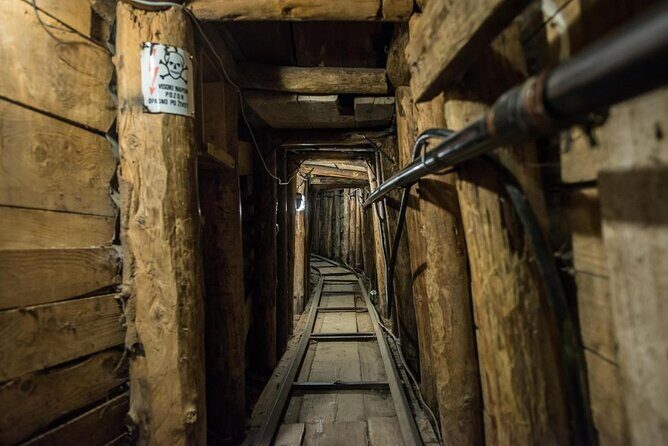
- Tunnel of Hope / War Tunnel: siege of Sarajevo explained with human stories
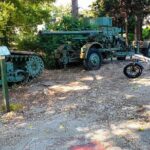
- 1984 Olympic track ruins: bobsleigh and luge facilities with wartime context
- Big panoramic stops like Yellow Fortress for real city-overlook photos
- Old Town walking core: Bascarsija, Sebilj, Kazandžiluk, and clock tower details
- Morica Han coffee break in an Ottoman-era caravanserai setting
The day starts in green: Vrelo Bosne and why the river matters
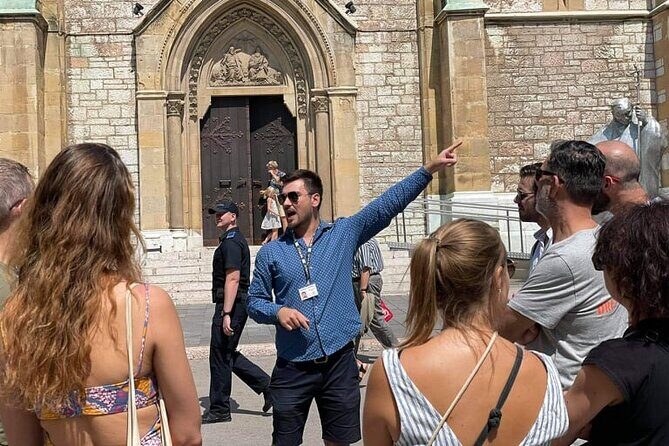
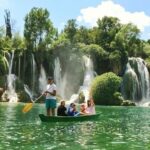
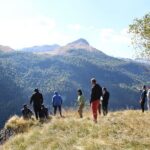
You begin at 9:00 am with pickup from your hotel (or a central location). From there, you head straight to Vrelo Bosne, Bosna River Springs. This is the city’s main park area, and it’s treated as a “must see” because the river is tied to the name Bosnia itself. It’s a smart start, too. Instead of going from the airport-to-museums grind, you get a green, calm place where the city’s setting makes sense.
Expect about 40 minutes here. That’s enough time to walk a bit, stretch your legs, and grab a breather before the day turns heavy.
Tip: wear shoes you can move in. Even early, you’ll still be on and off vehicles and walking between viewpoints and entrances.
You can also read our reviews of more historical tours in Sarajevo
Wartime Sarajevo: War Tunnel, Sniper Alley, and Jewish cemetery details
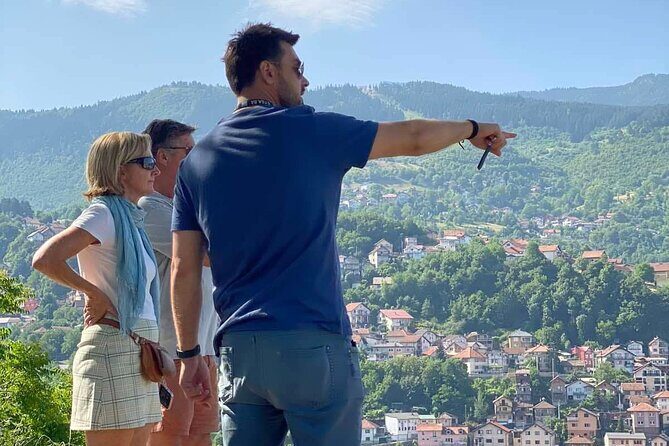
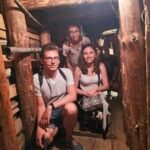
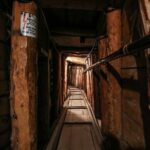
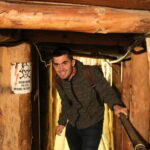
The heart of the tour is how Sarajevo experienced the siege. First stop for this theme is the Sarajevo War Tunnel and its museum, often called the Tunnel of Hope experience. You’ll spend about 40 minutes here with the entrance fee included.
What makes this stop land is the way guides connect the dates to everyday life. On recent departures, guides such as Ahmed, Enes, Edis, and Adnan have shared personal family stories from childhood during the siege, and that turns the history into something you can picture—not just facts on a wall. It’s also where your guide explains how this war shaped the city since the Dayton Agreement.
Then the tour keeps building the war map through the Old Town area. Sniper Alley is next, with about 1 hour here. You’ll see the war hotel area, hear about the idea of Bosnian Rome, and stand near Juliette Bridge. The guide also talks about UN forces, journalists, and helpers who supported Sarajevo through the siege. You’re not just “looking.” You’re being given a guide’s timeline so the city’s landmarks have sharper meaning.
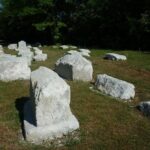
Also watch for the stop at the Jewish Cemetery Sarajevo, about 30 minutes. This includes a discussion of the site as a snipers nest, which is one reason the tour doesn’t rush. It asks you to slow down in places where details matter.
Important tone note: this is emotionally serious material. If you prefer your travel history lighter, you can still enjoy the day, but this route is designed so the war pieces are not optional.
The Olympic relics stop: bobsleigh and luge under wartime shadows
After the tunnel, you head to the Sarajevo Olympic Bobsleigh and Luge Track. This is one of those stops that sounds almost random until you connect it to Sarajevo’s later history.
You’ll have about 40 minutes. The track facilities from the 1984 Winter Olympics are now abandoned, and the tour frames them as being on the front line during the war. That contrast—sport infrastructure turned into wartime geography—adds a layer most city walks miss.
A bonus here is variety. After the museum and the siege stories, your guide can switch from heavy explanation to something more visual: structures, remains, and the way the city used its hills and access routes.
Yellow Fortress and the photo moment that makes the day click
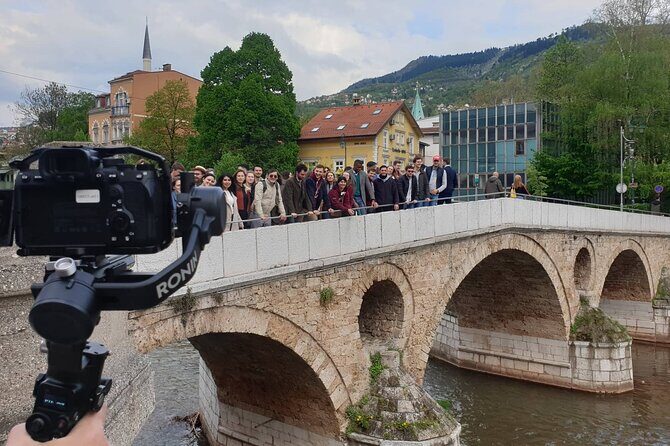
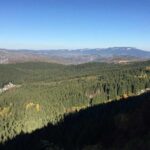
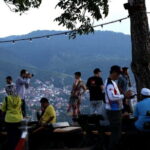
Next up is a panoramic lookout: Yellow Fortress. You get around 30 minutes here, and entry is free.
This stop is the “okay, I get it now” part of the tour. Once you’ve heard about the siege and seen parts of the old city, the overlook helps you understand why Sarajevo’s layout mattered. From up here, landmarks in the distance start lining up in your head.
Bring your camera. If you’ve been in dense streets for a while, the open viewpoint feels like a reward that also improves your photos.
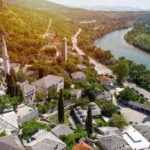
Old Town walking: Bascarsija, Sebilj, Kazandžiluk, and the clock tower
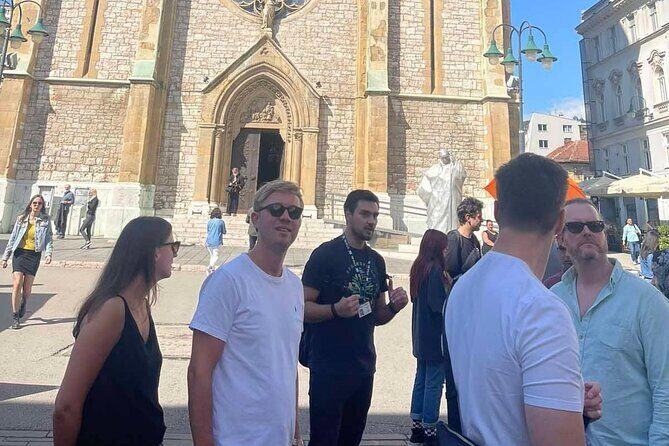
Then the tour leans hard into the street-level Sarajevo.
You’ll visit Kazandžiluk, the copper smith street in the Old Town. It’s short—about 10 minutes—but it’s a good pause from the larger monuments. Think craft street energy: small textures, traditional trade identity, and the kind of atmosphere that makes Bascarsija feel like a living place instead of a museum district.
Right after that you’ll reach Bascarsija and the landmark square area with Sebilj. Another 10 minutes at this main trading and information hub. Even in a short time, it works because your guide is giving you context as you walk. You learn where the city’s “heart” sits and how the trading lanes fed everyday life.
You also stop at the Old Sarajevo Clock Tower, which shows lunar time. It’s only 5 minutes, and honestly that short hit is perfect. You get a quirky detail without losing the day to a long wait.
A few more Sarajevo tours and experiences worth a look
Ottoman and interfaith Sarajevo: Morica Han coffee and Bezistan market life
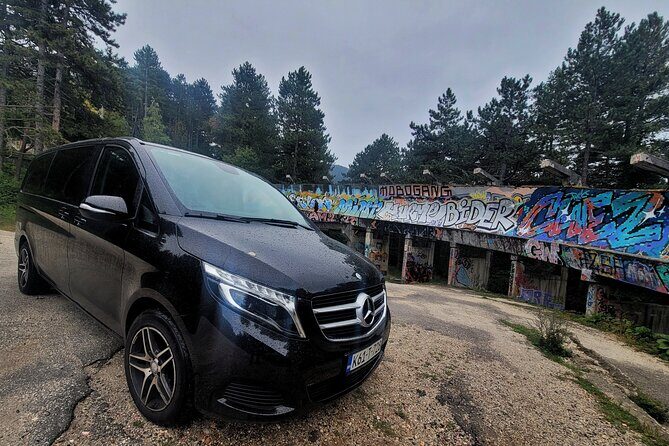
One of my favorite low-pressure moments is the coffee stop. You’ll go to Morica Han (about 20 minutes). This is an Ottoman-era caravan saray—basically a historical kind of travelers’ hotel—now used as a calm place in the Old Town. The tour includes Bosnian coffee here, so you can actually sit for a minute.
If you’re the type who walks too fast through cities, this pause helps you reset and enjoy the scene. It’s also a nice change from war-focused stops, which can wear down your attention.
Then you’ll see Gazi-Husrev-beg’s Bezistan, the covered Ottoman market. It’s about 10 minutes, and entry is free. Covered markets always feel like time travel, but here you’ll understand why it matters: it’s one of the places where Sarajevo’s mixed cultures weren’t theoretical. They were economic. People needed goods. People met. People kept going.
Churches, mosques, and Jewish heritage stops: what’s included vs inside
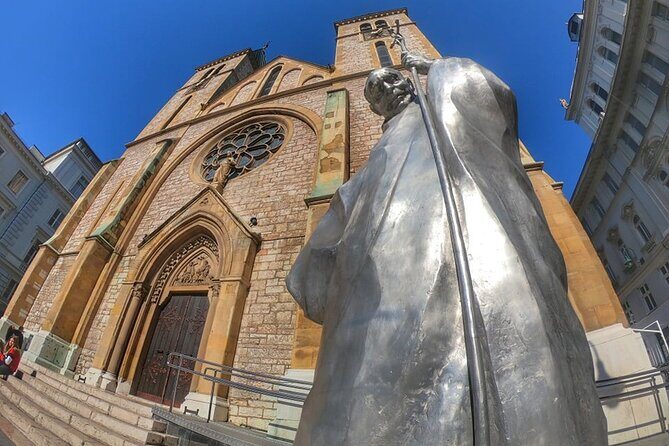
The tour includes several important faith sites. Some are quick exterior stops, some have details your guide will explain, and a few have optional interior entrances.
You’ll pass Gazi Husrev-beg Mosque, described as the largest mosque in the Old Town and tied to the story of Gazi Hurevbey (the tour notes he invested all he had in the town). The visit time is about 10 minutes, but the interior entrance is not included.
Next, you’ll see the Latin Bridge (about 15 minutes). This is the assassination location that triggered World War I. It’s a short stop, but it connects Sarajevo to European history in a way that helps you see why the city drew so much attention.
You’ll also stop at Katedrala Srca Isusova (Catholic Cathedral) for about 10 minutes, with admission marked free. The tour also includes a stop at a Serbian Orthodox Cathedral (about 10 minutes, and admission is marked free in the tour listing data).
On the Jewish heritage side, you’ll visit the Jewish Cemetery (already covered) and also stop at the Jewish Museum of Bosnia and Herzegovina (about 15 minutes), where admission is not included.
Practical note: if you strongly care about going inside buildings, you’ll want to budget a bit. The tour includes some key entrance fees (War Tunnel and Vrelo Bosne), but not all interiors are part of the package.
Lunch and timing: why the day can feel packed
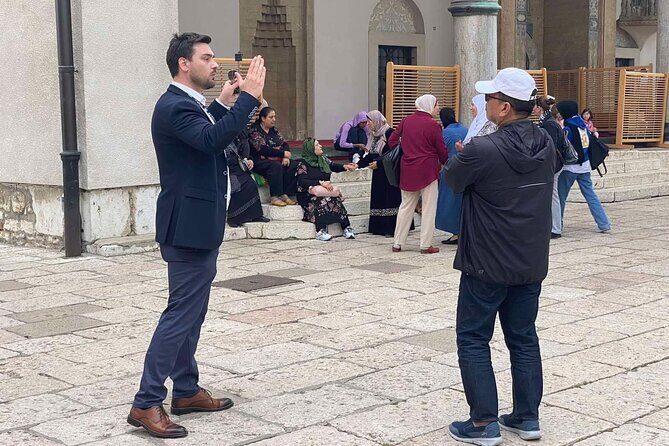
Lunch is included, and so are bottled water and guide service. That’s a real value piece because it protects your time. You don’t spend half the afternoon searching for food.
Still, this is a long day—6 to 7 hours total with about 16 stops, including several viewpoints and walking segments. In other words: you’ll likely feel the “tour-day rhythm” even if you’re not tired easily.
One good way to handle it: keep your expectations realistic. This is not a slow museum day. It’s a curated circuit. If your energy dips, tell your guide. A good guide will adjust pacing where they can.
Also, expect that the exact lunch timing can affect how you feel late in the day. If you’re sensitive to hunger, you’ll appreciate the included meal, but you may still want a small personal snack just in case—especially if you prefer not to wait between stops.
Price and value: what you actually get for $114.45
At $114.45 per person for a 6–7 hour small-group tour, the price is mostly about structure and saved effort.
Here’s what you’re getting that has real cost behind it:
- Hotel pickup
- Air-conditioned vehicle
- Tour guide
- Entrance fees included for Vrelo Bosne and the Tunnel Museum
- Lunch
- Bosnian coffee
- Bottled water
That mix matters. Many city tours sell you “transport and a few viewpoints.” This one also buys you paid entry into the two biggest-ticket experiences in the day. So you’re paying for fewer unknowns.
Group size also plays into value. With a max of 15 people, you’re more likely to get clear answers rather than just hearing a script.
My one caution on value: since some interiors are not included, your total spend at the destination can creep up if you want to go inside every place. But if you’re okay with exterior viewing and the main paid sites, the package still feels solid.
Who this tour fits best
I’d book this if:
- You want a first-day overview so the city makes sense when you explore on your own later.
- You care about how history, religion, and city geography connect.
- You like a guide who can explain Sarajevo beyond a brochure-style summary. On recent days, guides including Elvis, Enes, Ahmed, Edis, Adnan, and Alan have stood out for mixing facts with personal perspective and answering questions with patience.
I would not choose it if:
- You want a purely relaxing nature day with no heavy war content.
- You hate walking or prefer long museum time per stop. This tour keeps moving.
Should you book this Sarajevo full-day tour?
If you want to understand Sarajevo fast, this is a strong pick. The Tunnel of Hope / War Tunnel stop and the war-grounding along Sniper Alley give you a foundation, and then the Old Town circuit brings you back to the city’s day-to-day identity. Add the Olympic track ruins and the Vrelo Bosne start, and you get a day that feels like a full city portrait, not a checklist.
Book it if you’re okay with a packed schedule and you’re ready to treat history as part of the landscape of where you’re standing. If you’re the type who wants plenty of optional indoor time, budget extra for the stops marked as not included.
If the weather turns bad, the tour notes the experience requires good conditions and will offer a different date or a full refund. So don’t stress too much—plan, pack comfy shoes, and pick a departure day when you’ll enjoy those viewpoint moments.
FAQ
How long is the Sarajevo full-day tour?
It runs about 6 to 7 hours.
What time does the tour start?
The start time is 9:00 am.
Is hotel pickup included?
Yes. Pickup is offered from your hotel lobby or another location in Sarajevo.
What’s included in the price?
The tour includes air-conditioned vehicle, bottled water, the tour guide, entrance fees for the Tunnel Museum and Vrelo Bosne, Bosnian coffee, lunch, and hotel pickup.
Are all entrances included?
No. Entrance fees are included for the Tunnel Museum and Vrelo Bosne, while some interiors such as Sarajevo City Hall, Gazi Husrev-beg Mosque, and the Jewish Museum of Bosnia and Herzegovina are not included.
Is this tour limited to small groups?
Yes. The maximum group size is 15 travelers.
What languages is the tour offered in?
It’s offered in English.
What if the weather is poor?
The experience requires good weather, and if it’s canceled due to poor weather, you’ll be offered a different date or a full refund.
You Might Also Enjoy
More Historical Tours in Sarajevo

More Tours in Sarajevo
- Fall of Yugoslavia, Sarajevo War Tour with Tunnel of Hope Museum and Frontlines
★ 5.0 · 1,314 reviews

More Tour Reviews in Sarajevo
- Fall of Yugoslavia, Sarajevo War Tour with Tunnel of Hope Museum and Frontlines
★ 5.0 · 1,314 reviews