REVIEW · SARAJEVO
Urban Hiking city tour through Sarajevo
Book on Viator →Operated by .Cheyf · Bookable on Viator
Sarajevo climbs fast, and history rides along. This urban hiking city tour threads together pedestrian streets, old neighborhood names you’ll remember, and hillside views that explain why Sarajevo matters. You start right by Sacred Heart Cathedral and end with a proper Bosnian lunch, so your day has both walking purpose and real fuel.
What I like most is the route itself: you move through mahalas like Mejtaš and the Ottoman-era layers you usually miss when you only stick to the center. I also love the mix of themes in one half-day—cathedral-front orientation, Jewish-quarter stories, dervish-monastery surprises, and then the heavy-but-important siege memory from the hills.
The main drawback to plan for is physical effort. You’re climbing parts of the city (including longer uphill stretches), and the experience requires good weather—so if you’re sensitive to slopes or rain, bring the right shoes and have a rain plan.
In This Review
- Key things to know before you go
- From Sacred Heart Cathedral to Ferhadija Pedestrian Street
- Ferhadija’s quick context: where the rest of Sarajevo starts to click
- Mejtaš and Sarajevo’s old Jewish quarter: the Mahalas story in one walk
- Vrbanjuša and the hillside dervish monastery: faiths in the same frame
- Grdonj ascent and the change from urban to rural
- Vidikovac Špicasta stijena: trenches, siege memory, and heavy views
- Restoran 7 šuma Minjo: the lunch that makes the hike worth it
- What the hike feels like (and who it’s for)
- English guiding, mobile tickets, and small-group value
- Should you book this Sarajevo urban hike?
- FAQ
- How long is the Sarajevo urban hiking city tour?
- What language is the tour offered in?
- What does the price include?
- Where does the tour start and where does it end?
- What time does the tour begin?
- How many people are in the group?
Key things to know before you go
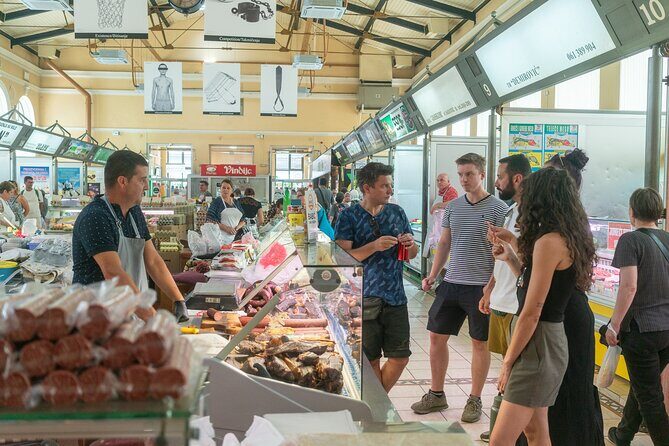
- Small group size (max 8) keeps it chatty and question-friendly, not a cattle-line stroll.
- Timings are built for views: the longer uphill stretches are where the panoramas show up.
- Mejtaš, Vrbanjuša, Grdonj, and Vidikovac Špicasta stijena each shift the story and the scenery.
- Ticket-free stops mean you’re paying for the guiding and the route, not museum fees.
- Lunch at Restoran 7 šuma Minjo turns the hike into a full-day feeling, even though it’s only half a day.
- Guides like Numa and Kathi show up in people’s write-ups as friendly, flexible, and tuned to what you care about.
From Sacred Heart Cathedral to Ferhadija Pedestrian Street
Your morning starts at Sacred Heart Cathedral (Trg Fra Grge Martića 2) at 9:30 am. That’s a smart place to begin because it gives you a clean mental map: you’re in central Sarajevo, and you can feel how the city spreads uphill from the core.
From there, you walk to Ferhadija Pedestrian Street, the kind of place where you can almost hear multiple centuries talking at once. Your guide’s first “history download” is meant to get you oriented quickly—how empires and religions shaped what you see, and why Sarajevo gets the nickname Jerusalem of the Balkans. It’s not an exam or a lecture. It’s a primer so the rest of the route makes sense.
Practical tip: bring your phone and check your battery. You’ll be stopping often, and street details matter here—doorways, facades, street layout, the way paths funnel you up toward the hills.
You can also read our reviews of more city tours in Sarajevo



Ferhadija’s quick context: where the rest of Sarajevo starts to click
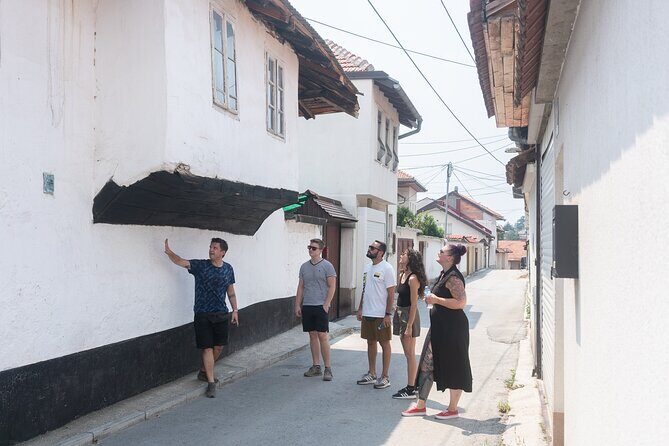
Ferhadija is also a good test of how the tour will feel. If you like walking while learning, you’ll be in good shape. If you hate moving and prefer slow sightseeing, you might find the pace brisk early on—but the stops are short at this stage, so you won’t be stuck for long.
A positive point is that you’re not just hearing about the past. The guide connects the architecture and neighborhood names to lived geography: how Sarajevo’s hills shape neighborhoods, and why certain stories make sense when you’re actually climbing toward the viewpoints later.
Mejtaš and Sarajevo’s old Jewish quarter: the Mahalas story in one walk
Next up is Mejtaš, where you step into the mahalas—Sarajevo’s older Ottoman neighborhoods. This is one of the best parts of the tour because the atmosphere changes fast. You’re out of the “big street” feel and into lanes and hillside-adjacent streets where everyday life looks closer to how it must have felt for generations.
The highlight here is the historic Jewish quarter and the Sephardic roots people associate with Sarajevo. You get stories about how cultures blended and how neighborhoods held more than one identity at the same time. It’s a useful way to understand Sarajevo beyond the obvious icons. You’re seeing how a city can be layered without being chaotic.
If you care about architecture, this is where you’ll notice traditional Bosnian domestic details—things like family-house scale and the relationship between street, yard, and climb. Those details are easy to walk past alone, but with guidance, they become clues.
Possible consideration: the walk is described as urban hiking, not “flat city stroll.” So be ready for uneven surfaces and small transitions in slope as you head toward the next hillside stop.
Vrbanjuša and the hillside dervish monastery: faiths in the same frame
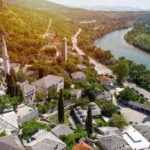
Then comes Vrbanjuša, another jump in both setting and story. This is where you start spotting traces of Ottoman Sarajevo hiding in plain sight—like an old dervish monastery tucked into the hillside.
What I like about this stop is the way the guide frames overlap. The point isn’t to reduce everything to one shared identity. It’s to show how different faiths and cultures coexisted in spaces that were close enough to influence one another. When you’re standing somewhere on a slope and looking at how the built environment wraps the hillside, that idea lands harder than it would from a postcard.
This stop is also timed to keep you from rushing. You’ll have enough time to look around, ask questions, and settle into the hillside mood before the longer climb toward viewpoints.
Grdonj ascent and the change from urban to rural
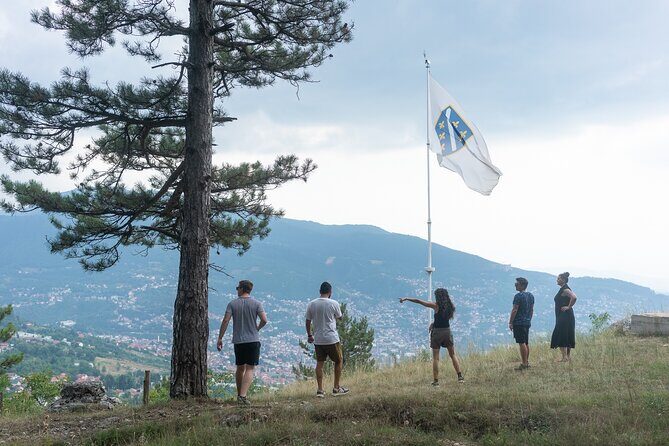
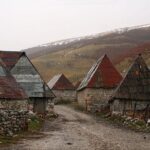
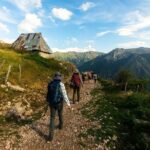
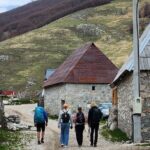
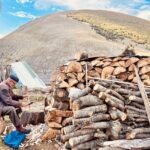
As you head to Grdonj, you’ll feel the city loosen its grip. The vibe shifts from dense streets into something closer to edge-of-town hillside living. The tour description mentions makeshift gardens and even the possibility of chicken or sheep—so keep an eye out. Whether you see animals or not, you can still expect that “up here it’s different” transition.
Grdonj is also where hillside homes from Sarajevo’s informal settlements enter the story. This isn’t presented as shock tourism. Instead, it’s part of explaining how Sarajevo expands up the slopes and how people carve out space in steep terrain.
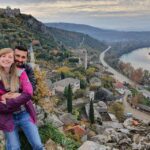
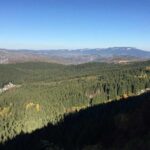
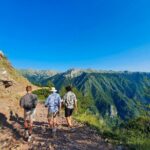
You’ll pause at a breathtaking viewpoint, and this is the kind of moment you want to slow down for. Take a few minutes. Let your eyes do the work: follow the slope lines, trace where streets must run below you, and imagine what the city looks like from the valley. It changes how you interpret everything you’ve already walked.
Time note: you’ll spend about 45 minutes at this stage. That’s generous enough to catch a breath and actually enjoy the views, not just “pose and go.”
You can also read our reviews of more hiking tours in Sarajevo
Vidikovac Špicasta stijena: trenches, siege memory, and heavy views
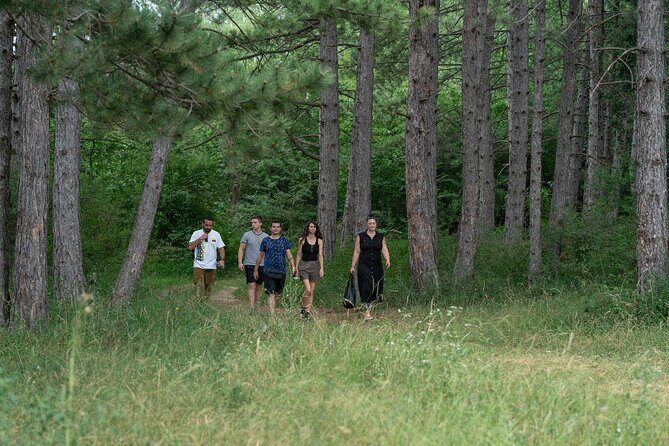
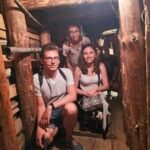
Next is Vidikovac Špicasta stijena, another viewpoint-focused stop, but with a different emotional weight. As you climb here, you pass Serb trenches and step into living memory of the siege.
This part matters because it’s where Sarajevo’s story stops being abstract. From a hill, you can understand why the city’s geography became such a factor during the war. You’re still on a hike, still moving, but the guide’s role changes here: to be respectful, to explain context, and to help you hold two things at once—pain and resilience.
The tour gives you about 15 minutes here, which is a careful amount of time. Long enough to take it in. Not so long that it overwhelms the rest of your day.
Practical advice: keep your pace gentle on this final climb segment. If you’re winded, your focus will go to breathing instead of the story being told. A slower rhythm makes it easier to absorb what you’re seeing.
Restoran 7 šuma Minjo: the lunch that makes the hike worth it
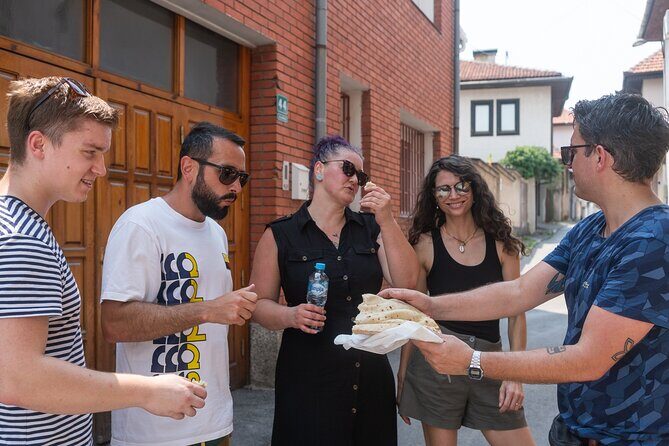
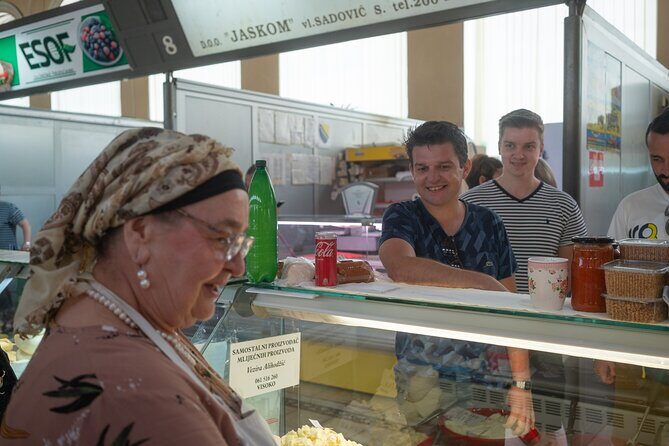
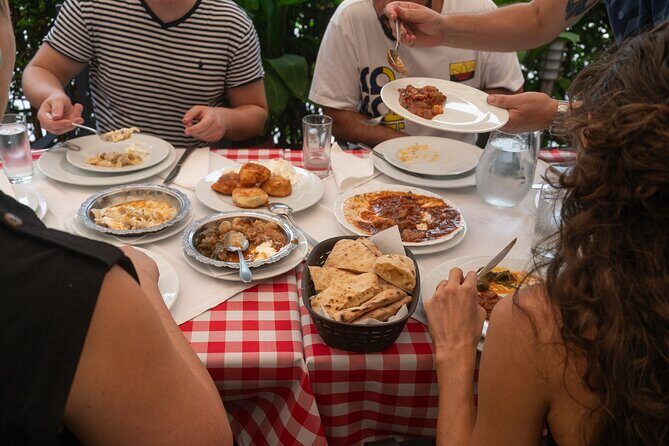
You end at Restoran 7 šuma Minjo in Mahala Sedrenik. The logic is excellent: after uphill walking, you get a hearty Bosnian lunch and a moment to sit down without rushing right back out again.
This is also where the tour feels most like a local day instead of a “program.” The meal turns the route into something you’ll remember as a full experience, not just sightseeing. It’s also included, along with snacks, so you don’t have to make your own food decisions mid-hike.
One more helpful note: people’s comments include mention of a rakija tasting as a fun extra moment. The safest way to think about it is as a possible bonus, not something you should plan your whole day around.
If you’re vegetarian, that’s worth noting too. There’s at least one account calling out a vegetarian meal at the restaurant, so you should have a reasonable chance of finding something suitable if you mention dietary preferences when you book.
What the hike feels like (and who it’s for)
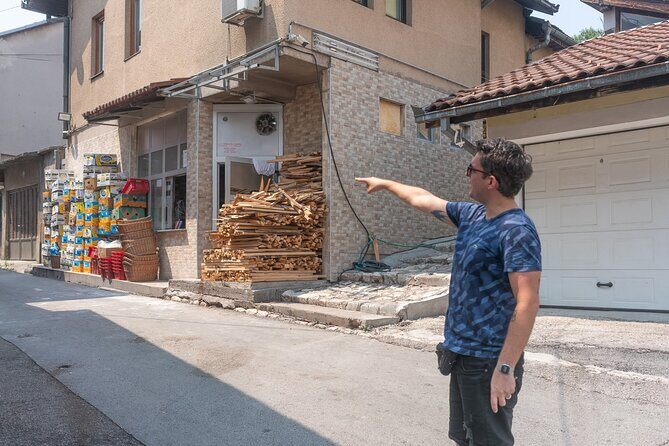
This is not an intense endurance trek, but it isn’t a flat promenade either. The route includes multiple uphill segments and at least one longer climb portion (around 45 minutes). That means you’ll get a workout and you’ll feel it afterward—in the best, “I did something today” way.
It suits you if:
- you want Sarajevo’s neighborhoods, not just the famous landmarks
- you like viewpoints and are happy to walk to them
- you want a guide who can explain both old neighborhoods and modern realities without turning the day into a single-topic show
It might be less ideal if:
- you have trouble with steep, uneven paths
- you hate weather dependence. The experience requires good weather, and poor conditions could affect the schedule.
Group size is capped at 8, which helps the guide manage pacing, questions, and small breaks. You’ll likely spend more time chatting and less time waiting.
English guiding, mobile tickets, and small-group value
At $72.25 per person for 4 to 5 hours, this is priced as a guided experience rather than a “transport + generic walk” deal. What makes the value stronger is that snacks and lunch are included, and the itinerary’s stops are listed as ticket-free (so you’re not paying extra entry fees along the way).
The tour is offered in English, and it uses a mobile ticket. You’ll also be near public transportation for the start area, and confirmation is expected within 48 hours subject to availability.
If you’re trying to get the most out of limited time in Sarajevo, this format makes sense. You’re covering several neighborhood zones—central street, Ottoman-era areas, hillside monasteries, settlement viewpoints, and the siege perspective—without needing to coordinate taxis or piecemeal guides.
Should you book this Sarajevo urban hike?
Book it if you want Sarajevo to feel lived-in and layered. The combination of mahalas like Mejtaš, Ottoman-era traces like the dervish monastery at Vrbanjuša, and the hillside perspective at Vidikovac Špicasta stijena gives you context you won’t get from a single museum visit.
Don’t book it if you only want easy, flat walking, or if you’re likely to struggle with uphill terrain. Also, be honest about weather. If rain or strong wind is likely, you might feel the day more than you learn from it.
If you do go, wear proper shoes, plan for stops and views, and bring a curious attitude. Guides such as Numa and Kathi come through in the way people describe the day: talkative without being chaotic, and adaptable when your questions go off script.
FAQ
How long is the Sarajevo urban hiking city tour?
It runs for about 4 to 5 hours.
What language is the tour offered in?
The tour is offered in English.
What does the price include?
The price includes snacks and lunch. The stops listed are admission ticket free.
Where does the tour start and where does it end?
It starts at Sacred Heart Cathedral in Sarajevo and ends at Restoran 7 šuma Minjo in Mahala Sedrenik. The guide can help you with getting back to town (taxi or on foot).
What time does the tour begin?
The start time is 9:30 am.
How many people are in the group?
The tour has a maximum of 8 travelers.
You Might Also Enjoy
More City Tours in Sarajevo

More Tours in Sarajevo
- Fall of Yugoslavia, Sarajevo War Tour with Tunnel of Hope Museum and Frontlines
★ 5.0 · 1,314 reviews


More Tour Reviews in Sarajevo
- Fall of Yugoslavia, Sarajevo War Tour with Tunnel of Hope Museum and Frontlines
★ 5.0 · 1,314 reviews