REVIEW · SARAJEVO
From Sarajevo: Full-Day Hike to Lukomir Village
Book on Viator →Operated by Meet Bosnia Travel · Bookable on Viator
Remote villages and big canyon views—one long day. This is a guided hike from Sarajevo to Lukomir, Bosnia’s highest and most isolated mountain village, with cultural stops in Umoljani and walking along the Rakitnica Canyon edge. It’s the kind of trip where you go from Ottoman-era stones to highland life in a single day.
I like the mix of hiking plus real village moments, especially the small-group feel (up to 15). I also love that you get a guided day that slows down when it needs to, with guides like Alan and Amer noted for clear English and patient pacing.
One possible drawback: the road to the start of the hike can be twisty and the ride isn’t always comfortable. If you’re prone to car sickness, you’ll want to plan for that, and consider private transportation if the operator offers it on your date.
In This Review
- Key highlights at a glance
- Lukomir’s isolation is the whole point
- Getting there from Sarajevo: pickup, timing, and the drive reality
- Umoljani stops: the cultural warm-up before the climb
- Studeni potok: the trail passes the stream, and that matters
- Rakitnica Canyon edge-walking: where the views finally hit
- Lukomir village time: stone houses, Dinaric dress, and ridge hikes
- The real hiking picture: distance, pace, and how to prepare
- English guide, but expect occasional language switching
- Price and value: what you’re paying for (and what can disappoint)
- Should you book this Lukomir day hike?
- FAQ
- FAQ
- How long is the full-day hike to Lukomir from Sarajevo?
- What time does the tour start?
- Where do I meet the group?
- Is pickup available?
- Does the guide speak English?
- Is there a limit on group size?
- Is snowshoes included in winter?
- What should I bring for the hike?
- Is the hike suitable for people with disabilities?
- What happens if the weather is bad?
Key highlights at a glance
- Lukomir is cut off by snow for months, so the village feels truly remote when you visit
- Umoljani’s stećak tombstones and an old mosque add culture to your hike
- Rakitnica Canyon viewpoints come from the trail edge, not a bus window
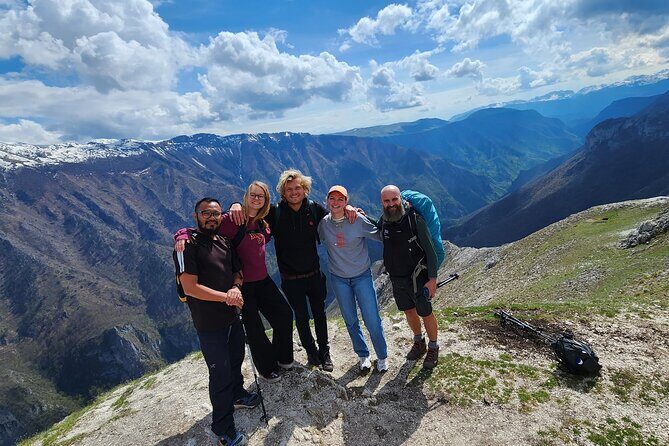
- Small group size (max 15) helps keep the hike moving at a human pace
- Snowsports support in winter with snowshoes and poles when conditions call for it
- Photo backup on request since a professional camera captures images during the day
Lukomir’s isolation is the whole point
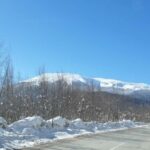
Lukomir sits high in the mountains and feels cut off from the normal world. The access rules are part of the story: from roughly the first snows in December until late April (sometimes later), you can’t reach the village by normal roads—only by skis or on foot. When a place is that hard to get to, your visit doesn’t feel like sightseeing. It feels like stepping into a way of life that still follows the weather.
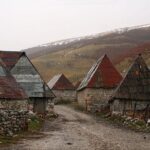
The village itself is known for its stone houses and cherry-wood roof tiles, plus living traditions in Dinaric highland culture and dress. There’s also a newly constructed lodge to receive guests now, which matters because it means the village can handle visitors without turning into a theme park.
If you want a day where the payoff is the combination of people + terrain, Lukomir does that better than most “remote village” trips.
You can also read our reviews of more hiking tours in Sarajevo
Getting there from Sarajevo: pickup, timing, and the drive reality
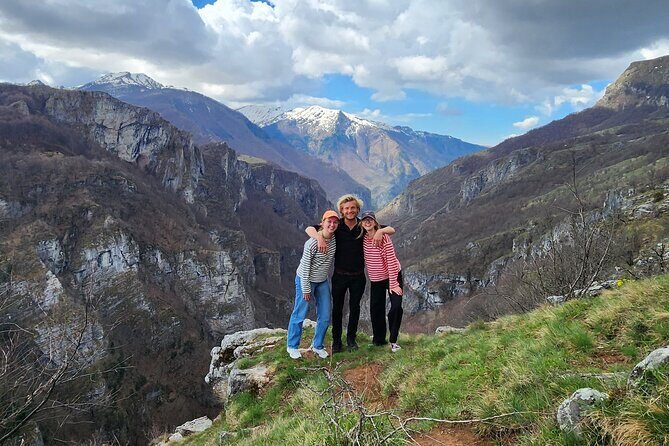
This tour starts at 8:00 am near Gazi Husrev begova 75, at the crossroad of Mula Mustafe Bašeskije. Pickup is offered, but you’ll get the final details after booking.
The day runs about 7 to 9 hours, which is long but not unusual for high-mountain hikes from Sarajevo. Expect a chunk of the time to be driving on mountain roads before you even start walking.
Now, about comfort: one review experience mentioned being seated in the back of a VW Golf and feeling nauseous on fast, twisty roads. That doesn’t mean every departure is like that, but it’s a useful warning. If you’re sensitive to winding mountain driving, bring what you need (meds, water) and ask ahead about your vehicle and seating—especially if you’re not used to Balkan mountain roads.
And yes, weather can change plans. The tour depends on conditions; if it’s really bad, the operator may postpone it until the next day.
Umoljani stops: the cultural warm-up before the climb
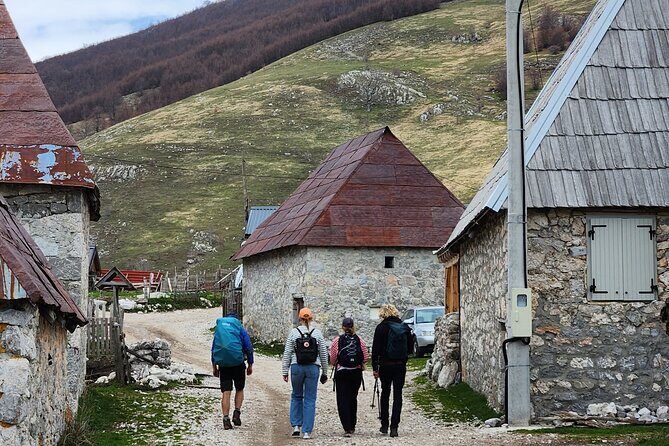
The day starts with a quick meeting at Meet Bosnia Tours, then you head to Umoljani, a village where you stop for both food and history. One highlight here is sampling Bosnian pie—people talk about it for a reason. It’s not just a snack break; it’s a classic regional taste that makes the later hiking feel connected to local life.
From there, Umoljani adds a quieter, heavier layer: you visit the necropolis of stećak tombstones from the 15th century. Stećci are one of the most distinctive cultural markers in Bosnia, and seeing them in a village setting gives you a better sense of how they fit into everyday geography rather than museum display.
You’ll also visit a 200-year-old mosque in Umoljani, described as a national monument of Bosnia and Herzegovina. It survived turbulent history and preserves old Ottoman tombstones nearby. Nearby is also a medieval necropolis stop, so you get multiple layers of the area’s past without the day turning into an all-history slog.
Practical note: Umoljani is a village stop, so it’s not about views yet. Think of it as your calm “get oriented” chapter—stomach filled, legs warmed up, mind ready for the mountains.
Studeni potok: the trail passes the stream, and that matters
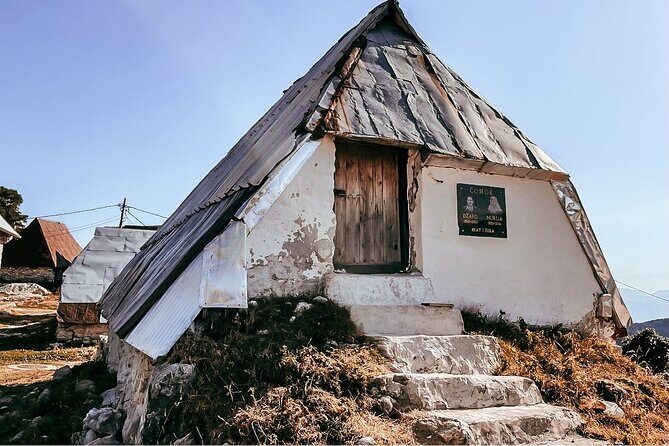
After Umoljani, the route leads you to Studeni potok, where the hiking trail passes near an intermittent stream. You’re at roughly 949 meters elevation at this point, so it’s a good early or mid-day “ramp” before the bigger views and longer segments.
This is the kind of stop that’s easy to overlook on paper, but it can make your hike more interesting in real time. Water and a canyon are a visual pairing: even if you’re not at the main gorge yet, you’ll start noticing how the terrain shapes the walk.
There’s also a story element. The tour includes a legend connected to the stream’s “snake-like” flow pattern in the canyon area later on. Even if you’re not usually into legends, it helps you pay attention to what you’re seeing. You look for the shape and texture the story describes.
Rakitnica Canyon edge-walking: where the views finally hit
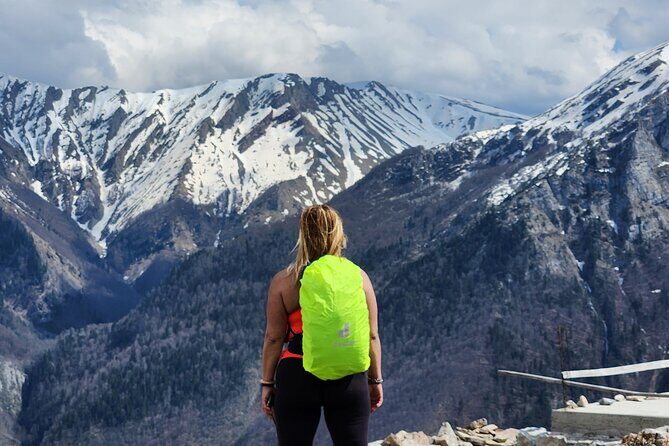
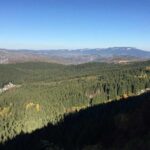
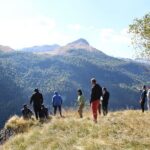
The big visual payoff is Rakitnica Canyon, and the tour doesn’t waste it. The hike takes place along the edge of the canyon, where the scenery becomes vertical and dramatic fast.
Here’s why this canyon is so special: it’s about 26 kilometers long and carved between the Bjelašnica and Visočica Mountains. Its canyon depth is often described as among the deepest in Europe, and the scale feels real once you’re on foot near it. The headwaters start around 1,120 meters, while the confluence with the Neretva River is around 320 meters, so the drop is significant even over a travel day.
You’re not hiking the whole 26-kilometer system, of course. But walking near the edge gives you that “I can’t believe this is so close to Sarajevo” feeling. One key detail: the canyon is only about 30 kilometers from Sarajevo, which is one reason it works as a day trip.
If you’re the type who takes breaks for photos (and you should), plan on slowing down here. This is where you’ll want extra time to look, not just move.
A few more Sarajevo tours and experiences worth a look



Lukomir village time: stone houses, Dinaric dress, and ridge hikes
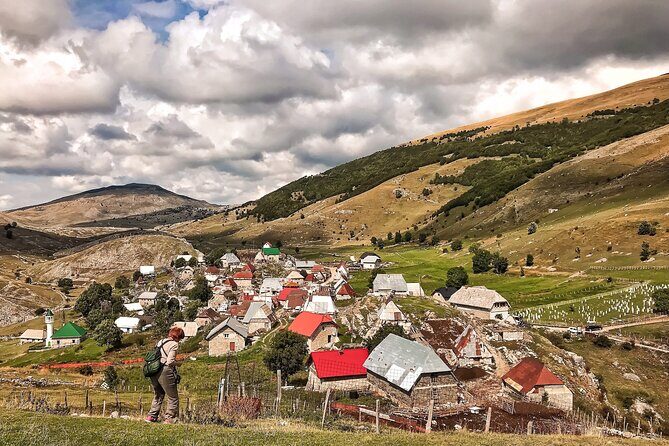
When you reach Lukomir, the day shifts from “hike to see a place” into “hike to understand a place.”
Lukomir is often described like a living ethnological museum, where nomadic customs and Dinaric highland practices are still part of daily life. You’ll see traditional clothing—Dinaric dress—and you’ll notice how the village is built for its mountain reality. Those stone houses with cherry-wood roof tiles aren’t decorative. They’re solutions.
The tour includes time in and around the village, and you’ll also walk in the area along the ridge near the Rakitnica Canyon. That ridge connection matters: it links Lukomir’s isolation to the way the terrain protects and shapes life there.
Some helpful notes from real experiences: the pace is often described as slow enough to keep it manageable, and you usually get time for photos and snack stops. In at least one case, a guide (Amer) kept things comfortable even with a moderate winter hike around mid-December in about 13°C, and the village was empty—so the calm felt special.
Eating in Lukomir also shows up in the experience. One review praised very good homemade burek for lunch at Lukomir, while another said lunch pricing and portion value were a disappointment. Translation for you: treat lunch as part of the day, but don’t assume it’s automatically great or worth the price. If you’re picky about food value, bring snacks or budget for a meal you’re okay with.
The real hiking picture: distance, pace, and how to prepare
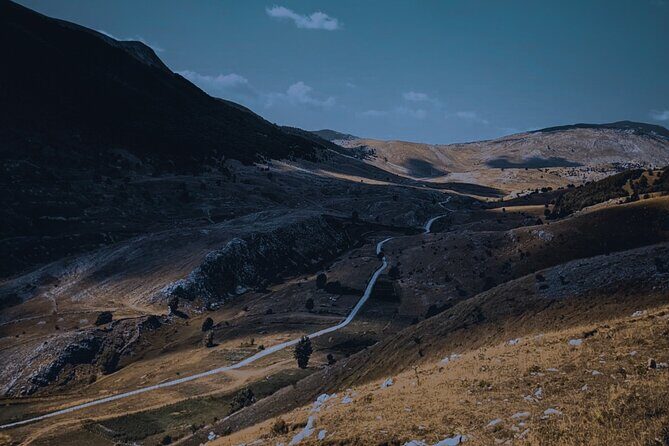
Depending on the route options your guide uses, you may be looking at something around a 16 km hike total (both ways) for some departures, with about 400 meters of elevation gain noted in one experience. Another person described walking around 15 km and about 400 hm in late December.
The official level is moderate, but the mountain environment does the heavy lifting. Your actual effort depends on weather, snow, and how long you pause for views.
So your prep list is straightforward:
- Bring a rain jacket (mountain weather changes fast)
- Bring at least 1 liter of water (more if you run hot or sweat a lot)
- Use sun protection even if it’s cool
- Have a mobile phone for photos
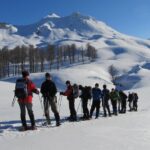
In winter conditions, the tour includes snowshoes and poles, which can make a huge difference if the trail is icy or snowy. If you’re visiting in colder months, plan your footwear and don’t assume normal hiking shoes will be enough.
Also, the tour isn’t set up for people with disabilities, since it’s a true hike.
English guide, but expect occasional language switching
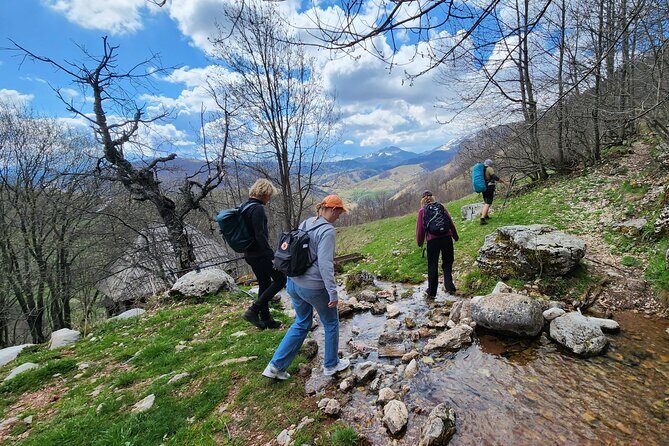
The tour is offered in English with a professional English-speaking guide. Still, one experience noted that if Bosniaks are in the group, conversations among locals may switch to Bosnian, even when it’s an English tour.
That doesn’t usually affect the guiding itself—you’ll still get the key explanations and directions—but it can mean you hear less English during group chatter. If you’re comfortable with that, great. If you need 100% English-only conversation time, it’s smart to ask the operator how they manage group language dynamics.
Price and value: what you’re paying for (and what can disappoint)
At $90.51 per person, you’re not just paying for a hike. You’re paying for:
- pickup and drop-off
- a professional English-speaking guide
- bottled water
- the photography component (images by email on request)
- snowshoes and poles during winter
- a small-group cap (max 15), with private tour possible on request
That’s why the price can feel fair on the right day. You’re getting local guiding, access to Lukomir, and a structured day that covers both cultural sites and serious outdoor time.
Where value can wobble is in two places:
1) Transport comfort on winding roads (one person felt sick due to tight seating and driving style)
2) Lunch quality and cost (one review called it overpriced and unpleasant, while another praised homemade burek)
If you want this day to feel worth it, I’d treat it like this: the hiking and views are the anchor, and the meal is a bonus that you should approach with modest expectations unless you confirm details with the operator.
Should you book this Lukomir day hike?
If you want a full-day hike that combines highland village life with serious canyon views, this is a strong choice. It’s especially good for people who enjoy walking for hours, like cultural stops that aren’t staged, and want the feeling of going somewhere hard to reach.
I’d skip or rethink it if:
- you’re prone to car sickness on twisty mountain roads
- you’re not comfortable with moderate hiking in changing weather
- you need a fully accessible outing (this hike is not set up for disabilities)
If you do book, you’ll get the best experience by showing up prepared for mountain conditions, asking about seating/vehicle comfort, and treating lunch as optional rather than a guaranteed “wow.”
FAQ
FAQ
How long is the full-day hike to Lukomir from Sarajevo?
It runs about 7 to 9 hours.
What time does the tour start?
The start time is 8:00 am.
Where do I meet the group?
Meet Bosnia Tours in Sarajevo at Gazi Husrev begova 75, at the crossroad of Mula Mustafe Bašeskije.
Is pickup available?
Yes, pickup is offered. After booking, the operator contacts guests to arrange pickup details.
Does the guide speak English?
Yes. The tour is offered with a professional English-speaking guide.
Is there a limit on group size?
Yes. The tour has a maximum of 15 travelers.
Is snowshoes included in winter?
Yes. Snowshoes and poles are included during winter.
What should I bring for the hike?
Bring a rain jacket, at least 1 liter of water (or more), sun protection, and your mobile phone for photos.
Is the hike suitable for people with disabilities?
The tour is not possible for people with disabilities since it involves hiking.
What happens if the weather is bad?
The tour depends on weather conditions. If it’s really bad, it may be postponed to the next day or you’ll be offered a different date or a full refund.
You Might Also Enjoy
More Full-Day in Sarajevo
More Hiking & Trekking Tours in Sarajevo

More Tour Reviews in Sarajevo
- Fall of Yugoslavia, Sarajevo War Tour with Tunnel of Hope Museum and Frontlines
★ 5.0 · 1,314 reviews