REVIEW · SARAJEVO
Sarajevo to/from Belgrade UNESCO Transfer Day Tour (Fees Incl.)
Book on Viator →Operated by Funky Tours · Bookable on Viator
One day, two countries, nine unforgettable stops. This Sarajevo to Belgrade ride is more than a transfer: it strings together UNESCO stećci tombstones, a classic Drina River day, and the Šargan Eight train into one long, story-filled morning-to-evening itinerary. In past departures, guides like Ennis, Zlata, Ajdin, and Amar have been the kind of people who turn roadside history into something you actually remember.
I also like the practical pacing. You get a real mix of short walks, real monuments (not just photo pull-offs), and the door-to-door convenience that means you’re not wrestling taxis at the border. One drawback to plan for: it’s a long day (about 12–13 hours) with winding mountain roads, so if you’re prone to motion sickness, take it seriously.
In This Review
- Key points that make this transfer worth it
- Door-to-door Sarajevo–Belgrade without the stress
- UNESCO stećci at Rogatica and Stjenice (and why they’re special)
- Višegrad and the 1577 Mehmed Paša Sokolović Bridge
- Andrićgrad + a boat cruise on the green Drina
- Dobrun Monastery: fresco time, then back on the road
- Šargan-Mokra Gora starts with Drvengrad (Küstendorf)
- The Šargan Eight train ride: what you’re buying with your ticket
- Tara National Park and Banjska Stena viewpoint
- Bajina Bašta, Drina River House, and arriving before evening
- Price and value: why $174.99 can work out
- Who this is best for (and who should skip it)
- Should you book this Sarajevo to Belgrade UNESCO transfer tour?
- FAQ
- How long is the Sarajevo to Belgrade UNESCO transfer day tour?
- What time does the tour start?
- Is hotel pickup and drop-off included?
- What’s included in the price?
- Are meals or drinks included?
- Do I need a passport for the border crossing?
- Can I cancel and get a full refund?
Key points that make this transfer worth it
- Small group feel (max 15): easier questions, less time herding people.
- UNESCO on the way: you’re not just crossing the border, you’re sightseeing in both countries.
- Drina River cruise included: an actual boat moment on the green Drina, not just another bridge stop.
- Küstendorf/Drvengrad + award-winning design: a film-world village built as architecture, not theme park fluff.
- The Šargan Eight ride: narrow-gauge railway nostalgia with tunnels and bridges.
- Stops are short and purposeful: you’ll stretch your legs often enough to stay human.
Door-to-door Sarajevo–Belgrade without the stress
This tour is built for the “I want to get there, but I also want to see something” traveler. Pickup is offered in Sarajevo, and the experience ends with a drop-off directly in Belgrade at your chosen address, so the day feels like one organized plan instead of two separate journeys.
It starts early—around 7:00 am—and runs roughly 12 to 13 hours. That matters because you’re committing to a full day in a vehicle, even though the guide breaks it up with frequent stops and short time windows at key sights.
The group size is capped at 15 travelers, and the tour is offered in English. That combination usually keeps the experience from feeling rushed, and it helps you get real answers when you ask questions—especially about Ottoman-era sites, Yugoslav film culture, and why these border regions matter.
A few more Sarajevo tours and experiences worth a look
UNESCO stećci at Rogatica and Stjenice (and why they’re special)
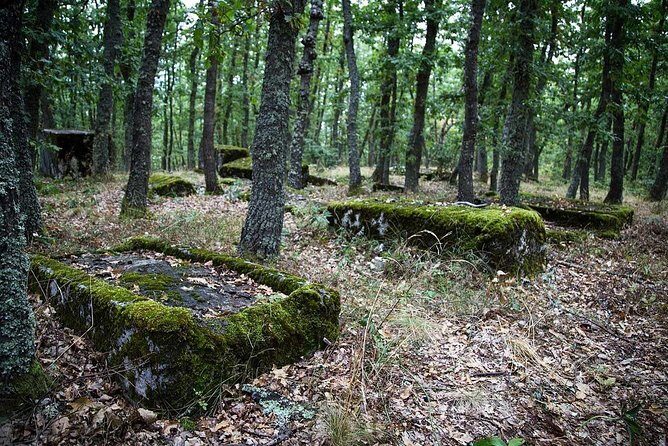
Early in the day you’ll head toward the medieval stećci tombstones near Rogatica. This is the UNESCO necropolis near the village of Rogatica, and you’ll have about 45 minutes here. Admission is free, but don’t underestimate the value: these limestone grave markers aren’t staged, they’re scattered remnants of a medieval culture that still feels grounded in the landscape (literal mountains, forests, and mist).
Next comes Borak Stećci near the Burati village, reached via the Stjenice area. There’s a short hike through dense forest to reach the necropolis, then you’ll get about 30 minutes on site. The time is short by design, but the setting makes it memorable—this one tends to feel more remote than the big-ticket museum stops.
If you like history that you can touch—stonework, inscriptions, and the physical shape of a culture—this is the part that gives the day its backbone. Wear shoes you can trust on uneven ground. Even when a hike is “short,” forest trails can still be slick.
Višegrad and the 1577 Mehmed Paša Sokolović Bridge
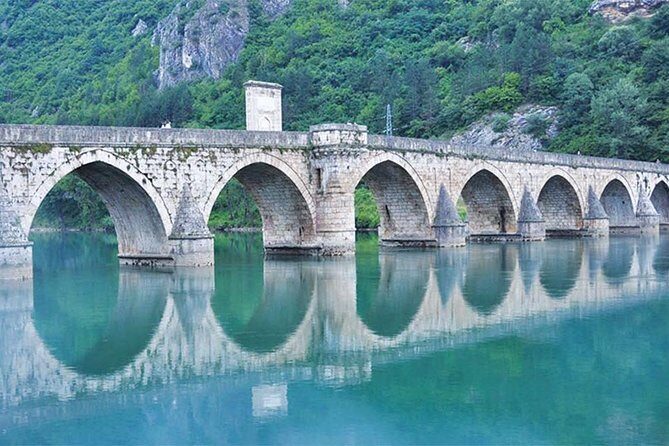
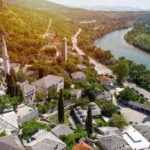
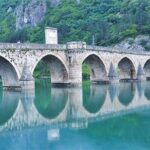
After a drive through Bosnia’s more rugged mountain regions, you’ll arrive in Višegrad, home to another UNESCO heavyweight: the Mehmed Paša Sokolović Bridge (built in 1577). You’ll have about 45 minutes here, and the bridge visit is included.
This is one of those stops that works even if you’re not a hardcore architecture person. The bridge is famous for its proportion and monumental presence, but the real magic comes from how the Drina frames everything—stone, water, and that Ottoman-era craftsmanship that still looks purposeful centuries later.
And here’s a clever bonus: the tour encourages you to read Ivo Andrić’s Bridge Over the Drina before you go. Even a preview helps, because Andrić’s writing gives the bridge a human storyline, not just a date on a plaque.
Andrićgrad + a boat cruise on the green Drina
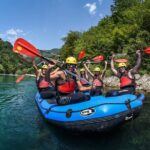
Right after the bridge stop, you’ll get a ride down the Drina River by boat (included). This is a rare thing in a day transfer: you’re not only looking at water, you’re on it, moving through the canyon-like feeling of the river.
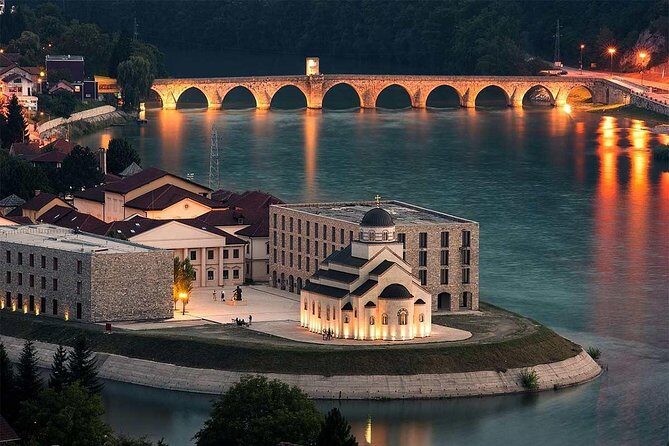
Then you’ll visit Andrićgrad—a stone-built “Andrić town” dedicated to the writer Ivo Andrić. You’ll have about 15 minutes to explore. It’s recently built and intentionally designed to connect literature, architecture, and the film legacy tied to local director Emir Kusturica.
One thing I’d keep in mind: Andrićgrad is not trying to look medieval. It looks new, because it’s new—so if you’re chasing old-world ruins, you might find it a little “cinematic.” If you’re curious about how culture gets re-imagined in this region, you’ll probably enjoy the weirdness.
Dobrun Monastery: fresco time, then back on the road
From Višegrad you’ll continue toward the border area with a stop at Dobrun Monastery. You’ll spend about 20 minutes here, and admission is free.
This monastery is tied to the year 1343, and the frescoes are preserved. In practical terms, that means you’re not seeing a plain building—you’re seeing painted art that survived for centuries. Around it, you also get the payoff of a quieter, more contemplative pause, which helps reset you after hours of driving and crossing.
If you plan to take photos, do it respectfully and quickly. Monasteries are meant for visiting, not for turning into a photo studio session.

Šargan-Mokra Gora starts with Drvengrad (Küstendorf)
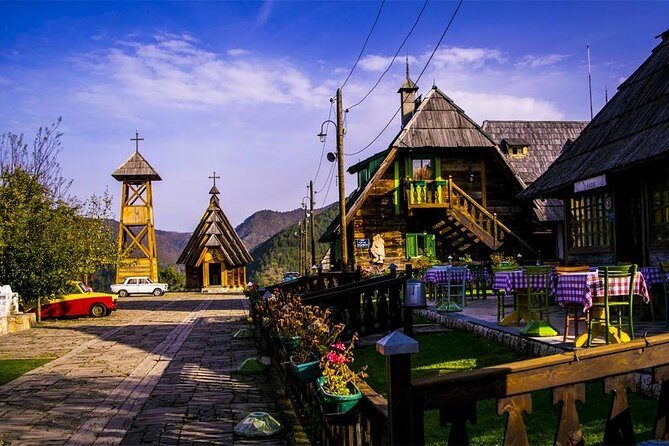
Crossing from Bosnia into Serbia is part of the day, and then you enter the Šargan-Mokra Gora nature park zone. Your first “big stop” on that side is Drvengrad, also known as Küstendorf, sometimes associated with Mećavnik.
You’ll have about 1 hour here, and admission is included. This is the film-designed village built by Emir Kusturica for Life is Miracle. It’s also known for winning a European Architecture Award, which tells you the point: this is design work you come to look at.
For lunch, this is the most likely time window—there’s room built in for you to eat (drinks and food aren’t included, so plan to buy what you want). If you’re the type who hates “optional lunch at the worst time,” this is at least one of the stops where eating makes sense.
The Šargan Eight train ride: what you’re buying with your ticket
After lunch, it’s time for the Šargan Eight—a narrow-gauge railway ride tied to old engineering. The ride is included, and you’ll get about 45 minutes.
Here are the details that help you set expectations:
- The line is 760 mm narrow gauge.
- It was first built in 1925 and used to connect Sarajevo and Belgrade.
- It climbs about 300 m over a short distance of around 3,500 m.
- The track passes 22 tunnels and five bridges, with a total length of 15,440 m (today’s figure).
The railway was closed in 1974, and it reopened for tourism. It’s a fun ride if you like steam-era engineering stories—this is exactly the kind of place where you start appreciating the math behind the curves.
That said, one real-world caution: in one past departure, the train experience didn’t match the classic steam look as advertised (it was powered differently than expected). Also, a lot of the route runs through wooded areas, so don’t assume you’ll have constant big panoramic views. You’re here for the ride and the engineering, not for postcard scenery.
Tara National Park and Banjska Stena viewpoint
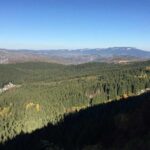
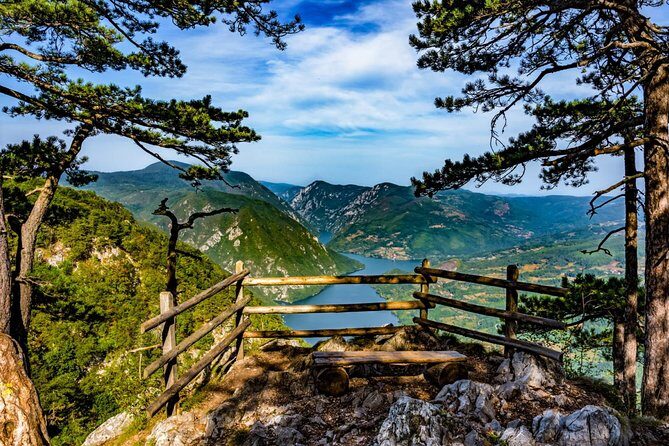
After the train, you keep driving toward Belgrade, with Tara National Park as one of the main nature breaks. You’ll stop at Banjska Stena, a viewpoint with a panorama over Perućac Lake on the Drina River, which forms a natural border between Bosnia and Herzegovina and Serbia.
You’ll have about 30 minutes here. Admission is free. This is the part of the day where the pace slows slightly and you get the “stretch your legs and look around” reward after monuments and trains.
If you’re sensitive to long road trips, this is a good mental marker: you’ve done the cultural heavy lifting, and now you’re just collecting views before the final leg into Belgrade.
Bajina Bašta, Drina River House, and arriving before evening
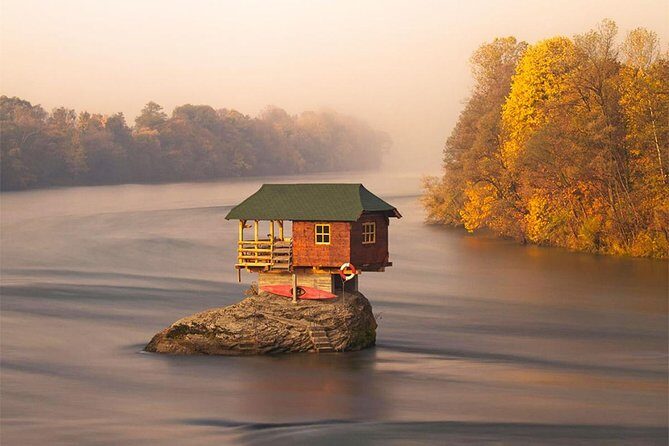
On the way into Belgrade, the drive passes through Bajina Bašta and includes a short stop at House on the Drina. You’ll have about 15 minutes here.
This is a quirky end-of-day stop: a small hut-like structure built atop a rock in the river. Think of it as your final visual “signature” before you head into the city.
Expect the last stretch to be a calmer reset, but don’t expect motorway cruising. A lot of this day is on two-lane mountain roads that climb and descend, which is exactly why people who get motion sick often bring something to help. If you need it, take your motion sickness medication before you start feeling bad.
Price and value: why $174.99 can work out
The price is $174.99 per person, and it’s easy to compare it to a basic taxi plus a few admissions. The key difference here is that you’re paying for logistics and included experiences, not only entry tickets.
What makes it feel like value:
- Door-to-door transport with an air-conditioned vehicle.
- A professional English-speaking guide and driver.
- Admissions included for essential stops (the day is built around paid elements).
- Specific included activities with set costs: Šargan Eight train ride (11 EUR), Drina River boat cruise (5.5 EUR), and Drvengrad admission (2.5 EUR).
- Eco and nature-park related fees are handled through vehicle tax included (listed as 1–3 EUR per vehicle).
And then there’s time value. Cross-border travel with multiple stops is hard to DIY cleanly, especially if you want the day structured so you’re not figuring out timings at each site. This tour does that for you.
One thing not included is also important: drinks and food. So budget for meals on your own, and treat lunch time at Drvengrad as the best bet. If you prefer buying water and snacks during breaks, build that habit in.
Who this is best for (and who should skip it)
This tour is ideal if you want a one-day sampler of Bosnia and Serbia without needing to plan routes, timing, and cross-border logistics. You’ll like it if you enjoy mixing UNESCO culture with a couple of genuinely different “mood shifts,” like the boat cruise and the railway.
It also works well for people who like short guided explanations at multiple stops rather than one long museum day. With a small maximum group size, the guide can keep the flow moving while still answering questions.
Skip this tour (or be cautious) if:
- You can’t handle a long day in a vehicle.
- You’re very motion-sensitive and you didn’t plan for it.
- You’re expecting a mostly highway, low-effort transfer. This is a scenic-and-historic road day, so the roads can be winding.
Should you book this Sarajevo to Belgrade UNESCO transfer tour?
Yes—if your priority is “maximize one day” and you like meaningful stops over empty transfer time. This is one of those routes where the included experiences (UNESCO stećci, the 1577 bridge, the Drina boat cruise, Drvengrad, and the Šargan Eight) turn a border crossing into a real itinerary.
Book it if you want:
- Door-to-door convenience instead of DIY transport
- UNESCO stops that explain the culture behind the stones
- A guaranteed schedule with minimal decision-making
Consider a different plan if you’d rather take the day slower in either Sarajevo or Belgrade. This is not that kind of trip. It’s a “see a lot, learn a lot” day—just go in prepared for the hours and the mountain roads.
FAQ
How long is the Sarajevo to Belgrade UNESCO transfer day tour?
It runs about 12 to 13 hours.
What time does the tour start?
The start time is 7:00 am.
Is hotel pickup and drop-off included?
Yes. Door-to-door pickup and drop-off are offered from your chosen address in Sarajevo, and the tour ends with drop-off directly at your chosen address in Belgrade.
What’s included in the price?
The tour includes the Šargan Eight train ride, the Drina River boat cruise, Drvengrad admission, eco/nature park fees, all fees and taxes, and an air-conditioned vehicle with a professional English-speaking guide and driver.
Are meals or drinks included?
No. Drinks and food are not included.
Do I need a passport for the border crossing?
Yes. A current valid passport is required on the day of travel.
Can I cancel and get a full refund?
You can cancel up to 24 hours in advance for a full refund. If you cancel less than 24 hours before the experience starts, the amount paid is not refunded.
You Might Also Enjoy
More Private Drivers in Sarajevo
More Tours in Sarajevo
- Fall of Yugoslavia, Sarajevo War Tour with Tunnel of Hope Museum and Frontlines
★ 5.0 · 1,314 reviews

More Tour Reviews in Sarajevo
- Fall of Yugoslavia, Sarajevo War Tour with Tunnel of Hope Museum and Frontlines
★ 5.0 · 1,314 reviews