REVIEW · SARAJEVO
Transfer from Sarajevo to Kotor+Herzegovina tour
Book on Viator →Operated by Bosnian Voyager · Bookable on Viator
A border-to-border day with real stops. This Sarajevo to Kotor transfer turns a straight drive into a Neretva River road trip, mixing Ottoman-era bridges, WWII memory, and a famous cold spring before you finish in Montenegro’s Kotor.
I like the way the day is structured: you get a full schedule of short, meaningful sightseeing breaks instead of just sitting on the highway. I also like the comfort basics included—an air-conditioned vehicle, bottled water, and pickup from your Sarajevo hotel or apartment.
One thing to watch: communication and expectations. A booking mix-up led one person to pay an unexpected extra €35, and one safety concern was raised about texting while driving. Most reports praise safe driving, but I’d still confirm details clearly before you go.
In This Review
- Key highlights (what makes this transfer worth your time)
- Sarajevo to Kotor: a long transfer that’s really a day tour
- Price and value: what $139.38 buys you (and what it doesn’t)
- Getting picked up in Sarajevo: the day starts at your door
- Konjic Old Bridge: Ottoman stone with a very specific survival story
- Jablanica and the Battle on the Neretva memorial complex
- Mostar: bazar, Old Bridge stories, and a museum stop (plus lunch)
- Buna spring near Blagaj: one hour with extremely cold karst water
- Počitelj open-air village: a historic settlement above the Neretva
- The Montenegrin border and Kotor: finishing with a real city arrival
- Comfort, driving, and group feel (what to expect in the vehicle)
- Who this Sarajevo to Kotor transfer is best for
- Should you book this Sarajevo to Kotor transfer?
- FAQ
- What time does the Sarajevo pickup start?
- How long is the Sarajevo to Kotor transfer?
- What stops are included on the way to Kotor?
- Is lunch included in the price?
- Are entry tickets included for the stops?
- Is the tour offered in English, and will I get a ticket on my phone?
- How big is the group?
Key highlights (what makes this transfer worth your time)
- Small group size (max 15): easier to move through stops without feeling rushed by a big crowd.
- Mostar walking tour included: bazar time, Old Bridge stories, and a museum stop, then lunch at a restaurant.
- Konjic’s Old Bridge: Ottoman arches with a rebuilt-after-1945 story (Konjička Stara Ćuprija).
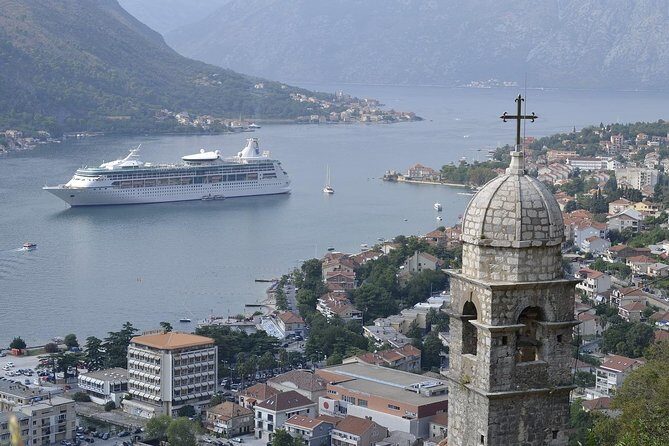
- Buna spring near Blagaj: one-hour visit to Vrelo Bune, famous for extremely cold karst spring water.
- Počitelj open-air village: historic hill settlement on the Neretva with guided storytelling.
- All fees and taxes included: plus bottled water, so you can budget without surprise add-ons for entry fees.
Sarajevo to Kotor: a long transfer that’s really a day tour
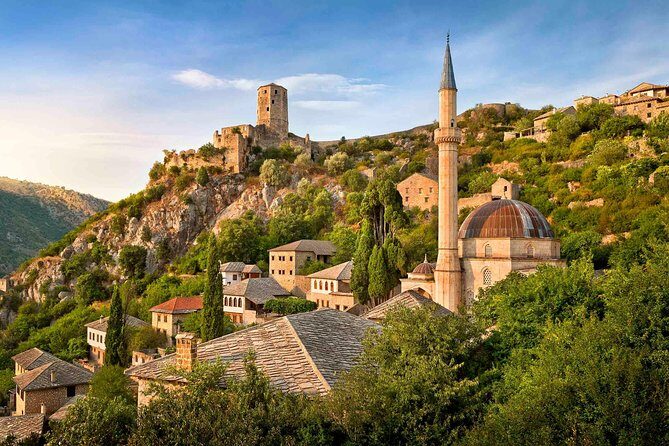
This isn’t a “ride from point A to point B.” It’s more like a guided day trip stretched over the distance from Sarajevo to Kotor, with stops that make sense in sequence. You start at 8:00 am in Sarajevo, then work your way along the river corridor—Konjic and Jablanica first, then Mostar, the Buna spring area, Počitelj, and finally Kotor after the Montenegrin border.
The best part is how the stops cover different moods. You’ll get Ottoman stonework and Ottoman-meets-Austro-Hungarian streets in Mostar. Then the tone shifts to memorials and river history. Then it swings back to nature at Vrelo Bune (Buna spring), before ending in Kotor—enough variety for a single day.
The tradeoff is obvious: you’ll be on the move all day. With an approx. 12-hour total duration, you’ll want to pack smart and expect that time in each stop is brief. If you only want one big highlight and nothing else, you might feel the schedule is a bit tight. If you like getting a strong “see a lot, learn a bit” day, this format is built for that.
A few more Sarajevo tours and experiences worth a look
Price and value: what $139.38 buys you (and what it doesn’t)
At $139.38 per person for roughly 12 hours, the value comes from two things: transportation plus guided stops that are listed with free admission at multiple locations, and meals support where lunch is handled at least as a planned part of the day (even if it’s not included in the price).
Included items that matter in real life:
- Bottled water
- Air-conditioned vehicle
- Private transportation
- All fees and taxes
Not included:
- Lunch
That last one matters. Mostar includes a scheduled lunch break at a restaurant. Since lunch isn’t covered, you should plan for that cost and avoid relying on “it must be included” thinking—one reason people sometimes feel surprised on long days is assuming lunch or fees are already paid.
If you’re traveling as a couple, a small family, or with someone who prefers door-to-door pickup, the value can feel stronger. One couple traveling with a baby described the transfer format as far easier than a bus—more freedom for bathroom and comfort breaks, and pickup/drop-off that starts and ends at their apartments.
Getting picked up in Sarajevo: the day starts at your door
Pickup is available in Sarajevo from either your hotel or apartment. That sounds minor, but it’s a big deal on long travel days. You don’t have to solve parking, buses, or taxi logistics at 8:00 am. You also avoid wasting your first hours of the day just reaching the meeting point.
You’ll also get a mobile ticket, and the tour is offered in English. Most of the day’s quality depends on your driver-guide’s effort and clarity, so if you’re sensitive to language, this is worth noting. One person reported the driver spoke very little English and that the tour elements at stops didn’t feel delivered. Others described drivers who explained history and answered questions, including names such as Kamal, Kemal, Muamer, Almedin, and Mohammed showing up in different experiences—so the potential is there.
Bottom line: this transfer is built for English-speaking visitors, but your on-the-ground experience can still vary with who’s driving.
Konjic Old Bridge: Ottoman stone with a very specific survival story
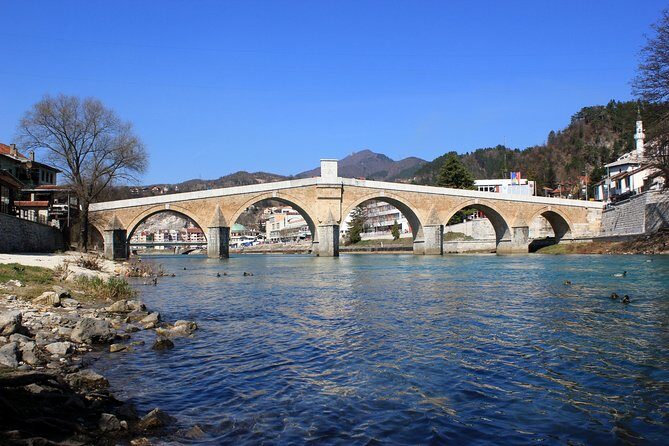
Your first real stop is Konjic, a mountainous, wooded area stretching along the Neretva River. The highlight is Konjička Stara Ćuprija—often described as the best-preserved Ottoman bridge in Bosnia and Herzegovina.
What makes this stop more than a quick photo stop:
- The bridge was built between 1682 and 1683 by Ali-aga Hasečić.
- It has six stone arches, and there’s a stone plaque at the center that ties it to that era.
- The bridge’s arches were destroyed in March 1945 during the retreating German army.
- It was rebuilt in its original state from 2003 to 2009.
- Today, it’s a National Monument of Bosnia and Herzegovina.
That’s a lot of history for a visit that lasts about 30 minutes. If you like heritage details, you’ll appreciate how the tour doesn’t treat the bridge as just scenery—it frames it as a symbol of continuity and rebuilding.
The only drawback is time. Thirty minutes can disappear fast if you stop to read everything and take photos. If you want the full impact, go in with two priorities: (1) locate the central plaque, and (2) look closely at the number and shape of the arches.
Admission is listed as free, so this stop is also a budget-friendly way to break up the drive.
Jablanica and the Battle on the Neretva memorial complex
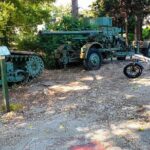
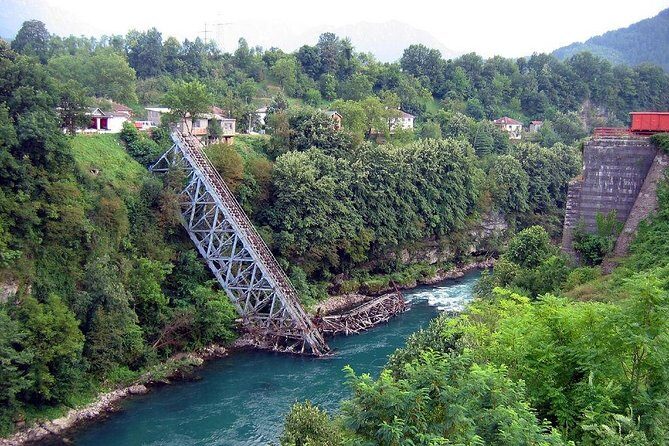
Next up is Jablanica and the Memorial Complex of the Battle on the Neretva. This stop is only about 30 minutes, but it’s heavy in meaning.
The memorial complex is dedicated to the Battle on the Neretva and was opened 12 November 1978—marking the 35th anniversary of the battle. It includes key elements:
- A connection to the passage across the Neretva River and the rescue of wounded and sick.
- A Monument on Makljen near Prozor, designed by Boško Kućanski.
- A ceremonial opening by Josip Broz Tito.
It’s set up like many memorial museums built at authentic historic sites—meant to match the location where events unfolded. If you’re the kind of traveler who reads plaques and wants context, you’ll probably find this stop more engaging than you expect from a short time window.
If you’re traveling with limited patience for solemn, reflective spaces, you might treat this as a brief “see it, then move on” stop. Either way, it helps the day feel like more than tourism. You’re learning the geography and why the river mattered.
Admission is listed as free again, so you’re not paying to access the core memorial experience.

Mostar: bazar, Old Bridge stories, and a museum stop (plus lunch)
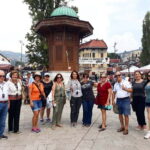
Mostar is the centerpiece of the day, and the schedule gives it enough time to feel like an actual visit. You’ll spend about 2 hours there, with a walking tour through the city.
The tour format includes:
- A walking tour with architecture notes
- A walkthrough of the bazar
- A visit to the Old Bridge (with stories)
- A stop at one of the city’s museums focused on the Old Bridge, domestic culture, and traditions (based on the exhibitions provided)
- Then lunch at a restaurant to keep the day moving
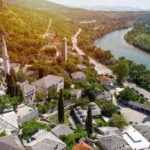
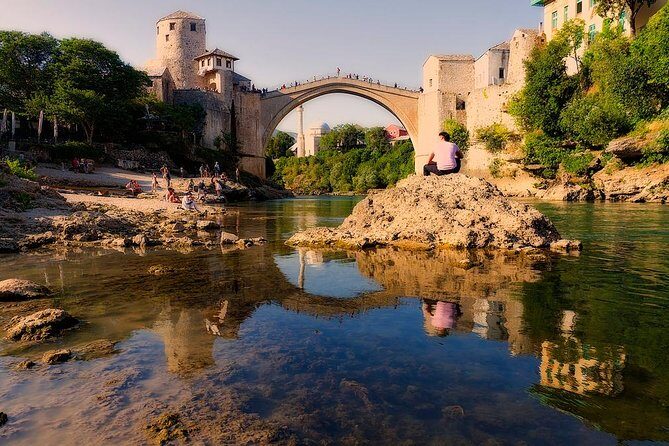
Mostar’s appeal isn’t just one landmark—it’s the blend of Ottoman and Austro-Hungarian architecture you feel as you walk. The Old Bridge is the obvious draw, but the surrounding streets and bazar give you the human-scale version of the city.
Practical tip: since you’re on a schedule, wear shoes that work for uneven sidewalks. You’ll likely be walking through busy areas even when the tour group is small.
A downside to note: because the tour relies on a guide’s delivery, your quality of experience at the museum and Old Bridge depends on whether your driver-guide talks through it clearly. Some experiences reported excellent guiding and history explanations. Others reported limited English and fewer guided elements. If you’re traveling specifically for guided storytelling, choose a day where you can be flexible if the rhythm feels less interpretive than you hoped.
Admission is listed as free for the Mostar museum stop in the itinerary details, which is another reason this part of the day can feel good value.
Buna spring near Blagaj: one hour with extremely cold karst water
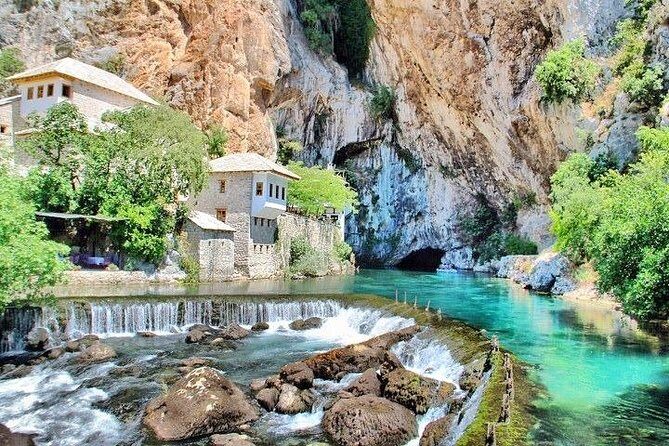
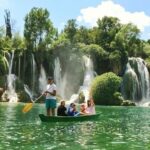
After Mostar, you head toward Buna, specifically the famous Vrelo Bune (Buna spring) near the village of Blagaj. This stop is about 1 hour, so think of it as a short nature reset.
Why Buna is worth the detour:
- Vrelo Bune is a strong karstic spring
- It’s described as one of the strongest springs in Europe
- The water is extremely cold
The spring is part of a small river system. Buna flows west for around 9 km from Blagaj, passing villages before it joins the Neretva. Even if you don’t walk the whole route, the short visit gives you the core experience: seeing the spring’s force and feeling how chilly the environment can get near strong karst water.
Because your time is limited, don’t waste energy trying to do everything. Pick one good viewpoint near the spring and enjoy the sound and temperature difference. If you’re the type who loves water features, this stop can be a highlight even if you’re not normally a “nature visitor.”
Admission is listed as free, and the stop length keeps the day on track.
Počitelj open-air village: a historic settlement above the Neretva
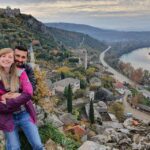
Then comes Počitelj, described as a historic village and open-air museum. You’ll spend about 1 hour here.
What makes Počitelj more interesting than a quick look from a road:
- It’s situated on the left bank of the Neretva
- It’s located on the main road Mostar–Metković
- It’s about 30 km south of Mostar
- It’s also about 3 km from the center of Čapljina
- The tour includes guide storytelling, including the village being referred to as a jewel in the crown of the Bosnian Kingdom
Počitelj’s value is the combination of architecture and setting. It’s a place where the past feels physically close. If you like “read the terrain” travel—seeing how people built where they did—you’ll get a lot out of the hour.
The only real drawback is time again. One hour can feel short if you want slow wandering. But as a stop between Mostar/Buna and Kotor, it works well.
Admission is listed as free in the itinerary details, which helps the overall value.
The Montenegrin border and Kotor: finishing with a real city arrival
After Počitelj, the route continues directly toward the Montenegrin border, then to Kotor, the last stop, with about 2 hours in the city.
The tour doesn’t list a specific guided Kotor walking plan in the itinerary details; you should expect this to be the “arrive, settle, and see some key parts” portion of the day. Two hours in Kotor can be enough to get oriented, walk a few streets, and decide where you want to go deeper on your own later.
One important practical note from past experiences: border paperwork can make or break the flow. There was a report of trouble at the border because the driver allegedly didn’t have the proper permits to take people across the border for money. I can’t tell you how likely that is for your specific departure, but it’s a reminder to double-check your confirmation details before travel—especially if anything about who operates the transfer or pricing seems unclear.
If border procedures slow the day, the Kotor time you get could shrink. Keep your expectations flexible and plan Kotor as the beginning of your Montenegro stay, not your whole Montenegro trip.
Comfort, driving, and group feel (what to expect in the vehicle)
This tour includes:
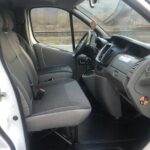
- Air-conditioned vehicle
- Bottled water
- Private transportation
- Max 15 travelers
That mix can create a comfortable day. Small groups tend to handle bathroom breaks and quick stop timing with fewer coordination problems. Private transportation also usually means less “bus choreography,” which matters when you’re dealing with multiple short stops.
Driving quality is generally praised. One experience described an excellent, flexible driver—good driving skills, patience during photo stops, and a relaxed vibe in the car. Another described a safe journey.
Still, one safety concern was raised: texting while driving. I don’t want to scare you, but it is worth taking seriously. If you’re uncomfortable with that kind of behavior, you can politely set a boundary before you get moving. A professional driver should keep phones hands-free while driving.
Who this Sarajevo to Kotor transfer is best for
I’d point this toward you if:
- You’re doing a one-way transfer from Sarajevo to Montenegro and want sightseeing included.
- You like a road trip vibe but want guided stops, not just self-guided wandering.
- You’ll appreciate a mix of heritage (Konjic, Mostar, Počitelj) and “place-based learning” (Jablanica memorial).
It’s also a good fit if you want door-to-door convenience. One couple traveling with a baby highlighted how the format made logistics easier, including stop flexibility for needs like food and bathrooms.
You might think twice if:
- You want the quickest possible transfer and hate time-boxed stops.
- You rely on fluent English commentary at every single stop. Even though the tour is offered in English, one person reported limited English and fewer guided moments.
- You’re very strict about communication clarity. One booking had a pricing surprise due to a confirmation misunderstanding.
Should you book this Sarajevo to Kotor transfer?
If you want a straightforward transfer that also gives you Konjic’s Old Bridge, Mostar’s Old Bridge stories and museum time, Buna spring in the Blagaj area, and Počitelj’s open-air village setting, this is a strong value play at $139.38. The included water, air-conditioned ride, and free-admission style stops make it feel like more than transportation.
My advice: book it if you’re comfortable spending a full day in transit and you’ll enjoy short guided stops. Before you go, confirm the total price is fully understood and saved in writing, and keep your own essentials ready for border day.
If your priority is a relaxed arrival in Kotor with minimal waiting, then look for an itinerary with fewer moving parts. But for a first-time route from Sarajevo into Montenegro with real stops along the way, this one is built for exactly that.
FAQ
What time does the Sarajevo pickup start?
The start time is 8:00 am in Sarajevo, with pickup available from your hotel or apartment.
How long is the Sarajevo to Kotor transfer?
The duration is listed as about 12 hours.
What stops are included on the way to Kotor?
You’ll stop in Konjic, Jablanica, Mostar, Buna (Buna spring near Blagaj), Počitelj, and then finish in Kotor.
Is lunch included in the price?
No. Lunch is not included.
Are entry tickets included for the stops?
The itinerary lists free admission for the main stops (Konjic, Jablanica, Mostar, Buna, and Počitelj), and it also includes all fees and taxes as part of the tour.
Is the tour offered in English, and will I get a ticket on my phone?
Yes. The tour is offered in English, and there is a mobile ticket.
How big is the group?
The tour/activity has a maximum of 15 travelers.
You Might Also Enjoy
More Private Drivers in Sarajevo
More Tours in Sarajevo
- Fall of Yugoslavia, Sarajevo War Tour with Tunnel of Hope Museum and Frontlines
★ 5.0 · 1,314 reviews

More Tour Reviews in Sarajevo
- Fall of Yugoslavia, Sarajevo War Tour with Tunnel of Hope Museum and Frontlines
★ 5.0 · 1,314 reviews