REVIEW · SARAJEVO
Understanding Srebrenica Genocide + Lunch with Local Family
Book on GetYourGuide →Operated by Funky Tours · Bookable on GetYourGuide
Srebrenica hits hard, and this tour explains why. I like the way the day pairs Potočari Memorial Centre with a survivor-led history class, and I also love the lunch with a local family, which turns heavy context into real human moments. One heads-up: it’s a long day, with about 2.5 hours each way in the van from Sarajevo.
You’ll be in a small group (up to 8), so your English-speaking guide can actually answer your questions, including the uncomfortable ones. In at least one recent run, the guide was Edo, and his firsthand connection to the conflict added weight to the explanations.
This is not a sightseeing-only stop. You’re visiting sites tied to mass violence and the failure of the international community, so expect solemn pacing, not comfort-booklet history, and plan for an emotional afternoon.
In This Review
- Key Things I’d Bookmark Before You Go
- The Emotional Purpose of a Potočari-Centered Day
- The 8am Drive From Sarajevo: Context Comes Before the Memorial
- Potočari Memorial Centre: What You Actually See (and Why It’s Arranged This Way)
- The Former UN Base Museum: The Failure Theme Isn’t an Extra
- Survivor-Led Stories: The Difference Between Hearing Facts and Hearing Impact
- Lunch With a Local Family: Home-Cooked, Not Tourist-Factory
- Srebrenica Town Time: A Short Stroll to Ground the Story
- Price and Value: What $100 Actually Covers in a Long Day
- Small Group Touring: Why Up to 8 People Works Here
- What to Bring and How to Dress for a Respectful Visit
- Who This Tour Fits Best
- Should You Book This Tour?
- FAQ
- How long is the tour?
- What’s included in the $100 price?
- Is lunch included, and what is it like?
- What will I see at Potočari Memorial Centre?
- Will I have a survivor-led component during the visit?
- Is there an entry fee for the Potočari Memorial Centre?
- How big is the group?
- What language is the tour in?
- What should I wear or bring?
- Is free cancellation and reserve-pay-later available?
Key Things I’d Bookmark Before You Go
- Small group (max 8) means more time to ask questions without shouting over a crowd.
- Survivor-led history class at Potočari helps you connect dates, places, and personal consequences.
- Former UN base museum gives a structured look at what happened and why it’s remembered as failure.
- Lunch with a local survivors’ family supports the community and makes the day feel human, not just educational.
- On-the-road context: you’ll pass towns and villages tied to the wider East Bosnia region, not just one town story.
The Emotional Purpose of a Potočari-Centered Day
This tour is designed around one goal: helping you understand what happened in Srebrenica by placing it inside the wider collapse of Yugoslavia and the aggression against Bosnia and Herzegovina. That matters because mass violence doesn’t stay neatly inside one border line. You’ll spend time hearing how the story connects to East Bosnia, often called Podrinje, and how the violence spread across places, not just the town you’re touring.
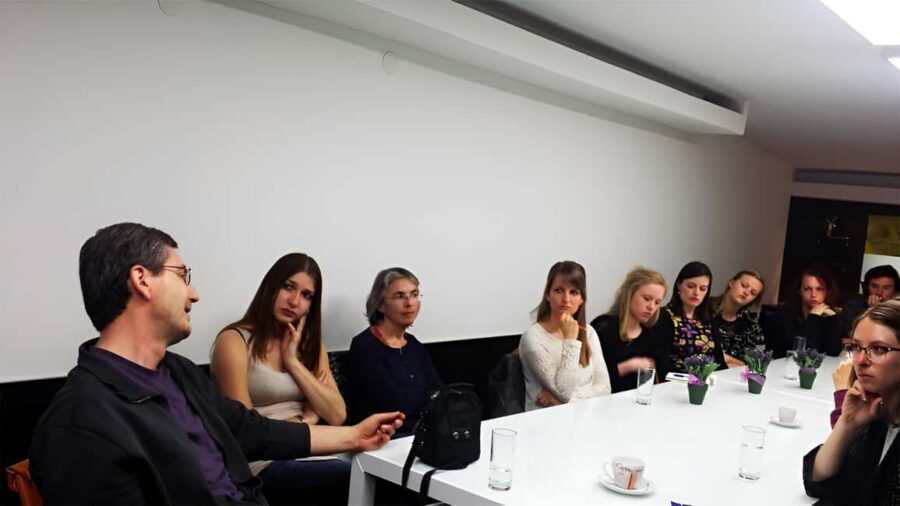
I also appreciate the honesty of the format: you’re encouraged to ask questions and share opinions, even if they feel personal. That turns the day from a lecture into a conversation—one you’ll likely leave thinking about long after you’ve gone home.
A few more Sarajevo tours and experiences worth a look


The 8am Drive From Sarajevo: Context Comes Before the Memorial
Pickup is in Sarajevo, and you’ll start around 8am, rolling toward Eastern Bosnia in a van for about 2.5 hours. On paper, that sounds like travel time. In reality, it’s where the guide sets up the day, using the scenery and the small towns you pass to explain why this isn’t a one-moment tragedy.
You’ll get a chronological orientation on the “Death of Yugoslavia,” and you’ll also learn why Bosnia’s role during the 90s is crucial to understanding what came next. The route passes through multiple villages and smaller towns where similar events occurred, so you’re not just learning a town’s history—you’re building a sense of geography, sequence, and cause.
Practical tip: plan to sit back and absorb, but bring water and be ready for a long stretch of road. If you get travel-stiff easily, comfortable shoes matter even before the first stop.
Potočari Memorial Centre: What You Actually See (and Why It’s Arranged This Way)
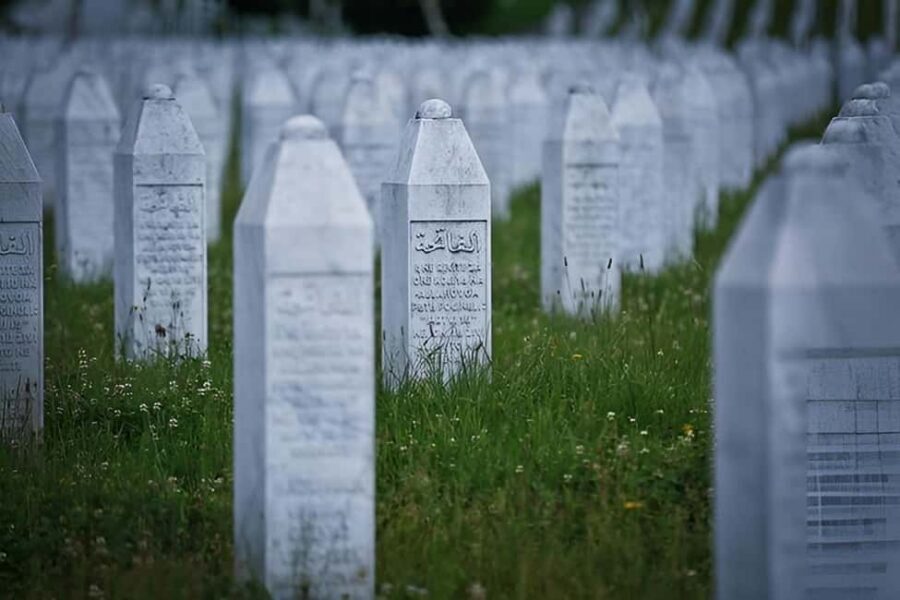
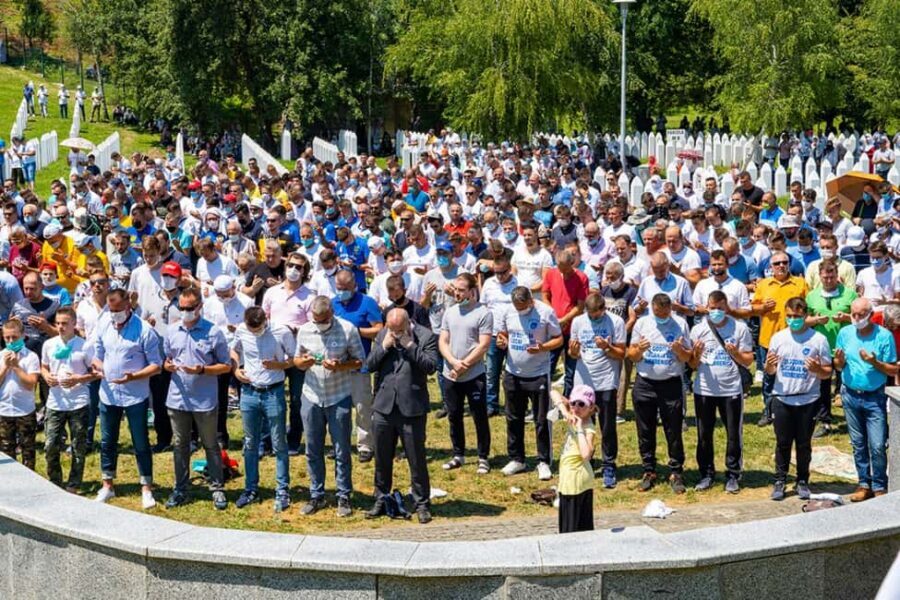
When you arrive at Potočari Memorial Centre, the visit lasts about 3 hours and is guided. The center is the heart of the experience, and you’ll get a locally guided tour and history class with official guidance, supported by a local guide connected to the events as a survivor.
One reason this part works is the structure. You’re not only standing in a place of remembrance—you’re learning how the site is organized to explain what happened and what it meant. You’ll also have time to process what you’re seeing rather than rushing through in a photo-stop sprint.
You’ll also notice that the visit includes multiple learning elements: museum displays, rooms that anchor memory, film and documentary materials, and a chronology presented through exhibits. That’s especially valuable if you’re the type who likes to understand the “how and why” instead of only learning the “what.”
The Former UN Base Museum: The Failure Theme Isn’t an Extra
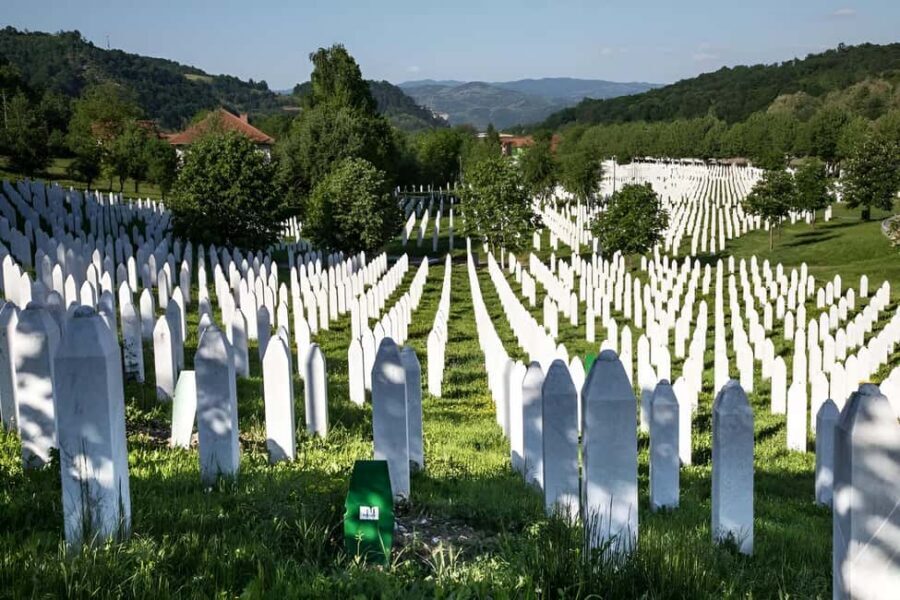
A standout portion of the visit happens at the former UN base. Here, you’ll see the Museum titled around Srebrenica Genocide and the failure of the international community. The tone is serious, but the content is organized so you can connect events to responsibility, not just emotion.
Expect things like:
- the Memorial Room concept and related study areas
- documentary movies
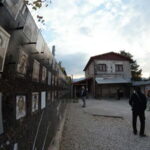
- chronological photo exhibitions
- graffiti remains you’ll have to look at slowly
- personal stories, including stories connected to an in-base mass grave
What you’ll gain is a clearer understanding of how memory is built from evidence and witness. This is one of those rare travel moments where you leave with more than a description—you leave with a framework for understanding why the tragedy is remembered this way.
Survivor-Led Stories: The Difference Between Hearing Facts and Hearing Impact
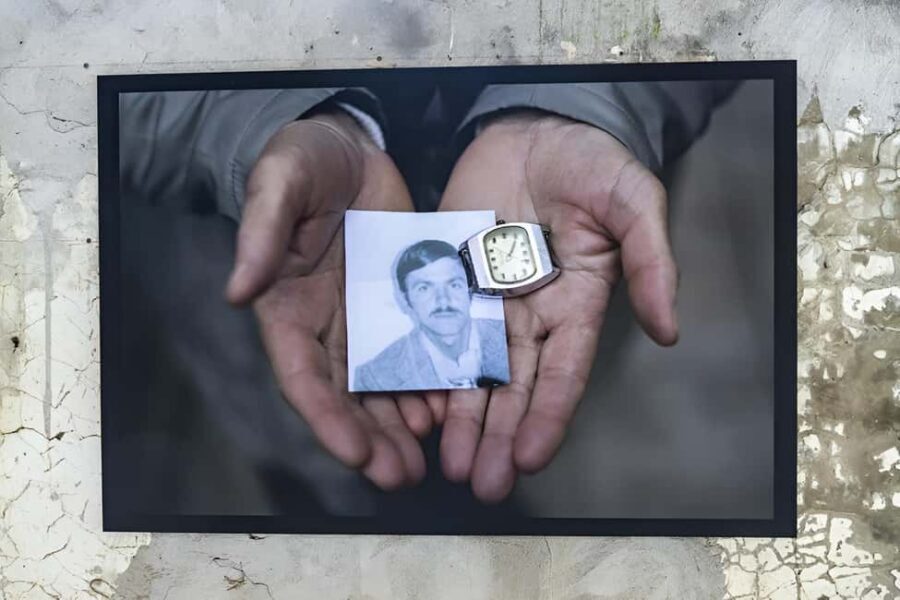
This tour doesn’t treat survivor testimony like a bonus. Your guide and the Memorial Centre’s local guide work together to deliver history and lived experience, and the local guide is a survivor who shares personal experiences as part of the history class.
That changes the whole feel of the day. Facts still matter, but the emphasis is on consequences—what it meant for people in the moment, what it still means now, and how denial and discrimination affect daily life long after the fighting stops.
If you’re trying to make sense of genocide in an informed way, this is the point where the learning becomes real. You’re not just trying to memorize dates. You’re learning how survivors and communities carry the story, and how international failure is part of the moral record.
Also, because the tour encourages questions of a personal nature, you’ll have the chance to ask about difficult topics instead of guessing what you’re supposed to feel.

Lunch With a Local Family: Home-Cooked, Not Tourist-Factory
The highlight for many people is lunch with a local family in Srebrenica. It’s included and it’s home-cooked, and the day clearly treats this meal as more than a refueling stop.
Here’s why it matters: the tour is designed to support sustainable and responsible tourism in a place facing high unemployment, genocide denial, and severe discrimination toward predominantly Bosniak people. Sharing a meal helps in two ways at once—money flows into the community, and conversations make the history less abstract.
You’ll typically spend about 1.5 hours here, with time to talk. I like that this isn’t forced into a scripted cultural performance. It’s structured around bonding—through food and stories—so you get a fuller picture of life today, not only the past.
Practical tip: if you’re sensitive to emotional conversations, let the pace set itself. This meal can be the moment when your brain shifts from museum-learning to human understanding.
Srebrenica Town Time: A Short Stroll to Ground the Story
After lunch, there’s a brief guided tour of Srebrenica (about 15 minutes), plus some town exploration time. This isn’t a long wander, so don’t expect a deep dive into every street corner.
Instead, it’s there to help you physically anchor what you learned at Potočari. You’ll connect the memorial context to the living town around it, and you’ll get a small sense of how the community exists in the present tense.
My advice: use this time to notice what’s there now—then use your questions afterward in your own notes or conversations back in Sarajevo. Even a short town stop can change the way the memorial information lands in your mind.
Price and Value: What $100 Actually Covers in a Long Day
The price is $100 per person for an 11-hour experience that runs with hotel pickup and drop-off in Sarajevo, plus transfers the whole way. You’re also covered for arrangements to visit the Memorial Centre in Potočari, guided history components, and lunch.
So where does the value come from?
- You’re paying for guidance quality, including a professional English-speaking guide and a local Memorial Centre guide connected to the events as a survivor.
- You’re paying for access and organization, including pre-arranged timing so you can meet with the local guide and fully explore the premises.
- You’re paying for an included meal with a local survivor family, which is usually the most meaning-heavy part of the day.
The only real “cost” you should mentally budget is time. The ride takes most of the morning and a good chunk of the return, which may not suit you if you prefer shorter tours. One recent feedback noted that a chunk of the day is spent traveling; that’s fair, and it’s worth weighing against the depth of the memorial experience.
Small Group Touring: Why Up to 8 People Works Here
This is a shared tour limited to 8 participants. That group size is not just a comfort upgrade—it affects your ability to understand.
With fewer people, you can ask follow-ups and your guide can respond in a way that matches what you’re trying to understand. In a topic like this, the ability to ask one more question matters more than speed or crowd management.
It also means the emotional temperature is easier to manage. You’re still in serious territory, but the day doesn’t turn into a queue system.
What to Bring and How to Dress for a Respectful Visit
For a smooth day, bring:
- comfortable shoes
- a camera
- water
- a headscarf
Wear smart casual. Since you’ll be in memorial spaces and moving through museum areas, comfort matters more than fashion. If you forget something small like a headscarf, you might find it harder to follow site expectations, so pack it even if you’re not sure you’ll use it.
Who This Tour Fits Best
I think this is a strong fit if you:
- want an informed explanation of what happened in Srebrenica and how it connects to the wider collapse of Yugoslavia
- prefer a small-group setting where questions are welcome
- value survivor-led storytelling and aren’t looking for a quick photo itinerary
- want cultural connection through a shared meal, not only a museum visit
If you’re looking for a relaxed day trip focused on casual sightseeing, this probably won’t match your mood. The material is heavy and the pacing is built for understanding and remembrance.
Should You Book This Tour?
Yes—if your goal is understanding, and you’re ready for a long, emotionally serious day that prioritizes context over convenience. The combination of guided memorial access, survivor-led history, and lunch with a local family is a lot to get in one day, and the structure helps you leave with a clearer picture rather than a blur of tragedy.
Skip it only if the idea of extended travel time and memorial-focused learning would feel like too much. In your case, it may be better to choose a shorter format or add extra time in Sarajevo to decompress afterward.
FAQ
How long is the tour?
The full experience lasts about 11 hours, with pickup in Sarajevo around 8am and returning to Sarajevo around 6 or 7pm.
What’s included in the $100 price?
You get hotel pickup and drop-off, transfers, a professional English-speaking guide, arrangements for the Potočari Memorial Centre visit, a local Memorial Centre guide, and lunch with a family of local survivors.
Is lunch included, and what is it like?
Yes. Lunch is included and it’s prepared by a local family, designed to be home-cooked and culturally meaningful, with time to talk.
What will I see at Potočari Memorial Centre?
You’ll visit with guided history class and see parts of the memorial experience, including museum areas and exhibits, plus time connected to the former UN base elements.
Will I have a survivor-led component during the visit?
Yes. The local Potočari Memorial Centre guide is a survivor and provides a history class and personal experiences as part of the tour.
Is there an entry fee for the Potočari Memorial Centre?
The entrance to the Memorial Centre of Potočari is free of charge, but the tour arranges your visit in advance to support meeting with a local guide and fully exploring the premises.
How big is the group?
The tour is limited to a small group of up to 8 participants, and it’s shared unless you book a private option.
What language is the tour in?
The tour is conducted in English, with live guiding throughout.
What should I wear or bring?
Bring comfortable shoes, water, a camera, and a headscarf. Wear smart casual for memorial spaces and time outdoors or in transit.
Is free cancellation and reserve-pay-later available?
Yes. You can cancel up to 24 hours in advance for a full refund, and reserve now & pay later is available so you can keep plans flexible.
You Might Also Enjoy
More Lunch Experiences in Sarajevo
More Tour Reviews in Sarajevo
- Fall of Yugoslavia, Sarajevo War Tour with Tunnel of Hope Museum and Frontlines
★ 5.0 · 1,314 reviews