REVIEW · MOSTAR
Mostar: Sarajevo Grand Tour with Tunnel of Hope Museum
Book on GetYourGuide →Operated by Dream Balkans Travel · Bookable on GetYourGuide
Sarajevo packs emotion fast, and this route keeps pace without rushing the key stops. I love the Tunnel of Hope education delivered by a war veteran perspective, and I love the Trebević Mountain views from the former 1984 Olympic track. The main catch is time: you’ll see a lot in one day, but you won’t get a slow, linger-at-every-corner Sarajevo.
You also get a genuinely human storytelling style, with guides like Adnan (Tunnel of Hope portion) and Enes (walking tour) bringing the city to life through personal connections and humor. If you’re hoping for a long, unstructured city day or a relaxed pace, this is still a strong tour, but plan to move.
In This Review
- Key things to know before you go
- From Mostar to Konjic: the long ride that sets the stage
- Tunnel of Hope and the Sarajevo Rose: war explained by firsthand voices
- Trebević Mountain’s 1984 bobsleigh track and siege-era views
- Second-largest Jewish cemetery in Europe: stećak-style tombstone shapes
- Sarajevo Old Town walking tour: mosques, churches, bells, and the WWI trigger
- Timing, groups, and what the 8 to 11 hours really feels like
- Price and value around $76: what you’re really paying for
- How to make this day work well for you
- Should you book this Mostar–Sarajevo grand tour with Tunnel of Hope?
- FAQ
- How long is the tour from Mostar to Sarajevo?
- Where do you get picked up for the Sarajevo part of the tour?
- What are the biggest stops on the day?
- Does the tour include tickets for the Tunnel of Hope Museum?
- Is lunch included?
- Is the tour guided in English?
- Do you get a return ride back to Mostar?
- Does the tour include bottled water and skip the ticket line?
- Is this tour suitable for people with mobility impairments?
- FAQ
- What should I bring for the tour?
- Is free cancellation available?
- How much does the tour cost?
- What kind of group size is it?
- Is hotel pickup and drop-off included?
- Do I need to pay for museum or personal expenses?
Key things to know before you go
- War firsthand at Tunnel of Hope: expect a short movie plus a longer presentation focused on the tunnel’s role and the war’s impact
- Trebević Olympic track access: you can walk on the former bobsleigh and luge track while taking in siege-era context
- Konjic stop that explains the region: ancient traces 4,000 years back, then Ottoman-era shaping
- Old Town walking tour with living soundscape: calls to prayer and church bells near each other as you learn the layers of Sarajevo
- Second-largest Jewish cemetery in Europe: tombstone shapes linked to medieval stećak traditions
- Value built into the day: transport, water, English guide, pickup/drop-off in Mostar, and a train back option
From Mostar to Konjic: the long ride that sets the stage
This day starts in Mostar with hotel pickup, and you’ll head out with an English-speaking guide and air-conditioned transportation. The drive isn’t just “getting there.” It’s part of the story: you first stop in Konjic, one of the oldest towns in the country.
Konjic is where the history goes from theory to real geography. You’re told the area shows archaeological traces going back around 4,000 years, with written documents that date back to the 14th century. And you get the key context for why the town looks the way it does today: the modern appearance began to form once the Ottomans arrived.
After Konjic, the route weaves through a country-card mix of canyons, mountains, lakes, and historic towns. Even if you’ve read about Bosnia and Herzegovina before, this kind of road-based journey helps you understand why Sarajevo and its surroundings mattered so much during the wars.
Practical note: the day is long by design (8 to 11 hours). If you’re the type who likes to recharge with long stops, you might feel it. If you’re happy to keep moving, the travel time helps you settle into the topic before you hit the serious parts.
You can also read our reviews of more tours and experiences in Mostar.
Tunnel of Hope and the Sarajevo Rose: war explained by firsthand voices
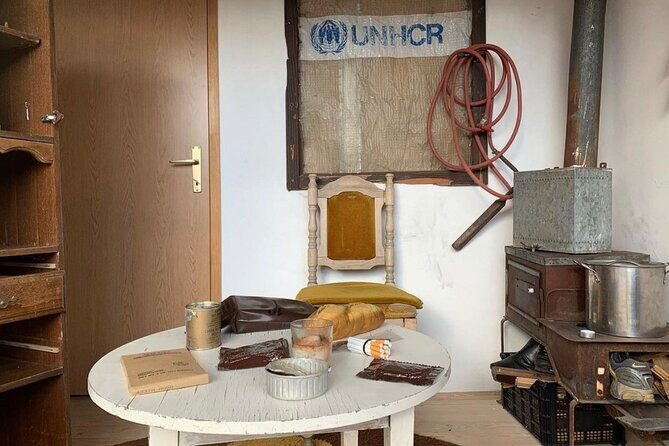
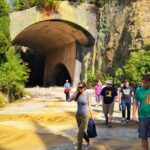
The emotional center of the tour is the Tunnel of Hope Museum, and you don’t just “walk through exhibits.” You start with a clear orientation: there’s a short movie, then a presentation that runs about one hour.
You’ll also notice the museum’s famous visual marker, the Sarajevo Rose, right at the entrance area. It’s a small detail, but it helps you anchor what you’re learning. Then the museum explains the broader timeline and the practical idea behind the tunnel: the fall of Yugoslavia and the wars across Slovenia, Croatia, and Bosnia and Herzegovina, plus why the tunnel mattered for survival.
What makes this portion stand out is the human delivery. On past departures, the Tunnel of Hope guide has been a war veteran, which changes the tone from facts-on-a-page to lived experience. Even when the presentation covers big historical themes, you’re guided to connect them back to Sarajevo’s daily reality during the siege—how people coped, what the tunnel made possible, and what it cost.
Is it heavy? Yes. Is it handled with clarity? Also yes. For me, the best part is that you get both the emotional gravity and the reasoned explanation of how the tunnel worked—so you leave understanding the story instead of just feeling it.
One consideration: the Tunnel of Hope museum entrance fee isn’t included. So budget for that extra cost if you’re comparing the all-in price carefully.
Trebević Mountain’s 1984 bobsleigh track and siege-era views
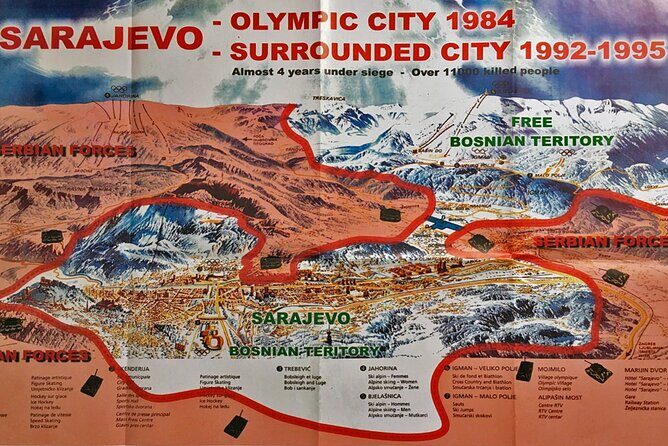
Right after the museum, you head toward Trebević Mountain. This is the closest mountain to the center of Sarajevo, and the tour frames it with siege context right away.
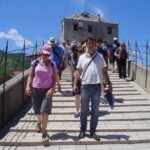
You’ll have a chance to see and even walk on the former bobsleigh and luge track that was used during the 1984 Sarajevo Winter Olympics. That’s a fun contrast point: Olympics-era sport infrastructure still exists, but the meanings of those same slopes and vantage points were later shaped by the war.
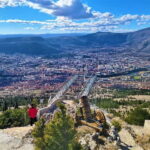
Trebević also gives you the kind of panoramic views you can’t replicate from street level. And the guide ties those viewpoints to what happened during the siege—because these were positions used by the enemy army. That makes the scenery feel like more than a backdrop; you’re looking at a real place where strategy and survival played out.
For photographers, the view is great. For history lovers, it’s even better. For anyone who likes context, it’s a rare moment where you can stand somewhere physical and understand why it mattered.
Potential drawback: it’s hard to linger. You’ll do the track, you’ll take in the views, and then you keep moving. Bring comfortable shoes, because you’ll be on your feet and walking as part of the experience.
Second-largest Jewish cemetery in Europe: stećak-style tombstone shapes
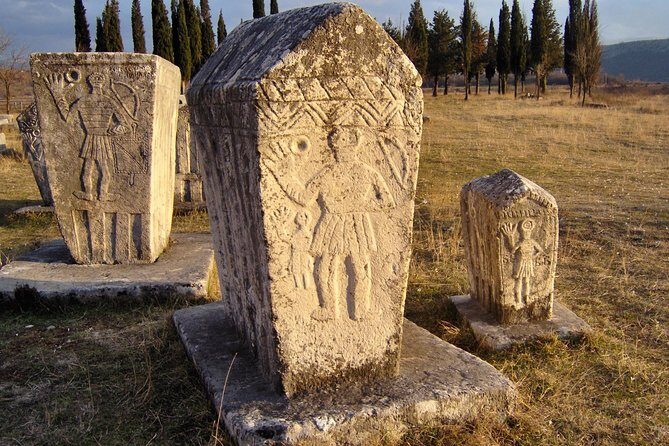
Not far below Trebević, the tour stops at the second-largest Jewish cemetery in Europe. This is one of those places where the best takeaway isn’t a single fact—it’s noticing patterns and learning why they exist.
The cemetery is known for tombstones with unique shapes that you can mostly see in Bosnia and Herzegovina. The tour explains that these shapes are believed to be influenced by medieval Bosnian tombstones called stećak.
That connection is the value here. You’re not just looking at graves. You’re seeing how local traditions can show up in unexpected ways, even across different communities. It’s a reminder that Sarajevo wasn’t only a city of borders or conflict; it was also a city of shared influences that left visible marks over centuries.
After the cemetery, you’ll head toward Sarajevo Old Town for a traditional Bosnian lunch. Important: lunch is not included in the base price, so treat this as an added cost. I like this setup because you get a real meal in the same area where the walking tour begins, instead of losing time hunting for food later.
Sarajevo Old Town walking tour: mosques, churches, bells, and the WWI trigger
This tour’s walking portion is where Sarajevo becomes most alive. You’ll explore Sarajevo Old Town with an experienced guide, and the focus is on how different cultures and religions sit close together.
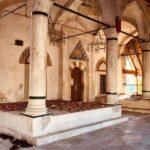
You’ll hear how the city blends Ottoman, European, and Yugoslav influences. And you’ll be shown architecture across several communities: Muslim, Catholic Christian, Orthodox Christian, and Jewish landmarks. The best part is the sound overlap you experience in real time—calls to prayer alongside church bells not far from each other.
It’s also where you learn the story with global ripple effects. The guide talks about the assassination that triggered World War I, and you’ll connect it to what was happening in Sarajevo at the time. Then the tour brings it back to human resilience by discussing how Muslims and Jews protected each other across different wars.
In other words, this isn’t just “look at the buildings.” It’s a guided explanation of how Sarajevo’s identity formed—through conflict, yes, but also through coexistence and mutual protection.
Time reality check: this is a walking tour inside a tight day schedule. You’ll get good coverage and key highlights, but you won’t replace the value of doing an extra solo stroll in the evening if you have more time.

Timing, groups, and what the 8 to 11 hours really feels like
This is a 8 to 11 hour day, and it moves. The structure is designed around big, time-intensive anchors: Konjic, Tunnel of Hope, Trebević, the cemetery, lunch, and the Old Town walking tour.
The day includes:
- Hotel pickup and drop-off in Sarajevo (with the pickup arrangement based on a driver holding a sign with your last name)
- English-speaking live guiding
- Bottle of water
- Skip the ticket line (helpful for museum pacing)
Group size is typically private or small groups, which tends to make Q&A easier. You’re also working within a schedule that’s clearly meant to fit people doing a Mostar stay who don’t want to figure out transport and museum timing on their own.
From the reviews I’ve seen, guides like Adnan/Adis have been praised for personal, in-depth war perspectives during the Tunnel segment, while guides like Enes have been praised for humor and storytelling during the Old Town portion. That combination matters because it keeps a heavy topic from turning into a lecture-only day.
One logistics consideration: because the tour can involve a train ticket back to Mostar (for round trip options), your return flow might not always mirror how you expect local transfers to work. Plan to stay flexible and keep your day light—this is still a long, packed itinerary.
Price and value around $76: what you’re really paying for
At about $76 per person, the headline price looks straightforward. But the real value calculation is what’s included.
You’re typically covered for:
- Transport (including air-conditioned bus/car)
- English-speaking guide
- Hotel pickup and drop-off in Sarajevo
- Bottle of water
- Skip the ticket line
- A train ticket back to Mostar in the round trip option
What’s not included is where you should do your “budget math”:
- Tunnel of Hope museum entrance fee
- Lunch
- Personal expenses
So yes, you’ll pay some additional costs, but you’re also paying for a day that solves multiple problems at once: transportation from Mostar to Sarajevo, museum timing support, guide interpretation, and the return option. If you were trying to put this together independently, you’d spend time coordinating routes and paying for guided explanation separately.
Is it the cheapest way to do Sarajevo? Probably not. But if your goal is to get the most meaningful context in one day without juggling tickets and transit, it’s a solid value.
How to make this day work well for you
A few choices can make a big difference.
Wear comfortable shoes. You’ll walk in Old Town and you’ll be on the former bobsleigh/luges track area at Trebević. This isn’t a sit-and-watch tour.
Bring the right mindset for Tunnel of Hope. The tour is designed to explain the siege and the tunnel’s role, and it can be delivered with a veteran’s perspective. Go ready for weighty history, not just sightseeing.
Use your questions. If your guide is a veteran or a guide with personal connections, ask what you’re not seeing on the surface—what people feared, what daily life was like, and how the tunnel changed outcomes. During the Old Town walk, you can also ask how Sarajevo’s religious mix functions in daily rhythms, since the tour’s focus is calls to prayer, bells, and architecture close together.
Plan your lunch as a separate budget item. The day includes a stop for traditional Bosnian lunch, but you’ll be paying for it yourself. Try to treat lunch as part of the cultural flow, not a chore to fit in.
Mobility and walking reality: the tour mentions wheelchair accessibility, but it also states it is not suitable for people with mobility impairments. Because that conflicts on purpose, don’t guess. Check directly with the operator about what “accessible” means for your specific needs, especially for the walking segments and the Trebević stop.
Should you book this Mostar–Sarajevo grand tour with Tunnel of Hope?
I think you should book if you want a focused, guided day that connects three essential parts of Sarajevo in a single flow: the siege survival story at Tunnel of Hope, the physical vantage points at Trebević’s Olympic track, and the layered identity of the Old Town walk.
Skip it if you’re chasing a slow, open-ended Sarajevo day or you’re planning to spend lots of time relaxing between stops. This is a packed itinerary built for people who value strong interpretation and don’t want to plan logistics across multiple locations.
If you do book, go with comfortable shoes, a flexible schedule, and the expectation that part of the day is emotional. That’s also what makes it worth the effort: the tour doesn’t just show you Sarajevo—it explains why the same streets, hills, and buildings mattered.
FAQ
How long is the tour from Mostar to Sarajevo?
It runs about 8 to 11 hours, depending on the starting time and how the day’s schedule runs.
Where do you get picked up for the Sarajevo part of the tour?
Hotel pickup is included in Sarajevo, and the driver will hold a sign with your last name. The tour is designed for people traveling from Mostar as well.
What are the biggest stops on the day?
You’ll visit Konjic, the Tunnel of Hope Museum, Trebević Mountain (including the former 1984 bobsleigh and luge track), a Jewish cemetery, and Sarajevo Old Town for a guided walking tour with lunch.
Does the tour include tickets for the Tunnel of Hope Museum?
No. The Tunnel of Hope Museum entrance fee is not included.
Is lunch included?
Lunch is not included, even though the day includes a stop for traditional Bosnian lunch in Sarajevo.
Is the tour guided in English?
Yes. You’ll have an English-speaking live tour guide.
Do you get a return ride back to Mostar?
A train ticket back to Mostar is included for the round trip option.
Does the tour include bottled water and skip the ticket line?
Yes to bottled water, and yes to skipping the ticket line.
Is this tour suitable for people with mobility impairments?
The information provided says it is wheelchair accessible, but it also says it is not suitable for people with mobility impairments. If mobility is a concern, check with the operator before booking.
FAQ
What should I bring for the tour?
Comfortable shoes are recommended.
Is free cancellation available?
Yes. You can cancel up to 24 hours in advance for a full refund.
How much does the tour cost?
The listed price is $76 per person.
What kind of group size is it?
It can be private or small groups.
Is hotel pickup and drop-off included?
Hotel pickup and drop-off in Sarajevo are included.
Do I need to pay for museum or personal expenses?
Yes. Tunnel of Hope entrance fees, lunch, and personal expenses are not included.