REVIEW · SARAJEVO
COPPER HANDICRAFT WORKSHOP (Make your own souvenir from Sarajevo)
Book on Viator →Operated by Art and Tours Sarajevo · Bookable on Viator
Handmaking copper beats souvenir shopping. In Sarajevo, this small-group copper handicraft workshop mixes a short old-town orientation with market stops where traditional metalwork still matters, then ends with you making your own copper ornament in the coppersmith’s shop. I especially like the mix of craft and city flavor: you walk through the old copper and blacksmith markets (Kazandžiluk and the Bascarsija area) and you also get to sip a classic Sarajevo coffee. The one thing to weigh is that the experience needs good weather, so your evening plan depends a bit on the forecast.
You’ll start at Đulagina 2 and work your way toward Sebilj Fountain and Baščaršija, keeping things focused and not overly rushed. The group stays tiny (maximum 5 travelers), and the tour is offered in English, which makes it easy to ask questions without feeling like you’re just passing through.
In This Review
- Key highlights you will actually notice
- Why Sarajevo’s copper workshop feels more meaningful than a store buy
- From Đulagina to Sebilj: getting oriented with a Sarajevo landmark
- Kazandžiluk: where coppersmithing shaped daily life
- Sarajevo’s Meeting of Culture: the city told in architecture
- Baščaršija coppersmith shop: learn the technique, then make your own copper piece
- Timing, group size, and what you should plan for
- The real value: why $66.23 can make sense for this kind of souvenir
- Should you book the Copper Handicraft Workshop?
- FAQ
- Where does the tour start and end?
- What time does it start?
- How long is the Copper Handicraft Workshop?
- How much does it cost?
- Is the tour offered in English?
- How big is the group?
- What do you do during the workshop?
- What stops are included on the tour?
- Is coffee included?
- What happens if the weather is bad?
- Can I cancel and get a refund?
Key highlights you will actually notice
- A real souvenir you make yourself, not a pre-made trinket you pick up and leave behind
- Small-group walking pace (max 5) with time to talk to the artisan and your guide
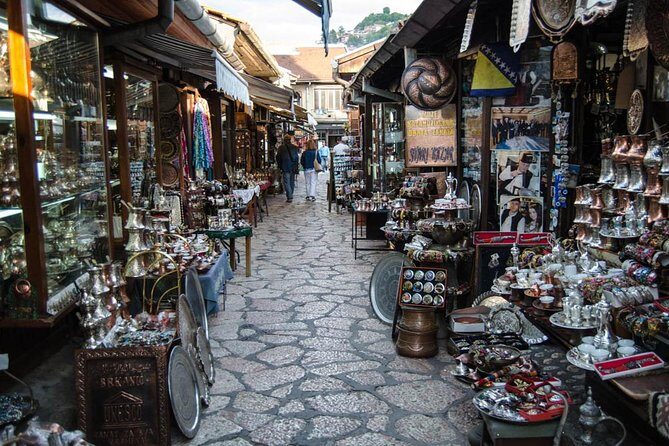
- Ottoman-era metalwork context at Kazandžiluk, where coppersmithing covered dozens of daily items
- Sebilj Fountain and Baščaršija landmarks that help you understand why this corner of Sarajevo feels so layered
- A hands-on workshop led by skilled local teachers like Sulej in the workshop setting
Why Sarajevo’s copper workshop feels more meaningful than a store buy
In Sarajevo, copper craft is not just decoration. It is a living skill tied to how people cooked, served tea and coffee, and outfitted everyday life. That is why this kind of tour works. You start by seeing the places where the trade grew, and then you put your attention on the part that matters most: making something with your own hands.
I like that the day is built around learning by seeing and doing. You get small stops that explain the city’s metalworking roots, then you head to a coppersmith workshop where the lesson turns practical fast. And because the group is capped at 5 travelers, you are less likely to get stuck watching from the edge of the room.
There is also a nice human element. The workshop and city walk are run by locals, and the guidance style is friendly and conversational, not stiff or lecture-heavy. When you talk craft with someone who does it for a living, you get more than facts. You get tricks: how to hold tools, how to shape metal carefully, how to think about design so your souvenir actually looks like you intended it.
If you want a “quick photo stop and move on” kind of activity, this is not that. It takes a little patience. But the payoff is tangible—you walk away with something you can wear or keep, not just images on your phone.
A few more Sarajevo tours and experiences worth a look

From Đulagina to Sebilj: getting oriented with a Sarajevo landmark
The tour starts at Đulagina 2, Sarajevo, with the experience positioned at the old town area you can reach easily. It begins in the late afternoon/early evening at 6:15 pm, and the ending point is near Sebilj and Baščaršija (SebiljBaščaršija 1).
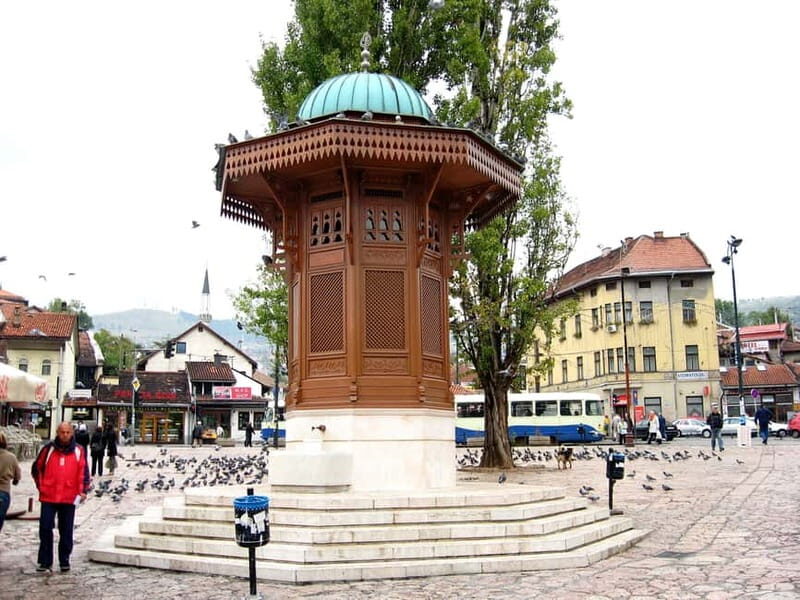
The first stop is Sebilj Fountain. This isn’t a random monument. Sebilj is one of Sarajevo’s symbols, tied to a legend about returning to the city after drinking the water from its fountain spouts. The fountain dates to 1753, and even if you only skim the story, it sets a tone: Sarajevo is a place where history is close enough to touch.
Also, Sebilj gives you a useful starting frame. Before you head into markets, you get bearings. If you have never been to Baščaršija, you will appreciate starting here because it is a natural hub. You can picture the city’s center while you listen, rather than trying to piece it together from memory.
One small consideration: you are doing this as an evening activity. The air can feel cooler, but the upside is you’ll likely get a more relaxed pace through the old streets than you would at midday.
Kazandžiluk: where coppersmithing shaped daily life
Kazandžiluk is where the craft story gets grounded in real objects. The area takes its name from kazandžijas, the master metalworkers and coppersmiths who originally produced kettles for the army and later shifted into a wider range of copper vessels.
This stop matters because it explains that coppersmithing was never just about making pretty items. At the height of Ottoman Sarajevo’s “Golden Age,” coppersmiths were producing around a hundred different kinds of items, from everyday kitchenware to serving pieces. Think coffee pots, pitchers, ewers, trays, and metal table tops—objects you could imagine on a family table instead of behind glass in a museum.
Even if your hands are still empty at this point, you can start mentally mapping what you might learn in the workshop later. Copper becomes less abstract. You begin to see it as a material built for use, then decorated with taste.
A practical plus: this part of the tour is short (around 20 minutes), so you do not get stuck in a long explanation. You get a tight slice of context, then you move on toward the city’s layered architecture and the artisan shop.
Sarajevo’s Meeting of Culture: the city told in architecture
Right after Kazandžiluk, the tour pauses at a spot called Sarajevo Meeting of Culture. The name tells you what the stop is about: Sarajevo as a meeting place of Eastern and Western architecture, earning it a nickname often connected to Jerusalem of Europe.
This is a quick stop (about 10 minutes), but it adds value because it connects the craft to the bigger picture. When cultures meet, materials and techniques often travel too. Metalwork styles, design influences, and everyday objects can reflect cross-cultural exchange even in small details.
If you are the type who normally skips architecture explanations, don’t. Even a short framing like this can help you notice what you otherwise would miss: the way a street can feel both familiar and different in the same view.
And because your main experience is hands-on crafting, this stop is not competing with the workshop. It supports it. It helps you understand why Sarajevo’s craft traditions have their particular look and feel.
Baščaršija coppersmith shop: learn the technique, then make your own copper piece
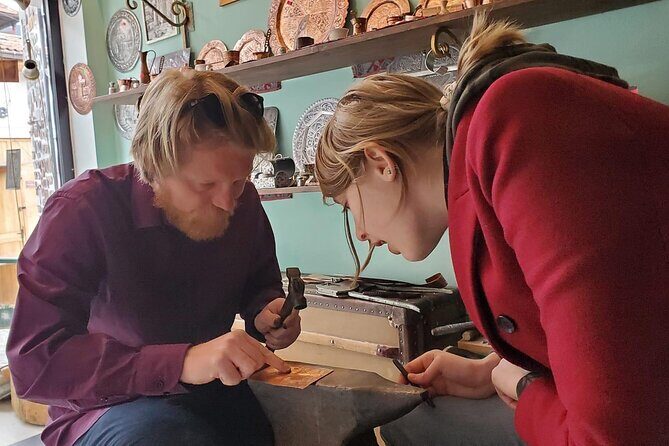
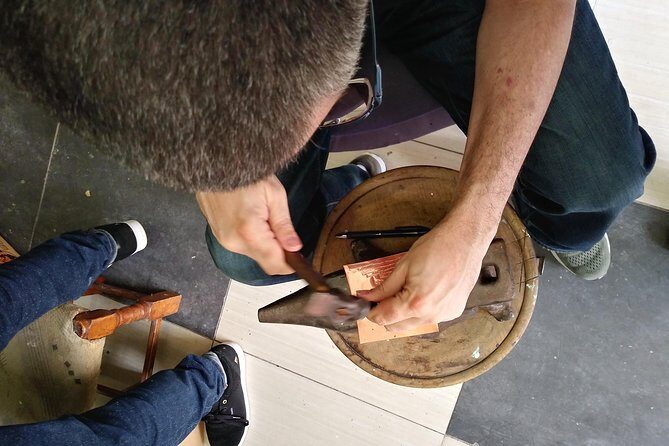
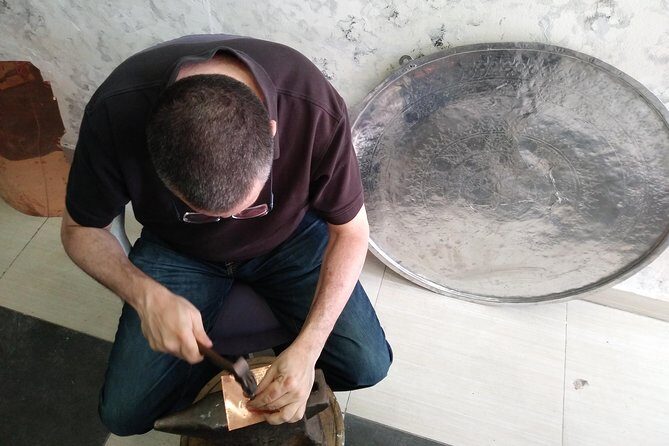
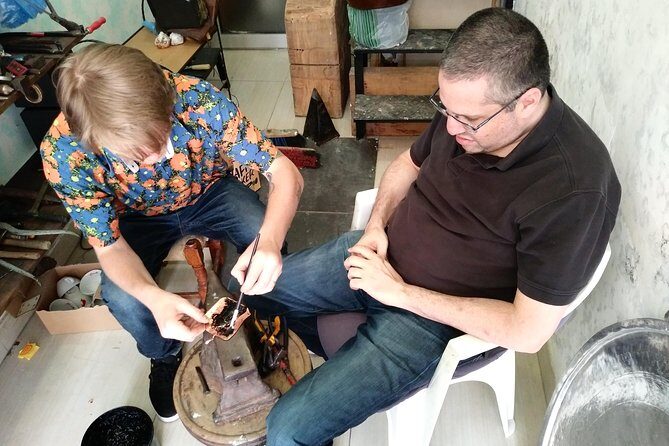
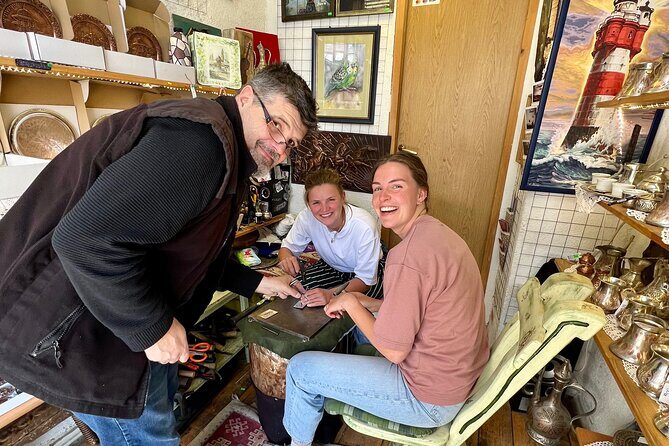
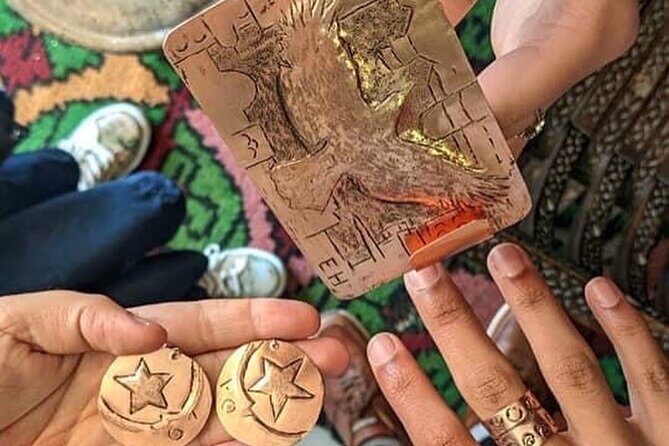
The heart of the experience is the time in Baščaršija, where you meet a coppersmith artist in a colorful shop tied to a long family business. This is where the tour stops being a walk-through and turns into a lesson you can show off.
You and the artisan work together to create a copper souvenir. The time here is about 1 hour, which is long enough to learn a couple of techniques and finish something you genuinely want to take home.
In the workshop, the teaching tone tends to be patient and practical. I find this matters a lot for beginners. Copper work involves small, careful steps, and the best sessions focus on guidance you can actually follow. One teacher you may meet is Sulej, who is known for walking people through different coppersmithing techniques and helping you finish a personal ring by the end of the session. Another guide, Mak, has a personable style that blends city talk with craft context, which keeps the whole experience from feeling like a factory lesson.
What will you make? The tour’s intent is clear: you create an ornament or wearable piece from copper, often described in terms like bracelets and rings depending on the design you choose and the time you have. What you should expect is a workshop where you pick from design ideas, then shape copper under guidance.
Here’s the practical payoff you will feel while making it:
- You see how the artist thinks about design before you touch the metal.
- You learn basic technique steps rather than just repeating one motion.
- You end with an object that feels personal, because you handled the process from start to finish.
And if you care about souvenirs that last, this beats the usual “buy and forget.” You now have a story attached to your piece, and you can explain it without sounding like you’re reading a brochure.
One small consideration: this part is hands-on. If you come in with very tight schedules, double-check your evening plans. You want time to finish, chat, and take photos comfortably without rushing out the moment you think you are done.



Timing, group size, and what you should plan for
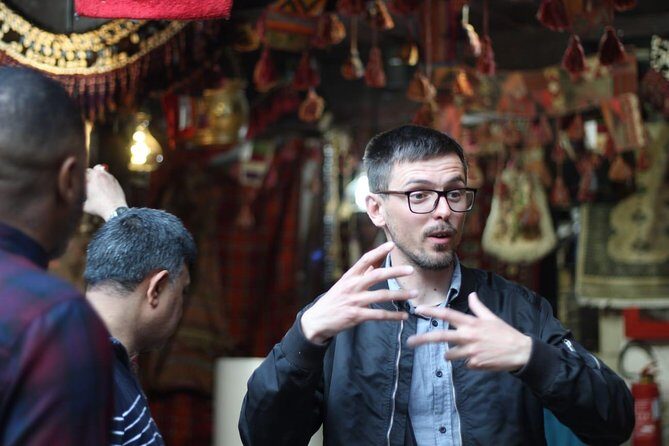
This is an evening tour that runs about 1 to 2 hours total. It starts at 6:15 pm, which means you can pair it with dinner later or use it as a late-day activity when you are already in the old town zone.
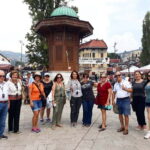
Group size is a big deal here. With a maximum of 5 travelers, you get more attention in the workshop, and you’re less likely to blend into the background. If you like asking questions or want to understand what you are making, this format helps.
The tour includes a mobile ticket, and you should receive confirmation after booking. The experience is offered in English, which is helpful if you are visiting with basic travel phrases and want clear answers about how the craft works and why the city matters.
Also note the weather requirement. The experience requires good weather, and this makes sense because you are walking through parts of the old town between stops before you get to the workshop. If rain moves in, you may need a date change or plan adjustment (the provider offers options rather than leaving you stuck).
What to bring is simple: comfortable shoes for old-street walking, and a mindset that you are there to make something, not just watch. If you can do that, the timing will feel right.
The real value: why $66.23 can make sense for this kind of souvenir
At $66.23 per person, this tour is not the cheapest thing you can do in Sarajevo. But it does not try to compete with free wandering either.
You are paying for three things that usually cost money in different ways:
- Guided city context at key old-town points like Sebilj Fountain, Kazandžiluk, and the Meeting of Culture site.
- Access to the coppersmith workshop, with time set aside specifically for you to create a copper souvenir.
- Instruction and materials time, plus the fact that the group stays small.
If you’ve bought souvenirs before, you know the common regret: you pay for an object, but you miss the skill story. This experience flips that. You leave with something you made during the trip, plus you know why that craft tradition exists in the first place.
I also like the value of learning from locals who run the shop and explain the craft and the city together. When the guidance is friendly and you get genuine conversation—whether with Mak outside or Sulej during the workshop—you tend to remember the experience longer than a checklist of sights.
And because this tour is typically booked well in advance (around 22 days on average), you’re not just buying a last-minute add-on. It’s a known favorite for a reason: people want an authentic Sarajevo memory that isn’t mass-produced.
Should you book the Copper Handicraft Workshop?
Book it if you want a Sarajevo souvenir with a story attached. This is ideal if you like hands-on activities, can handle a short walking evening, and enjoy learning how traditional skills connect to everyday life. It also fits well if you travel with someone who doesn’t want another generic photo tour, because the workshop component gives everyone something to focus on.
Skip it if you only want large, long sightseeing sessions or if you are sensitive to weather-based changes. The tour depends on good conditions, and it is designed as a compact experience—great for a couple of hours, not for a full-day immersion.
If you do book, I’d suggest arriving ready to ask questions and choose a design you truly like. You have about an hour to turn copper into something wearable. That is plenty of time to make a memory you’ll still be proud of later.
FAQ
Where does the tour start and end?
The meeting point is Đulagina 2, Sarajevo 71000. The tour ends at SebiljBaščaršija 1 in Sarajevo, near Sebilj and Baščaršija.
What time does it start?
The start time is 6:15 pm.
How long is the Copper Handicraft Workshop?
It lasts about 1 to 2 hours.
How much does it cost?
The price is $66.23 per person.
Is the tour offered in English?
Yes, it is offered in English.
How big is the group?
The maximum group size is 5 travelers.
What do you do during the workshop?
You create your own copper souvenir/ornament in a coppersmith workshop in the Baščaršija area.
What stops are included on the tour?
The itinerary includes Sebilj Fountain, Kazandžiluk, Sarajevo Meeting of Culture, and then the Baščaršija area for the workshop.
Is coffee included?
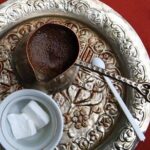
The highlights state that you sip a classic Sarajevo coffee during the experience.
What happens if the weather is bad?
The experience requires good weather. If it is canceled due to poor weather, you will be offered a different date or a full refund.
Can I cancel and get a refund?
Yes. You can cancel for a full refund up to 24 hours before the experience’s start time.
You Might Also Enjoy

More Workshops & Classes in Sarajevo
More Tour Reviews in Sarajevo
- Fall of Yugoslavia, Sarajevo War Tour with Tunnel of Hope Museum and Frontlines
★ 5.0 · 1,314 reviews