REVIEW · SARAJEVO
Tunnel of Hope Tour – Survival and Resilience
Book on Viator →Operated by Insider Ltd · Bookable on Viator
Underground escape, street-level survival. This Sarajevo tour strings together siege landmarks with a guided visit to the Tunnel of Hope Museum, plus time to walk the area tied to Sniper Alley. In a short window, you get a clear sense of how Sarajevo held on from 1992 to 1995.
I love the firsthand, war-era stories guides bring, including people like Nermin, Safet, Haris, Yasif, and Jernej. I also love how you go from the city’s street scars to the tunnel reality, instead of treating the siege like a distant textbook.
One drawback: the subject matter is emotionally tough, and the Tunnel of Hope Museum ticket isn’t included in the base price. Expect extra cost for that museum entry, and plan for a thoughtful, heavy kind of sightseeing.
In This Review
- Key Highlights Worth Your Time
- Why the Sarajevo War Tunnel Still Matters
- Where the Tour Starts at Zelenih beretki 30
- The City Drive: Siege Landmarks You’ll See Without Needing a Car
- The Panoramic Overlook and Siege Basics You’ll Actually Remember
- Sniper Alley: Walking the Area That Earned Its Name
- Tunnel of Hope Museum: Exhibits, UN Video, and the Reality Underground
- Museum ticket cost you should plan for
- Guide Style: The Difference Between a Tour and a Story You Can Use
- Duration, Group Size, and What to Bring for Good Walking Comfort
- Getting the Most Value: How This Fits Into Your Sarajevo Day
- Should You Book the Tunnel of Hope Survival and Resilience Tour?
- FAQ
- Is the Tunnel of Hope Museum ticket included in the tour price?
- How long does the Tunnel of Hope Tour take?
- What language is the tour offered in?
- What’s the group size limit?
- Where does the tour start and end?
- What happens if the weather is bad or you need to cancel?
Key Highlights Worth Your Time
- Max 20 people keeps things personal and question-friendly
- English-speaking, licensed guide with real siege perspective
- Drive-by + walk-by siege landmarks, including the corridor nicknamed Sniper Alley
- Tunnel of Hope Museum shows how Sarajevo stayed connected, with an on-site video on UN involvement
- Short, efficient format at about 2 hours 30 minutes with a long enough tunnel stop to make it matter
- A cemetery visit and a life-during-the-siege explanation that turns locations into context
Why the Sarajevo War Tunnel Still Matters
Sarajevo’s Siege (1992 to 1995) wasn’t just fighting. It was daily life under pressure: scarce food, scarce water, and shrinking access to electricity and gas, all while shelling hit the city. The Tunnel of Hope is what happens when survival turns into engineering, organization, and stubborn hope.
What makes this experience valuable is the way it connects big events to real space. You don’t only hear about supplies being moved. You see why a hidden passage beneath an airport area could change everything. That’s the emotional core of the tour: resilience you can measure in concrete, not just in speeches.
And because the tour includes both street-side landmarks and the tunnel visit, you get a sense of the siege from two angles. Above ground, the city shows damage and warning. Underground, it shows planning and endurance.
You can also read our reviews of more tours and experiences in Sarajevo.
- Fall of Yugoslavia, Sarajevo War Tour with Tunnel of Hope Museum and Frontlines
★ 5.0 · 1,314 reviews

Where the Tour Starts at Zelenih beretki 30
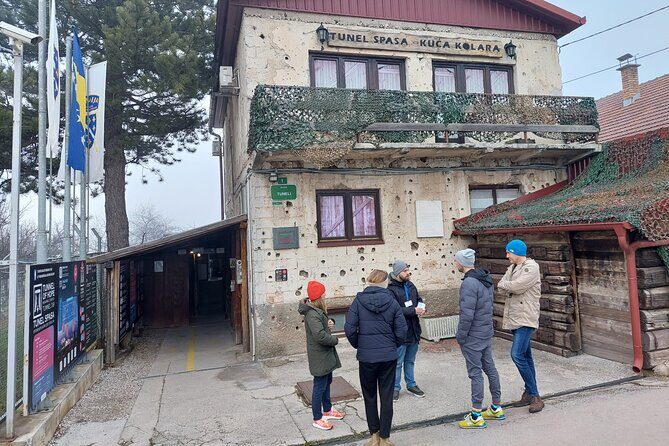
You’ll meet at Sarajevo Insider – City Tours and Excursions at Zelenih beretki 30, Sarajevo 71000. The tour ends back at the same meeting point, so you’re not scrambling for a new pickup.
It’s designed to be low-friction: you get a mobile ticket, and the meeting point is near public transportation. That matters if you’re juggling other Sarajevo plans, because you can get there without a complicated routing puzzle.
Also, this is a small-group style tour (up to 20 people). That size helps with the flow of a subject this heavy—there’s room for questions without the usual herd effect.
The City Drive: Siege Landmarks You’ll See Without Needing a Car
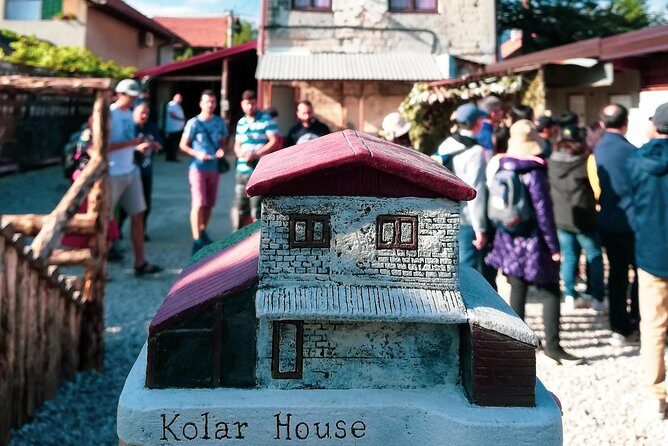
The tour uses transportation, so you get a guided “best-of-the-siege” route without spending your whole day behind a wheel. Along the way, you pass major institutions that took hits and held key roles during the war era.
A few of the stops you’ll pass by or work into the story:
- Markale City Market for a sense of wartime reality inside daily life
- Trg Djece Sarajeva as a symbol tied to Sarajevo’s endurance
- Presidency Building and other political sites that mattered during the siege
- Parliament and the Holiday Inn Hotel as places connected to wartime journalism and decisions
- RTV Dom (TV Building), which broadcasted during key moments
- City Hall and the National Library of Bosnia and Herzegovina, both central to the city’s identity
- National Museum, Skenderija Market, and Zetra Olympic Hall as more examples of how the city functioned under strain
You also get an overview from a panoramic overlook. That viewpoint helps you connect the dots later when you’re walking in the more intense areas.
One practical consideration: since this is partly a drive, you won’t get the same slow, stop-every-corner approach you’d find on a pure walking tour. The value here is momentum plus guided interpretation.
The Panoramic Overlook and Siege Basics You’ll Actually Remember
Before you head into the most intense parts, you’re given the core timeline and framework for what you’re seeing. The siege period (1992–1995) isn’t just a date range. You learn what it looked like for people living there: limited essentials and constant threat.
You’ll also hear how residents coped when normal city systems were interrupted. Scarcity wasn’t theoretical. It affected food, water, electricity, and gas—so daily routines changed. That context makes the landmarks feel less like photo backdrops and more like survival infrastructure.
The tour also includes time at a cemetery where victims of the war are buried. It’s not there for shock value. It’s there to ground the stories in the human cost and to keep the “resilience” theme honest.
If you prefer your sightseeing light and fast, this is where you should be cautious. This section sets the emotional tone early.
Sniper Alley: Walking the Area That Earned Its Name
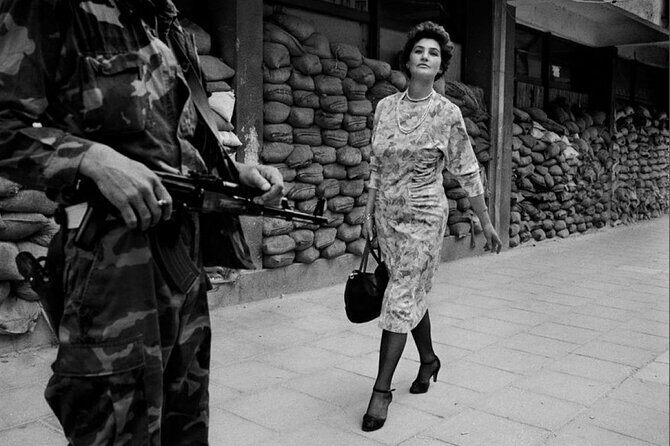
One of the tour’s most striking moments is going near the corridor known as Sniper Alley. You’ll drive through the area that was considered the most dangerous street in Sarajevo during the 90s, then later you’ll walk through Sniper Alley and along tunnels used during the war.
Why this matters: names like Sniper Alley come from something specific. Walking it with a guide turns the term into geography. You start to understand how buildings, lines of sight, and movement mattered when danger was ever-present.
This is also where the tour becomes more than “look at buildings.” It becomes “understand constraints.” In practical terms, you’ll want comfortable shoes. Even if the time isn’t long, you’re outside in real urban terrain, and you’ll likely pause to take in the guide’s references.
If you’re sensitive to intense war-related storytelling, you may want to pace yourself. You can take a short pause, step back from the group, and let your brain catch up.


Tunnel of Hope Museum: Exhibits, UN Video, and the Reality Underground
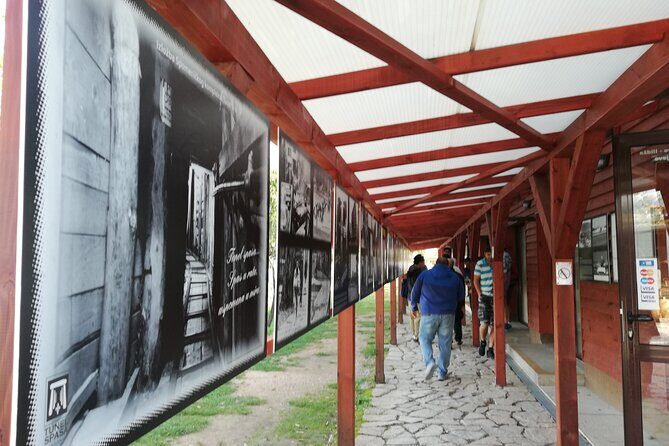
The highlight is the Sarajevo War Tunnel / Tunnel of Hope Museum visit. The time inside is about 1 hour 15 minutes, and that’s where the story shifts from streets to survival logistics.
Inside the museum, you’ll see exhibits explaining:
- how the underground passage was constructed
- why it was built
- what it made possible during the siege
There’s also a video about UN intervention during the Siege of Sarajevo. That detail helps you see the siege in a larger context—local survival alongside international awareness and politics.
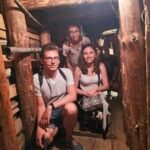
Now, about the tunnel walk itself: access and configuration can change due to safety rules. The core idea you’ll feel is the difference between the real tunnel limitations and the replica experience. One guest described how the original tunnel’s dimensions are extremely narrow and low (about 1 meter wide and 1.6 meters high), which can feel claustrophobic for many adults. That’s one reason you’re likely to experience the walkthrough through a reconstructed section that recreates the sense of confinement in a more accessible way.
So expect: guided interpretation, then a physical reminder that this wasn’t a romantic underground stroll. It was built for movement under pressure.
Museum ticket cost you should plan for
The Tunnel of Hope Museum admission is not included in the base price. Ticket pricing listed for the museum is:
- Adult: 20 BAM (about 10.50€)
- Student: 8 BAM (about 4.50€)
If you’re budget-checking, add this in right away so it doesn’t surprise you at the counter.
Guide Style: The Difference Between a Tour and a Story You Can Use
What really drives the high ratings is how guides tell this material. Many guides on this tour bring a lived-in connection: people who experienced the siege as children or who served in roles connected to wartime operations.
You’ll hear names come up often—Nermin, Safet, Haris, Yasif, Jernej—and the common thread is straightforward storytelling with room for questions. Several descriptions highlight guides as part historian and part storyteller, using visual aids like pictograms to help explain events and relationships between locations.
A strong plus: you’ll usually come away with a clearer mental map. People remember not just what happened, but where it happened and why those places mattered. That’s the practical benefit.
Some guides also share personal perspective on Sarajevo after the war—what life became, what changed, and what stayed. That helps your sightseeing feel connected to the present, not frozen in 1990s tragedy.
Duration, Group Size, and What to Bring for Good Walking Comfort
This is typically about 2 hours 30 minutes total. With about 1 hour 15 minutes at the tunnel museum, you’ll spend the rest on the city route, viewpoints, and the Sniper Alley area.
The group max is 20 people, and the tour includes transportation plus a licensed guide. For many people, that combo is the sweet spot: enough structure to guide your understanding, short enough to fit into a packed Sarajevo itinerary.
A few practical packing tips (based on how this tour plays out):
- Wear comfortable shoes for walking along Sniper Alley and tunnel areas
- Bring layers. Sarajevo weather can shift, and the tour depends on good weather
- Carry water and a small snack if you tend to get hungry during museum time
- Keep your phone charged for the mobile ticket and quick notes
Because the tour requires good weather, it’s smart to plan this for a day you’re not emotionally committed to a fixed outdoor schedule.
Getting the Most Value: How This Fits Into Your Sarajevo Day
If you only have one shot at a war-focused tour, this format is efficient. You get city landmarks tied to shelling, then you go underground to see what made survival possible. That sequence helps your brain understand cause and effect: danger shaped movement, and movement shaped survival systems.
It’s also a good match if you’re history-minded but short on time. Longer options exist, often with more stops, but this one prioritizes depth in the tunnel experience while still covering major siege reference points across the city.
If you want a more emotional, grounding experience, you’ll likely appreciate the cemetery stop and the siege context. If you’re looking for mostly architectural sightseeing with minimal heavy content, this may feel too intense for your taste.
Should You Book the Tunnel of Hope Survival and Resilience Tour?
I’d book this if:
- You want to understand Siege of Sarajevo history in a way that connects story to place
- You like tours led by guides with real, personal connection—especially those who can answer questions patiently
- You want a manageable 2.5-hour commitment that still leaves you feeling you saw something essential
- You’re okay with emotional themes, including war victims and daily hardship
I’d hesitate if:
- You prefer light, entertainment-style sightseeing
- You have strong claustrophobia or you know you struggle with narrow spaces (the real tunnel is extremely tight, and even with replicas, the tone is still underground)
- You’re trying to avoid extra costs since the museum ticket is an add-on
Bottom line: this tour is one of the best ways to convert Sarajevo’s modern beauty into a meaningful understanding of what people endured. You’ll leave with a clearer map of the city—and a stronger sense of how resilience can be engineered, organized, and shared.
FAQ
Is the Tunnel of Hope Museum ticket included in the tour price?
No. The tour includes transportation and a licensed guide, but Tunnel of Hope Museum admission is not included. The listed admission is 20 BAM for adults (about 10.50€) and 8 BAM for students (about 4.50€).
How long does the Tunnel of Hope Tour take?
The tour runs for about 2 hours 30 minutes in total. The Sarajevo War Tunnel Museum visit is about 1 hour 15 minutes.
What language is the tour offered in?
The tour is offered in English.
What’s the group size limit?
The tour has a maximum of 20 people.
Where does the tour start and end?
It starts at Sarajevo Insider – City Tours and Excursions, Zelenih beretki 30, Sarajevo 71000. It ends back at the same meeting point.
What happens if the weather is bad or you need to cancel?
The experience requires good weather. If it’s canceled due to poor weather, you’ll be offered a different date or a full refund. You can cancel for a full refund up to 24 hours in advance; within 24 hours, the amount paid isn’t refunded.
You Might Also Enjoy
More Tours in Sarajevo
- Fall of Yugoslavia, Sarajevo War Tour with Tunnel of Hope Museum and Frontlines
★ 5.0 · 1,314 reviews

More Tour Reviews in Sarajevo
- Fall of Yugoslavia, Sarajevo War Tour with Tunnel of Hope Museum and Frontlines
★ 5.0 · 1,314 reviews