REVIEW · SARAJEVO
Bosnian Cooking Lessons
Book on Viator →Operated by INFO BOSNIA · Bookable on Viator
Bosnian cooking is the kind of skill you can taste. In this Sarajevo class, you’ll work through traditional dishes and see how Bosnians build flavor with simple, serious technique. It’s a relaxed, small-group setup where the chef guide teaches while you get your hands in the dough.
I like how the lesson is split into two clear stages, so you’re not just watching. You’ll make several fillings and rolls—then you’ll go on to the phyllo-and-burek part that needs practice, patience, and (yes) a little courage. I also love that wine and soft drinks are served while you learn, which helps keep the mood steady during the fiddly steps.
One thing to consider: alcoholic beverages are included as part of the experience, so if you don’t drink, you’ll want to go in with that in mind and still plan to enjoy the food and technique.
In This Review
- Key things to know before you go
- Sarajevo Cooking Lessons: a home-kitchen class with real technique
- Getting there at 2:30 pm: meeting point and timing that matter
- The panoramic welcome: coffee, tea, and meeting the hosts
- Part I: rolling flavors into soğan dolma, japrak, and paprika dolma
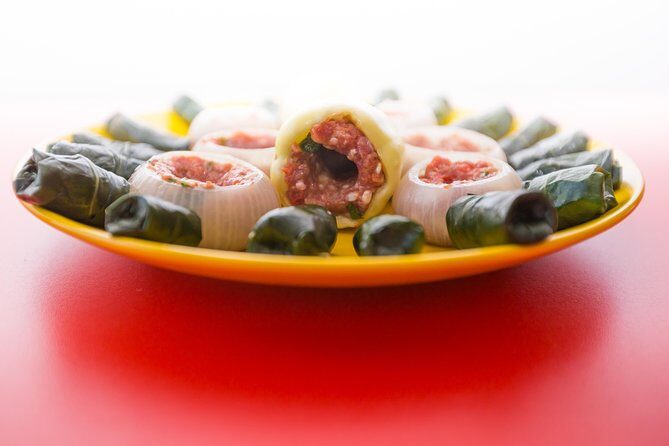
- 1) Soğan dolma (onions filled with minced meat, rice, and spices)
- 2) Japrak (mangel/spinach leaves rolled with minced meat, rice, and spices)
- 3) Paprika dolma (filled peppers, minced meat, rice, and spices)
- Part II: burek phyllo dough and the dough-stretch confidence game
- What you’ll make with burek dough
- Vegan and vegetarian requests
- Eating what you made: dinner, questions, and the best part of skill-building
- Price and value: what $96.79 buys you in Sarajevo
- Practical tips so you enjoy the class instead of rushing it
- Who should book this Sarajevo cooking lesson?
- Should you book Bosnian Cooking Lessons in Sarajevo?
- FAQ
- Where is the meeting point for the Bosnian cooking lessons?
- What time does the class start?
- How long is the Bosnian cooking lessons experience?
- What’s included in the price?
- Is private transportation included?
- Are vegan or vegetarian options available?
- What dishes are you expected to learn?
- How large is the group?
- What’s the cancellation window?
Key things to know before you go
- Small group size (max 13): You’ll have room to work and ask questions, not just sit and watch.
- Two-part menu: Start with rolled dolma/japrak-style dishes, then move to burek phyllo dough.
- Wine-powered technique: The class frames wine as part of getting relaxed for dough stretching.
- Seasonal burek fillings: Your burek dough can be rolled with potatoes, meat, or cheese depending on the season.
- Diet flexibility on request: Vegan and vegetarian options are available if you ask ahead.
- You take the skills home: You’ll have recipes and step-by-step video guidance after the lesson.
Sarajevo Cooking Lessons: a home-kitchen class with real technique
If you want Bosnian food beyond a quick bite at a restaurant, this is a good route. The core idea is simple: you learn the dishes by making them, not by collecting trivia. You’ll get a hands-on rhythm—mixing, rolling, stretching, and then eating what you made while you can still ask questions.
This class also has a social edge that matters. You’re not just learning recipes in a quiet room. You’re learning alongside wine and soft drinks, plus coffee or tea when you arrive, which keeps the pace comfortable for the fiddly work that comes with dishes like burek and dolma-style rolls.
The group stays small (up to 13), which is the difference between a class that teaches and a class that feels like a show. Here, you can usually get your hands guided when your first attempts aren’t perfect.
You can also read our reviews of more cooking classes in Sarajevo
Getting there at 2:30 pm: meeting point and timing that matter
The experience starts at 2:30 pm and ends back at the same meeting point. The listed meeting address is Skendera Kulenovića, 71000 Sarajevo. There’s no private transportation included, so you should plan to reach the meeting point under your own steam (taxi, bus, or on foot if you’re up for a walk).
A practical note from real experience in this kind of setup: people often use the city’s streets to get to the area, and it can take a while if you’re moving uphill. If you’re staying near central Sarajevo, consider wearing shoes you’re happy to walk in, not just sandals.
Also, because the class is about 4 hours (approx.), you’ll want your day schedule to stay open. This isn’t a quick add-on. It’s a meal plus a lesson, so treat it like your main event for the afternoon.
The panoramic welcome: coffee, tea, and meeting the hosts
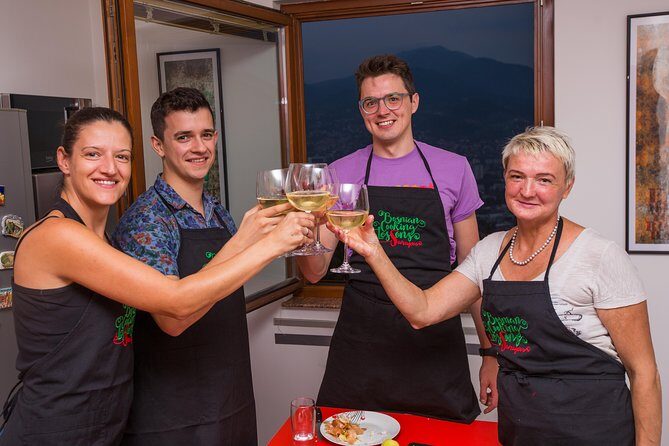
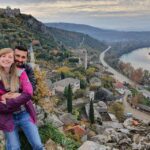
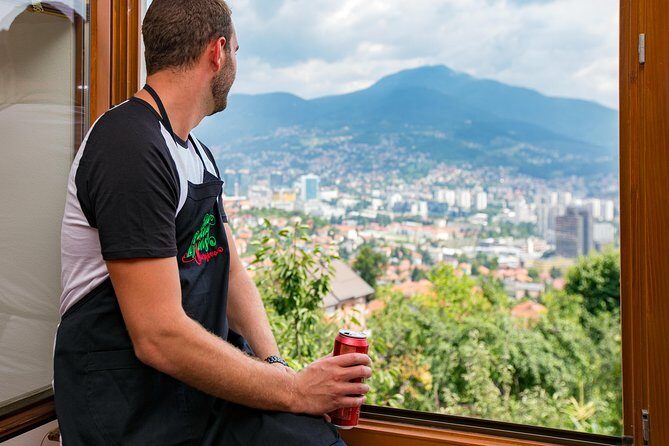
Right when you arrive, you’re served a welcome drink—coffee or tea—and you’ll have time to meet the people leading the class. There’s also a panoramic view of Sarajevo built into the start, which is a nice way to connect the food to the place.
In this setup, the hosts matter. Mersiha and Mustafa are the names you’ll hear most around the kitchen. Even without sharing every story, their role is clear: they guide you step-by-step and keep the mood friendly, so you don’t feel rushed while you’re learning a technique that takes practice.
If you’re traveling solo, this also tends to help. A small group plus a guided kitchen means you’re not left waiting in silence. You’re working, asking, tasting, and adjusting.
Part I: rolling flavors into soğan dolma, japrak, and paprika dolma
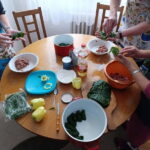
The lesson is designed in two parts, and Part I gives you the foundation. Before you touch burek phyllo dough, you’ll learn how Bosnian-style dolma and roll-making works: fillings seasoned with meat, rice, and spices, plus the patience required to shape them neatly.
1) Soğan dolma (onions filled with minced meat, rice, and spices)
Soğan dolma is a great first step because it teaches structure. You’re working with onions as the outer shell, and you’ll learn how to treat the filling as something you pack (not something you dump). This dish is a hands-on primer for the rest of the rolls.
A few more Sarajevo tours and experiences worth a look
2) Japrak (mangel/spinach leaves rolled with minced meat, rice, and spices)
Next comes japrak, made with mangel or spinach leaves. The lesson here is texture control—how to roll without tearing, and how to distribute filling so each roll cooks evenly. If you’re the kind of cook who gets worried about presentation, this is where you learn that the real win is consistency.
3) Paprika dolma (filled peppers, minced meat, rice, and spices)
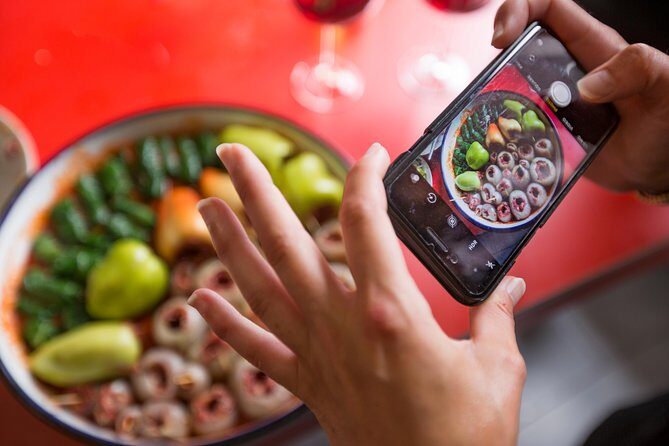
Then you move to paprika dolma: filled peppers with the same core flavor system. It’s another way to understand how Bosnians think about vegetables as containers for the same savory base—then let cooking time and vegetable character do the rest.
By the end of Part I, you’ll understand one big thing: Bosnian cooking here isn’t about one magic trick. It’s about repeating good technique across different shells.
Part II: burek phyllo dough and the dough-stretch confidence game
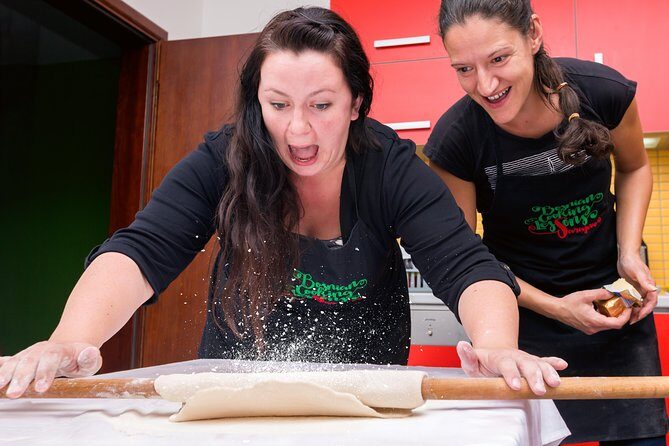
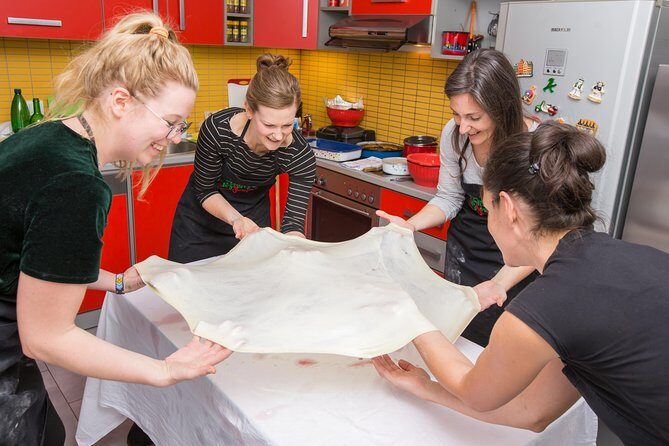
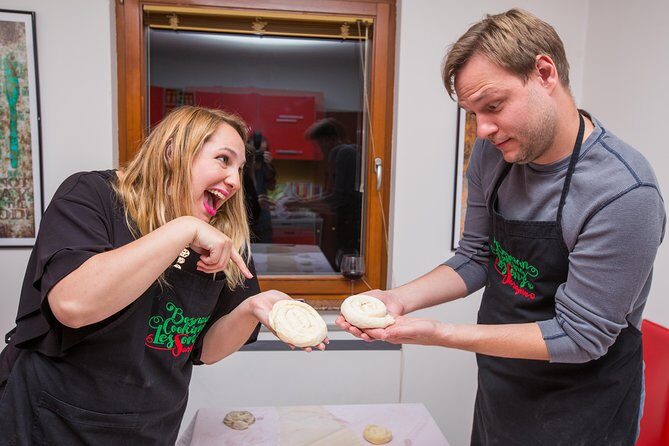
Now the class hits its star ingredient: burek. Burek is where a cooking lesson turns into a skill. Phyllo dough needs careful handling and timing, and this class frames the mental side too.
The course notes wine as part of getting relaxed for stretching and working with the dough. I get the logic. When you’re tense, you fight the dough. When you’re calm, you work with it. And you’ll have wine and soft drinks on the table while you learn.
What you’ll make with burek dough
Your burek phyllo dough gets rolled with fillings that can vary by season—potatoes, meat, or cheese. That’s practical because it teaches you flexibility: you learn the method for rolling and shaping, not just one fixed version.
If you’re aiming to recreate this at home, the value is that you’ll understand how to adapt the filling while keeping the dough approach the same.
Vegan and vegetarian requests
The class also offers vegan and vegetarian options if you request them. The key point for you is planning ahead. If you have dietary needs, message or request early so they can adjust what you’ll cook.
Eating what you made: dinner, questions, and the best part of skill-building
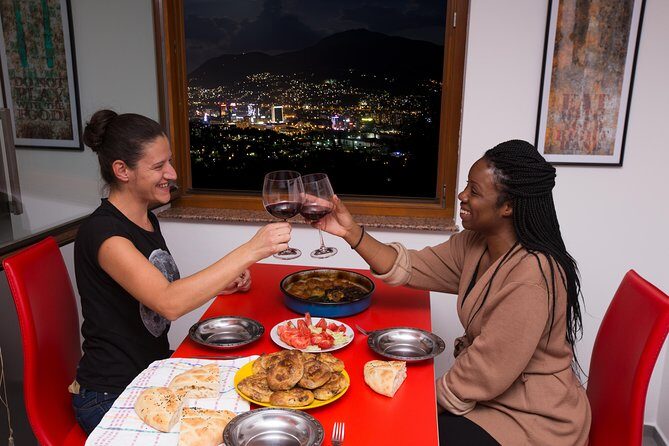
After you finish the cooking work, you sit down to enjoy the food you made together. Dinner is included, along with coffee and/or tea, and alcoholic beverages during the lesson.
This post-cooking phase is more than a meal. It’s when the learning locks in. You get time to ask questions about anything you want—technique, flavor choices, and how to reproduce the results at home.
I also like that the class gives you “permission” to be curious. Cooking can feel intimidating if you only hear instructions and never ask why something works. Here, you’re meant to talk while the food is on the table.
Price and value: what $96.79 buys you in Sarajevo
At $96.79 per person for about 4 hours, the price is fair when you treat it as a paid meal plus a practical workshop.
You’re getting:
- hands-on cooking instruction for multiple dishes (not just one),
- dinner,
- coffee and/or tea,
- and alcoholic beverages during the lesson.
That combination usually costs more if you do it in pieces—cookery class separately, then dinner elsewhere. This is one reason the booking tends to make sense: you leave with both food today and a recipe-and-technique plan for later.
It’s also small-group by design (max 13), which helps protect the value. A class with too many people can turn into “watching with occasional stirring.” Here, the structure is built for doing.
Practical tips so you enjoy the class instead of rushing it
A good cooking lesson is half technique and half comfort. A few practical things help:
- Wear clothes you can move in. Rolling and shaping take time and arm comfort.
- Expect hands-on work. You’re learning the roll technique and the burek dough handling, so you may feel a bit messy.
- If you drink little or not at all, go in with a plan. Alcohol is included, so think about how you’ll pace yourself while you learn.
- If you need vegan or vegetarian food, request it ahead of time so your dishes match the plan.
- Bring a question list in your head. By the end, you’ll have time to ask, so don’t waste it on simple yes-or-no answers.
Who should book this Sarajevo cooking lesson?
This fits best if you want:
- a hands-on Sarajevo experience instead of another walking tour,
- Bosnian classics like burek and dolma rolls in a learn-by-doing format,
- a small group meal experience with a friendly chef guide and hosts like Mersiha and Mustafa.
If you’re the kind of traveler who likes bringing home a skill, this is also a strong pick. A cooking class only feels worth it when you can repeat it later, and the class is set up to help you do that with recipes and step-by-step video guidance after.
Should you book Bosnian Cooking Lessons in Sarajevo?
Yes, I’d book it if you want an afternoon that’s both useful and genuinely local. The structure—Part I rolls, Part II burek dough, then dinner with questions—creates a learning arc you can actually remember. The small group size also helps the experience feel personal rather than crowded.
You might skip it if you’re allergic to the idea of alcohol being part of the lesson mood, or if you want purely non-alcoholic instruction. And if getting to the meeting point is tough for you, remember private transportation isn’t listed as included, so plan your route early.
If you’re flexible, curious, and ready to get your hands involved, this is one of the best ways to experience Sarajevo food as more than a meal.
FAQ
Where is the meeting point for the Bosnian cooking lessons?
The meeting point is Skendera Kulenovića, 71000 Sarajevo, Bosnia and Herzegovina. The activity also ends back at this same meeting point.
What time does the class start?
The start time is 2:30 pm.
How long is the Bosnian cooking lessons experience?
It lasts about 4 hours.
What’s included in the price?
The price includes dinner, coffee and/or tea, and alcoholic beverages.
Is private transportation included?
No. Private transportation is not included.
Are vegan or vegetarian options available?
Yes. Vegan and vegetarian options are available upon request.
What dishes are you expected to learn?
You’ll learn soğan dolma (onions filled with minced meat, rice, and spices), japrak (mangel/spinach leaves rolled with minced meat, rice, and spices), paprika dolma (paprika filled with minced meat, rice, and spices), and burek made with phyllo dough with fillings depending on the season.
How large is the group?
There is a maximum of 13 travelers.
What’s the cancellation window?
You can cancel up to 24 hours in advance for a full refund.
You Might Also Enjoy

More Workshops & Classes in Sarajevo
More Cooking Classes in Sarajevo
More Tour Reviews in Sarajevo
- Fall of Yugoslavia, Sarajevo War Tour with Tunnel of Hope Museum and Frontlines
★ 5.0 · 1,314 reviews