REVIEW · SARAJEVO
🍽️ Sarajevo Food Tour: Eat where the locals eat
Book on GetYourGuide →Operated by .Cheyf Reisen · Bookable on GetYourGuide
5 hours, one neighborhood, serious food. This Grbavica tour wins me over for authentic meals beyond ćevapi and for the way a guide like Nermin (raised in the area) connects the food to everyday Sarajevo life. One thing to plan for: you’ll walk about five kilometres, and it isn’t a good match if mobility is an issue.
I also like that the tasting is tied to place. You’ll move from memorials and bridges linked to Sarajevo’s past to the Pijaca Grbavica market, then end at local bar and bakery stops where the focus is simple: good food, served fast, and eaten by locals.
Come hungry, and keep your bag light. This is a small group (max 8), there’s no luggage/large bags allowed, and you’ll want room for dessert and that ice-cold (in)famous Bosnian rakija.
In This Review
- Key highlights that make this tour worth your time
- Where Grbavica fits into Sarajevo (and why food is the right entry point)
- Starting at Zgosca’s Stećak replica: a calm beginning before the walk turns real
- Crossing Suada and Olga Bridge: Sarajevo’s memory, in public view
- First food stop: the home-cooked style of an Aščinica
- Mural stop at General Jovan Divjak: Sarajevo’s story told in public art
- Pijaca Grbavica market: fruit, people, and the smell of everyday Sarajevo
- Stadium Grbavica visit: understanding front-line geography
- The “sip like a Sarajevan” moment: rakija, beer, or wine
- Local bar stop: where the tour turns social
- Bakery stop with burek: the iconic Bosnian pie, but not the only lesson
- Dessert at a legendary pâtisserie: sweet finish, serious portion
- Dolac Malta stroll and the café stop: finishing with the smell of coffee and talk
- The walking reality: 5 kilometres, small group pacing, and how to plan your day
- Price and value: why $81 can feel like a bargain (if you like real food)
- Who this tour suits best (and who should choose something else)
- Should you book the Sarajevo Food Tour through Grbavica?
- FAQ
- How long is the Sarajevo Food Tour through Grbavica?
- How much walking is involved?
- What food and drinks are included?
- Is the tour good for people with mobility impairments?
- What languages are the live guides available in?
- Are dietary requirements accommodated?
- Where does the tour end, and do I need transport after?
Key highlights that make this tour worth your time
- Food beyond ćevapi: expect four different dishes, plus a bakery burek stop and dessert
- Rakija culture: sip Bosnian fruit brandy ice-cold, the way Sarajevans do it
- Grbavica’s siege story: learn resilience through the neighborhood’s landmarks, including the stadium
- Market time at Pijaca Grbavica: taste what’s fresh and watch everyday local life in action
- Insider guides from Grbavica: the neighborhood details sound lived-in, not taught from a slide deck
- Hands-on pace: plenty of food at each stop, and enough walking that you don’t feel rushed
Where Grbavica fits into Sarajevo (and why food is the right entry point)
Sarajevo can feel split into two worlds: the shiny old-town sights and the districts people actually live in. Grbavica is the district that helps you cross that line. It’s tied to Sarajevo’s wartime experience in a way that’s hard to ignore, but it’s also where daily routines keep going—schools, markets, cafés, and the kind of eating that happens without fanfare.
That’s why this tour works. Food isn’t treated like an extra. It’s the thread that pulls the history into something you can taste and see. Instead of hearing about the siege only as dates and facts, you’ll connect it to what the neighborhood rebuilt—homes, gathering spots, and the places where people buy lunch.
You can also read our reviews of more food & drink experiences in Sarajevo

Starting at Zgosca’s Stećak replica: a calm beginning before the walk turns real
Your tour begins at a replica of Zgosca’s Stećak. Stećci are old medieval stone tombstones found across Bosnia and Herzegovina, and even a replica gives you an immediate sense of how deep the region’s layers go. It’s a good warm-up: quiet, grounding, and a reminder that Bosnia’s story is older than any single conflict.
From there, you’ll shift into the lived-in city feel—moving on foot, looking at landmarks, and gradually building a sense of place. If you like your tours to start with meaning (not just logistics), this is a strong opener.
Crossing Suada and Olga Bridge: Sarajevo’s memory, in public view
Next comes Suada and Olga bridge. It’s the kind of landmark that turns “walking around” into “understanding why this matters.” Sarajevo has memorials embedded in its everyday streets, and bridges can be especially powerful because people still use them for normal life—while remembering what happened there.
You’ll get the historical context as you walk, and that matters because you’re not simply taking photos. You’re learning how the city’s geography keeps the past in view.
First food stop: the home-cooked style of an Aščinica
The tour’s early meal hits the right note: local restaurant/Aščinica style food—home-cooked plates instead of tourist menus. This is exactly where I think food tours can either win or fail. The best ones get you to the places locals rely on for real sustenance, not just an Instagram-friendly display.
Here, the idea is to get you comfortable with Bosnian comfort food right away. Expect hearty tastes designed for appetite, not light sampling. And since the group is small (max 8), you’ll typically move as a unit without feeling lost in a crowd.
One practical tip: if you’re picky, don’t show up with a strict “no thanks” list. The tour leans into variety for a reason—so you can compare flavors and textures without needing to guess what you’ll like. In the experiences you’re paying for, this isn’t just a plate; it’s a guided decision.
Mural stop at General Jovan Divjak: Sarajevo’s story told in public art
After the first tasting, you’ll see a mural of General Jovan Divjak. Street art in Sarajevo isn’t just decoration. It functions like an open-air archive. This stop helps you read the neighborhood visually, not only through food and spoken stories.
The photos matter here. It’s the kind of place where a single shot helps you remember the lesson later. If you’re the type who forgets facts quickly, picture-based landmarks do a better job than notes.
A few more Sarajevo tours and experiences worth a look
Pijaca Grbavica market: fruit, people, and the smell of everyday Sarajevo
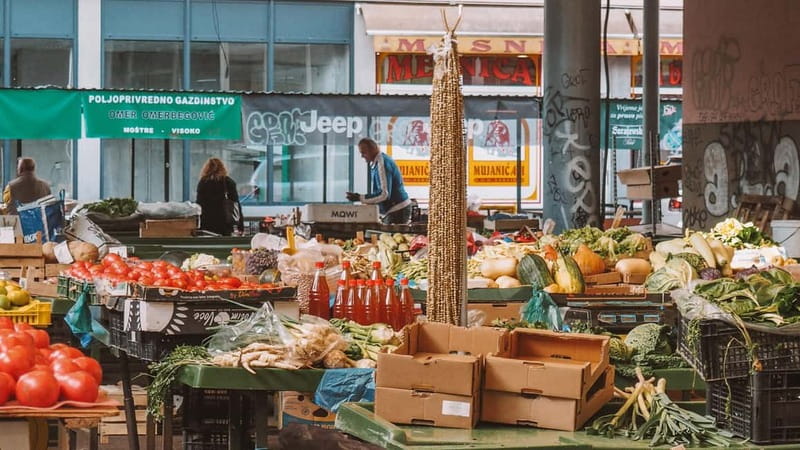
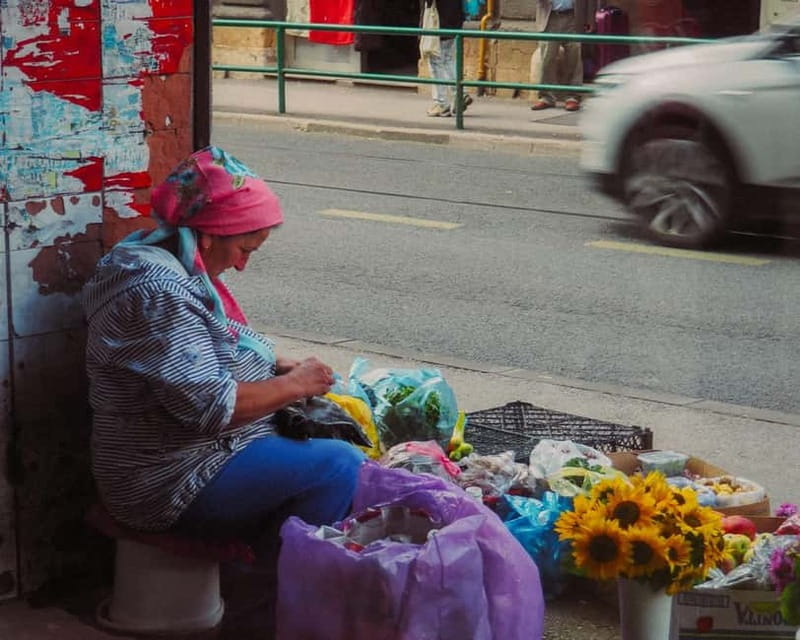
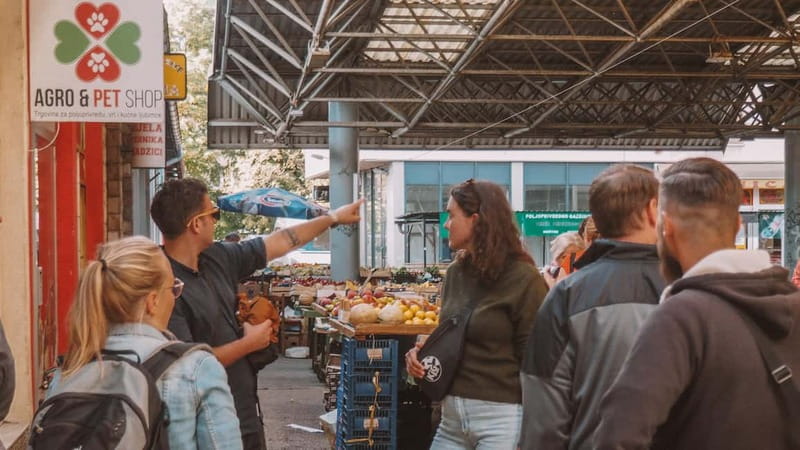
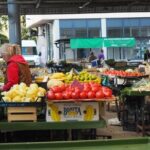
Then you hit the heart of local rhythm: the Pijaca Grbavica market. Markets in the Balkans are sensory by default. You’ll see fresh produce, meet vendors, and get the feeling of how buying and eating connects.
What makes this market stop valuable is that it isn’t staged. You’re strolling through stalls as part of the tour flow, and you’re encouraged to try fresh items and soak in the atmosphere of daily life. This is also where the neighborhood’s resilience shows up indirectly—because markets keep trading, even after difficult years.
If you want a practical souvenir, this is the place. You might not leave with packaged gifts, but you’ll leave with a clear sense of what locals treat as normal: seasonal food, regular shopping routes, and no special occasion required.
Stadium Grbavica visit: understanding front-line geography
One stop is the Grbavica stadium, and it carries serious context. The stadium was once situated on the front lines, so your guide’s stories here land differently than they do at a museum.
This isn’t only history as tragedy. It’s history as lived space: how a familiar setting can shift into something dangerous, and how the city adapts afterward. For me, this is one of the tour’s best “turn the page” moments. You start with food. You end up seeing why food culture matters at all—because people keep rebuilding the routines that help them live.
The “sip like a Sarajevan” moment: rakija, beer, or wine
By now, you’re hungry again—or you’re already pleasantly full but still curious. This tour leans into drinks in a way that feels local, not tacked on. You’ll have the chance to sample Bosnian rakija (fruit brandy), or choose local beer or wine.
Rakija is often described as famous or infamous, but on this tour it’s more specific: served ice-cold, like Sarajevans enjoy it. That’s important. Temperature changes the taste experience and makes the drink feel sharper and more refreshing rather than heavy.
If you’ve never tried rakija, I’d treat this as a “small decision” rather than a challenge. Take a sip, see how it hits your palate, and match it to the food you just ate. If you’re drink-sensitive, stick to beer or wine—there’s no requirement to go full brave mode.
Local bar stop: where the tour turns social
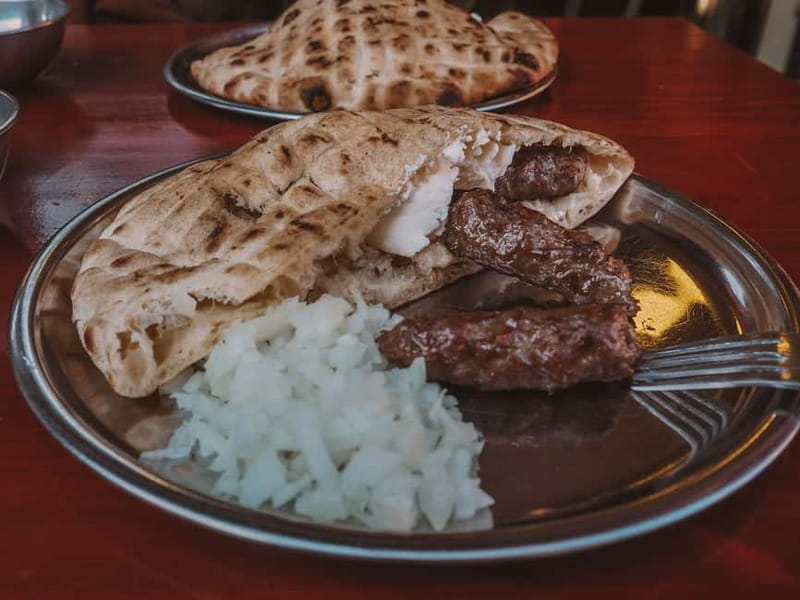
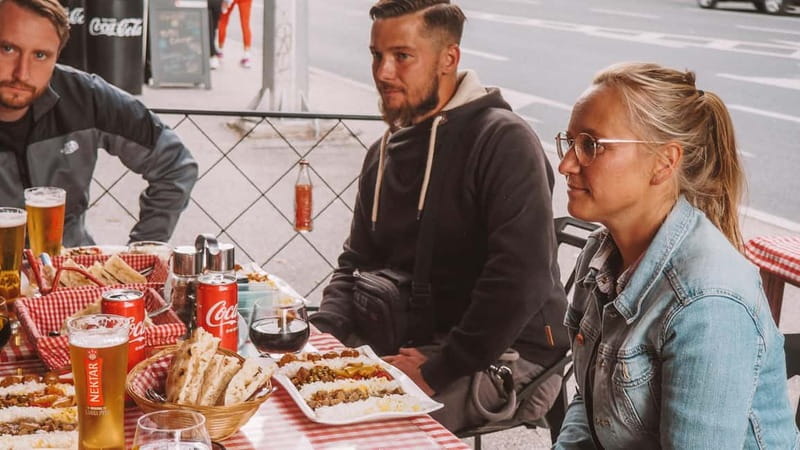
After the stadium, you’ll visit a local bar for another food tasting. This stage is about more than fuel. It’s about the social structure of a neighborhood: where people sit, talk, and slow down for a bit even during busy days.
In a small group, this can become surprisingly relaxed. You can ask questions without feeling like you’re interrupting a program. If you want an example of why small groups matter, this is where it shows: the pacing feels human.
Bakery stop with burek: the iconic Bosnian pie, but not the only lesson
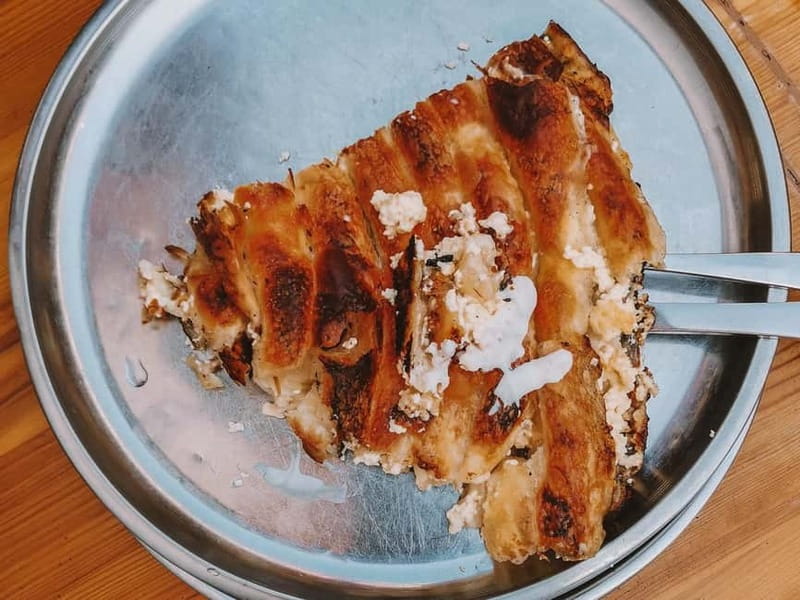
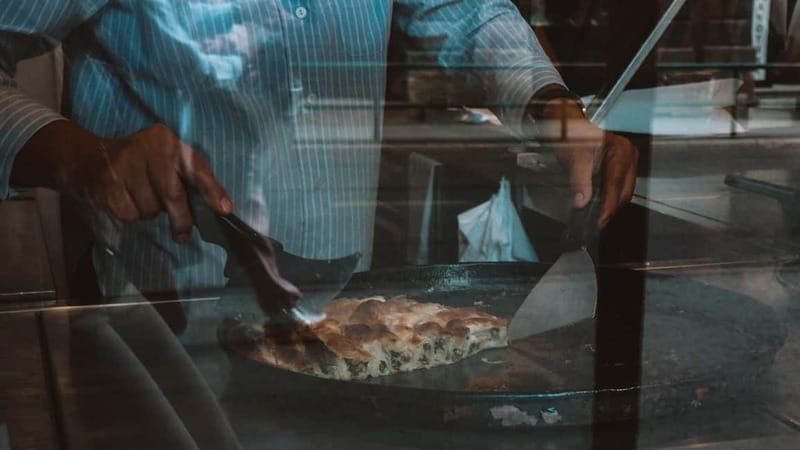
Yes, you’ll get burek at a local bakery. But the real value is what comes around it. A good food tour won’t only feed you a famous dish; it will explain why it’s famous, why it’s common, and how people actually treat it in daily life.
This stop also gives you a savory anchor before dessert—so you can compare how Bosnian cooking handles fat, pastry crispness, and filling comfort. If you’ve already tried ćevapi before arriving, this is a smart way to widen your understanding. You’re tasting the broader range of what locals reach for.
Dessert at a legendary pâtisserie: sweet finish, serious portion
Dessert comes next, from a pâtisserie established in the 70s. That detail matters because it signals continuity—someone has been doing this for decades, likely through more than one tough chapter in Sarajevo’s recent history.
By this point, you’ll appreciate the sweet stop because you’ve earned it. The portions here are generous, and people often feel pleasantly stuffed by the end. If you’re the type who thinks food tours are “just enough,” this one challenges that idea.
My advice: wear comfortable shoes and don’t plan a big dinner later unless you’re very confident in your stomach.
Dolac Malta stroll and the café stop: finishing with the smell of coffee and talk
Toward the end, there’s a stroll around Dolac Malta and a local café stop with another food tasting. This is where your tour shifts from eating-intense to “linger a bit.” You’ll get one last taste that rounds out the day’s mix of savory, sweet, and drinks.
Cafés in Sarajevo are where conversations stretch. Even if you’re not a long-talker, you’ll feel the difference. The guide’s stories tend to land best when there’s a pause—so the café stop helps you process what you’ve learned without feeling like you’re rushing off to the next thing.
The walking reality: 5 kilometres, small group pacing, and how to plan your day
You’ll walk around five kilometres. That’s not extreme, but it’s steady, and it adds up to a real afternoon. I’d plan for weather too. Sarajevo can go from pleasant to chilly quickly, especially later in the day, so bring a layer you can manage during stops.
Also keep in mind the group size: max 8 people. That’s a practical advantage. You get more back-and-forth, more time for questions, and smoother transitions between tastings.
Some groups may run a bit longer than the stated time depending on conversation and pacing. That’s not a flaw—it’s usually a sign your guide is making room for questions instead of rushing everyone through.
Price and value: why $81 can feel like a bargain (if you like real food)
At $81 per person for about five hours, the value comes from the combination—not just the total number of bites.
You’re getting:
- multiple stops with generous portions
- a mix of dishes (not only ćevapi)
- a drinks component that includes rakija as an option
- a market visit for fresh produce context
- neighborhood history tied to actual places, including a front-line stadium
If you’ve ever done a “tasting tour” where each stop is a tiny sample, this is different. The pacing is built for eating. And because the tour is small-group, you’re paying for access to local decision-making: where the guide takes you and why.
If you’re not interested in walking or you prefer only one kind of food, the price may feel steeper. But if you want a real cross-section of Bosnian food culture, it’s the kind of meal-and-memories deal that makes sense.
Who this tour suits best (and who should choose something else)
This works best for:
- food lovers who want variety, not repeats
- travelers who like neighborhood stories tied to specific places
- anyone curious about Sarajevo’s wartime resilience and how it shows up today
- small-group fans who don’t want to feel like a bus-tour number
It’s not a fit if:
- you have mobility impairments (the tour is not suitable)
- you’re carrying luggage or large bags (not allowed)
- you can’t handle walking about five kilometres
Should you book the Sarajevo Food Tour through Grbavica?
Yes, if you want Sarajevo beyond the postcards and beyond ćevapi. The tour’s best ingredient is the match between food and place. You’re not just eating dishes; you’re learning how Grbavica’s history and daily life connect, stop by stop, with guides like Nermin or Numa who grew up in the neighborhood.
Book it if you’ll come hungry, wear comfortable shoes, and enjoy asking questions. Skip it only if you need a low-walking plan or you’re very sensitive to trying new foods or alcohol options.
FAQ
How long is the Sarajevo Food Tour through Grbavica?
The tour lasts 5 hours.
How much walking is involved?
You’ll walk approximately 5 kilometres during the experience.
What food and drinks are included?
You’ll enjoy multiple tastings at several local stops, including a traditional burek and dessert, plus drinks such as Bosnian rakija (fruit brandy), local beer, or wine, depending on what you choose.
Is the tour good for people with mobility impairments?
No. It is not suitable for people with mobility impairments.
What languages are the live guides available in?
The guide offers live commentary in German, English, Bosnian, Croatian, and Serbian.
Are dietary requirements accommodated?
Yes—if you have dietary requirements, you should let the organizers know 24 hours before the tour so they can accommodate your request.
Where does the tour end, and do I need transport after?
Transportation back is not included, but it’s about a 20-minute walk afterward, and you may want to stroll along the river afterward.
You Might Also Enjoy
More Food & Drink Experiences in Sarajevo
More Tours in Sarajevo
- Fall of Yugoslavia, Sarajevo War Tour with Tunnel of Hope Museum and Frontlines
★ 5.0 · 1,314 reviews



More Tour Reviews in Sarajevo
- Fall of Yugoslavia, Sarajevo War Tour with Tunnel of Hope Museum and Frontlines
★ 5.0 · 1,314 reviews