REVIEW · SARAJEVO
WAR TUNNEL – Sarajevo’s only way of a communication during the WAR – Top secret
Book on Viator →Operated by Meet Bosnia Travel · Bookable on Viator
This tour turns Sarajevo’s war history into something you can actually walk through. You’ll combine street-level sights like Sniper Alley with the Museum inside the Sarajevo War Tunnel, plus big context stops such as Markale marketplace and the rebuilt city hall.
I love how the route is built around the city’s daily reality during the Siege: where people tried to get supplies, where they sheltered, and how the streets looked after the damage. I also love the human focus from guides like Aid, Adna, Argan, Eddie, and Amir, who bring the facts and the personal stories together in a way that stays understandable. One thing to consider: this is heavy material (massacres, siege, snipers), and the tunnel visit is time-consuming, with the entrance ticket charged separately.
In This Review
- Key points before you go
- Meet Bosnia Tours and Why the Route Works
- Markale Marketplace: Civilians, Supplies, and a Brutal Turning Point
- Sniper Alley: The Street-Level Danger You Can Still See
- Sarajevo City Hall and Rebuilding: The Symbol You’ll Recognize
- Old Town and Bascarsija: Where the Story Lands Today
- The Sarajevo War Tunnel Museum: 800 Meters of a Lifeline
- Price and Value: What $30.10 Buys You in Real Comfort
- What to Expect from the Guide and How to Get More Out of It
- Who This Tour Fits Best (and Who Might Want to Rethink It)
- Should You Book the War Tunnel Tour?
Key points before you go
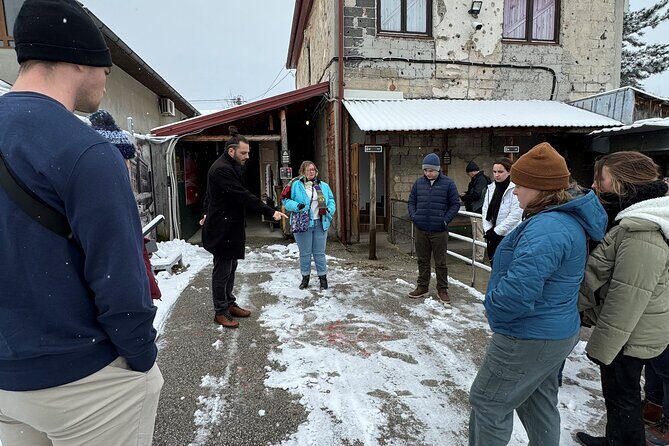
- Markale marketplace shows how civilians searched for essentials during the longest Siege in modern warfare
- Sniper Alley is passed on the route, with war-era building damage and guide stories that explain the danger
- Sarajevo city hall is treated as a symbol of rebuilding after it was totally damaged
- Old town and Bascarsija give you a quick feel for the Sarajevo you’ll recognize today
- War Tunnel museum time is the centerpiece, using an 800-meter corridor that once connected a surrounded city to the outside world
- Hotel pickup/drop-off + bottled water make the experience easy to fit into a short stay
Meet Bosnia Tours and Why the Route Works
The day starts at Meet Bosnia Travel at Gazi Husrev-begova 75. You meet the team, get welcomed by a licensed guide, and then you’re set up for a guided drive and short passes through the most meaningful locations.
What I like is that the tour doesn’t treat the Siege as a single “big event.” It moves like a timeline you can see: supply routes and public spaces first, then street danger, then the rebuilt symbols, and finally the tunnel as the physical link to survival. That order matters, because it helps you understand what you’re seeing rather than just ticking off sites.
You’ll ride in a modern vehicle with a professional driver, and pickup is offered. If your pickup spot is close to the agency, you may be asked to meet at the starting point instead. Either way, it’s designed to be low-friction. You don’t need to figure out parking, transit, or where to stand for photos while the guide is explaining.
You can also read our reviews of more tours and experiences in Sarajevo.
- Fall of Yugoslavia, Sarajevo War Tour with Tunnel of Hope Museum and Frontlines
★ 5.0 · 1,314 reviews
Markale Marketplace: Civilians, Supplies, and a Brutal Turning Point
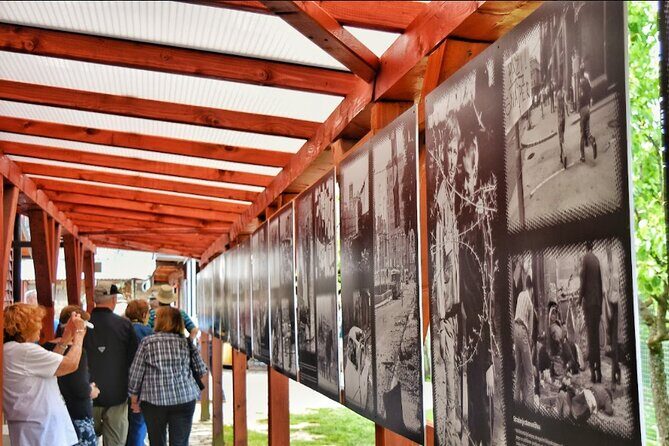
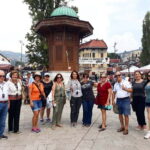
One of the first stops is the Markale marketplace, tied directly to civilian life during the Siege. This was one of the places where people in Sarajevo could find food and other essentials while the city was cut off.
In the same area, the story becomes darker fast. Markale was also the focus point of the two biggest massacres carried out by the Army of Republika Srpska. The tour treats this as more than a headline. The guide frames it in terms of what civilians were trying to do day to day, and why a marketplace carried such risk when normal life had already been crushed.
Here’s the practical value for you: if you only visit the tunnel, you’ll miss the “outside pressure” that made the tunnel so important. Markale helps you understand what people were enduring before they ever entered a shelter space.
Sniper Alley: The Street-Level Danger You Can Still See
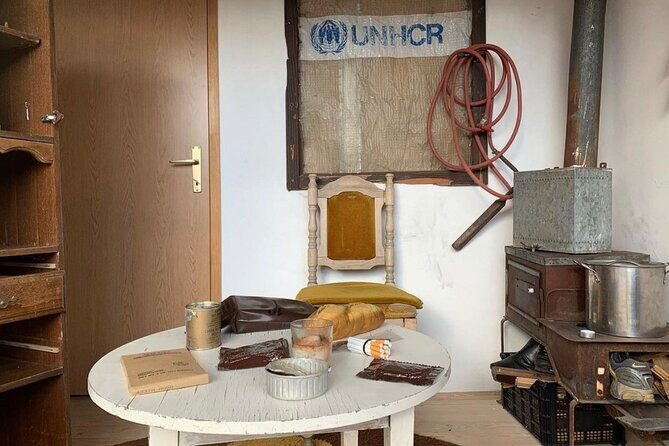
Next, you pass through Sniper Alley, described as the most dangerous street in Sarajevo where snipers were shooting every day. Even if you’ve seen war photos before, the effect of hearing the story while looking at the street is different. You’re not watching a distant event. You’re watching how the city got scarred.
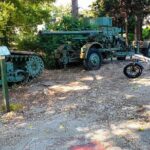
The guide points out many Yugoslav-period buildings still affected by the war. That’s key: you’re not just learning dates, you’re noticing damage that remains visible. It’s one of those “wait, this is still here” moments that makes the Siege feel immediate.
The main consideration here is mental. This part is built to help you picture constant threat, not to make you comfortable. If you’re the kind of person who prefers lighter sightseeing, plan for that before you book. Bring your curiosity, but don’t pretend this is a cheerful walk.
Sarajevo City Hall and Rebuilding: The Symbol You’ll Recognize
After Sniper Alley, the route includes Sarajevo city hall, presented as a must-see because it became a symbol of the city’s rebuilding. The building was totally damaged during the Bosnian war, and its reconstruction is a visible statement that Sarajevo didn’t just survive—it rebuilt.
This stop is a good breather, but not a soft one. It doesn’t wipe out the horror you just learned. Instead, it helps you balance the picture. You see what was lost, then you see what the city chose to rebuild.
If you’re wondering what to photograph here: focus on the building as an emblem, not just a pretty façade. The guide’s context turns it into a story you can actually read from the street.
Old Town and Bascarsija: Where the Story Lands Today
On the way back, you pass Old town and Bascarsija, Sarajevo’s popular center. This isn’t described as a long stop, but it’s timed well: after the war-focused segments, you get a chance to connect the history to the city you’ll walk once the tour ends.
Think of it as a reset for your brain. You’ll likely see familiar features of Sarajevo life—activity around streets, people moving through public spaces—while your guide’s war explanations still sit in your head. That contrast is part of the point.
It also helps with planning the rest of your day. Once you’re oriented, you can step into Bascarsija for coffee or a meal with a much stronger sense of place.


The Sarajevo War Tunnel Museum: 800 Meters of a Lifeline
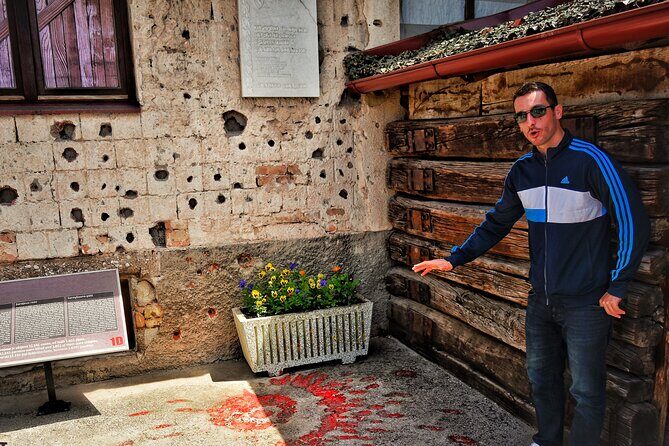
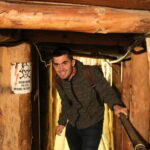
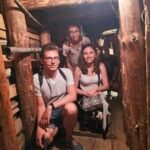
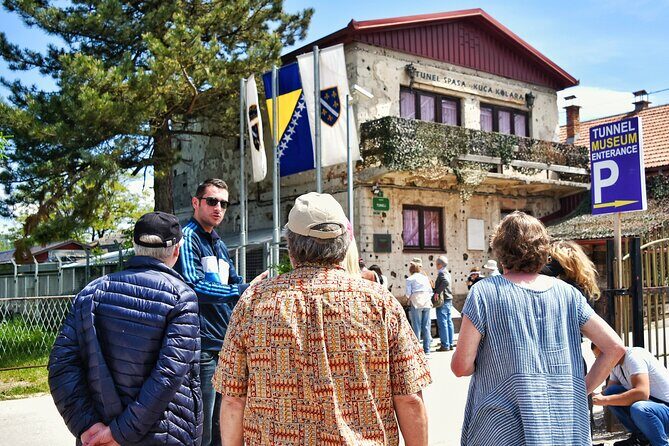
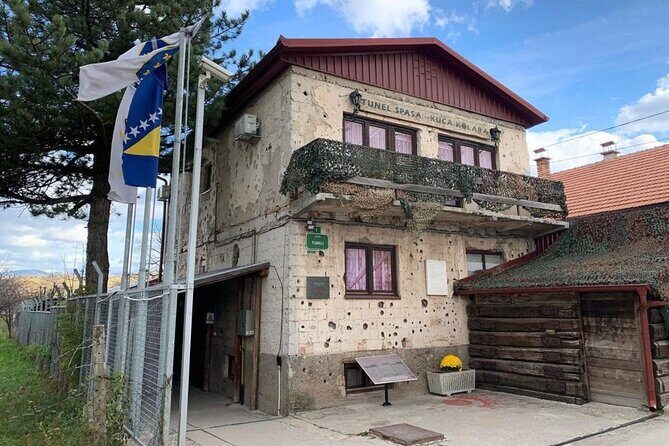
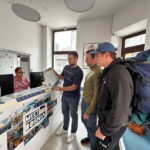
The centerpiece is the Sarajevo War Tunnel, which functioned as the only entrance to Sarajevo during the four-year Siege. It was 800 meters long, serving as the only connection between the surrounded city and the outside world. Today, it operates as a museum.
The tunnel visit lasts about 2 hours. That duration matters, because it’s not just a quick peek. You’ll have time to walk through the museum setup and follow the story at a slower pace than the street passes.
One important budget detail: the Tunnel of Hope Museum entrance ticket is not included and costs 15 BAM. If you’re comparing tours, don’t just look at the $30.10 price tag. Your real all-in cost is the tour price plus the tunnel ticket.
Another practical note: because the tour is structured around the tunnel, the overall total duration you’ll experience may land anywhere in the 1 hour 40 minutes to 2 hours 30 minutes range depending on how the tunnel timing fits into the day. If you’re on a tight schedule, give yourself buffer time after the tour ends.
Why the tunnel is such strong value: it changes how the Siege makes sense. Streets and buildings show damage; the tunnel explains a system of survival. You come away understanding not only what happened, but how the city stayed connected when it should have been impossible.
Price and Value: What $30.10 Buys You in Real Comfort
The listed price is $30.10 per person. On paper, that’s just a number. In practice, you’re paying for several things that make the story easier to receive:
- Licensed guide (language offered: English) who connects sites into a coherent explanation
- Professional driver and modern vehicle, so you’re not doing logistics while you’re learning
- Bottled water, which sounds basic but actually helps when you’re in the hot sun or on a long walk
- Hotel pickup and drop-off, which is a big deal in a city where you don’t want to rush across neighborhoods alone
The one cost outside the package is the 15 BAM tunnel entrance. If you’re choosing between “just walk around” and “get the full explanation,” this tour is geared for people who want to leave with clarity, not just photos.
Group size is capped at 50 travelers. That doesn’t mean it’s a private tour, but it also usually keeps things from feeling chaotic.
What to Expect from the Guide and How to Get More Out of It
The overall feedback highlights something you can plan around: the guides bring both history and personal stories. Names that appear in feedback include Aid, Adna, Argan, Eddie, and Amir, and the consistent theme is that they explain in detail and answer questions.
Here’s how to benefit most on the day:
- Ask one question early. Once you set the pace, you’ll usually get better answers for the rest of the route.
- Listen for the difference between what happened publicly (markets, streets) and what happened privately (survival spaces). The tour is built to connect those dots.
- If you want photos, do it after key explanations. The site means something once the guide finishes the story.
Also, the tour uses a simple format: meet at the agency, move through stops, then return to the starting point. That clarity helps you relax.
Who This Tour Fits Best (and Who Might Want to Rethink It)
This experience fits best if you want:
- A focused Siege overview without arranging multiple tickets and transit legs
- A route built around major places: Markale, Sniper Alley, city hall, Bascarsija, and the War Tunnel
- A guided explanation in English that’s detailed enough to leave you with context
It may be less ideal if you:
- Prefer light, low-emotion sightseeing
- Don’t want to hear about massacres and sniper danger
- Have almost no flexibility, because the tunnel visit and total timing need some breathing room
If you’re traveling with kids, it’s not automatically a no, but you should consider maturity. This is not a “fun history” stop. It’s built to make you understand what war did to ordinary life.
Should You Book the War Tunnel Tour?
I’d book it if you’re coming to Sarajevo for more than scenic photos and coffee stops. The value is in the way the day is organized: it takes you from public civilian life under siege, to the danger of daily streets, to a rebuilt symbol, and finally into the 800-meter survival tunnel. That structure turns the Siege into something you can grasp.
I would think twice if you know you struggle with heavy war topics, because the subject matter is direct and unavoidable. Also, plan for the extra 15 BAM tunnel ticket so you’re not surprised at the counter.
Bottom line: for anyone who wants understanding—real understanding—this is a strong way to spend a few hours in Sarajevo while the story is still fresh in your mind.
You Might Also Enjoy

More Tour Reviews in Sarajevo
- Fall of Yugoslavia, Sarajevo War Tour with Tunnel of Hope Museum and Frontlines
★ 5.0 · 1,314 reviews