REVIEW · SARAJEVO
From Sarajevo: Srebrenica Genocide Memorial Study Tour
Book on Viator →Operated by Meet Bosnia Travel · Bookable on Viator
Sarajevo to Srebrenica is a sobering day trip. I like how this one doesn’t just drop you at a memorial, it explains how the horror happened and why Bosnia still marks it so visibly. You get a modern museum visit, a cemetery where you can pay respects, and a full day of context before and after the emotional stops, with hotel pickup included.
Two things I especially liked: first, the museum format. It uses multimedia and even a film, which makes the timeline and testimonies easier to grasp without turning the visit into a vague history lesson. Second, the small-group feel; with a maximum of 8 travelers, your guide can keep the day moving while still making space for questions—something that matters a lot on a topic like this.
One consideration: it’s a long, heavy day. Between the drive and the memorial time, you’ll need patience and emotional stamina. And since plans can be sensitive, you should be ready for the occasional itinerary change on the day you go.
In This Review
- Key highlights worth planning around
- Price and logistics: what $84.69 gets you
- The ride out of Sarajevo: using time you’d otherwise waste
- Stop 1 in Srebrenica: the Memorial Museum and the curator’s walkthrough
- The Memorial Room: victims’ stories, and attention to perpetrators
- The drive and context: Eastern Bosnia and why it matters
- Lunch in Srebrenica: keep it simple and timed
- Stop 3: the Potočari cemetery where you pay respects
- What makes the guides matter so much here
- Emotional readiness: how to handle a day that isn’t made for fun
- Who should book this Sarajevo to Srebrenica study tour
- Should you book it? My straight answer
- FAQ
- FAQ
- What time does the Sarajevo to Srebrenica tour start?
- How long is the tour?
- Is hotel pickup and drop-off included?
- Where do I meet the tour?
- Is food included?
- Is the tour offered in English?
- How big is the group?
- Are museum and memorial admissions included?
- Can children participate?
Key highlights worth planning around
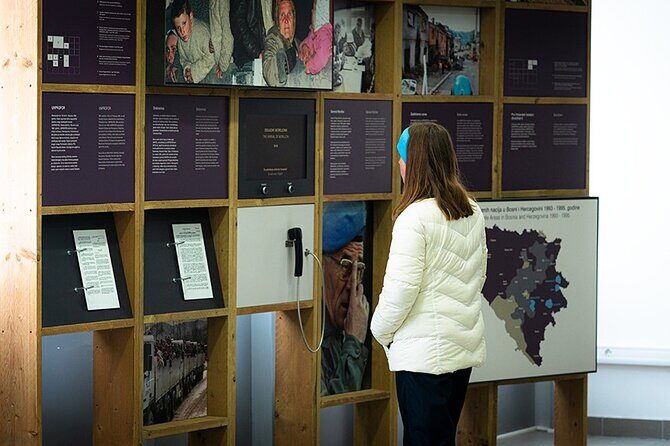
- Modern Museum of the Srebrenica Genocide with multimedia and a guided explanation from a curator
- Memorial Room stories led by a local journalist, including difficult attention to perpetrators
- A 2.5-hour drive through Eastern Bosnia with context about the fall of Yugoslavia
- Lunch in Srebrenica where options are limited, so the timing matters
- Potočari cemetery visit where you can pay respects to identified victims (count reported as 6575 to date)
- Small group size (max 8) for a steadier, more respectful experience
Price and logistics: what $84.69 gets you
At $84.69 per person for about 10 hours, the value comes from the structure: round-trip transportation, a driver/guide, and a professional guide—not just a bus ride with a map. You’re also not choosing between convenience and comfort: hotel pickup and drop-off are included, and the day is run as a single plan from the Meet Bosnia Tours office near Gazi Husrev-beg Mosque.
The start time is 8:00 am, and you’ll be in the car for a big chunk of the day. That long drive is unavoidable because Srebrenica is far from Sarajevo, but the tour aims to use that travel time for context rather than idle sightseeing. In practice, it feels like the day is built to prepare you step by step—especially if you arrive without much background.
The one “shop-for” item is food: food and drinks are not included. Because you’re going to a place where meals aren’t always easy to find, plan on budgeting for lunch and having water on hand if you tend to get thirsty during long visits.
You can also read our reviews of more tours and experiences in Sarajevo.
- Fall of Yugoslavia, Sarajevo War Tour with Tunnel of Hope Museum and Frontlines
★ 5.0 · 1,314 reviews

The ride out of Sarajevo: using time you’d otherwise waste
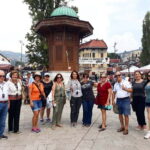
You’ll start at Meet Bosnia Tours – Sarajevo Tours, Days Out, Excursions and Activities at Gazi Husrev begova 75. From there, the tour heads out early and spends about 2.5 hours driving through Eastern Bosnia’s mountainous areas.
What makes that drive useful is what your guide does with it. The tour includes discussion of the fall of Yugoslavia and how the broader political breakdown relates to what happened in Srebrenica. Reviews also highlight that guides like Edin, Almir, Ago, Almir (spelled variously in reviews), Vedad, Senad, and Ejub often share personal experience alongside historical context—so the road becomes part of the lesson.
A small but meaningful detail: a few reviews mention guides taking care of practical comfort, like quick coffee stops and bottled water. Even when plans aren’t perfect, it’s clear the goal is to keep you comfortable enough to focus on the hard parts later.
Stop 1 in Srebrenica: the Memorial Museum and the curator’s walkthrough
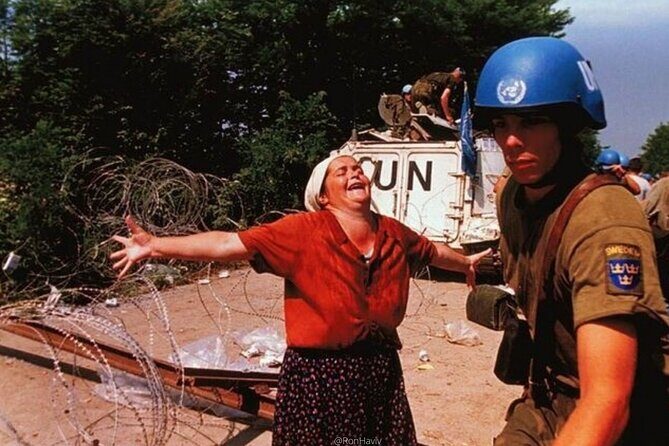
The first major stop is the Museum of Srebrenica Genocide, located at the former battery factory area used by UN forces during the war. That setting already carries weight; it’s not a generic building you could find anywhere.
The most important thing here is the way the museum is handled. You don’t just wander. The tour description says the curator personally guides the visit and shares survival experiences from within the enclave. Reviews back up that this isn’t a quick “look and go” stop. People repeatedly point to the museum’s structure—testimonies, multimedia, and the value of a guided route to avoid getting lost in the scale.
Two practical reasons this matters for you:
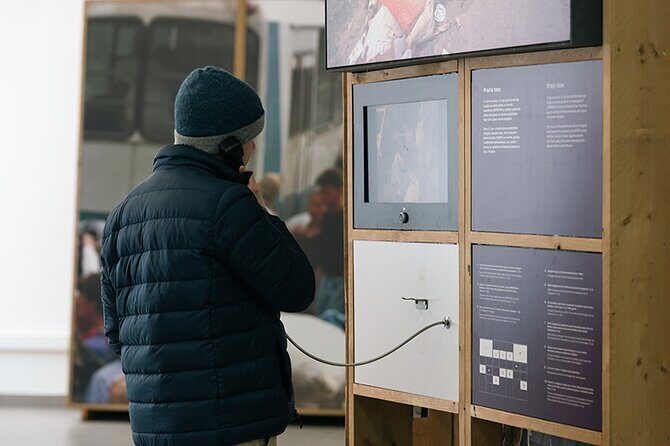
- Multimedia helps you follow the story. Instead of relying only on text panels, you get film and video footage that clarifies sequence and testimonies.
- A guide prevents the visit from becoming overwhelming. This subject is intense. A route and narration can help you process without feeling rushed.
Possible drawback: the museum is big. One reviewer noted that it’s too large to truly see everything in one sitting. That doesn’t mean you’ll miss the key parts, but it does mean you should mentally switch from “check off all rooms” to “absorb what you can with the time you have.”
The Memorial Room: victims’ stories, and attention to perpetrators
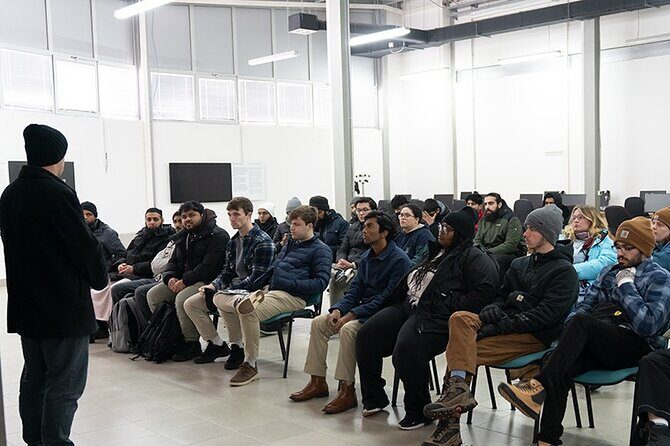
After the museum walkthrough, you move to the Memorial Room, where the tour includes stories of victims narrated by a local journalist. This is where the experience shifts from exhibits to human account.
Something the tour explicitly includes (and not every memorial tour does) is that part of the room is dedicated to the perpetrators. That can feel uncomfortable, even heavy, but it also helps explain the system behind the crimes rather than treating it as pure chaos.
If you’re the type who likes to understand context before emotion hits, this stop will satisfy that. If you’re sensitive, bring patience. The best way to get through it is to slow down: let the stories land. Don’t try to “solve” the tragedy. Your job on this part is witness.
The drive and context: Eastern Bosnia and why it matters
While you’re traveling, the tour keeps teaching. The two big themes you’ll hear are the broader Balkan collapse and how that led to Srebrenica.
This is also where you may notice differences around Bosnia that you don’t see from Sarajevo alone. One reviewer talked about driving through the RS countryside and the cultural differences between regions. Even if you don’t focus on politics as you watch the scenery change, the lesson is clear: geography and governance aren’t just background—they shape what people experience.
I also like how the guides sometimes use small bits of humor to keep you from locking into a single emotion all day. Reviews mention guides being open, sometimes even candid with their own war-era experiences, and then balancing the heaviness with moments of lightness when appropriate. Done well, it doesn’t trivialize anything. It just keeps you able to keep listening.


Lunch in Srebrenica: keep it simple and timed
You’ll then continue to Srebrenica, described as a once-thriving industrial hub that’s now largely a ghost city. Because the area has limited dining options, lunch time is part of the tour’s planning.
Practical advice: treat lunch as recovery time. You’ll likely be thinking about what you just learned. Eat something you can handle—something filling enough to keep you steady for the cemetery visit later.
If you’re someone who hates waiting, this is one moment where you might feel the schedule matters. Don’t overplan your day around tight personal timing. Instead, let the tour’s flow guide you.
Stop 3: the Potočari cemetery where you pay respects
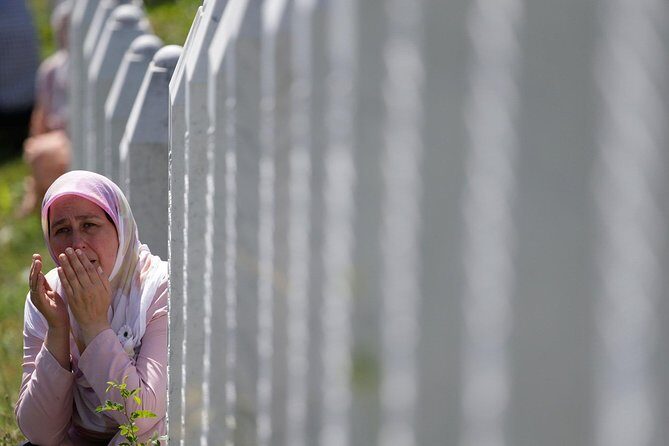
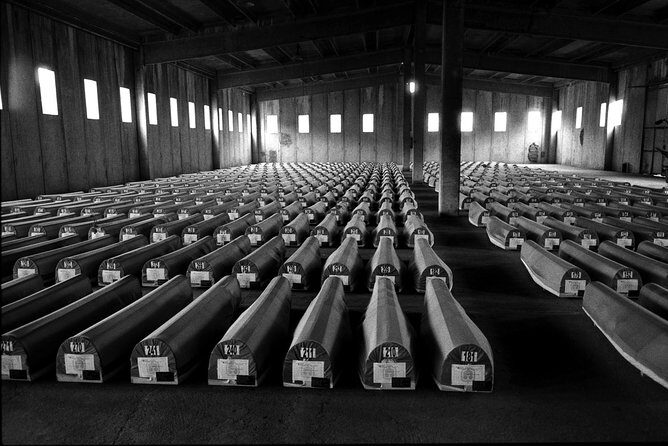
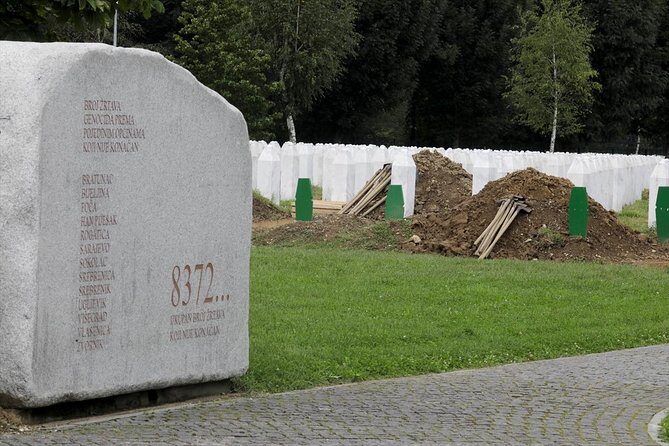
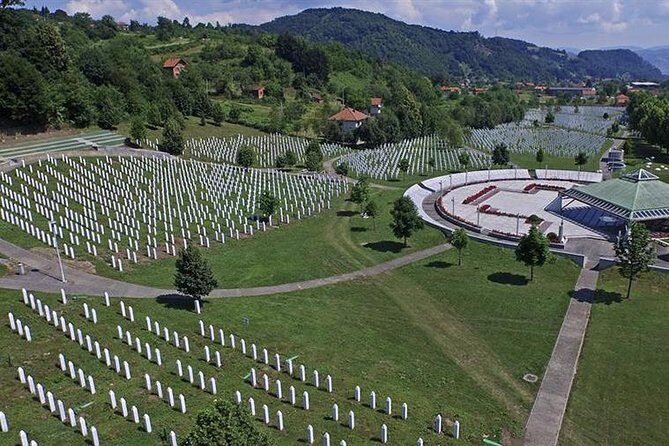
The final major destination is the Srebrenica Genocide Memorial Cemetery, part of the broader memorial site in Potočari. This is the part most people remember most clearly after.
Here’s what to expect:
- You can pay respects to identified victims, with the tour data stating 6575 identified to date, and that the number continues to rise.
- The cemetery is tied to ongoing work. The scale of the tragedy is reflected in the fact that victims are still being disinterred from mass graves and buried in successive years.
The tour also notes a political milestone: the memorial was officially opened in 2003 by former US President Bill Clinton. After that, the site supported successive annual burials of hundreds of victims—so it’s not just a fixed monument. It’s part of a continuing process of identification and remembrance.
Cemetery time is short on the clock (the tour lists 40 minutes for the memorial cemetery visit), but it’s long on impact. If you want a quiet moment to stand and look, use that time intentionally. Don’t rush to take photos. Let the rows of headstones and the names you can find do their work.
What makes the guides matter so much here
This tour rises or falls on guidance, and the reviews give you a strong signal on what to look for: empathy plus structure.
I saw repeated mentions of guides such as Almir, Edin, Enis, Ago, Almis, Vedad, Senad, and Ejub. The consistent pattern is that these guides combine:
- Historical background for what led up to Srebrenica
- Personal experience of the war (from the guides’ lives or memories)
- Room for questions, without turning the day into debate night
- Careful handling of emotional intensity
Some also add small, practical touches: seat belt reminders, water, and extra context stops (one review even described a bonus town element connected to the broader area, and another mentioned extra viewing time). These aren’t “extras” in the tourist sense. They help you make sense of what you’re seeing.
Emotional readiness: how to handle a day that isn’t made for fun
Srebrenica isn’t a sightseeing “win.” It’s remembrance. More than one review used words like moving, harrowing, and essential. That tracks with how the day is designed: museum first (understand), victims’ stories second (humanize), cemetery last (witness).
So my practical recommendation is to treat the day like a structured visit to a classroom with real human consequences, not like a normal travel day. Plan your body and mind:
- Expect a long drive and keep snacks ready if you tend to get low energy (food isn’t included).
- Wear comfortable shoes. Cemetery time can involve standing and walking short distances on uneven ground.
- Give yourself a mental rule: if your brain starts searching for the “right” reaction, pause. The only goal is respectful attention.
And yes, it’s okay if you find it hard. That’s normal. You’re standing at the edge of one of Europe’s worst atrocities since World War II, and the tour doesn’t hide that fact.
Who should book this Sarajevo to Srebrenica study tour
This is a good fit if you:
- Want context, not just a site visit
- Like guided museum interpretation and structured storytelling
- Are comfortable with heavy subject matter and want to learn how Bosnia continues to honor victims
- Prefer a small group (max 8) over bigger bus tours
It might not be the best fit if you:
- Need a lighter day trip and want mostly scenery and casual pace
- Struggle with long drives and emotionally intense memorial settings
- Get thrown off by possible day-of adjustments (one review noted a memorial visit wasn’t available due to political circumstances)
Should you book it? My straight answer
If you’re visiting Sarajevo and you want your trip to include real understanding of Bosnia’s recent history, I think this one is worth booking. The price-to-time ratio is solid because you’re paying for both transportation and interpretive guidance, and the museum + cemetery combination gives you the “learn, then witness” flow most people need.
I would only skip it if you’re not emotionally ready for a heavy day—or if you know you can’t handle long, intense memorial content even with careful guiding.
If you do go, go with intention: show up early, accept the schedule, and let the experience work on you instead of trying to rush through it.
FAQ
FAQ
What time does the Sarajevo to Srebrenica tour start?
It starts at 8:00 am.
How long is the tour?
It’s listed as 10 hours (approx.).
Is hotel pickup and drop-off included?
Yes. Hotel pickup and drop-off are included in the tour.
Where do I meet the tour?
You meet at Meet Bosnia Tours – Sarajevo Tours, Days Out, Excursions and Activities, Gazi Husrev begova 75, at the crossroad of Mula Mustafe Bašeskije, Sarajevo 71000.
Is food included?
No. Food and drinks are not included.
Is the tour offered in English?
Yes, it’s offered in English.
How big is the group?
The maximum group size is 8 travelers.
Are museum and memorial admissions included?
The tour information lists Admission Ticket Free for the museum and memorial cemetery stops.
Can children participate?
Children must be accompanied by an adult.
You Might Also Enjoy
More Tours in Sarajevo
- Fall of Yugoslavia, Sarajevo War Tour with Tunnel of Hope Museum and Frontlines
★ 5.0 · 1,314 reviews
More Tour Reviews in Sarajevo
- Fall of Yugoslavia, Sarajevo War Tour with Tunnel of Hope Museum and Frontlines
★ 5.0 · 1,314 reviews