REVIEW · SARAJEVO
Inside the Siege: Sarajevo’s Story of Survival
Book on Viator →Operated by Sarajevo tours with Adis Hamzic · Bookable on Viator
Sarajevo’s siege story is written in its streets. This small-group tour ties human survival to key Sarajevo Siege sites, with a close look at the Tunnel of Hope and the neighborhoods that were hit hardest. You’ll hear the facts, but you’ll also get the lived perspective that makes the numbers stop feeling abstract.
Two things I especially like: the focus on frontline locations you can actually see, and the small-group feel (max 16) that keeps questions flowing. One consideration: several stops are emotionally heavy, and the Tunnel of Hope Museum costs extra (not included, paid on-site).
In This Review
- Key highlights to expect on this Sarajevo Siege tour
- A 2–3 hour siege route that starts in the old city
- Stop 1: Yellow Fortress and the view that explains everything
- Stop 2: The 1984 stadium, wartime cemetery, Sniper Alley, and power politics
- Sniper Alley: when a street becomes a threat
- Presidency Building: the war’s decision-making center
- Stop 3: Tunnel of Hope, the lifeline, and why the museum matters
- The one ticket cost to plan for
- How to use your time in the museum
- The local guide effect: Adis Hamzic style and room for questions
- What the price covers (and what it doesn’t)
- Vehicle size and pacing: a comfort check before you go
- Who should book Inside the Siege
- Should you book this Sarajevo Siege tour?
- FAQ
- Do I need to buy tickets for the Tunnel of Hope Museum?
- How long is the tour?
- What sites does the tour include?
- Is the tour offered in English?
- Where is the meeting point?
- What’s the group size limit?
- Is the tour free to cancel?
- Are service animals allowed and is it generally suitable for most people?
Key highlights to expect on this Sarajevo Siege tour
- Yellow Fortress views and memory stops: panoramic siege-front lines plus places tied to defense and civilian tragedy
- Asim Ferhatović Hase Stadium’s wartime role: an Olympics venue that later became part of a cemetery system
- Sniper Alley and the Presidency Building: street-level danger paired with the war’s political nerve center
- Tunnel of Hope Museum time: about 50 minutes at the museum/lifeline site (ticket paid separately)
- Air-conditioned vehicle, small group rhythm: you cover a lot without rushing, and you stay in a group small enough to talk
A 2–3 hour siege route that starts in the old city
This is a focused afternoon tour built around motion and meaning. You’ll meet at Mula Mustafe Bašeskije 65 in Sarajevo at 1:00 pm, then head out by air-conditioned vehicle to see the major siege-era sites without spending the whole time walking.
The time frame is about 2 to 3 hours, which is long enough to connect the dots between places, but short enough that you won’t feel dragged through another “checklist of landmarks.” The route is designed around what the guide can explain as you move: what this site was, what changed during the war, and how survival worked day to day.
You’ll also appreciate the group size. With a maximum of 16, it’s not the kind of tour where you’re talking to a screen of strangers. You can ask questions, and the guide can respond without rushing you out the door.
You can also read our reviews of more tours and experiences in Sarajevo.
- Fall of Yugoslavia, Sarajevo War Tour with Tunnel of Hope Museum and Frontlines
★ 5.0 · 1,314 reviews
Stop 1: Yellow Fortress and the view that explains everything
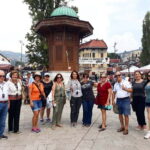
The first stop is the Yellow Fortress, and it starts with a simple but powerful idea: see the city from above, then understand why the siege was so effective.
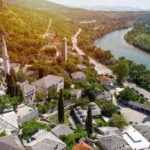
From the fortress, you get a panoramic look over Sarajevo, including the general direction of the siege front lines. That view matters because it turns map knowledge into real geography. When the guide points out how the city’s layout affected what was possible (and what was not), the terrain suddenly feels obvious.
Yellow Fortress also serves as a memory stop. Here, you’ll hear about the resting place of those who fought to protect the city, and you’ll learn about tragic civilian massacres that happened during the siege. The tour doesn’t treat this as background noise. It frames the site so you understand it’s not just a viewpoint—it’s a place tied to both defense and civilian suffering.
Practical note: the fortress entrance is listed as free, so you won’t get hit with an additional ticket for this first segment.
Stop 2: The 1984 stadium, wartime cemetery, Sniper Alley, and power politics
Next up is Asim Ferhatović Hase Stadium, known internationally for hosting the 1984 Winter Olympics. But in wartime, parts of the stadium were used in a different way, including as part of cemetery use.
That contrast is the point. You see how quickly life can flip. The tour uses the stadium’s fame as an entryway, then brings you to what the siege did to institutions and everyday routines. It’s not just a solemn stop—it’s also a way to understand how the war reshaped public space.
The tour also includes a memorial element connected to the siege’s children. You’ll spend time honoring the 1,601 children killed during the siege. It’s the kind of detail that hits hard, and the guide’s job is to keep it human and grounded rather than turning it into a cold statistic.
From there, the route moves through areas that represent different types of siege danger.
Sniper Alley: when a street becomes a threat
The tour highlights Sniper Alley, one of the most dangerous streets during the siege, targeted by sniper fire. If you’re expecting this to feel like a lecture, don’t. The value here is that you’re standing where danger was placed, and the guide connects what you see to why people had to change how they moved, worked, and survived.
Presidency Building: the war’s decision-making center
Then comes the Presidency Building, described as the political center during the war and an important historical site. This stop helps balance the emotional weight of the sniper and massacre references with a different angle: the siege wasn’t only about bullets and hunger. It was also about decisions—who held power, who communicated, and how the city’s leadership tried to steer survival.
If you’re the type who likes context (not just scenes), this pairing works well. You’re getting both the human cost and the structure behind it.

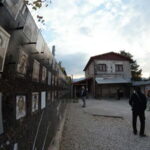
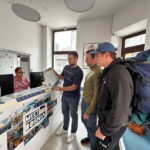
Stop 3: Tunnel of Hope, the lifeline, and why the museum matters
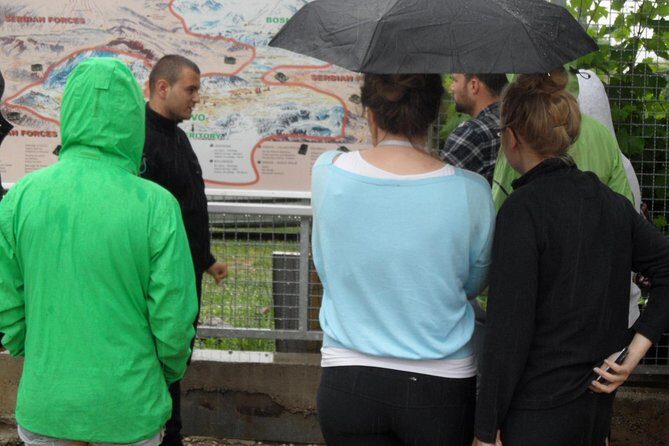
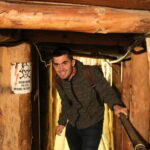
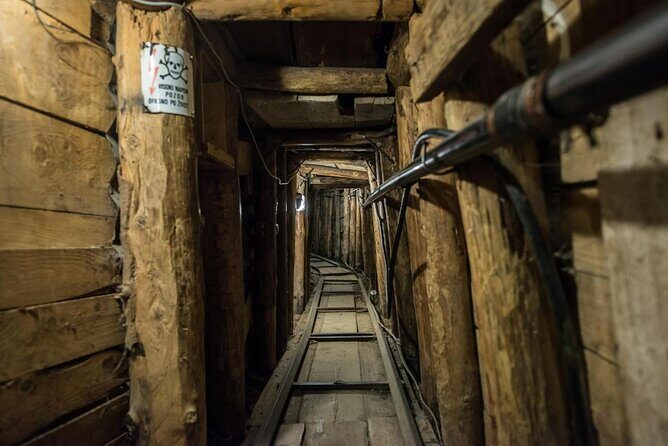
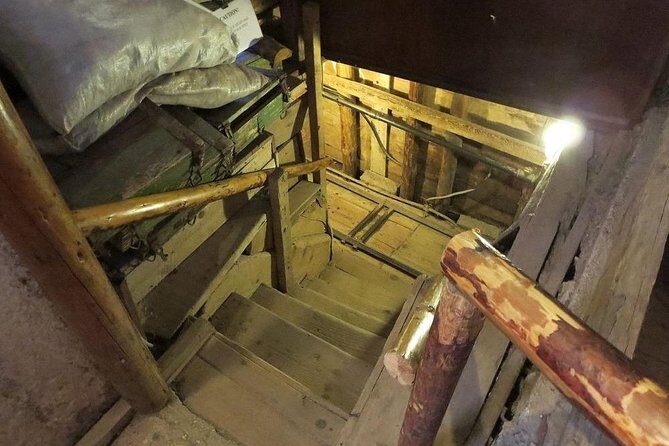
The final major anchor is the Tunnel of Salvation area, featuring the Tunnel of Hope Museum. Expect about 50 minutes here.
This is the signature of the tour for most people, because the tunnel symbolizes one of the most dramatic parts of Sarajevo’s siege story: survival through ingenuity. The tour frames the museum as more than an exhibit. It’s presented as a secret lifeline, used for smuggling supplies and survival.
The one ticket cost to plan for
Tunnel of Hope Museum entrance is not included. You’ll pay about €10 per person on-site in local currency.
I like that the tour is clear about this upfront. It means you can budget without guessing. If you’re trying to keep total costs under control, just remember: your $54.22 base price doesn’t cover this final ticket.
How to use your time in the museum
Fifty minutes goes fast, especially if the guide’s talking during the stop. I’d suggest going in ready to slow down for a few key sections rather than trying to read everything. If there’s a part you’re curious about, ask. The format of this tour is set up for those questions.
The local guide effect: Adis Hamzic style and room for questions
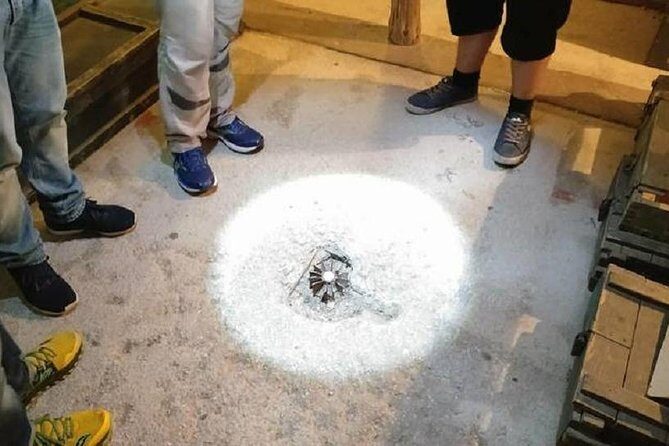
This tour is run by Sarajevo tours with Adis Hamzic, and that name matters because the reviews point to a consistent guide style: energetic, practical, and comfortable with conversation.
A few things that come through clearly in the experience setup:
- Storytelling with historical context and personal experience (not just facts dumped in order)
- Strong English and a real ability to handle questions without deflecting
- A small-group structure that makes it easier to keep the discussion moving
One extra detail that can shape your tour: you might get more than one guide voice during the experience. There’s mention of an assistant who offers a more younger perspective, plus a solid amount of historical grounding. That combination can be good. It brings both big-picture framing and a more immediate way of talking about what you’re seeing.
Also, don’t discount the light humor element. Even on serious topics, a bit of human pacing helps you stay present and not numb out.
What the price covers (and what it doesn’t)
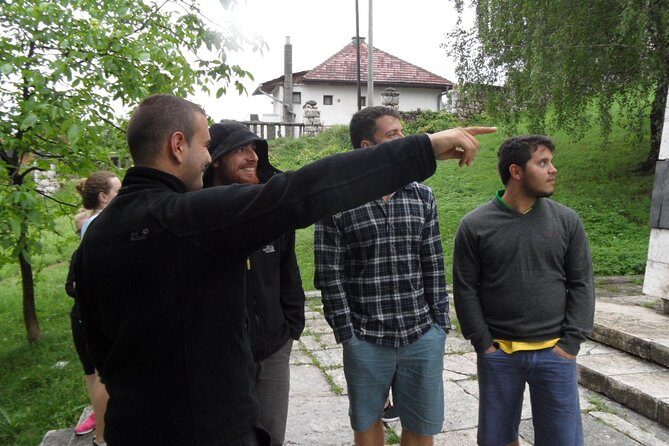
At $54.22 per person, this is priced for a guided, vehicle-based route with multiple key siege sites.
Here’s what you’re getting inside that price:
- Air-conditioned vehicle
- Professional local guide with deep local understanding of Sarajevo’s war history
- Insightful storytelling with historical context and personal perspective
The main extra cost is the Tunnel of Hope Museum ticket (about €10, paid separately on-site). Tips for the guide are optional but appreciated.
In plain terms, you’re paying for interpretation and access to a curated route, not just for transport. That tends to be the right value in Sarajevo, where the meaning of places isn’t always obvious from the sidewalk.
Vehicle size and pacing: a comfort check before you go
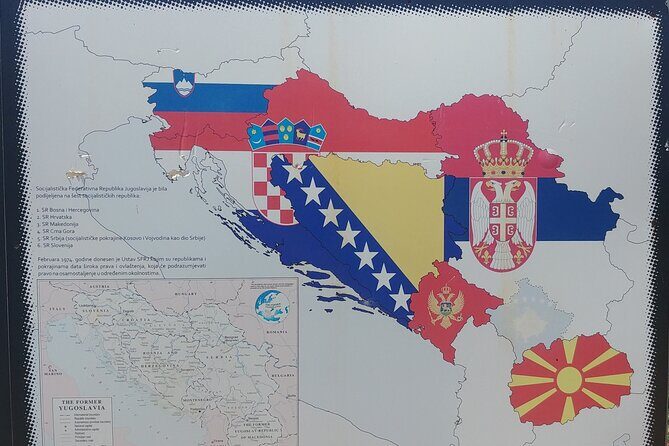
One practical consideration: the group is small, but the car can still feel tight depending on how many people show up. Even with a small headcount, I’d plan your expectations around compact seating.
A few ways to make it easier:
- Wear comfortable shoes for the short walking and standing moments at each stop
- Bring a layer if you’re sensitive to temperature shifts (some indoor museum areas can feel cooler)
- Expect the tour to feel emotionally intense, then use the drive time to reset
The pacing is built for a reason. When the subject matter is heavy, rushing can make it harder to process. This tour format is set up to slow down just enough at key points.
Who should book Inside the Siege
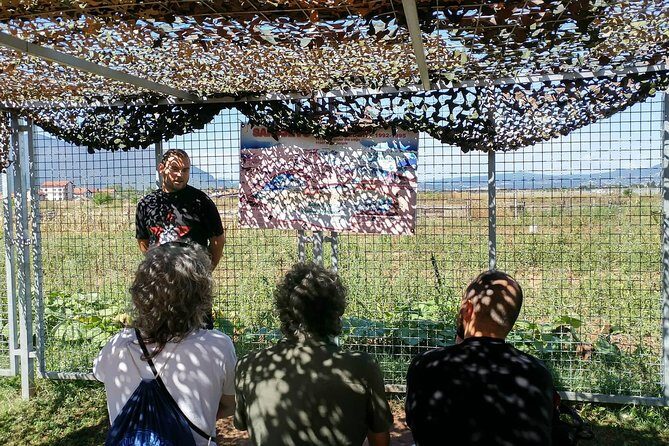
This tour is a strong fit if you:
- Want a guided way to understand the Sarajevo Siege without trying to piece it together alone
- Prefer seeing multiple major sites in one afternoon
- Like asking questions and getting direct answers from a local guide
- Are open to serious, memorial-focused stops (including child-focused remembrance)
It may not be the best match if you’re looking for something light or primarily entertainment-based. This is survival history, and several stops are designed to confront that directly.
Should you book this Sarajevo Siege tour?
Yes, if your goal is to understand Sarajevo’s siege through place-based storytelling—viewpoints, memorial sites, and the lifeline tunnel—within a manageable time window. The small-group size, the guide’s ability to talk clearly in English, and the inclusion of major siege locations make it feel like more than a sightseeing loop.
Just budget for the Tunnel of Hope Museum ticket, and go in prepared for emotional weight. If you can handle that, this tour gives you a way to leave Sarajevo with the context that makes the city’s past feel real.
FAQ
Do I need to buy tickets for the Tunnel of Hope Museum?
No, you don’t buy it through the tour. The Tunnel of Hope Museum entrance fee is not included and is paid on-site in local currency (listed as €10 per person).
How long is the tour?
It runs about 2 to 3 hours.
What sites does the tour include?
You’ll visit several major Sarajevo siege-related locations, including Yellow Fortress, Asim Ferhatović Hase Stadium, Sniper Alley, the Presidency Building, and the Tunnel of Hope Museum.
Is the tour offered in English?
Yes, it’s offered in English.
Where is the meeting point?
You meet at Mula Mustafe Bašeskije 65, Sarajevo 71000, Bosnia and Herzegovina, and the tour ends back at the meeting point.
What’s the group size limit?
The tour has a maximum of 16 travelers.
Is the tour free to cancel?
Yes, you can cancel for a full refund if you cancel at least 24 hours before the experience starts. If you cancel less than 24 hours before, the amount paid is not refunded.
Are service animals allowed and is it generally suitable for most people?
Service animals are allowed, and the tour states that most travelers can participate. It also notes it’s near public transportation.
You Might Also Enjoy
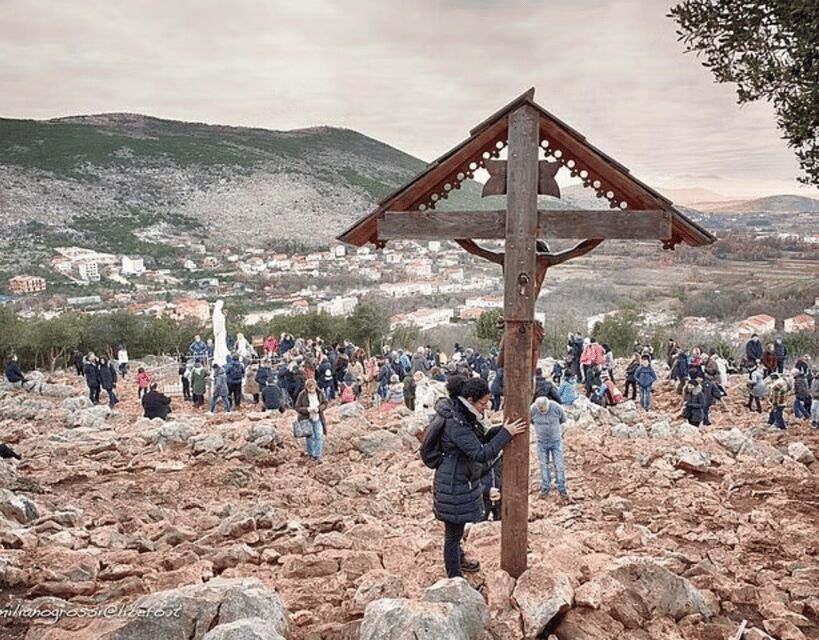
More Tour Reviews in Sarajevo
- Fall of Yugoslavia, Sarajevo War Tour with Tunnel of Hope Museum and Frontlines
★ 5.0 · 1,314 reviews