REVIEW · SARAJEVO
Sarajevo: Srebrenica Genocide Memorial and Testimonial Tour
Book on GetYourGuide →Operated by Sarajevo Insider City Tours & Excursions · Bookable on GetYourGuide
Srebrenica is not the kind of place that stays abstract. This full-day tour from Sarajevo brings you to the Potočari Memorial Complex and the former UN base museum, with expert guidance, plus a testimonial lecture and time to understand how Srebrenica changed. It’s heavy, respectful, and very real.
I especially liked two things: the way you get factual context along the drive (not just facts dumped at the memorial), and the testimonial lecture that puts human voices back at the center. Also, guides like Miralem and Safet can turn a hard topic into something you can actually follow, without sounding rehearsed.
The main drawback is simple: it’s emotionally intense. If you’re not ready for stories of mass murder and loss, plan on needing extra quiet time afterward—and don’t underestimate the 9-hour length.
In This Review
- Key points to know before you go
- What this tour is really like (and why it matters)
- Driving out of Sarajevo: context before the memorial
- Potočari Memorial Complex: remembrance you can’t rush
- Gallery of Genocide in the former UN base: understanding the international role
- Testimonial lecture: when history becomes personal
- Srebrenica town: the reminder that consequences outlast dates
- Eastern Bosnia drive: quiet reflection on the way back
- Price and value: what you get for $76
- Dress code and what to pack (so you don’t get sidelined)
- Language and guide style: Bosnian and English
- Who should book this tour (and who should think twice)
- Should you book Sarajevo to Srebrenica with this provider?
- FAQ
- Where does the tour meet in Sarajevo?
- How long is the Srebrenica memorial and testimonial tour?
- What is the price per person?
- Is food included during the 9-hour tour?
- What language is the tour guide?
- What should I bring for the tour?
- What clothing is not allowed?
- What’s included in the tour price?
- What’s the cancellation policy?
Key points to know before you go
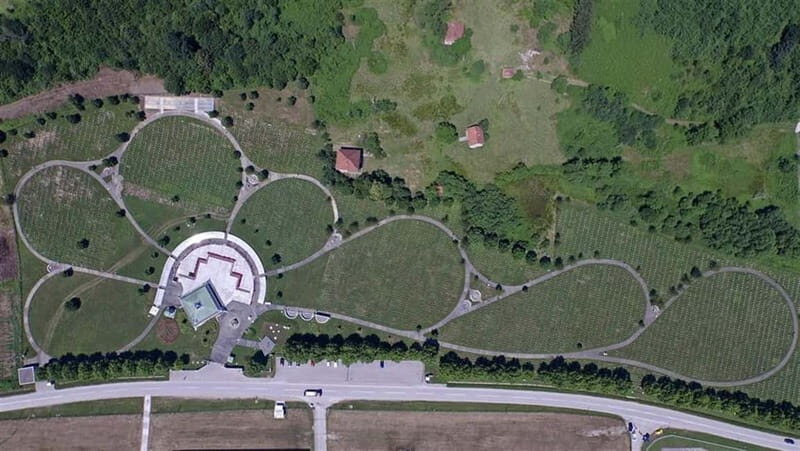
- Potočari Memorial Complex gives you direct, guided access to the place of remembrance for thousands of victims.
- Former UN base museum helps explain what happened in the context of international presence.
- Testimonial lecture uses firsthand-linked storytelling to add clarity and human weight.
- Time in Srebrenica town shows the town’s transformation, not just the tragedy at the memorial.
- 9-hour day with modern transport means you’re less stressed about timing and route planning.
- Dress rules and a headscarf matter, so pack accordingly (you’ll be asked to comply).
What this tour is really like (and why it matters)
This is a full-day trip designed for understanding and remembrance, not sightseeing. You start in Sarajevo and move through Eastern Bosnia by modern transportation, with a guided approach that helps the story make sense as you go. You’ll have moments to look out the window, but the point isn’t the view. The point is what the route, the region, and the timeline are teaching you.
At the heart of the day are two connected parts: the Potočari Memorial Complex and the Gallery of Genocide inside the former UN base. If you come expecting a quick museum stop, you’ll feel the difference right away. This isn’t a checklist. It’s a structured, guided visit built around reflection and explanation.
And then there’s the testimonial lecture. That’s where the day shifts from information to impact. Even if you think you already know the basics, hearing a personal account tied to what happened changes how your brain stores the facts. It’s harder to forget. That’s the point.
You can also read our reviews of more tours and experiences in Sarajevo.
- Fall of Yugoslavia, Sarajevo War Tour with Tunnel of Hope Museum and Frontlines
★ 5.0 · 1,314 reviews

Driving out of Sarajevo: context before the memorial
The day starts at the local provider’s office at Zelenih beretki 30, Sarajevo. From there, you head east toward Srebrenica. The drive is more than a transfer. A good guide uses the road time to connect what you’ll see later with what happened earlier, including key events and the broader Bosnian War context.
This pacing matters. When you arrive at Potočari, you’re not just staring at a memorial and hoping your memory fills in the story. Instead, you’re already oriented—dates, circumstances, and why the international dimension mattered. One of the strongest notes in the feedback you can expect from this kind of guided day is that the driver and guide tend to explain both the region you pass through and the events that unfolded there.
A practical tip: bring a small water bottle if you’re allowed, but remember food isn’t included. You can also plan for a quieter snack strategy so the day doesn’t feel like a constant empty-stomach problem during a day that already asks a lot of your attention.
Potočari Memorial Complex: remembrance you can’t rush
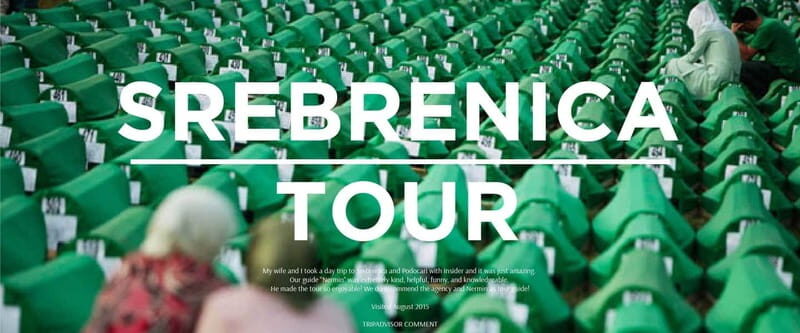
The first major stop is the Potočari Memorial Complex, where the names and memory of over 8,000 victims are honored. This is not a place to treat like a normal attraction. The tone is solemn, and the structure of the visit makes it clear you’re there for remembrance first.
What you’ll do here is guided. You’ll pay tribute, and you’ll learn how the memorial is organized and what it represents. The guide’s job is important because genocide history can become confusing fast—too many terms, too many dates, too many moving pieces. A licensed guide helps you keep the timeline straight and understand what each part of the visit is communicating.
One consideration: you should expect quiet time and a slower pace through sections. If your instinct is to rush, resist it. The value of this stop is in letting the gravity land.
Gallery of Genocide in the former UN base: understanding the international role
Next comes the UN base museum area, specifically the Gallery of Genocide, housed in the former UN base. This is one of the most powerful features of the tour because it ties the tragedy to the international presence and the limits—or failures—of protection during the crisis.
You’re not just seeing artifacts and reading captions. You’re being guided through the events leading to the atrocity, and you’ll learn how the UN base functioned during the period around the genocide. That matters because many people arrive with a simplified mental picture of conflicts. This museum setting makes the reality more complicated and more uncomfortable in a way that’s grounded in documentation and explanation.
If you’re the type who likes to understand how decisions and institutions play out on the ground, you’ll likely appreciate this portion. If you’re there mainly for emotional closure, it can still be important, because it explains why tragedy happened and how responsibility is assigned. Either way, this stop is a key reason the day is worth your time and your money.
Testimonial lecture: when history becomes personal
After the memorial and museum time, the tour includes a testimonial lecture. This is where you hear firsthand accounts from individuals connected to the events. Even when you’ve read before, a testimonial lecture shifts the experience. It often turns a sequence of events into lived reality.
Guides also make a difference here. Some guides bring a personal connection to the story and speak with clarity that’s hard to fake. Names you might hear associated with this kind of guiding style include Miralem and Safet, depending on the schedule and your group.
What to expect: you’ll get the facts, but also the human toll and resilience—how people tried to survive, how families were affected, and what remembrance is meant to prevent. This part of the day can be emotionally demanding. Plan for it like you would plan for a medical appointment: focused, no rushing, and with the understanding that you may need a moment afterward to reset.


Srebrenica town: the reminder that consequences outlast dates
The tour doesn’t end at Potočari. You’ll also spend time in Srebrenica town to see how it has transformed since the events of July 1995. This matters because mass atrocities leave long shadows, not just scars on a specific day.
The town stop helps you connect the memorial visit to the living landscape of the present. You see the difference between a place defined only by tragedy and a place that also has a future, even if that future carries memory like a weight.
A balanced way to think about it: the memorial is for what was lost; the town visit is for what remained and what had to rebuild. Both are part of the lesson.
Eastern Bosnia drive: quiet reflection on the way back
Between stops, you’ll spend time driving through Eastern Bosnia. The point isn’t sightseeing for the sake of it. It’s reflection time, because the drive breaks up the day’s emotional intensity. You also get a chance to absorb what you learned without being forced into rapid transitions.
In at least some versions of this experience, the driving time includes talk about regional POIs and key points connected to the story. That helps you feel oriented when you’re learning about a place that might otherwise feel distant and unfamiliar.
This is also where you can manage your energy. If the day feels heavy, don’t fight the feeling. Take short mental breaks. Look away when you need to. This is the kind of experience where your attention matters more than your stamina.
Price and value: what you get for $76
At $76 per person for a 9-hour day, this is priced like a true guided excursion rather than a quick transfer. What you’re paying for is not just transportation—it’s licensed guiding and the structure that gets you from Sarajevo to Potočari and through the UN base museum and testimonial lecture.
Also consider what’s not included: food and drinks. That changes the real cost in practice, especially if you need a meal during the day. Still, even with that, the included guide-led education and access to the main memorial elements is the value engine here.
My practical advice: treat it like a full-day learning and remembrance appointment. Budget for water and a simple meal plan, and you’ll feel like you got your money’s worth.
Dress code and what to pack (so you don’t get sidelined)
This tour asks you to bring a headscarf, and it has a strict dress code: no shorts, no short skirts, and no sleeveless shirts.
That matters more than people expect. You don’t want to show up in summer clothes and then scramble. If you’re traveling from Sarajevo in warmer weather, pack light long sleeves or bring something you can layer.
A headscarf is easy to carry and easy to forget. Put it in your bag before you leave the hotel. It’s the kind of small detail that keeps the day smooth—especially on a visit where you’ll want to be fully present.
Language and guide style: Bosnian and English
The tour runs with a live guide in Bosnian and English. In practice, that means you’ll get the story delivered directly to you rather than relying only on signs and audio.
The other thing that shows up in the best versions of this experience is how guides explain difficult material with clarity and timing. Based on what you can see in how guides are described—charismatic, well informed, and able to shape the day—this isn’t just reading museum panels. It’s guided interpretation tied to what you’re standing in front of.
If you care about hearing how events connect, choose this kind of live guiding. It’s a big part of why the day lands.
Who should book this tour (and who should think twice)
This experience is a good fit if you want a guided, respectful way to understand the Srebrenica genocide and the Bosnian War context. It works best when you’re ready to learn from documentation and from human testimony.
You should think twice if you know you’re likely to shut down under heavy emotional content, or if you’re short on time and need light, easy touring. This isn’t meant to be light.
It can also be a good choice for people who visit Sarajevo and feel they need a fuller understanding of the country’s modern history. The day is long, but it adds depth fast.
Should you book Sarajevo to Srebrenica with this provider?
I’d book this tour if you want the memorial experience done right: guided visits to Potočari and the UN base museum, plus a testimonial lecture and time to see Srebrenica town. For many people, that combination is the difference between knowing facts and truly understanding impact.
Skip it only if you know you can’t handle the emotional weight. And if you do book, plan your basics: dress for the rules, bring your headscarf, and don’t ignore the fact that food isn’t included.
If you’re ready for a day that asks for attention and respect, this is one of the most meaningful ways to use your time in Bosnia and Herzegovina.
FAQ
Where does the tour meet in Sarajevo?
You meet at the local tour provider’s office at Zelenih beretki 30, Sarajevo.
How long is the Srebrenica memorial and testimonial tour?
The tour runs for 9 hours.
What is the price per person?
The price is $76 per person.
Is food included during the 9-hour tour?
No. Food and drinks are not included.
What language is the tour guide?
The tour guide offers live guiding in Bosnian and English.
What should I bring for the tour?
You should bring a headscarf.
What clothing is not allowed?
Shorts, short skirts, and sleeveless shirts are not allowed.
What’s included in the tour price?
The tour includes a licensed guide and modern transportation.
What’s the cancellation policy?
Free cancellation is available up to 24 hours in advance for a full refund.
You Might Also Enjoy

More Tours in Sarajevo
- Fall of Yugoslavia, Sarajevo War Tour with Tunnel of Hope Museum and Frontlines
★ 5.0 · 1,314 reviews
More Tour Reviews in Sarajevo
- Fall of Yugoslavia, Sarajevo War Tour with Tunnel of Hope Museum and Frontlines
★ 5.0 · 1,314 reviews