REVIEW · SARAJEVO
SARAJEVO SIEGE TIMES ’92-’95 / Sarajevo Roses & Tunnel of Hope /
Book on Viator →Operated by Superb Adventures Tours · Bookable on Viator
That old stone has a new meaning. This tour strings together Sarajevo siege landmarks into one readable route, with standout perspective from a guide who actually lived it. I like the way the stops connect geography to what people endured, and I love how the story stays human with room for humor. One thing to consider: this is serious material, and some sections involve a lot of standing and looking.
You’ll start with big city views, then move into the places where movement, survival, and fear all shaped daily life. Expect a 3 to 4 hour walk-and-look schedule led in English, with pickup arranged from your hotel or accommodation.
In This Review
- Key things to know before you go
- Why Sarajevo Siege Sites Hit Different When They’re Linked
- Yellow Fortress: A Valley View with Siege Clarity
- Tunnel of Hope: The Lifeline Story Told at Walking Pace
- Trebević Vidikovac: Panoramas That Show How Front Lines Form
- Olympic Bobsleigh and Luge Track: Where Sports Became a War Line
- Jewish Cemetery: Sniper Positions and the First Attacks
- Price and What $47.66 Actually Buys You
- Pickup, Timing, and How to Prepare Without Fuss
- The Human Factor: A Guide Like Faruk Changes Everything
- Should You Book the Sarajevo Siege Times Tour?
- FAQ
- What is the duration of the tour?
- How much does the tour cost?
- What time does the tour start?
- Is pickup included?
- Is the Tunnel of Hope entrance fee included?
- What language is the tour in?
- Is this a private tour?
Key things to know before you go
- Yellow Fortress sets the context fast with siege-era explanations and a view over the Sarajevo valley
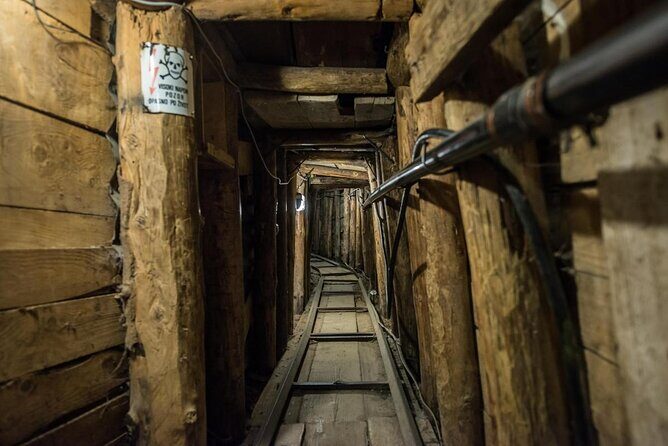
- Tunnel of Hope is the centerpiece, described as the only blood line for Sarajevo during 1993–1995
- Trebević Vidikovac gives war-line panoramas in a short, focused stop
- Olympic bobsleigh and luge track becomes a war route as you walk the line tied to the siege
- Jewish Cemetery brings the sniper story close with locations tied to early sniper attacks
- Tunnel of Hope has an extra fee: the entrance to the tunnel is €10.00 per person and isn’t included
Why Sarajevo Siege Sites Hit Different When They’re Linked
Sarajevo during the early 1990s wasn’t just a background story. It was a city reshaped by control of roads, ridgelines, and sightlines. That is what makes this route work so well: you don’t just look at places—you learn why those places mattered, often in terms of what you can see from them.
I especially appreciate that the pacing is built around transitions. You start above the city, then you move to the life-and-death corridor people used to leave, and then you keep tracing how the “edges” of the city became front lines. If you like your history to have practical geography, this tour delivers.
You can also read our reviews of more tours and experiences in Sarajevo.
- Fall of Yugoslavia, Sarajevo War Tour with Tunnel of Hope Museum and Frontlines
★ 5.0 · 1,314 reviews

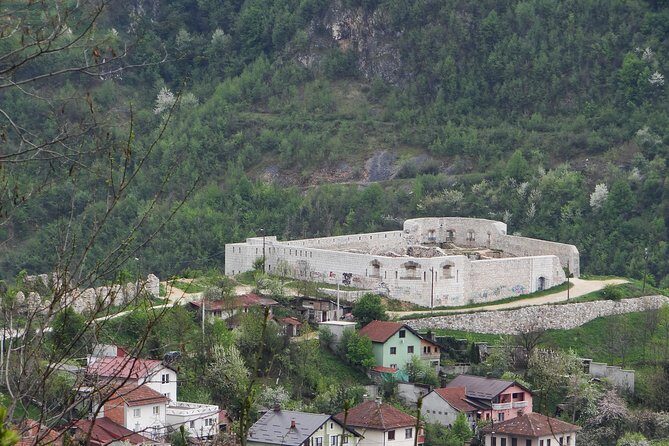
Yellow Fortress: A Valley View with Siege Clarity
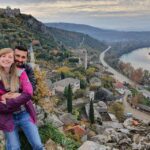
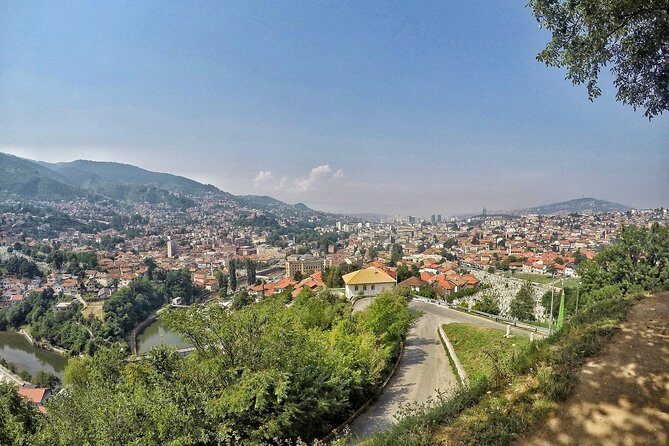
The first stop is the Yellow Fortress, where you get a sweeping view over Sarajevo and a quick framework for what you’re about to see. The highlight here is the way the guide turns the terrain into a story—showing how the city’s layout influenced the siege.
You’ll also get an introduction to siege times and how the conflict escalated in Sarajevo, including what happened in the first days of attacks and how sniper coverage affected civilian life. One part that tends to land hard is the explanation tying major destruction to a single catastrophic event and the wider shock it caused to the world. It’s not presented as trivia; it’s used to show scale and the feeling of helplessness people faced.
I like that the stop includes the mechanics of fear. You’ll hear about sniper street cross-sections and how lines of fire and movement intersected in everyday spaces. And there’s a strong reminder of civilian resistance: the guide references 4,500 civilian protest days in Bosnia and in the wider Yugoslavia context.
Practical note: since this is a viewpoint-based start (about 20 minutes), dress for standing and wind. Even in good weather, lookouts can feel colder than you expect.
Tunnel of Hope: The Lifeline Story Told at Walking Pace
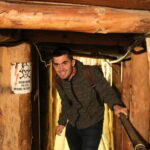
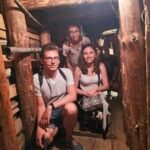
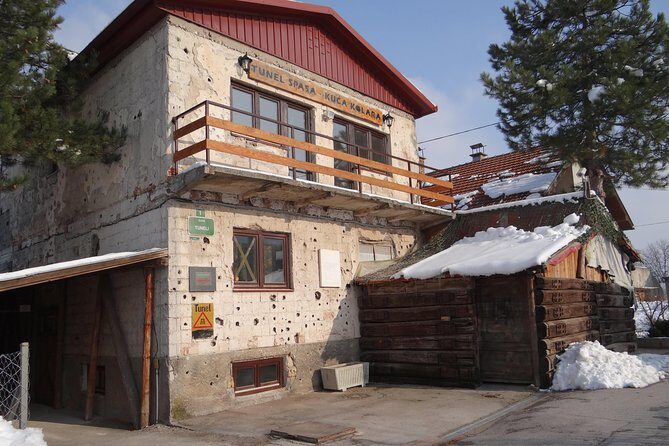
Then you move to the Tunnel of Hope, often called the only blood line for Sarajevo during 1993 to 1995. In about one hour, this stop gives you what you need to understand why people couldn’t simply “wait it out.” A siege cuts the city off—food, medicine, communication—and the tunnel is described as the only connection that helped Sarajevo link with the rest of Bosnia and the world.
This is the kind of place where details matter. The tour frames the tunnel not as a dramatic monument, but as a necessity—something built to solve an impossible problem. You’ll get the context around its purpose as a way out and a way through when normal routes were blocked.
One important cost detail: the tour includes admission fees in general, but Tunnel of Hope entrance is not included. You should plan on the €10.00 per person entrance fee.
Why this stop is worth the extra thought: it’s easy to learn siege dates from a book. It’s harder to grasp what those dates meant for survival. The tunnel is one of the clearest ways to translate “siege” into daily reality—movement, risk, and the thin line between safety and danger.
Trebević Vidikovac: Panoramas That Show How Front Lines Form
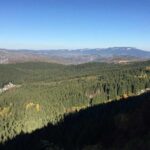
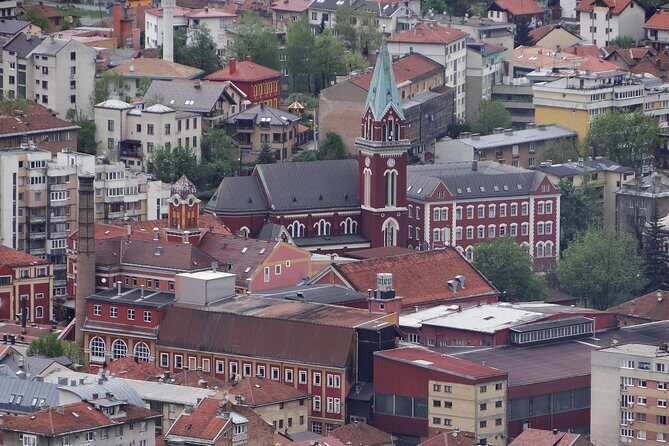
Next comes Trebević Vidikovac, a short stop at about 15 minutes that’s all about the view. The idea is simple: you look out over Sarajevo’s valley and see why certain spots gained military importance. From here, the city’s shape becomes more than geography on a map.
This is where the earlier conversation about siege positioning starts to click. You connect what you learned at the Yellow Fortress with what you’re seeing now: the way hills, sightlines, and “who can see whom” influenced life inside the siege.
I recommend treating this as a “slow looking” moment. Don’t rush photos. Look around first, then frame. When you know the story, the view becomes a kind of diagram—front lines as ideas, built into real streets and ridgelines.
Olympic Bobsleigh and Luge Track: Where Sports Became a War Line
The tour then heads to the Sarajevo Olympic bobsleigh and luge track for about 50 minutes. This is one of the most interesting stops because it forces you to confront time and reuse. A sports venue turned into a war line isn’t a generic history point—it’s a vivid way to understand how quickly normal life can be redirected.
At this stop you’ll take an adventure walk along the Olympic bobsled track, described as a war route during siege times. The guide uses the path and its layout to explain how the area functioned during the conflict, turning the track into a practical guide to movement and control.
The big value here is mental contrast. You’re in a place that sounds like leisure, and yet you’re walking with siege context in your head. That contrast is what makes the explanation stick.
One consideration: it’s a longer stop than the viewpoint areas, so you’ll want comfortable shoes and a steady pace. This isn’t a marathon, but it’s also not a quick photo stop.

Jewish Cemetery: Sniper Positions and the First Attacks
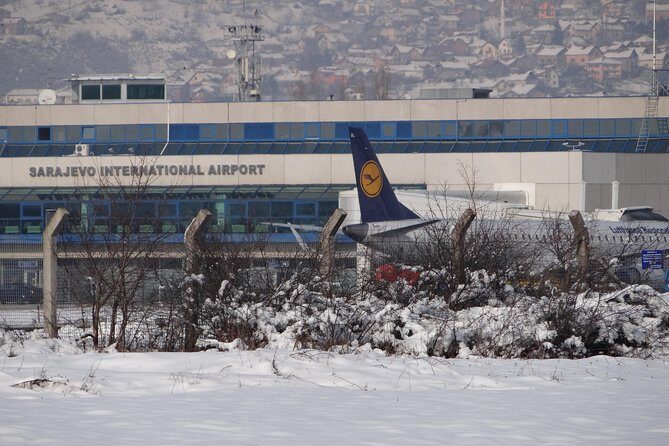
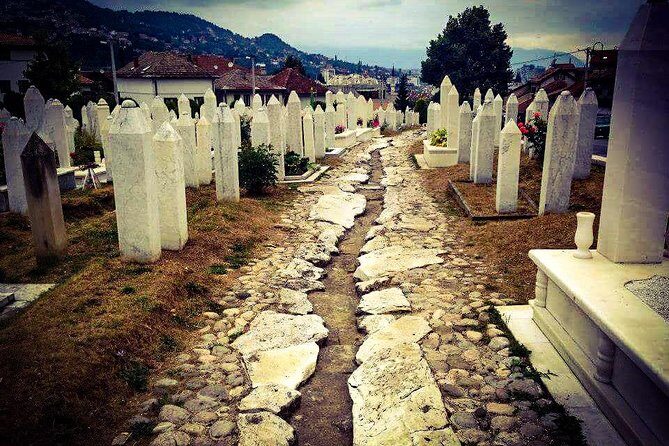
The final thematic stop is the Jewish Cemetery, around 20 minutes. This is where the tour focuses tightly on sniper positioning and explains the early sniper attacks against civilians, including the first shots as described by the guide.
It’s also the stop that feels the most precise, in the sense that you’re hearing about a specific threat tied to specific locations. When you pair this with the earlier descriptions—cross-sections, sightlines, and protest life—you get a fuller picture of what people endured day after day.
This part of the tour is emotionally heavy, so pacing matters. If you need a moment, take one. The tour isn’t designed to be rushed. You’re there to understand how danger operated in real space, not just to check off sites.
Price and What $47.66 Actually Buys You
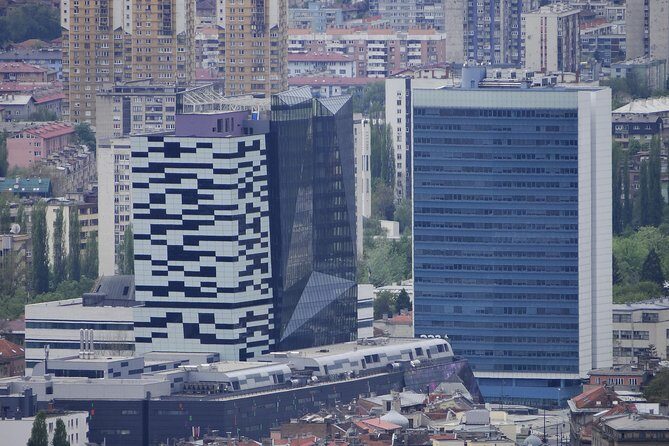
At $47.66 per person, this tour has solid value if you care about interpretation rather than a bus ride. You’re paying for a guided storyline that moves you across multiple siege-era sites in one morning window, starting at 8:30am.
Also, admission fees are included in the base price—except for one key exception. Since Tunnel of Hope entrance is €10.00 per person and isn’t included, you’ll want to budget for that on top of the ticket price.
Here’s the practical way to think about value: the itinerary isn’t just “places,” it’s the order. You start with the big view, then the tunnel, then panoramas again, and then specific locations tied to war line movement and sniper activity. That structure helps you build a mental map quickly, which is usually what makes history tours feel worth it.
Pickup, Timing, and How to Prepare Without Fuss
This tour makes life easier at the start with pickup offered from hotels or private accommodations. You just need to share your hotel name or address so the morning pick up can be organized before the tour begins.
You’ll receive a mobile ticket, and the tour operates in English. It’s also described as private, meaning only your group participates. That matters because siege stories benefit from a guide who can pause, answer questions, and adjust pacing to your group’s questions and comfort level.
Timing-wise, it’s built for a morning session (starts at 8:30am) and runs about 3 to 4 hours. It’s also noted that it runs near public transportation and most people can participate, but the day’s real requirement is simple: you’ll be outside at multiple stops with a mix of looking, walking, and standing.
Quick prep list:
- Comfortable shoes for the track walk
- A warm layer for viewpoints
- Water and a light snack if you start hungry
The Human Factor: A Guide Like Faruk Changes Everything
The strongest reason I’d recommend this tour is not a building or a ticket. It’s the way the guide’s personal connection sharpens the geography and the stakes.
In at least one excellent experience, the guide Faruk shared that he lived through the war as a young teenager. That kind of firsthand perspective gives weight to explanations like how Sarajevo’s layout helped surround the city, and why certain streets and sightlines mattered so much. It also brings a steadier emotional rhythm to the tour: serious when it needs to be, but not trapped in heaviness.
I also appreciate that the storytelling includes a friendly edge. A guide with a sense of humor doesn’t make tragedy smaller—it makes the conversation more bearable and helps you stay present.
Should You Book the Sarajevo Siege Times Tour?
Book it if you want more than a list of sites. If you like tours that help you understand how terrain and movement shaped events, this works. The combination of the Yellow Fortress viewpoint, the Tunnel of Hope, the panoramas at Trebević Vidikovac, and the war-line walks creates a route you can mentally replay afterward.
You might skip it if you prefer purely scenic sightseeing or if you know you’ll struggle with sniper-related stories. This tour deals directly with civilian suffering and siege realities. Go in with the right expectations, and you’ll likely find it deeply meaningful and well paced.
FAQ
What is the duration of the tour?
It runs about 3 to 4 hours.
How much does the tour cost?
The price is $47.66 per person.
What time does the tour start?
The start time is 8:30am.
Is pickup included?
Yes. Pickup is offered from hotels or private accommodations, and you’ll share your hotel name or address for morning pickup.
Is the Tunnel of Hope entrance fee included?
No. The Tunnel of Hope entrance fee is €10.00 per person and is not included.
What language is the tour in?
The tour is offered in English.
Is this a private tour?
Yes. It is private, and only your group participates.
You Might Also Enjoy
More Tour Reviews in Sarajevo
- Fall of Yugoslavia, Sarajevo War Tour with Tunnel of Hope Museum and Frontlines
★ 5.0 · 1,314 reviews