REVIEW · SARAJEVO
Sarajevo: Bosnian War & Fall of Yugoslavia Tour with Tunnel
Book on GetYourGuide →Operated by Meet Bosnia Tours · Bookable on GetYourGuide
Sarajevo’s past hits hard. In four hours, this tour pairs the Tunnel of Hope lifeline story with city streets still marked by the siege, so the history feels immediate, not abstract. I like that it moves in a smart arc: museum first, then viewpoints, then the cemeteries where you land on meaning.
I especially love the Sniper Alley walk and the way you connect it to the city’s everyday survival. I also love the stop on Trebević Mountain, where you can stand in the same broad panorama that helped turn the Olympics into a frontline.
One possible drawback: this is an emotional and sometimes graphic kind of history, and the walk sections include uneven ground and climbing on hills.
In This Review
- Key things you’ll notice on this tour
- Why This Tour Starts at the Tunnel of Hope Museum
- City Driving Stops: Sniper Alley Scars and Siege-Era Landmarks
- Trebević Mountain: Olympic Spirit, Frontline Reality, and the Bobsleigh Track
- The Yellow Fortress for Panorama and Reflection
- Martyr Cemetery (Shehidi) and Alija Izetbegović’s Grave
- Price and Value: What You Get for $36 in 4 Hours
- The Role of the Guide: Serious, Sensitive, and Still Engaging
- Getting the Most Out of This Tour: Practical Tips That Matter
- Who Should Book This (and Who Might Prefer Something Else)
- Should You Book the Sarajevo Tunnel and Siege Tour?
- FAQ
- What is the duration of the tour?
- How much does it cost?
- Does the tour include hotel pickup?
- Is the Tunnel of Hope entry fee included?
- Is lunch included?
- What language is the tour guide?
- Is the tour suitable for people with mobility needs?
- What should I bring?
- Will I need to wait in line for tickets?
- Can I leave luggage somewhere before the tour?
Key things you’ll notice on this tour

- Tunnel of Hope museum movie plus guide-led talk: you get a short original wartime film and a guided explanation of how the tunnel worked.
- Sarajevo Rose mortar-mark reminder: you see one of the city’s mortar-shell memorial roses before you go inside.
- Trebević’s Olympic sites turned frontline: the 1984 Winter Olympics setting meets the reality of siege shelling.
- Yellow Fortress viewpoint for perspective: big city views used now for reflection, not attack.
- War-era landmarks you pass on the way: the guide points out places tied to the conflict while you’re riding between stops.
- Martyr Cemetery closes the loop: defenders’ graves and the grave of Alija Izetbegović add context to independence.
Why This Tour Starts at the Tunnel of Hope Museum
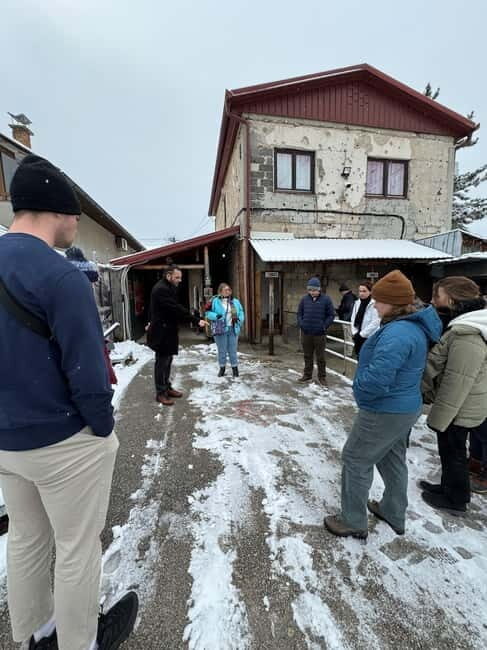
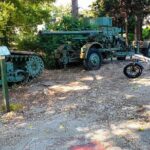
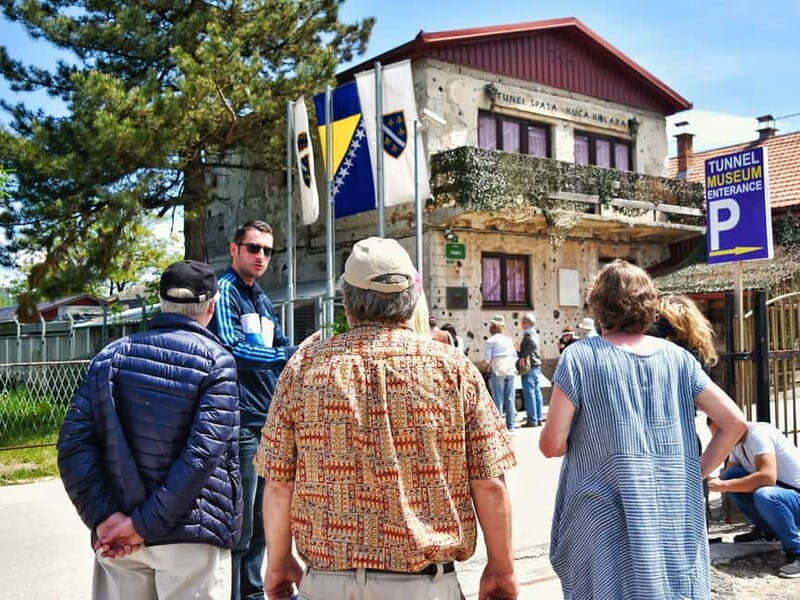
The day starts with transportation up to the War Tunnel Museum area. Even before you go inside, you get a vivid visual prompt: outside stands one of Sarajevo’s mortar-mark roses. It’s a simple marker, but it’s also a lesson in how the city remembered civilians—someone hit the target, and later the wound became a memorial.
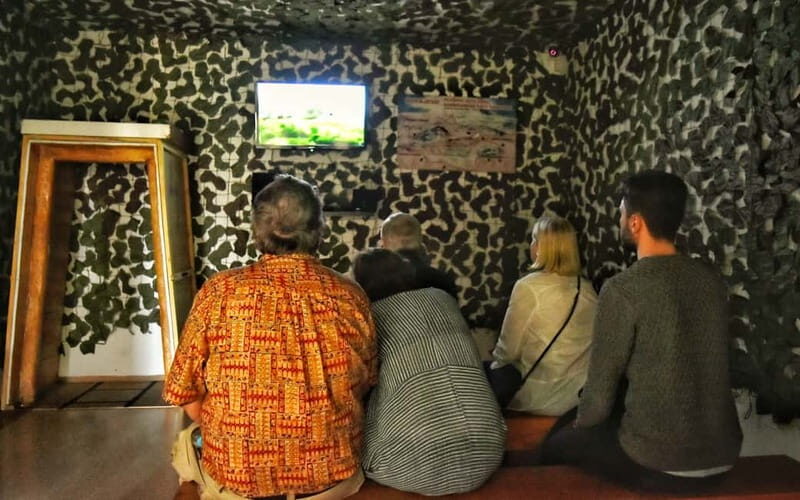
Inside, you’ll watch a short original movie filmed during the war years. It’s not polished for tourists; it’s filmed close to the moment. That sets the tone for what the guide explains next: what led to the breakup of Yugoslavia, how the war began in Bosnia and Herzegovina, and how Sarajevo became the long-stressed heart of the siege.
The most important part here is the guide’s hour-long presentation. You don’t just hear dates. You understand the tunnel as a practical lifeline—how a besieged city stayed supplied and connected when normal routes were cut off. The walking portion at the tunnel area also matters. It’s one thing to hear about geography; it’s another to be in the same space where survival depended on movement through a narrow passage.
If you’re the kind of person who likes facts, this stop delivers. If you’re the kind of person who needs story to hold facts together, it does that too.
You can also read our reviews of more tours and experiences in Sarajevo.
- Fall of Yugoslavia, Sarajevo War Tour with Tunnel of Hope Museum and Frontlines
★ 5.0 · 1,314 reviews
City Driving Stops: Sniper Alley Scars and Siege-Era Landmarks
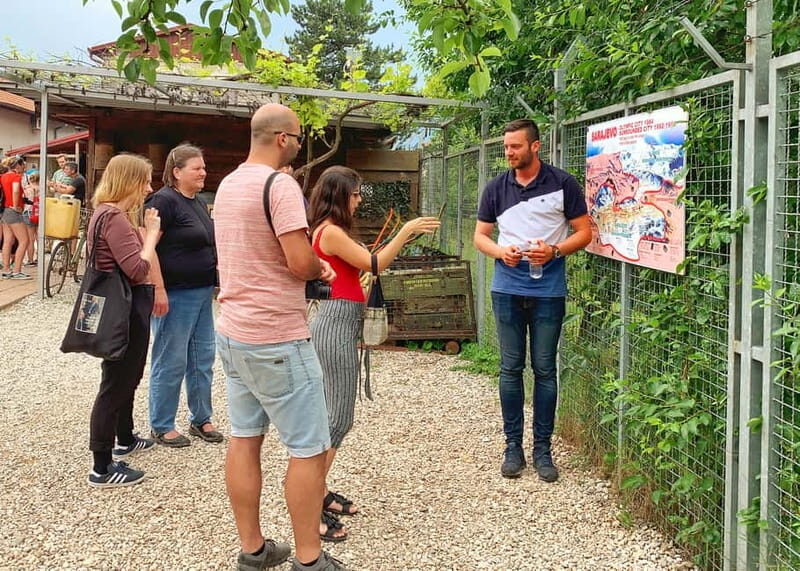
After the tunnel, the tour shifts to city context. A big part of why this route works is that you’re not only walking. You also get guided commentary as you ride between key sites, so you build a mental map of what changed and what stayed.
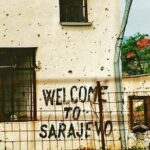
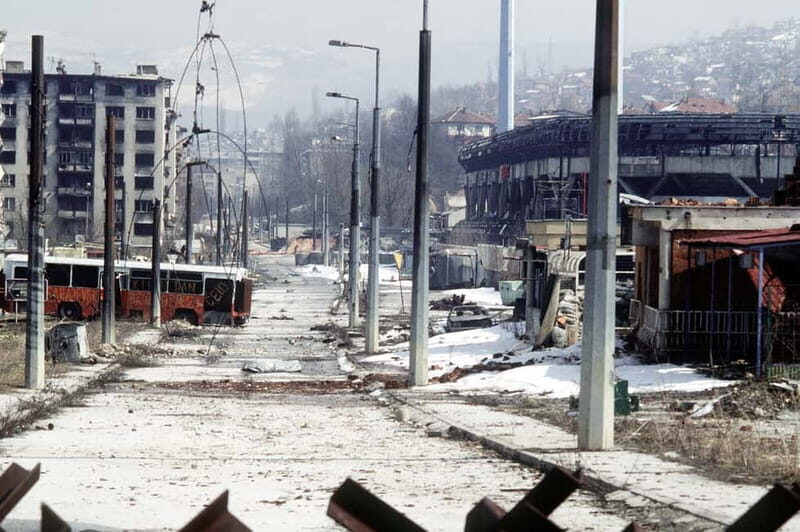
One standout is the walk in the area commonly called Sniper Alley. This is where Sarajevo’s scars show up in the everyday layout of streets. The point isn’t shock value. It’s comprehension: you start to see how the siege shaped daily movement, where people could go, and why certain spaces became dangerous.
The guide also points out several landmark types along the way—things like major hotels, military-related areas, and cemetery locations. You’ll pass by places tied to the conflict including the Hotel Holiday area, barracks sites, and cemeteries. The tour also includes pass-by moments at spots that help you understand Sarajevo beyond the siege, such as the City Market Hall area and the Olympic connection at the Juan Antonio Samaranch Olympic Hall.
There’s also a clinical stop along the route called Klinika za ginekologiju i porodiljstvo. It’s the kind of place that forces the history down to a human scale: siege war doesn’t only affect fighting. It affects births, families, and the medical reality of living under bombardment.
And yes—sometimes your bus window becomes your classroom. It’s efficient, but you’ll get more out of it if you keep your eyes open and don’t tune out while you’re sitting.
Trebević Mountain: Olympic Spirit, Frontline Reality, and the Bobsleigh Track
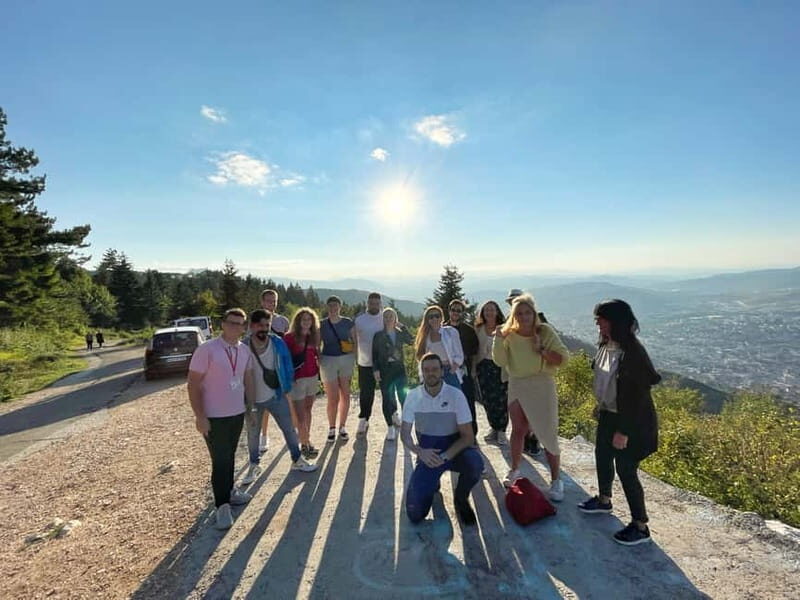
Next comes Trebević Mountain, the Olympic mountain that hosted parts of the 1984 Winter Games. That contrast is the whole trick of this stop. Before the war, it was a place of sport and visitors. During the siege, the same mountain became a main front line.
You’ll visit the Olympic bobsleigh track area and also walk through the ruined hotel Osmice. Silent ruins can feel eerie even in broad daylight, but that’s exactly the point: the siege didn’t just damage buildings. It froze a whole version of life mid-sentence.
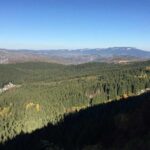
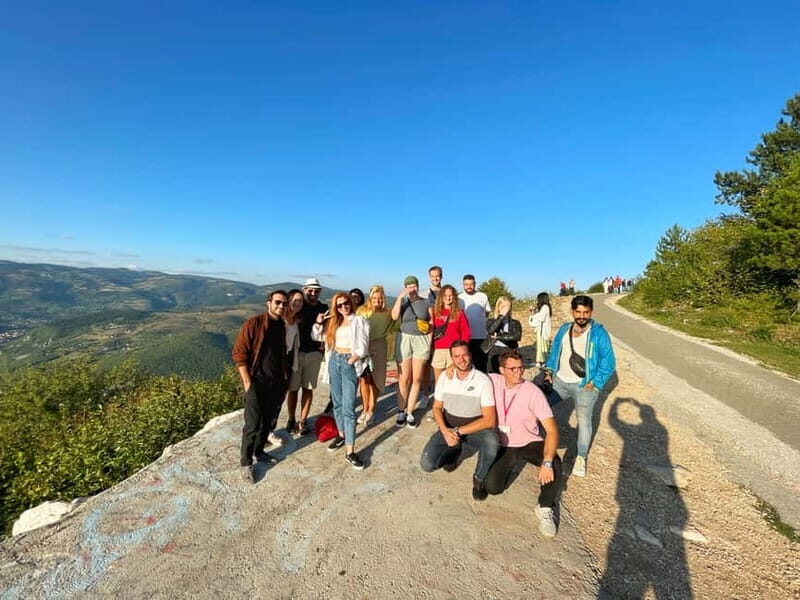
From the mountain, you’ll also get one of Sarajevo’s most striking panoramas. The guide connects that view to how the enemy used high ground to shell the city. Standing there makes the shelling logic make sense. You can look down and understand how distance and elevation turned ordinary streets into targets.
Practical note: this is a mountain stop, so wear shoes that handle uneven surfaces and slopes. It’s not a tough hike for long stretches, but you are on a front-line terrain.
One more detail that’s worth planning for: depending on how the tour unfolds in your session, you might do more walking at the viewpoint areas than you expect. If you’re trying to keep your energy for later in the day, bring water and a layer for wind—Trebević can feel cooler than the city below.
The Yellow Fortress for Panorama and Reflection
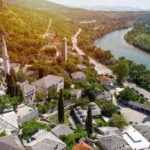
After Trebević, the tour returns toward Sarajevo and makes a stop at the Yellow Fortress (also referred to as Yellow Bastion). This is one of those places locals keep using because it offers the best views.
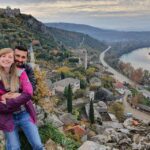
But here, the view isn’t just for photos. It’s for perspective. You look down at a city that survived four years of constant bombing, and you can feel how survival becomes identity. The guide usually sets this stop up with the right context, so the viewpoint doesn’t turn into just a scenic break.
The walk time at this stop is short, but the emotional payoff can be big. You get a clear look at the shape of the city and understand why high points matter. It’s also a good moment to pause and reset after the tunnel and mountain ruins.
If you’re photographing, this is the kind of viewpoint where you’ll want to step back and frame wider shots rather than only zooming in. The point is the relationship between the hills and the streets.
Martyr Cemetery (Shehidi) and Alija Izetbegović’s Grave
The final stop is Martyr Cemetery (Shehidi). Cemeteries can feel heavy anywhere, but this one is especially meaningful in Sarajevo because the siege and the independence struggle are woven into personal sacrifice.
You’ll see defenders buried here, and the guide highlights the grave of the first Bosnian president, Alija Izetbegović, at the center of the cemetery. Standing in that space helps you understand what independence cost and how the city’s survival turned into state-building.
This is a good place to let the tour slow down in your mind. The earlier stops explain how things happened. This stop helps you understand why it mattered.
If you’re the type who asks lots of questions, you may find yourself wanting to talk here too. The guide will be able to connect the dots between the fall of Yugoslavia, the wars that followed in the region, and Sarajevo’s role as a symbol of resistance and survival.

Price and Value: What You Get for $36 in 4 Hours
At around $36 per person for a four-hour experience, the value is surprisingly strong when you look at what’s included.
You get:
- Hotel pickup and a comfortable air-conditioned minivan or car ride between sites
- A small-group structure with a live English-speaking guide
- Transport time that actually matters, because several of the key places are spread out (tunnel, mountain, viewpoints)
- A guided Tunnel of Hope visit with a museum presentation component (and tunnel entry fee can be included depending on the option you select)
- A lunch voucher for a traditional meal in Sarajevo at a family-owned restaurant, usable during your free time
- The ability to bring luggage on the tour or leave it securely at the office
What’s not included: breakfast and lunch are not part of the fixed tour timing, except through that voucher you can use when you’re free. So plan a regular morning/meal schedule around it.
The big value question is simple: do you want a guide to connect events, places, and meaning? If yes, the $36 price makes sense. If you prefer reading on your own and you’re not interested in war context, then you might not get your money’s worth.
But for most people, four hours is the sweet spot. It’s long enough to build a story, short enough that you’re not stuck in a full-day grind while processing heavy material.
The Role of the Guide: Serious, Sensitive, and Still Engaging
What people praise most is the delivery—how the guide handles a hard topic without turning it into theater.
Guides like Chris, Arme, Almir, Ahmed, Emin, Alem, and Ago show up in different sessions, and the pattern is consistent: strong explanations plus room for questions. Some guides also share personal or family-level connections to the siege period, which can make the history feel painfully real. That’s not for everyone, but it’s often what makes the tour stick in your mind.
Another frequent strength: guides keep the tone respectful and emotionally careful, but they also don’t treat you like fragile museum glass. Some sessions include thoughtful humor at the right moments, which can make the pace bearable without removing seriousness.
The end result is that you don’t just visit war sites. You understand the logic behind them, why certain buildings mattered, and how Sarajevo managed daily life under extreme pressure.
Getting the Most Out of This Tour: Practical Tips That Matter
This tour moves between walking and riding, and it hits places with uneven ground and steep viewpoints. A few practical choices can make the experience smoother:
- Bring a camera (you’ll want it for the tunnel exterior memorial and both panoramic stops).
- Wear comfortable shoes. Even the shorter walks can involve rough surfaces.
- Dress for mountain weather. Wind can change how quickly you feel cold on Trebević.
- Keep your expectations honest: this is not a light sightseeing loop. It’s a history-focused day with emotional stops.
- If you’re using the lunch voucher, plan when you’ll eat afterward so you’re not rushing.
Also, if you’re sensitive to very heavy subject matter, you might want to pace yourself on the final cemetery stop. Sit with it for a minute before you start moving again.
Who Should Book This (and Who Might Prefer Something Else)
This is a strong fit for you if you:
- Want a clear, guided understanding of the siege and the fall of Yugoslavia story
- Like when history is grounded in place names (Tunnel of Hope, Trebević, Yellow Fortress, Martyr Cemetery)
- Appreciate local perspective delivered in clear English
You might want to skip or pair it with something lighter if you:
- Prefer purely scenic tours with minimal discussion of war
- Don’t handle emotionally intense topics well
- Are looking for a “quick photo” tour rather than a guided story
For everyone else, it’s one of those experiences that makes Sarajevo’s beauty feel earned, not just pretty.
Should You Book the Sarajevo Tunnel and Siege Tour?
If you’re in Sarajevo for a short time and you want the one tour that explains why this city feels different, I’d book it. For around $36 and four hours, you get real guided context, key memorial and war sites, and two major viewpoints—Trebević and Yellow Fortress—that turn geography into understanding.
Just go in prepared for emotion. Then let the guide do what they’re best at: turning difficult history into something you can actually comprehend.
FAQ
What is the duration of the tour?
The tour runs for about 4 hours.
How much does it cost?
The price is $36 per person.
Does the tour include hotel pickup?
Yes, hotel pickup is included, and pickup is optional depending on your booking preferences.
Is the Tunnel of Hope entry fee included?
Entry to the Tunnel of Hope can be included if you select the option that includes the ticket fee. The tour listing notes it as included when that option is chosen.
Is lunch included?
Breakfast and lunch are not part of the tour program. You do get a voucher for a traditional Bosnian lunch that you can use during your free time.
What language is the tour guide?
The live tour guide speaks English.
Is the tour suitable for people with mobility needs?
Yes, the tour is wheelchair accessible.
What should I bring?
You should bring a camera.
Will I need to wait in line for tickets?
The tour says it includes skipping the ticket line.
Can I leave luggage somewhere before the tour?
Yes. You’re welcome to bring your luggage on the tour, or you can securely leave it at the office while you explore.
You Might Also Enjoy
More Tours in Sarajevo
- Fall of Yugoslavia, Sarajevo War Tour with Tunnel of Hope Museum and Frontlines
★ 5.0 · 1,314 reviews
More Tour Reviews in Sarajevo
- Fall of Yugoslavia, Sarajevo War Tour with Tunnel of Hope Museum and Frontlines
★ 5.0 · 1,314 reviews