REVIEW · SARAJEVO
Understanding Srebrenica Genocide Tour + Lunch with Local Family Included
Book on Viator →Operated by Funky Tours · Bookable on Viator
Srebrenica is a hard day, handled with care. This tour turns a long drive into real context, then lands you at Potočari’s Memorial Centre and the Srebrenica area with clear, guided explanations. I like the small group size (max 8), which makes questions feel possible, not awkward. I also like the included home-hosted lunch, because it’s not just food—it’s part of how survivors keep rebuilding.
The main drawback is timing. The memorial exhibits are extensive, so you may need to pick what you focus on, because you won’t have time to read every single display.
In This Review
- Key moments you’ll remember
- A focused 10-hour Sarajevo-to-Srebrenica day (with pickup)
- Romanija foothills: starting with the 1992 events
- Sušica concentration camp: understanding how terror was organized
- Zaklopača massacre: one village, one date, almost no survivors
- Srebrenica lead-in: from gathering point to July 1995 killings
- Memorial Centre in Potočari: what to do with your 3 hours
- Potočari lunch with a local family: food and survivor-led rebuilding
- Srebrenica town visit: seeing real places after the memorial
- Guides who can balance facts, context, and respect
- Dress code and on-the-ground comfort (so you can focus)
- Price ($96.75) and what you really get for it
- Who should book (and who should reconsider)
- Final verdict: should you book this Srebrenica tour with lunch?
- FAQ
- What time does the tour start, and how long is it?
- Do I get pickup in Sarajevo?
- What’s the group size?
- Is the tour in English?
- What is included with the price?
- Are memorial or site admissions included?
- Where does the tour start and end?
- What should I wear?
- Can I cancel for a refund?
- Are service animals allowed?
Key moments you’ll remember
- Hotel pickup across Sarajevo so the day starts with less hassle
- Max 8 travelers for a more respectful, question-friendly pace
- Pre-memorial stops that explain 1992 ethnic cleansing and earlier massacres
- Memorial Centre Potočari for 3 hours with free admission
- Full-course lunch in Srebrenica served by a local family from scratch
- English-speaking local guidance with personal insight from the region
A focused 10-hour Sarajevo-to-Srebrenica day (with pickup)
This is a full-day trip, about 10 hours from the 8:00 am start, returning you to the same meeting point. The best practical part: pickup from any address in Sarajevo (hotel, hostel, or a place you agree on). You don’t need to wrestle with buses on a schedule that’s already heavy.
The group stays small (up to 8 travelers). That matters here. When the topic is genocide, you want time to ask basic questions without feeling like you’re holding up a tour train. It also helps the guide keep the day organized and solemn.
You’ll travel in a private vehicle, and there’s enough time on the road to learn. Reviews repeatedly mention the trip from Sarajevo as a chance to ask questions. Expect a long day, not a quick hit.
A few more Sarajevo tours and experiences worth a look


Romanija foothills: starting with the 1992 events
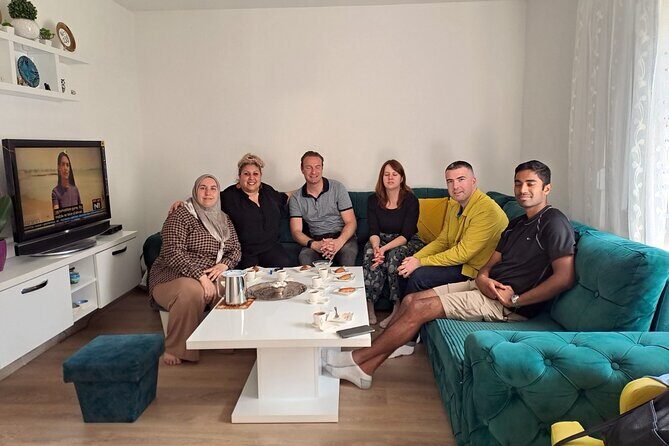
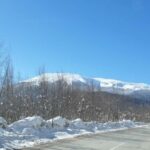
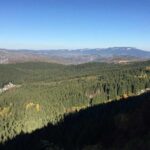
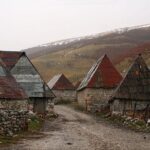
Before you reach Srebrenica, you’ll stop in a small mountain town at the foot of Romanija. The scenery is genuinely beautiful—mountain views, fresh air, and a slower pace than the later stops. But your guide uses that contrast to set the timeline.
This first stop is where the story starts to get specific: the ethnic cleansing of Bosniaks by Republic of Srpska forces in this region during 1992. You’ll hear how violence didn’t begin at one single moment. It spread, hardened, and then created the conditions for what came later.
Practical note: you’ll likely feel a mental shift here. Going from mountain scenery to atrocity details can be jarring. That’s normal. I’d just mentally prepare for a day that moves forward whether you are ready or not.
Sušica concentration camp: understanding how terror was organized
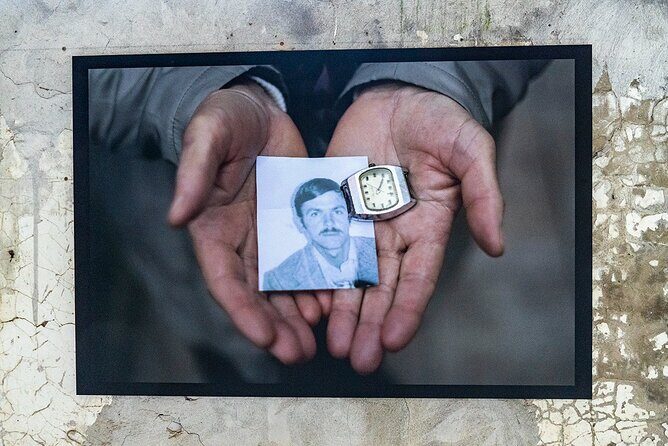
One of the most direct learning stops comes at the region associated with Concentration Camp Sušica, established by the Republic of Srpska Army in 1992. The tour frames it clearly: more than 8,000 Bosniaks were successively held there.
What makes this stop valuable is the way it connects the dots. You’re not only learning that atrocities happened. You’re learning how detention, deprivation, and control were part of a system. That helps you understand why later mass killings weren’t random—they were part of a larger plan.
A possible drawback: if you’re the type who needs breathing room between heavy sites, you’ll want to pace yourself. This day is structured with multiple emotionally intense points back-to-back.
Zaklopača massacre: one village, one date, almost no survivors
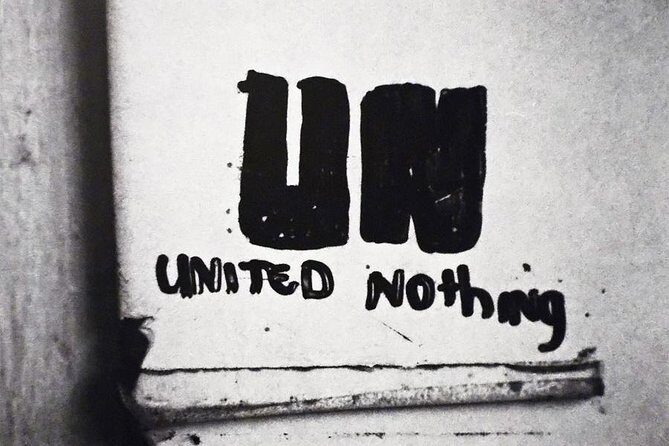
Next up is the Zaklopača Massacre. On 16 May 1992, the tour explains that all members of the village were killed—59 Bosniaks, including 12 children, with only a very few survivors.
Hearing a specific date matters. It turns a vague chapter of history into something with a clock: what day it happened, who was targeted, and how completely the village was erased.
This stop also helps you understand scale. When you learn that one village’s population included children, you stop thinking in abstractions. You start thinking in families.
Srebrenica lead-in: from gathering point to July 1995 killings
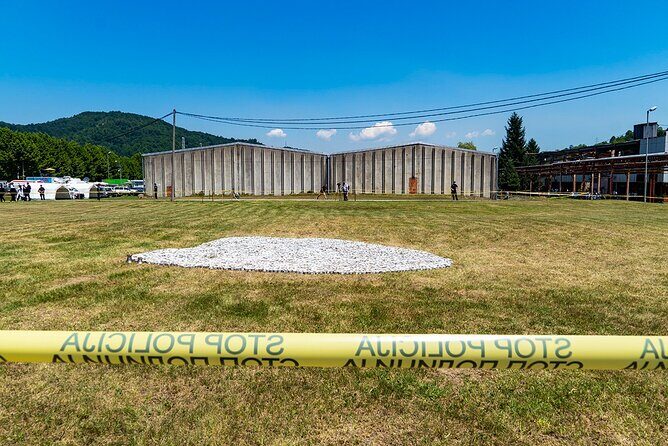
After Sušica and Zaklopača, you’ll get a broader explanation of 1992 ethnic cleansing of Bosniaks by Republic of Srpska forces—and how this town became the first gathering point for many Bosniaks who were later killed in mass executions in July 1995 during the Srebrenica Genocide.
For me, this is where the tour earns its keep. It doesn’t jump ahead. It explains the chain of events so the memorial later doesn’t feel like a separate movie scene. Instead, you understand it as part of a longer rupture in Bosnia’s recent history.
Also, it prepares you for what you’ll see at Potočari. The day starts building meaning before you ever reach the graves and exhibits.

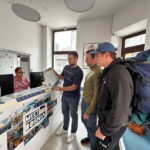
Memorial Centre in Potočari: what to do with your 3 hours
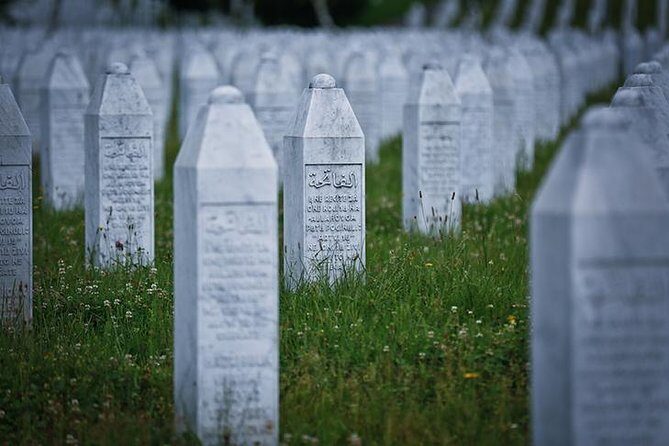
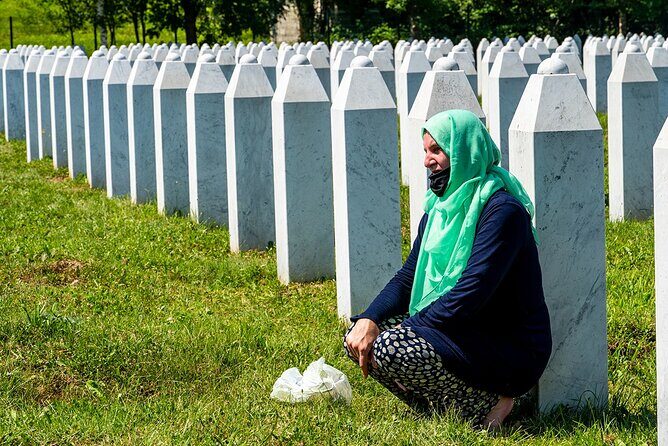
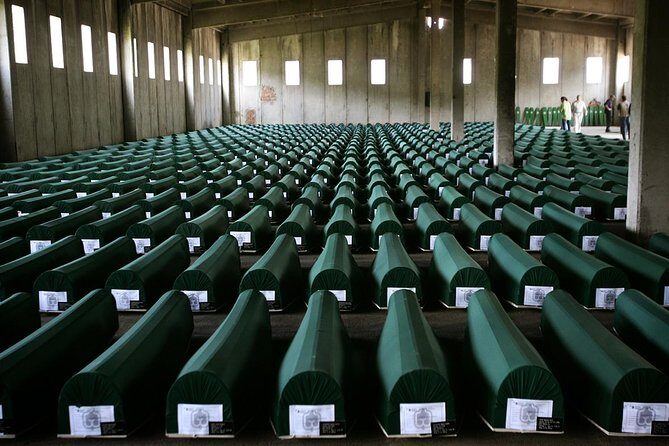
The centerpiece is the Srebrenica Genocide Memorial Centre in Potočari, with 3 hours on site. Admission is listed as free.
This is the moment the tone changes. The memorial is dedicated to the victims of the Srebrenica Genocide during July 1995. Your guide’s job here is to help you read what you’re seeing—without rushing you, and without turning grief into a checklist.
A smart way to use your time: decide what you need most.
- If you want the story, focus on the main exhibits and the structure of the narrative.
- If you want names and personal impact, spend more time on sections that emphasize individual victims or family connections.
- If you want context, follow your guide’s suggestions on what to prioritize first.
One practical reality: the exhibitions are extensive, and you may not have time to take everything in at full detail. That’s not a problem with the tour; it’s simply how memorial sites work. Go in with an intention, not the expectation you’ll absorb every paragraph.
Potočari lunch with a local family: food and survivor-led rebuilding
The day’s highlight for many people is the home-hosted full-course lunch with a local family in Srebrenica. It’s 1 hour and listed as free admission for that stop.
This part isn’t just hospitality. The tour specifically frames the purpose: unemployment, genocide denial, and discrimination against predominantly Bosniak people in Srebrenica are frequent. Funky Tours says it works to empower local communities to participate in sustainable tourism—and the lunch helps make that sustainable.
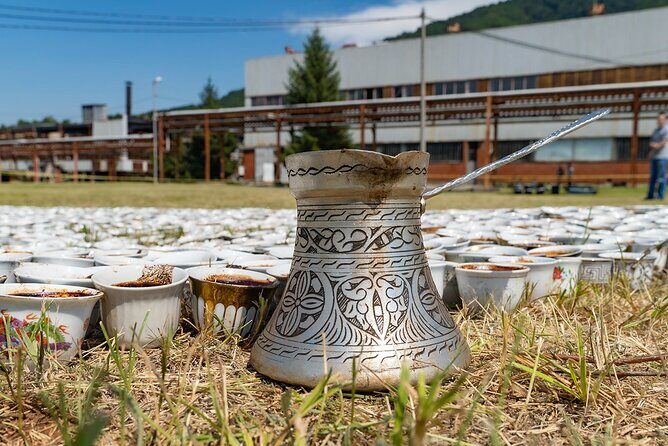
What’s included is a meal made from scratch using organically grown ingredients from local farms connected to survivors. You’re also encouraged to listen—people in Srebrenica share personal stories, including the terrible ones and the better ones too.
If you’re worried about the emotional load of eating while discussing painful history, you’re not the only one. The point of this lunch is that life still continues. The conversation is part of how survivors reclaim normal moments—over bread, soup, and whatever else arrives at your table.
Srebrenica town visit: seeing real places after the memorial
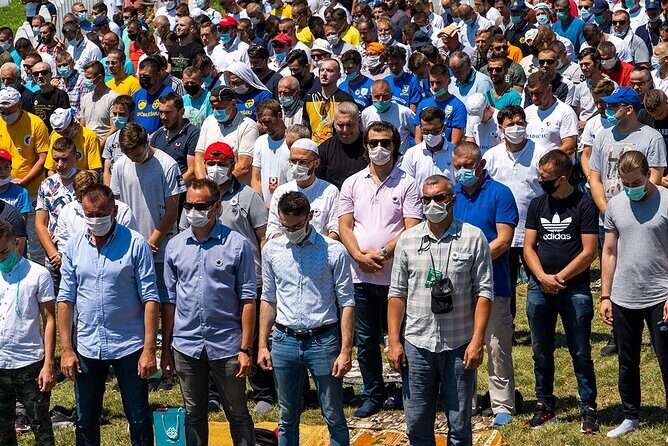
After the memorial and lunch, you’ll visit the town of Srebrenica for about 1 hour. Admission there is listed as free.
This stop helps your brain connect memorial details to geography. The tour explains that you’ll see real places connected to what you learned, which makes the story feel less like it happened in a distant past and more like it happened here, to people who lived in these streets.
There may be a chance for a lunch break depending on timing, but the bigger value is perspective. The memorial asks you to remember. The town asks you to place the memory in a real setting and notice what remains.
If you come expecting silence, you’ll find something more complex: a living community, shaped by what happened, still moving forward.
Guides who can balance facts, context, and respect
This is one of those tours where the guide’s role is not optional. You’re dealing with massacres, ethnic cleansing, concentration camps, and the Srebrenica Genocide. You need context, but you also need tact.
From the guide names that show up in people’s accounts—Adnan, Almir, and Ado—the common thread is clarity and strong authority. Several accounts also mention guides with direct personal connection to the war period. That can affect the day in a real way: answers feel grounded, not rehearsed.
You’ll likely also notice that your guide tries to keep the day human. Some reviews mention a balance of sobering memory with moments of pleasant conversation, and that question time matters on the drive back and forth.
One practical tip: if you have questions, write them down before the day starts. When you’re surrounded by heavy sites, it’s easy to forget the one question you really wanted to ask.
Dress code and on-the-ground comfort (so you can focus)
You’ll be on your feet at memorial-related locations, and the tour notes that it enters a Muslim cemetery, so plan smart casual dress. That usually means covered shoulders and practical shoes you can stand in for a while.
Also, the subject is exhausting, not just sad. Bring water, and plan for the fact that you’ll be processing a lot of information in a single stretch of time. A long drive helps for Q&A, but it also means fatigue piles up.
The private vehicle helps with comfort. A smaller group also means fewer interruptions and fewer “lost” moments while everyone regroups.
Price ($96.75) and what you really get for it
At $96.75 per person for about 10 hours, this isn’t a budget tour in the usual sense. But it’s also not overpriced for what you’re getting.
Here’s the value angle that matters:
- Pickup across Sarajevo plus private vehicle transport for a long route
- A guided, structured day that explains multiple stops before you reach the main memorial
- A home-hosted full-course lunch in Srebrenica (served from scratch with local, organic ingredients)
- Small group size (max 8), which is a big deal on sensitive days
Add it up and you’re paying for logistics and guidance, plus a lunch that supports survivor-led community tourism. Since memorial admission at key points is listed as free, you’re not spending your day chasing entrance fees.
Who should book (and who should reconsider)
This is a strong match if:
- You want a guided explanation, not just a memorial visit
- You care about understanding the sequence of events leading into July 1995
- You’re open to meeting a local family and hearing stories
It might be a tougher fit if:
- You have limited stamina for a full day and long drives
- You need a lot of personal space during emotional topics
- You want a more relaxed sightseeing pace rather than a focused learning day
One good rule: if you’re coming to remember with respect and ask questions, you’ll likely find this worthwhile. If you’re hoping for light entertainment, this is not that kind of trip.
Final verdict: should you book this Srebrenica tour with lunch?
Yes—if you can handle a solemn, fact-heavy day and you truly want understanding, not just photos. The biggest selling points are the clear chronological context before Potočari, the 3-hour memorial time, and the full-course lunch with a local family that supports survivor-led, sustainable community rebuilding.
My only caution is mental: you’ll cover a lot. The memorial exhibits are extensive, and the schedule is designed for a respectful overview, not a slow, chapter-by-chapter reading marathon. If you go with intention and patience, you’ll get a day that stays with you.
FAQ
What time does the tour start, and how long is it?
It starts at 8:00 am and lasts about 10 hours.
Do I get pickup in Sarajevo?
Yes. Pickup is offered from any address in Sarajevo, including hotels, hostels, and places agreed in advance.
What’s the group size?
The tour has a maximum of 8 travelers.
Is the tour in English?
Yes, it’s offered in English.
What is included with the price?
The tour includes private vehicle transport, a local guide, and a full-course home-hosted lunch with a local family in Srebrenica.
Are memorial or site admissions included?
The provided information lists free admission for the Memorial Centre at Potočari and free admission for the Potočari lunch stop and the Srebrenica town visit.
Where does the tour start and end?
It starts at the Funky Tours meeting point on Besarina čikma 5, Sarajevo, and it ends back at the meeting point.
What should I wear?
The dress code is smart casual, and since the tour enters a Muslim cemetery, you should dress accordingly.
Can I cancel for a refund?
Yes. You can cancel up to 24 hours in advance for a full refund.
Are service animals allowed?
Yes, service animals are allowed.
You Might Also Enjoy

More Lunch Experiences in Sarajevo
More Tours in Sarajevo
- Fall of Yugoslavia, Sarajevo War Tour with Tunnel of Hope Museum and Frontlines
★ 5.0 · 1,314 reviews
More Tour Reviews in Sarajevo
- Fall of Yugoslavia, Sarajevo War Tour with Tunnel of Hope Museum and Frontlines
★ 5.0 · 1,314 reviews