REVIEW · SARAJEVO
Utopia of Tito’s Yugoslavia, Tito’s Bunker & Siege of Sarajevo
Book on Viator →Operated by Funky Tours · Bookable on Viator
Cold war secrets and siege survival, all in one day.
This tour links Sarajevo’s Siege of the 1990s with Yugoslavia’s paranoia-era planning, starting with Konjic’s old bridge and ending at Sarajevo’s Olympic and Jewish cemetery sites. I especially like the small group cap of eight, which keeps the pace human and the questions actually get answered.
My second favorite part is the storytelling. In the best way, the guides behind this experience—people like Hamza, Emir, Ahmed, Salem, Amir, Mustafa, and Agnar—frame each stop so you understand what it was built for, what it protected, and what it cost the city. The one drawback to consider is that you’ll spend a full day moving between emotionally heavy sites and steep viewpoints, and lunch isn’t included.
In This Review
- Key points before you go
- A 10-hour Sarajevo loop built around the Siege and Cold War
- Konjic Bridge: the bright start before the heavy stops
- ARK D-0 Tito’s Nuclear Bunker (Facility D-0): a shelter made for command
- Igman Olympic Mountain: ski jumps, the 1984 dream, and the wartime reality
- Sarajevo War Tunnel: Tunnel of Hope, museum first, then the passage itself
- Trebević and Dobrinja: Olympic Village context and the first line of battles
- Sarajevo Olympic Bobsleigh and Luge Track: a walk that reads like a timeline
- Jewish Cemetery Sarajevo: one of Europe’s major cemeteries, and a siege front line
- Price and value: what $101.85 buys you in a full day
- Who should book this Sarajevo day tour
- Should you book this tour?
- FAQ
- How long is the tour?
- What’s the group size limit?
- Is hotel pickup available in Sarajevo?
- What admissions are included in the price?
- Is lunch included?
- Is free cancellation offered?
Key points before you go
- Small group size (max 8) keeps this from feeling like a rushed drive-by history lesson
- Two major targets in one day: ARK D-0 Tito’s Nuclear Bunker and the Sarajevo War Tunnel
- Olympic sites in wartime context at Igman and Trebević, including places tied to 1984 Sarajevo Winter Olympics
- Clear logistics with hotel pickup options in Sarajevo and an air-conditioned vehicle
- Short, focused stops that still leave time for panoramas and moving walk-throughs
A 10-hour Sarajevo loop built around the Siege and Cold War
This is a long but well-structured day: roughly 10 hours starting at 8:00 am, with hotel pickup available in Sarajevo or meeting at Funky Tours in the old town. You’ll cover a lot of ground—urban Sarajevo, the surrounding Olympic mountains, and the drive toward Konjic—so it helps to think of it as one connected story, not seven separate attractions.
The real value is how the day pairs two kinds of history. One side is Yugoslavia’s Cold War engineering mindset, built into places like ARK D-0. The other side is the city’s lived survival during the Siege of Sarajevo, where tunnels and sniper lines shaped daily life. If you like your history tied to physical places—concrete, earthworks, bunkers—this works well.
I’d plan your energy like this: expect walking inside sites, time outdoors for viewpoints, and a steady stream of context from the guide. Also note you’re not getting lunch included, so you’ll want to handle food timing yourself (more on that later).
You can also read our reviews of more tours and experiences in Sarajevo.
- Fall of Yugoslavia, Sarajevo War Tour with Tunnel of Hope Museum and Frontlines
★ 5.0 · 1,314 reviews

Konjic Bridge: the bright start before the heavy stops
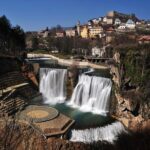
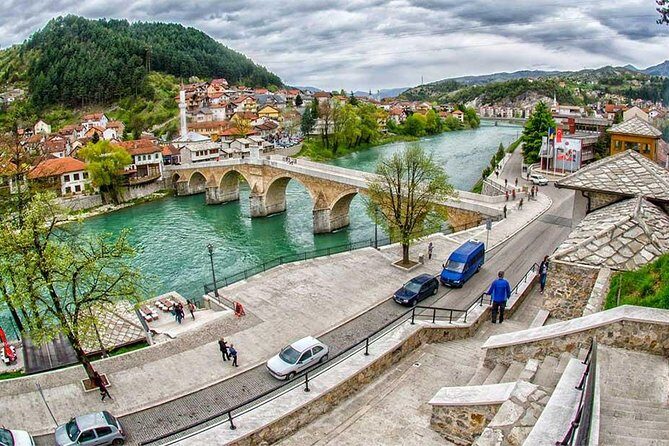
The day begins at Konjic Bridge, a prehistorically inhabited area and home to a famous 17th-century 6-arch bridge over the turquoise Neretva River. It’s often a sunny kind of stop, which matters because the rest of the itinerary can feel heavy and claustrophobic.
Konjic also acts like a tone-setter. Even though this stop is brief (about 30 minutes) and admission is free, it helps you understand why this region mattered—strategic geography, transport routes, and the way older settlements sit alongside later military projects. It’s a quick breather before you head to one of the most overt symbols of Cold War thinking in the former Yugoslavia.
Practical note: this is a good moment to grab water, use restrooms if needed, and get comfortable shoes on. After this, the day shifts from scenic to serious fast.
ARK D-0 Tito’s Nuclear Bunker (Facility D-0): a shelter made for command
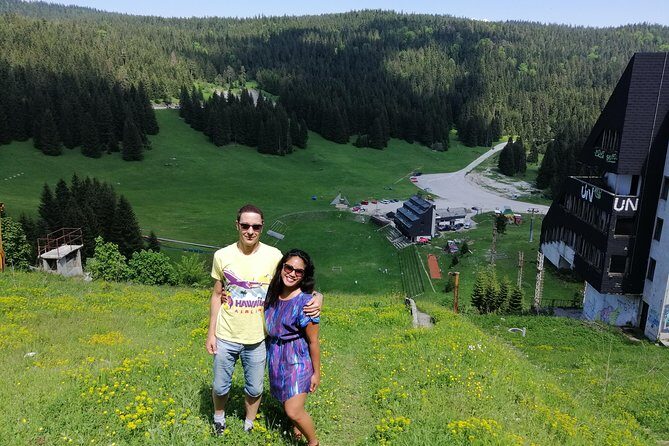
If you only care about one stop, make it ARK D-0 Tito’s Nuclear Bunker (also called Facility D-0). This is the heart of the trip for many people, and for good reason: it took 26 years to build a 6,500 m² facility designed to withstand nuclear war and protect over 350 Yugoslav leaders and generals.
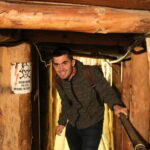
What you’ll feel here isn’t just the size of the bunker—it’s the mentality behind it. The tour walks you through the structure and the space’s real function: a command shelter that was meant to keep the armed forces running after catastrophe. You’ll also hear how the site sits in the broader Cold War “worst-case planning” mindset, including the fear and control that shaped Yugoslav leadership thinking.
A detail I appreciate is the scale of the investment. This project is described as the third most expensive JNA military project, with spending around 4.6 billion USD. That number helps you grasp the seriousness of what was planned—not a small shelter, but a major national-level project.
Inside, expect a guided wander where the guide connects:
- Communist paranoia and security planning
- how the bunker was supposed to work in crisis
- the broader story of Yugoslavia’s later fall and what came after
Also, the bunker is used as a venue for contemporary art events (a biennial setting is mentioned), which can make the interior feel even stranger: you’re seeing Cold War survival infrastructure presented through modern culture. That contrast can be powerful, as long as you keep your expectations grounded: this is still a military survival site first.
Timing here is about 1.5 hours, with admission included. Wear something comfortable enough to handle enclosed spaces, and be ready to stand and walk through corridors.
Igman Olympic Mountain: ski jumps, the 1984 dream, and the wartime reality
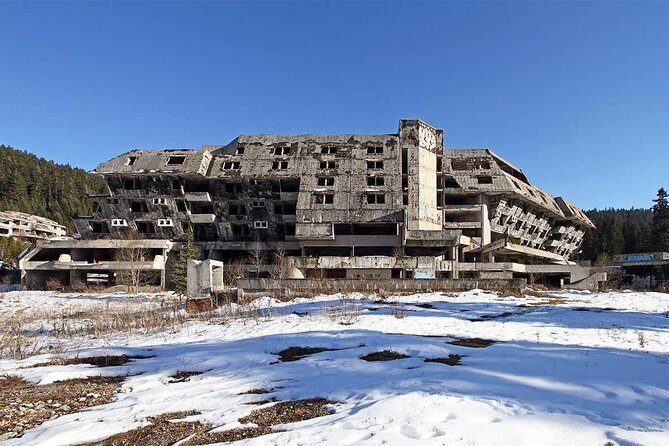
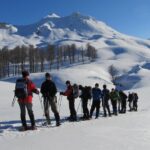
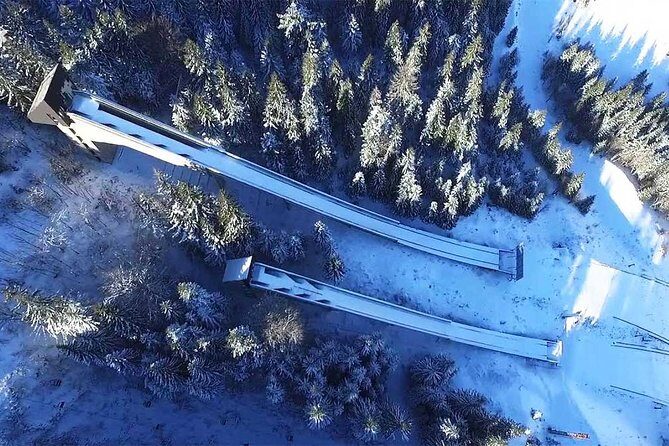
Next you’ll head toward Sarajevo via Igman, beginning with Igman Olympic mountain and its 1984 Olympic ski-jump heritage. This stop is about 1 hour, and admission is free, so you’re paying mostly for the guide’s interpretation and the views rather than tickets.
The Olympic connection matters because this wasn’t just a random ski area. It was part of the Sarajevo Winter Olympics story—optimism, unity, and a world stage. Even if the war ended that era, the mountain still holds visible proof of what the city once prioritized.
One especially memorable thread in the tour plan is the Igman Olympic Hotel. The information provided describes it as a 162-room mountain luxury property built for the 1984 Olympics, then brutally damaged during the Balkan War and the Siege of Sarajevo. So when you look at the terrain and the Olympic structures, the guide can connect the beauty and ambition of 1984 to the brutal break that followed.
This is also a good place for photos. If you’re sensitive to steep spots or wind, take your time on viewpoints, because mountain conditions can change quickly.
Sarajevo War Tunnel: Tunnel of Hope, museum first, then the passage itself
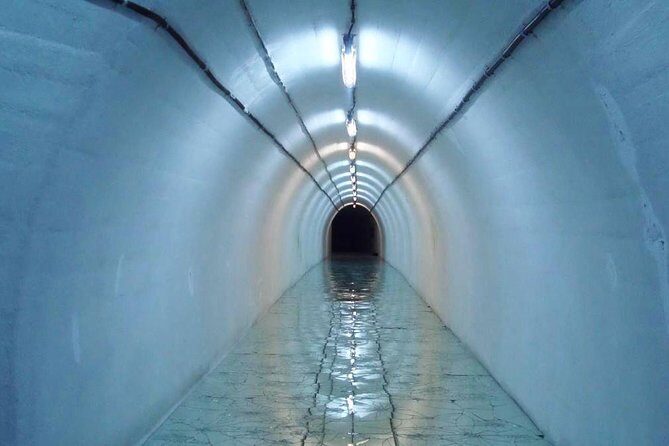
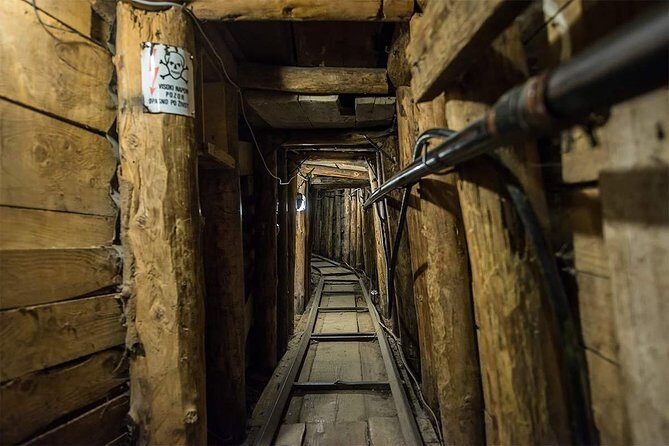
The Sarajevo War Tunnel is where the siege story turns from background into survival technique. You’ll visit the museum exhibition first, then watch a short movie about why this underpass was essential, and finally go through the tunnel itself.
Time here is about 1.5 hours, with admission included. That order—museum, film, then the passage—helps your brain build a timeline and logic. You’re not just walking through a space; you’re understanding why it had to exist.
The tunnel is a physical reminder of how cities endure when normal supply lines fail. It’s also one of the best places on this route to get emotional context without turning it into theater. The guide’s job here is clarity: what the tunnel enabled, what it protected, and how the siege shaped the city’s day-to-day reality.
If you prefer history that has a practical engineering feel, this is a highlight. And if you tend to get overwhelmed by war-themed places, pace yourself—this site is important, but you still control how long you linger on each section.

Trebević and Dobrinja: Olympic Village context and the first line of battles
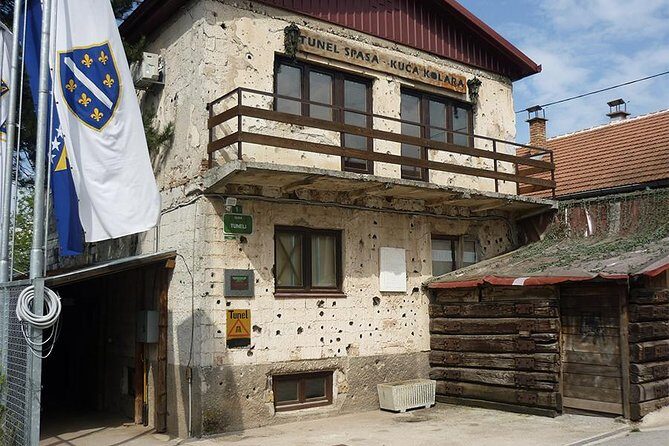
After the tunnel museum stop, the itinerary moves toward Trebević and includes the Olympic Village Dobrinja along the way. The guide frames Dobrinja as part of the siege story too, with a “besieged neighborhood in a besieged city” perspective. This is one of the reasons the tour feels cohesive: you keep seeing the Olympic “1984” threads rerouted into wartime geography.
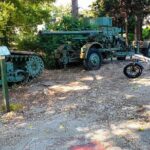
At Trebević (the Olympic mountain), the focus shifts to what the war left behind. The information you’ll get highlights that much of the mountain was a first line during the Siege, with battles across multiple areas. The tour plan notes you may see remnants like bunkers, minefields, tank caterpillar traces, trenches, and even visible traces of shrapnel and impacts that were not repaired or restored.
Specific sites are named, including Zlatište, Osmice, and the Sarajevo Bobsleigh from the 1984 Winter Olympics era. That naming matters because you can anchor what you’re seeing to places the Olympics once made famous—then watch those same locations become part of the siege’s military map.
You’ll also get panoramic viewpoints, and the top of Trebević is described as where you get the strongest sense of how the “game” of control played out and how forces with an advantage didn’t get Sarajevo taken. Without guessing at exact tactics, the guide’s viewpoint framing is what makes this work: it turns geography into understanding.
One practical consideration: this part of the day can involve more uneven ground and long sight lines. Comfortable shoes matter more than anything else here.
Sarajevo Olympic Bobsleigh and Luge Track: a walk that reads like a timeline
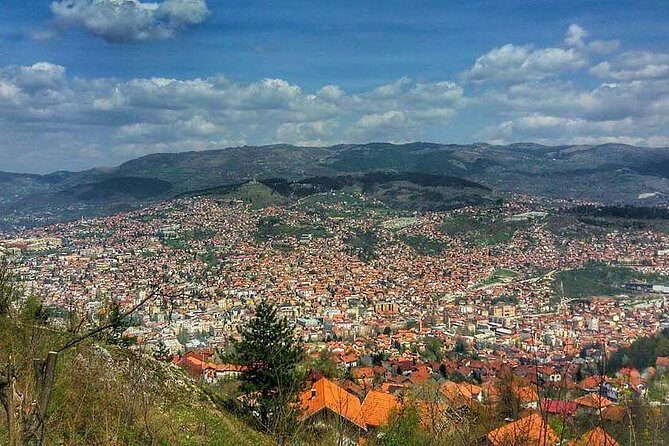
Later, you’ll get a walk down the famous 1984 Olympic bobsled track, timed at about 45 minutes. The plan also calls it something of a street art paradise, which can make the walk feel lighter in tone even while you’re surrounded by the past.
The key benefit is pacing. After the tunnel and Trebević battle remnants, this track stop gives you a slower, more observational stretch. The guide can connect how a place built for sport became part of a siege-era landscape, and then how art and foot traffic bring it back into public view.
For you, it’s a chance to look, photograph, and absorb without the same level of enclosed-space intensity. For most people, it’s also a great time to ask follow-up questions—this is where your understanding starts to lock in.
Jewish Cemetery Sarajevo: one of Europe’s major cemeteries, and a siege front line
The tour includes a visit to the Jewish Cemetery Sarajevo twice in the plan, with one stop after Trebević at about 20 minutes. This cemetery is described as one of the largest Jewish cemeteries in Europe, with historical importance beyond the war.
During the Siege of Sarajevo, it served as a front line and sniper nest for the Republic of Srpska army, overlooking Sarajevo Sniper Alley. That detail is heavy, and it’s exactly the kind of context the guide should bring with sensitivity, since it’s not just military history—it’s a place of mourning and memory.
This stop is short by design. It’s long enough for meaning, not long enough to overwhelm. If you’re the kind of traveler who prefers space to reflect, this is where you’ll want to slow your walking and take a minute before moving on.
Price and value: what $101.85 buys you in a full day
At $101.85 per person, you’re paying for a full-day route, a professional English-speaking guide and driver, an air-conditioned vehicle, and included admission fees to essential sites.
Here’s what makes the price feel reasonable: the itinerary includes ticked entries where costs would add up fast on your own. The plan specifies that Tito’s Bunker entrance fee (10 EUR adult) is included, and the Sarajevo War Tunnel entrance fee is included too (5 EUR adult / 2.5 EUR children and students). It also states that all fees and taxes are included.
What’s not included is lunch. That’s the one cash gap you should plan for, because a day like this can make food feel rushed if you forget to bring a backup plan.
If you like to travel with structure—especially to places that require context—this price works. If you hate early starts, long days, or emotionally heavy stops, then no amount of value will make it feel easy.
Who should book this Sarajevo day tour
This fits best if you want:
- Sarajevo Siege history tied directly to physical sites like the tunnel and front-line areas
- Yugoslav Cold War planning through ARK D-0 and the logic of nuclear survival command
- Olympic Sarajevo in wartime context, including Igman and Trebević
- A small-group format where your guide can answer questions without the group swallowing the story
It may not be your best match if you want a relaxing, light sightseeing day. This route includes war-era structures and battlefield remnants, and it spends time in places that ask for respectful attention.
Should you book this tour?
I think you should book it if you care about understanding Sarajevo beyond the postcard. The pairing of Tito’s bunker and the Sarajevo War Tunnel, then linking it to Olympic places that were changed by the siege, is exactly the kind of “one day, one story” experience that makes travel feel meaningful.
If you do book, go prepared for a full day: comfortable shoes, a way to handle lunch, and a willingness to take the war sites seriously. And if you get a guide like Hamza, Emir, Ahmed, Salem, Amir, Mustafa, or Agnar, lean in—this tour works when you ask questions and let the guide connect the dots between concrete, geography, and human decisions.
FAQ
How long is the tour?
The tour runs for about 10 hours.
What’s the group size limit?
The maximum group size is 8 travelers.
Is hotel pickup available in Sarajevo?
Yes. Pickup can be arranged from any hotel in Sarajevo, or you can meet at Funky Tours in the old town.
What admissions are included in the price?
Admission fees for essential museums and attractions are included, including Tito’s Bunker (10 EUR adult) and the Sarajevo War Tunnel (5 EUR adult / 2.5 EUR children & students). Many other stops listed on the route have free admission.
Is lunch included?
No. Lunch is not included.
Is free cancellation offered?
Yes. You can cancel up to 24 hours in advance for a full refund.
You Might Also Enjoy
More Tour Reviews in Sarajevo
- Fall of Yugoslavia, Sarajevo War Tour with Tunnel of Hope Museum and Frontlines
★ 5.0 · 1,314 reviews