REVIEW · SARAJEVO
Sarajevo Grand Tour: Old Town, War Tunnel, Olympic Sites & More
Book on Viator →Operated by Tour Mage · Bookable on Viator
Sarajevo can feel like two cities at once. This 5-hour Grand Tour strings together the Ottoman Old Town, Austro-Hungarian-era landmarks, and the wartime story of the Sarajevo War Tunnel. I especially love the way it mixes walking + driving so you get the key sights without turning the day into a full-on hike. The other big win for me is the built-in Bosnian coffee stop and the hands-on, human-scale craft moments. One thing to consider: there’s a fair amount of time on your feet, and the Tunnel Museum ticket isn’t included.
The small-group size (max 15) is a comfort too, because guides like Elvis, Enes, Edis, Zulfo, and Adnan are clearly used to working with real humans, not a herd. The day is run in a tight loop: Old Town first, then the war sites and viewpoints up on Trebević.
If you want a “see it all, learn the why” day, this fits well. If you have one extremely inflexible schedule, keep a little time buffer, because weather, traffic, and the pace of visits can shift the final minutes.
In This Review
- Key highlights worth your attention
- Sarajevo Grand Tour: why this day works so well
- Old Town orientation: City Hall, Inat Kuća, and the Miljacka River
- Quick practical note
- Kazandžiluk and Bascarsija: food street energy plus a classic fountain
- Morica Han: Ottoman caravansary + Bosnian coffee pause
- Gazi Husrev-beg Mosque to Latin Bridge: faith, fountains, and a turning-point story
- Bezistan, Meeting of Cultures, and the Jewish heritage stops
- Sacred Heart Cathedral, Markale marketplace, and the Orthodox church exterior
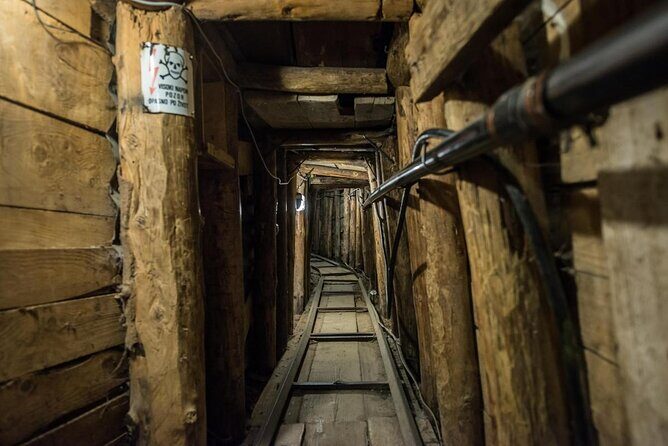
- Sarajevo War Tunnel: what you’ll see and how to plan for it
- How to make this stop land
- Trebević Olympic track and the Yellow Fortress: views with a history load
- Price and value: what your $47.06 buys (and what it doesn’t)
- Who this tour fits best
- Should you book this Sarajevo Grand Tour?
- FAQ
- What time does the tour start, and where do I meet?
- Is hotel pickup included?
- How long is the Sarajevo Grand Tour?
- What’s included in the price?
- Is the Sarajevo War Tunnel museum admission included?
- Is the tour in English, and how many people are in the group?
- Is this tour suitable for children?
- Can I count on it being walkable?
Key highlights worth your attention
- Inat Kuća and the Miljacka River: early stops that explain how the city thinks and where people gather
- Kazandžiluk food street: cevapi + pita-burek tasting, plus a coppersmith peek
- Gazi Husrev-beg Mosque area: gardens, the Sadrvan fountain, medresa, and the Lunar Clock Tower
- Latin Bridge details: including the story-linked stops that make the assassination site make sense
- War Tunnel experience: movie-style presentation plus a walk-through section
- Trebević + Yellow Fortress views: Olympic track photo time and a big-picture viewpoint from above
Sarajevo Grand Tour: why this day works so well
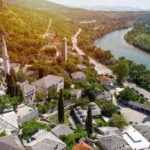
Sarajevo has a reputation for big history, and this tour gives it structure. You start in the center and move outward in logical layers: Ottoman old core first, then the mixed cultural neighborhoods, then the wartime geography, and finally the viewpoints above the city. That order matters because you’ll understand where things sit in relation to each other, not just collect photos.
The route is built around practical pacing. Some attractions are quick outside passes; others include short walks and a bit of “pause and look” time. And since pickup is included, you’re not spending your morning figuring out buses, taxis, or hills.
For the price—about $47 per person—the value comes from what’s included: private vehicle transport, hotel pickup, a local guide, and Bosnian coffee plus bottled water. The tour also stops at a wide set of landmarks without forcing you to pay for each individual ticket as you go, with the main “extra cost” being the War Tunnel museum admission.
You can also read our reviews of more tours and experiences in Sarajevo.
- Fall of Yugoslavia, Sarajevo War Tour with Tunnel of Hope Museum and Frontlines
★ 5.0 · 1,314 reviews
Old Town orientation: City Hall, Inat Kuća, and the Miljacka River
The day kicks off with pickup and then a walking start in the Old Town core. The first orientation is small-group friendly: you get a quick sense of the city’s location, climate, and how the place developed—useful when Sarajevo’s layers start to feel confusing later on.
The Sarajevo City Hall (Vijecnica) is your big visual anchor. Even if you just catch it from outside, it’s the kind of building you’ll remember later because it helps you spot the city’s style and ambitions. Then you move to Inat Kuća, the famous spite house. It’s more than a quirky name; it’s a story hook that explains how Sarajevo locals deal with pride, stubbornness, and the everyday logic of neighborhood life.
Next comes the river. The Miljacka River runs through the city like a spine, and you’ll cross it early so the geography clicks. From there, you reach Seher Čehaja Bridge, a short stop designed to set the scene for the old pedestrian streets you’ll hit right after.
Quick practical note
If you’re sensitive to walking, wear comfortable shoes. This is not a sit-behind-glass tour. The good news: the driver and vehicle keep breaking up the walking so you’re not worn out before the real history starts.
Kazandžiluk and Bascarsija: food street energy plus a classic fountain
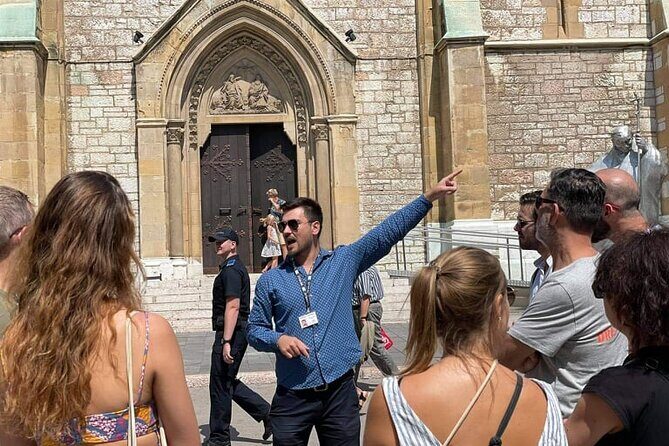
After the first river crossings, you enter Kazandžiluk, the pedestrian area that Sarajevo locals connect with food. This is where the tour leans into the “taste and understand” style of sightseeing.
You’ll pass locksmith street (often called Sarajevo’s famous food lane) where the tour includes a cevapi tasting and a pita-burek-style stop—plus sweets and coffee. It’s a smart choice because these are simple, low-pressure bites that help you feel the city’s daily rhythm instead of treating lunch as a separate activity.
Then you get a crafts angle. The tour includes time in the coppersmith area, where you’ll step into a shop for a short craft presentation. It’s not a long museum lecture. It’s the kind of brief, local-focused interaction that makes the souvenir you buy (or the one you decide not to) feel more grounded.
From there, you reach Bascarsija, the main square and the heart of the Old Town. The Sebilj fountain is right there—still a famous symbol of free water for travelers stretching back centuries. Even if you don’t linger, it’s worth a look because it’s one of those spots that anchors the city in your mind: market life, old streets, and the Ottoman-era feel that Sarajevo still carries.
Morica Han: Ottoman caravansary + Bosnian coffee pause
Morica Han is where the tour slows down in the best way. You walk along the promenade with little shops, souvenirs, and café stops, then step into a 16th-century Ottoman caravansary—a type of inn built for merchants and caravan travelers.
Inside, the tour includes traditional Bosnian coffee. This isn’t just caffeine on the go. The stop is designed as a quiet corner break, so you can reset before the bigger landmarks. You’ll also hear stories tied to local traditions while you sip, which is the difference between “coffee stop” and “coffee moment.”
If you love food and small cultural details, this is one of the most rewarding parts of the day. It’s also where you’ll feel how Sarajevo traditions survive through everyday hospitality, not just performances.

Gazi Husrev-beg Mosque to Latin Bridge: faith, fountains, and a turning-point story
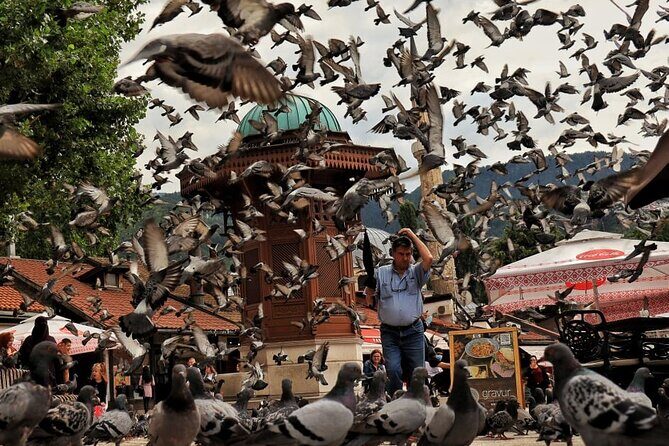
The next stretch centers on Gazi Husrev-beg Mosque and its surrounding complex. You begin in the mosque gardens, then look at key features: the mosque and minaret, the story of Gazi Husrev-bey, the Sadrvan fountain, and the medresa (Islamic school). You’ll also see the Lunar Clock Tower, which adds a distinct time-and-culture landmark to the mix.
The guided way this is handled tends to matter. When you understand the purpose of spaces like fountains and school buildings, the place stops looking like “pretty architecture” and starts reading like a functioning community map. Even your photo stops make more sense.
Then the tour moves to Latin Bridge. This is one of those Sarajevo places where the story matters as much as the structure. You’ll pass by a striking detail: the oldest public toilet in the country, built in the 16th century and still working. It sounds odd until you realize how long people have lived with these public utilities and routines.
Then you reach the Latin Bridge area and the assassination story that’s closely tied to the start of World War I. The tour keeps it focused on what happened and why it mattered, so you leave with a clearer timeline rather than a vague name-drop.
Bezistan, Meeting of Cultures, and the Jewish heritage stops
This part of the tour is about Sarajevo’s layered identities. You’ll pass Sarajevo Meeting of Culture, a practical stop that frames how east and west overlap in real streets, not just in abstract ideas.
Next is the Bezistan, a covered market area. You’ll see the Taslihan ruins connected to the largest caravansary concept, then move through areas like Hotel Europe and the Bezistan market itself. It’s the “shopping district” version of history: the past isn’t behind glass here. It’s built into the street fabric.
You also get a Jewish heritage stop at the Jewish Museum of Bosnia and Herzegovina. The tour includes an outside view of a 16th-century synagogue, plus background stories connected to the Hagadah book and the idea of living together. This is handled in a respectful, explanatory way meant to broaden context rather than push emotional overload.
If you’re wondering whether Sarajevo can handle multiple narratives at once, these stops are the answer. You see how different communities shaped the city’s everyday life, not only its political headlines.
Sacred Heart Cathedral, Markale marketplace, and the Orthodox church exterior
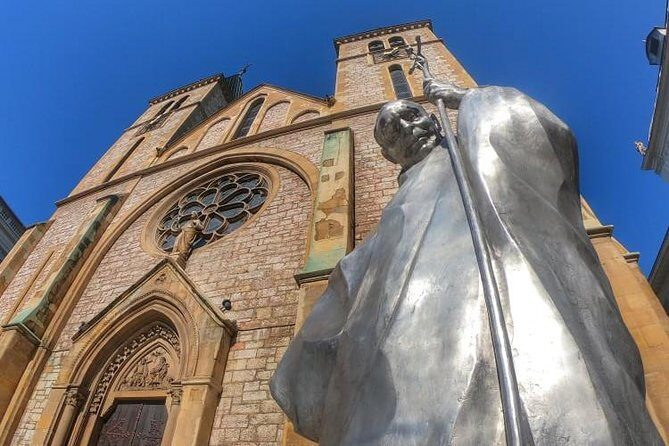
From the Ottoman-and-market rhythm, the route shifts into a different architectural mood with Ferhadija promenade and the Sacred Heart Cathedral (Katedrala Srca Isusova) outside visit. You’ll also see touches like Sarajevo roses and a John Paul Statue. These exterior passes help you spot the Austro-Hungarian-era imprint in the city, especially after the older Ottoman streets.
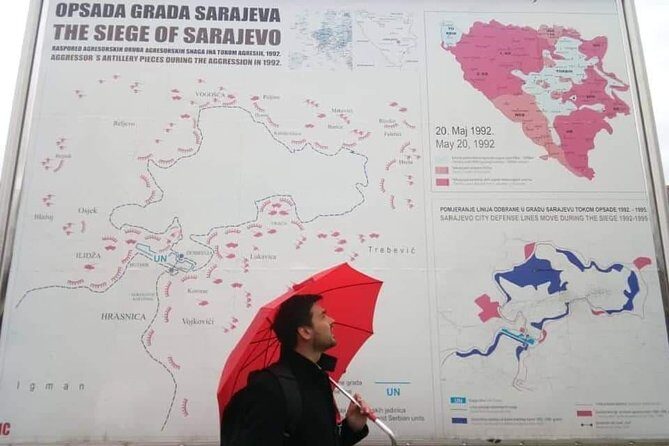
Then you head toward Markale marketplace. You’ll pass by the Hamam area before reaching Markale itself. This is a somber stop tied to the 1992–1995 war and the massacre at Markale. It’s short by design (the tour time is limited), but it’s meaningful because the location gives the story physical grounding.
You’ll also see the Serbian Orthodox Cathedral from the outside. Together, these religious and civic stops reinforce a key point: Sarajevo’s identity is not one single thread. It’s a braid—some strands are closer than others, and some have painful chapters.
Sarajevo War Tunnel: what you’ll see and how to plan for it
This is the portion of the day that most people remember. You move through the wartime geography: you’ll pass Sniper Alley, cross through the Second Entity (Republica Srpska / RS) by route, and pass Sarajevo Airport before arriving at the Sarajevo War Tunnel.
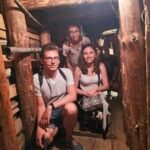
The tour includes a presentation and a short movie about the siege and the tunnel, then you walk through part of the tunnel. The stop is guided, so it’s less like wandering and more like understanding why the tunnel existed, how it functioned, and what it meant on a human level.
Here’s the practical part: the Tunnel Museum admission fee is not included. The listed cost is €10.50 per booking, so expect a little extra spending if you want the museum component in full.
How to make this stop land
Bring your attention here, not your hurry. If you tend to get anxious in enclosed spaces, know there’s a walk-through section. If you want photos, keep your hands and phone ready, but follow your guide’s timing instructions—this is not the place for a “take one selfie and move on” mindset.
Trebević Olympic track and the Yellow Fortress: views with a history load
After the tunnel, the tour drives up toward Trebević mountain. You’re looking at two layers at once: the Olympic-era sites and the fact that this area sits near war frontlines.
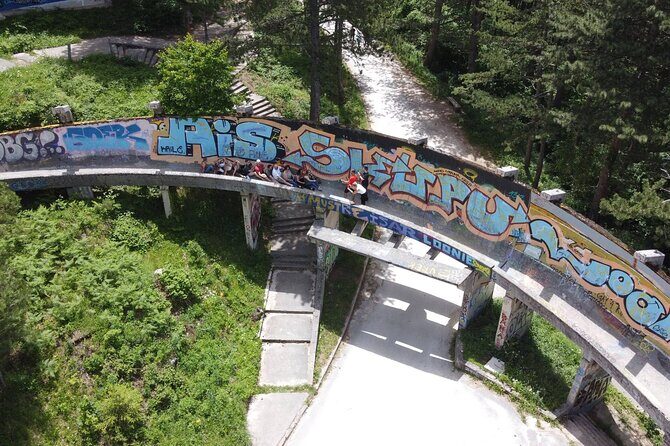
You’ll take a drive (around 15–20 minutes), then do a short walk toward the Sarajevo Olympic Bobsleigh and Luge Track. The tour includes time at the track for some of the best pictures of the day. It’s a nice contrast—big geometry, open air, and a view back toward Sarajevo.
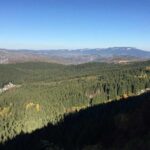
Then you wrap with Yellow Fortress, one of the most memorable viewpoint stops. On the way you pass Skenderija Olympic Hall and Ashkenazi synagogue areas, then reach the fortress for the view. This is the “put it all together” moment, because you’ll finally see how Old Town, the hills, and the wartime paths connect in a single frame.
You also get a final add-on story space at the Jewish Cemetery Sarajevo earlier in the day’s flow: time there includes looking out over the city from the sniper nest perspective and hearing about how the area was used during the war, including a reference to the war hotel.
When the day ends, you’re dropped back in Old Town, which is handy if you want to grab dinner nearby without dealing with long transit.
Price and value: what your $47.06 buys (and what it doesn’t)
At roughly $47 per person, this is one of those deals that only works because the tour bundles heavy lifting. Your money covers pickup, private vehicle transport, and a local guide through a dense set of stops. It also includes bottled water and Bosnian coffee, which is the kind of inclusion that keeps you from scrambling for refreshments between neighborhoods.
Most sightseeing stops are free in the sense that you’re not buying separate entry fees for every exterior landmark. The clear exception you should plan for is the War Tunnel Museum ticket (€10.50).
If you’re comparing it to doing things on your own, the savings come from time and navigation. Sarajevo has hills and neighborhood textures that are easier with a car and a guide than with guesswork.
Who this tour fits best
This is best for you if:
- You have limited time and want a fast, structured orientation to Sarajevo
- You want both the Ottoman and Austro-Hungarian layers, plus wartime context
- You prefer small-group guidance over DIY wandering
It’s less ideal if:
- You strongly dislike walking for any amount of time
- You need zero extra spending beyond the headline price (because the tunnel museum fee applies)
Should you book this Sarajevo Grand Tour?
I’d book it if you want a single day that ties Sarajevo’s past and present together in a way that’s actually usable for the rest of your trip. The Old Town walking, the food and coffee moments, and the war geography in and around the tunnel give you a complete picture without needing to plan ten separate stops.
Do it with a realistic expectation: this is a day with some walking and a serious content moment. If you can handle that, you’ll likely feel like you just got your bearings fast and your questions answered.
FAQ
What time does the tour start, and where do I meet?
The tour starts at 9:00 am. Pickup is arranged at the lobby of your hotel or any other location in Sarajevo.
Is hotel pickup included?
Yes. Hotel pickup is included, and pickup is also offered from another location in Sarajevo.
How long is the Sarajevo Grand Tour?
The duration is listed as about 5 hours.
What’s included in the price?
Included features are bottled water, Bosnian coffee, a local guide, transport by private vehicle, and hotel pickup.
Is the Sarajevo War Tunnel museum admission included?
No. The entrance fee to the Tunnel Museum is not included, listed as €10.50 per booking.
Is the tour in English, and how many people are in the group?
The tour is offered in English and has a maximum group size of 15.
Is this tour suitable for children?
Children must be accompanied by an adult.
Can I count on it being walkable?
Most people can participate, with a mix of walking and driving throughout the day. You’ll still want comfortable shoes for the walking portions.
You Might Also Enjoy
More Tours in Sarajevo
- Fall of Yugoslavia, Sarajevo War Tour with Tunnel of Hope Museum and Frontlines
★ 5.0 · 1,314 reviews
More Tour Reviews in Sarajevo
- Fall of Yugoslavia, Sarajevo War Tour with Tunnel of Hope Museum and Frontlines
★ 5.0 · 1,314 reviews