REVIEW · SARAJEVO
Sarajevo: A Siege Story – The Tunnel of Hope Experience
Book on GetYourGuide →Operated by Sarajevo Insider City Tours & Excursions · Bookable on GetYourGuide
Sarajevo’s siege history hits hard. This 3.5-hour tour strings together the Yellow Fortress viewpoint, the most feared streets, and the Tunnel of Hope so you understand what survival looked like day to day. You’ll ride between sites with a licensed guide and modern transport, then end underground, where the city’s lifeline becomes real in your hands and on your feet.
Two things I really like: the way the route turns big headlines into specific human scenes, and the quality of guiding that comes through in every stop. On this program, you may hear from guides such as Nermin, Naida, Dino, or Mohamed, and the most praised moments are when they connect official history with what they saw or lived through.
One heads-up: the Tunnel of Hope museum has an entrance fee that’s not included. Adults pay 20 BAM (10.50€) and students pay 8 BAM (4.50€), and also the walkable tunnel section can feel short compared with the size of the legend.
In This Review
- Key highlights to expect
- From Zelenih beretki to the Siege: how the tour sets your mindset
- Yellow Fortress: panoramic views that explain defense, not just photos
- Sniper Alley and the Markale Market context: seeing targeting in street form
- Sarajevo Maternity Hospital: why medical staff stories stay with you
- Olympic Stadium and Hall Zetra: from pride to pressure
- Tunnel of Hope Museum: the lifeline underground, with a real-world limit
- Museums and Grbavica pass-by: how the route expands the story
- Price and value: $31 plus the tunnel ticket makes sense
- Who this tour fits best (and who should think twice)
- Should you book Sarajevo: A Siege Story – Tunnel of Hope?
- FAQ
- How long is the Sarajevo: A Siege Story tour?
- Where does the tour meet?
- What does the tour cost, and is the Tunnel of Hope fee included?
- What sites are included on this experience?
- What languages are offered?
- Is the tour suitable for wheelchair users?
- What should I bring and wear?
- Can I cancel for a full refund?
Key highlights to expect
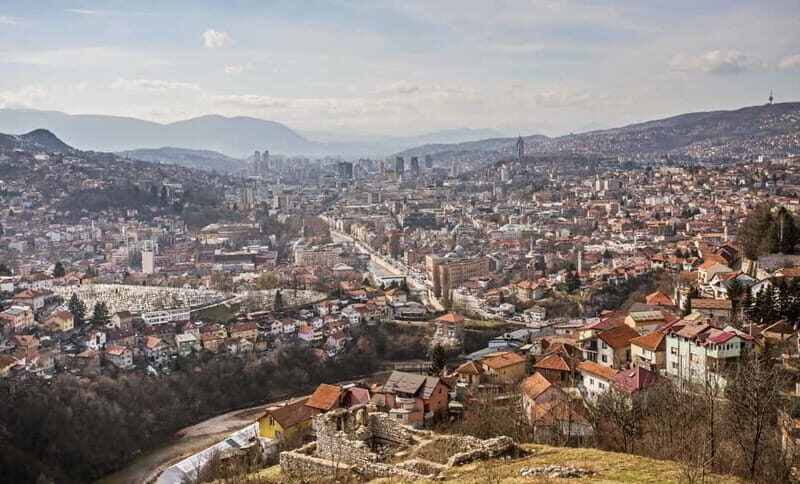
- Yellow Fortress panoramic views that explain why Sarajevo resisted for so long
- Sniper Alley drive-by where the danger becomes visible from the street
- Sarajevo Maternity Hospital stories showing how medicine worked under siege chaos
- Olympic Stadium and Hall Zetra stops linking games, pride, and war history
- Tunnel of Hope Museum visit ending with a short walk inside the lifeline underground
From Zelenih beretki to the Siege: how the tour sets your mindset
The tour starts at Zelenih beretki 30 at the Insider Agency. It’s a good “arrive and orient” setup because the first part is about framing the siege—where it began, what Sarajevo was trying to protect, and why daily life became a balancing act between fear and routine.
The whole experience runs about 210 minutes, and that matters more than you might think. Three hours and change is long enough for real context, but not so long that you numb out. You’re also moving by modern transportation, which means you can focus on the story without constantly stopping and re-starting.
The biggest factor here is the guide. This is one of those tours where people clearly remember the person behind the narration. Names like Nermin show up in the feedback as a guide who lived through the siege and still explains events with calm clarity, not drama. If you’re lucky enough to get a guide with that lived perspective, the tour becomes less like a lecture and more like someone handing you a map of what it felt like.
You can also read our reviews of more tours and experiences in Sarajevo.
- Fall of Yugoslavia, Sarajevo War Tour with Tunnel of Hope Museum and Frontlines
★ 5.0 · 1,314 reviews

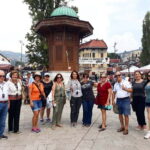
Yellow Fortress: panoramic views that explain defense, not just photos
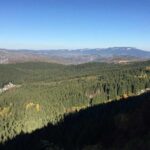
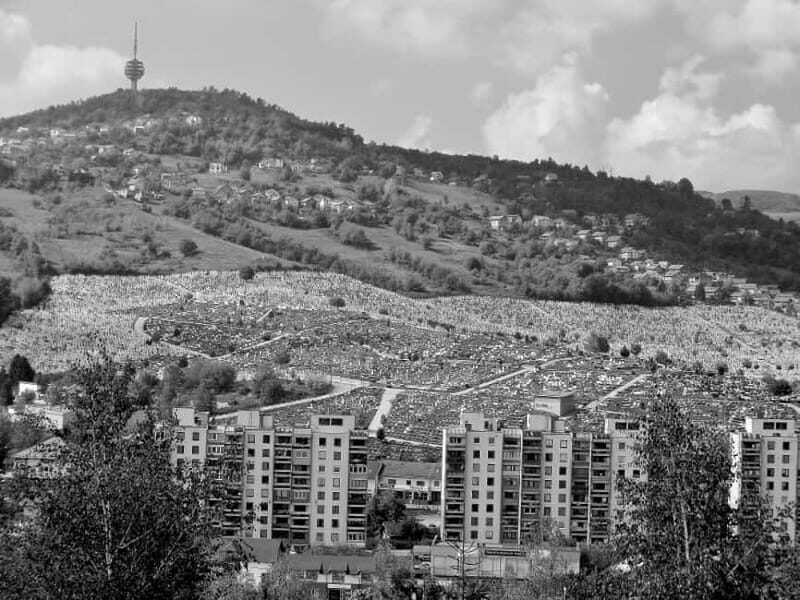
Your first meaningful stop is the Yellow Bastion / Yellow Fortress area. Expect a photo stop plus a guided introduction, with views that help you understand why certain positions mattered.
Here’s the practical value: elevated ground changes everything in siege warfare. From a viewpoint, your guide can show you how Sarajevo’s geography shaped movement, visibility, and the constant pressure from surrounding forces. Even if you’re not a history buff, the view makes the explanation stick.
This is also where the tour earns its emotional tone. The siege story isn’t only about destruction; it’s about a city trying to function while danger stayed close. Starting with the skyline and hills gives you a baseline so later stops feel like the same place, under different rules.
Sniper Alley and the Markale Market context: seeing targeting in street form
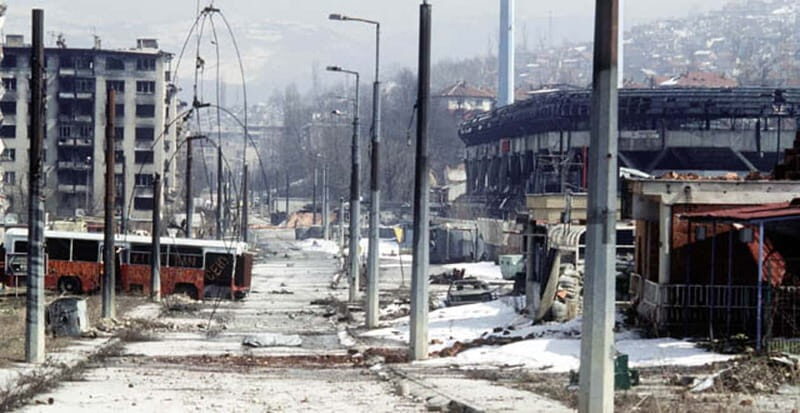
Then you head into the city’s most frightening wartime geography—most notably Sniper Alley. You won’t just be told it was dangerous. You’ll be shown the idea from the road, with your guide pointing out what made that stretch so vulnerable during the siege.
Why this part matters for you: it turns abstract “sniper activity” into something you can picture. When you see the layout from a driving vantage point, the danger stops being a generic phrase. The street becomes a lived path—one people had to navigate while hoping their timing, location, and luck lined up.
This same section of the tour also ties into the wider siege picture, including references to Markale Market. You might not linger at the market itself, but you’ll hear the background that puts that name into the story of Sarajevo’s wartime reality—why civilians were in the crosshairs, and what the city was dealing with beyond the front lines.
If you’re sensitive to heavy topics, this is likely the hardest segment after the tunnel. It’s also the one where the guide’s framing helps the most. A good guide keeps it factual and human, not sensational.
Sarajevo Maternity Hospital: why medical staff stories stay with you
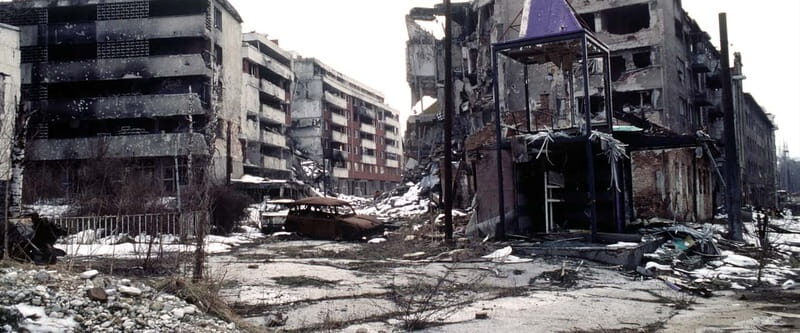
One of the tour’s strongest stops is the Sarajevo Maternity Hospital. Expect a guided experience built around the accounts of medical staff who were saving lives in chaos.
This is not “war sightseeing.” It’s a reminder that siege life wasn’t only about bullets and shelling; it was also about triage, limited supplies, and impossible choices made under pressure. When your guide describes how medical workers tried to keep patients alive amid danger, the siege becomes personal in a different way than at street-level sites.
What I like about this part is how it adds balance. If a tour only shows destruction, you leave with anger and grief. If a tour also shows care—how professionals kept working—your understanding gets more complete. You see that resilience can look like a shift that never ends.
Practical note: this part can involve some walking and standing depending on the group pace, so wear comfortable shoes even if you’re mostly on a bus.
Olympic Stadium and Hall Zetra: from pride to pressure
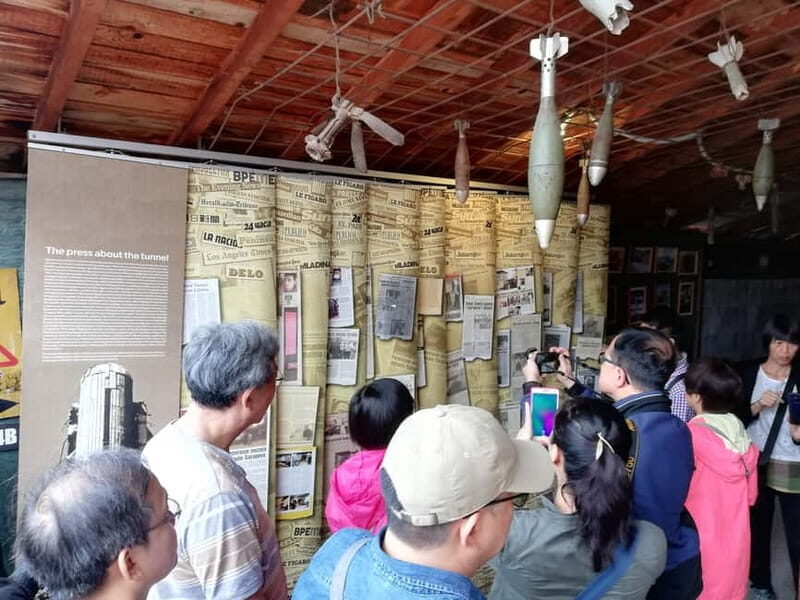
A quick stop at Hase Olympic Stadium helps you zoom out from the siege and back into Sarajevo’s broader identity. The stadium isn’t only a landmark; it’s a symbol. Your guide connects the city’s Olympic-era ambitions and public pride with what came later.
Why I think you’ll appreciate this stop: it prevents the city from becoming a single story. Sarajevo didn’t exist only as a wartime headline. By placing Olympic history near siege locations, the tour shows the contrast that made the fall of Yugoslavia so destabilizing—cultural life didn’t disappear neatly. It got interrupted, then reshaped under strain.
Hall Zetra is mentioned as part of the program’s wartime-and-Olympic arc too. Even if time here feels brief, it’s a useful mental reset before the tour shifts back into the most intense symbol of survival—the tunnel.


Tunnel of Hope Museum: the lifeline underground, with a real-world limit
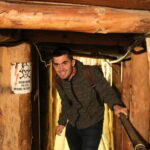
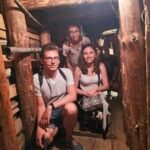
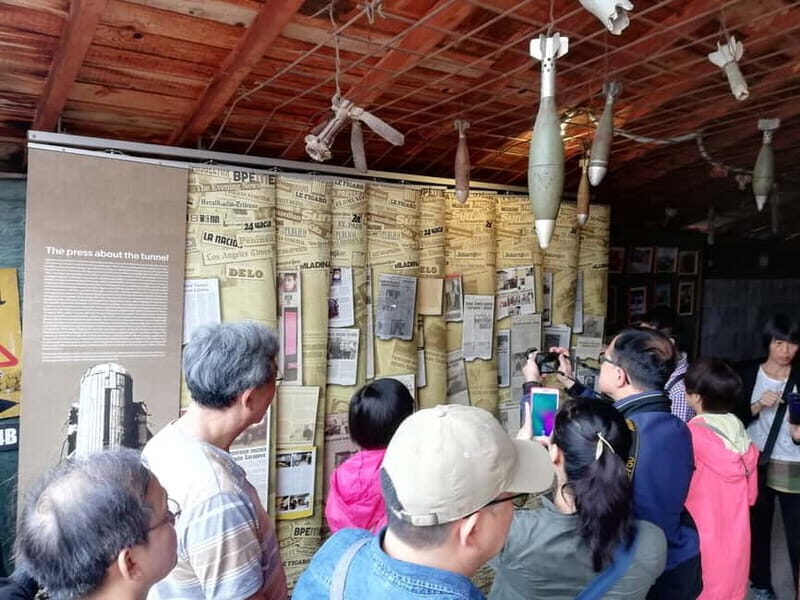
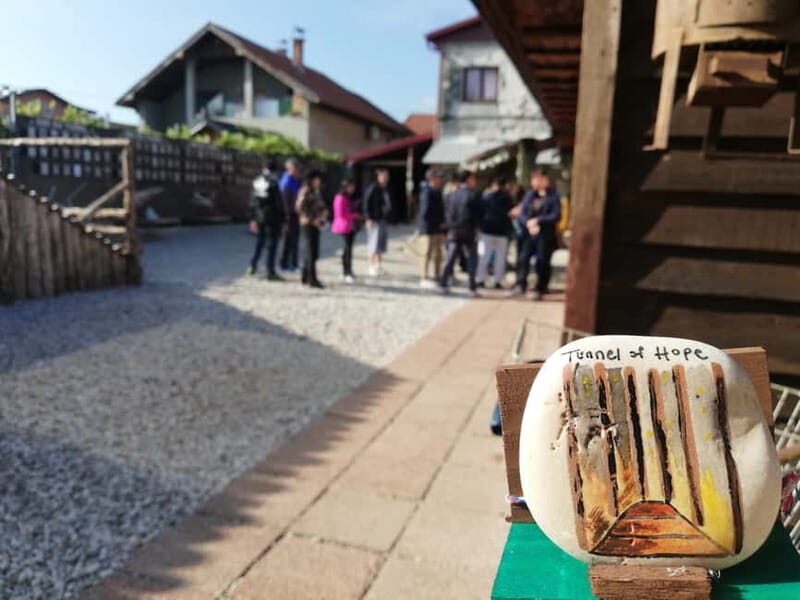
The highlight ends at the Tunnel of Hope Museum. You’ll get a photo stop, a guided tour, and a walk inside the preserved passage area.
This is the moment where words start to fail and your body takes over. Underground space changes sound. It changes how you think about time and air. And it gives your guide’s explanation weight—because the siege isn’t just something that happened “out there.” It’s something Sarajevo built, maintained, and depended on to keep going.
One more practical point: plan for the entrance fee. Adults pay 20 BAM (10.50€) and students pay 8 BAM (4.50€), and it’s not included in the tour price. If you’re budgeting, add it now so you’re not doing math at the counter while your mind is already in the tunnel.
Also, keep your expectations grounded. The museum walk is a short segment, and some parts of the original tunnel system aren’t accessible for the same reasons you’d expect around active infrastructure. In other words: you’ll feel the meaning, but you won’t experience the entire original route.
Still, that short stretch is powerful. In the feedback, people mention walking around 25 meters inside, which is long enough to make the symbol physical without turning the visit into a marathon.
Museums and Grbavica pass-by: how the route expands the story
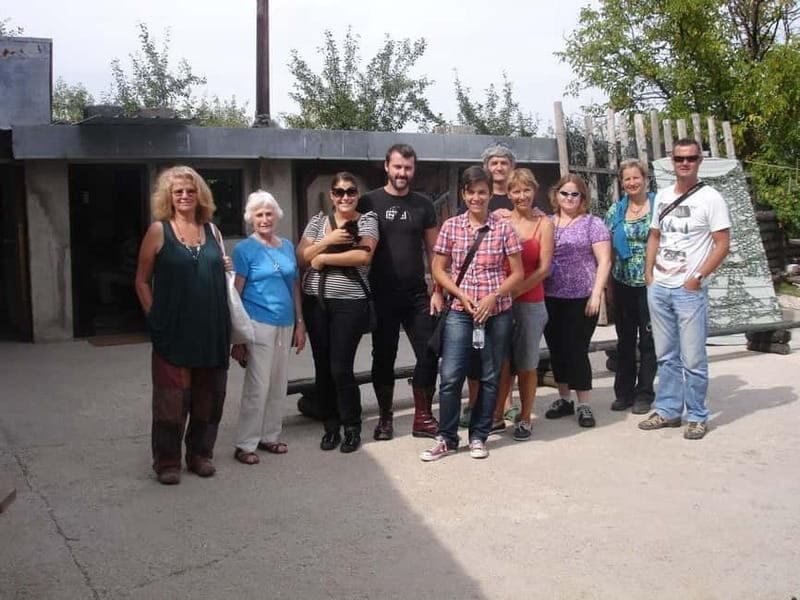
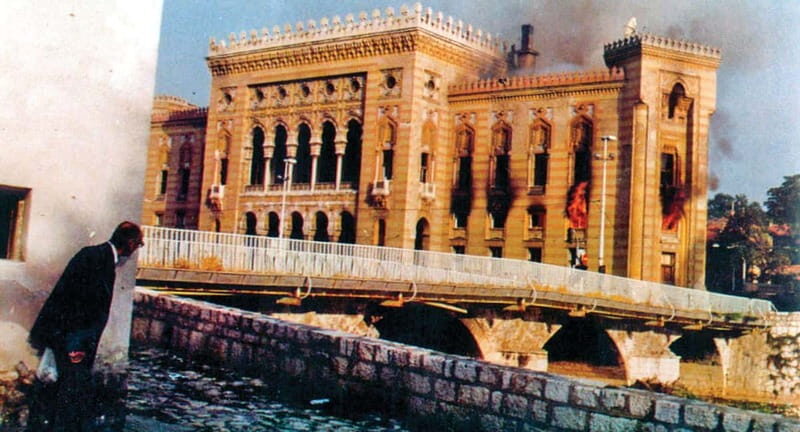
Between the major stops, the tour makes quick pass-bys that widen the context. You may see locations connected to the National Museum of Bosnia and Herzegovina and the History Museum of Bosnia and Herzegovina, plus a drive through areas like Grbavica.
These aren’t long museum visits where you spend hours reading labels. Instead, they act like chapter markers: Sarajevo isn’t only about one siege month or one battlefield. It’s a city layered with memory—some protected, some rebuilt, some still carrying scars.
Grbavica in particular is included as part of the city picture during this program. Even a pass-by can help you understand how neighborhoods fit into the broader narrative your guide is explaining. It’s a reminder that the siege didn’t affect every part of the city equally, but it did affect the whole place.
Price and value: $31 plus the tunnel ticket makes sense
The tour price is $31 per person, lasting about 210 minutes. On paper, that’s straightforward. The value comes from two things you’re paying for that are hard to replicate on your own: a strong licensed guide and the ability to hit multiple wartime sites efficiently.
A key detail: the Tunnel of Hope museum entrance fee is extra (20 BAM adult / 8 BAM student). For adults, that’s roughly 10.50€ on top, so your total in practice is more like a combined package than a one-price bargain.
Is it still good value? Usually, yes, if you care about context. You’re not just paying to walk into a museum. You’re paying to understand why Yellow Fortress matters, how Sniper Alley fits into the siege mechanics, and what the hospital stories meant in real time. Guides who are fluent in English and other languages—English, Croatian, German, Italian, Spanish, and French—also make a big difference in comfort and comprehension.
And the transport is highly rated. The program notes a strong 92% perfect score for transport, which you’ll feel as fewer delays and a smoother ride between stops.
Who this tour fits best (and who should think twice)
This tour suits you if:
- You want one focused, guided route through the siege sites rather than piecing it together with separate tickets.
- You’re okay with emotionally heavy material, especially stories tied to civilians and medical staff.
- You appreciate when a guide uses real human memory to connect events to places.
It may not fit you if:
- You need wheelchair access. The tour is not suitable for wheelchair users.
- You travel with bulky gear. Backpacks aren’t allowed, and pets aren’t allowed either.
- You’re expecting a light sightseeing day. This is a serious story with painful content.
If you’re the type who likes asking questions, this is a good match too. The tour format gives enough time for the guide to answer, and many guides are praised specifically for handling questions carefully rather than rushing you out the door.
Should you book Sarajevo: A Siege Story – Tunnel of Hope?
I’d book it if you want a guided Sarajevo day that actually explains the city’s siege reality, not just points at landmarks. The strongest reason is the combination: viewpoints (Yellow Fortress), street-level fear (Sniper Alley), human survival (Maternity Hospital), and the literal lifeline (Tunnel of Hope).
Do book with one planning mindset: add the Tunnel of Hope entrance fee to your budget, and wear shoes for a short walk underground. If you go in expecting a museum visit plus a city drive, you’ll likely enjoy it. If you go in expecting a gentle history tour, you might feel overwhelmed—because Sarajevo’s story here is meant to be felt as well as understood.
FAQ
How long is the Sarajevo: A Siege Story tour?
It runs for about 210 minutes (around 3.5 hours).
Where does the tour meet?
The meeting point is Insider Agency, 30 Zelenih Beretki Street.
What does the tour cost, and is the Tunnel of Hope fee included?
The tour price is $31 per person. The Tunnel of Hope Museum entrance fee is not included: 20 BAM (10.50€) for adults and 8 BAM (4.50€) for students.
What sites are included on this experience?
You’ll visit or pass by key locations such as the Yellow Fortress, Sarajevo Maternity Hospital, Olympic Stadium and Hall Zetra, Sniper Alley, and the Tunnel of Hope Museum.
What languages are offered?
The live guide is available in English, Croatian, German, Italian, Spanish, and French.
Is the tour suitable for wheelchair users?
No. It’s not suitable for wheelchair users.
What should I bring and wear?
Wear comfortable shoes and comfortable clothes.
Can I cancel for a full refund?
Yes. You can cancel up to 24 hours in advance for a full refund.
You Might Also Enjoy

More Tour Reviews in Sarajevo
- Fall of Yugoslavia, Sarajevo War Tour with Tunnel of Hope Museum and Frontlines
★ 5.0 · 1,314 reviews