REVIEW · MOSTAR
The Death of Yugoslavia: Unique thematic Tour in Mostar
Book on GetYourGuide →Operated by iHouse Travel · Bookable on GetYourGuide
Yugoslavia’s end feels close in Mostar. This 150-minute, English-guided ride strings together four secret locations into a clear story of how Yugoslavia was built, controlled, celebrated, and then broken. You won’t just watch history go by; you’ll see it framed with music changes and visual materials like historical pictures and secret documents.
I loved two things right away: the tour’s chapter-by-chapter storytelling (World War II to Cold War paranoia to the Yugoslav wars) and the way the guide uses music and cultural references to show how people actually lived, not only what leaders decided. The one catch: if you only want light sightseeing, this theme can feel heavy because it covers the causes and consequences of war.
In This Review
- Quick hits you’ll feel on the van
- Where iHouse Travel starts, and how to show up ready
- Why the music-and-documents method works (and who benefits most)
- Price and value: is $41 really worth it?
- Stop 1: Gnojnice and Yugoslav Paranoia in the Cold War years
- Stop 2: Rodoč and Tito’s socialism, from youth work to cars and music
- Stop 3: Španski trg, Sarajevo 1984, and the slow collapse into war
- Stop 4: Bijeli Brijeg 1 and Bosnia today, politics, and the EU question
- Group energy, timing, and the small things that affect your experience
- Tour fit: who should book this in Mostar
- Should you book The Death of Yugoslavia in Mostar?
Quick hits you’ll feel on the van
- Four secret stops that mark four different chapters of Yugoslavia’s story
- Music-led cultural shifts that help you track changing values over time
- Historical pictures + secret documents used to give weight to the politics
- Tito focused on real life, not just speeches and slogans
- Sarajevo 1984 as a turning point, where “golden years” meet the cracks
- A closing look at Bosnia today, including the politics and EU question
Where iHouse Travel starts, and how to show up ready
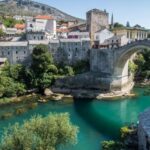
Most of your time is spent moving between four key sites around Mostar’s wider area, and it starts right near the Old Bridge. Your meeting point is in front of iHouse Travel, just a few steps from the bridge—handy if you want to do a quick pre-walk and then get straight into the story.
This tour runs 150 minutes, but you should expect some natural variation. The route includes van transfers and guided time at each stop, and the flow is designed to keep the narrative moving. The biggest “prep” item is simple: comfortable shoes. You’ll be on your feet for guided sections, and Mostar’s streets can be uneven in spots.
This is also clearly aimed at people who like history that connects to people—life under systems, not only dates. If you’re that kind of traveler, you’ll probably enjoy how the guide handles tone: serious when it needs to be, but never dull.
You can also read our reviews of more tours and experiences in Mostar.

Why the music-and-documents method works (and who benefits most)
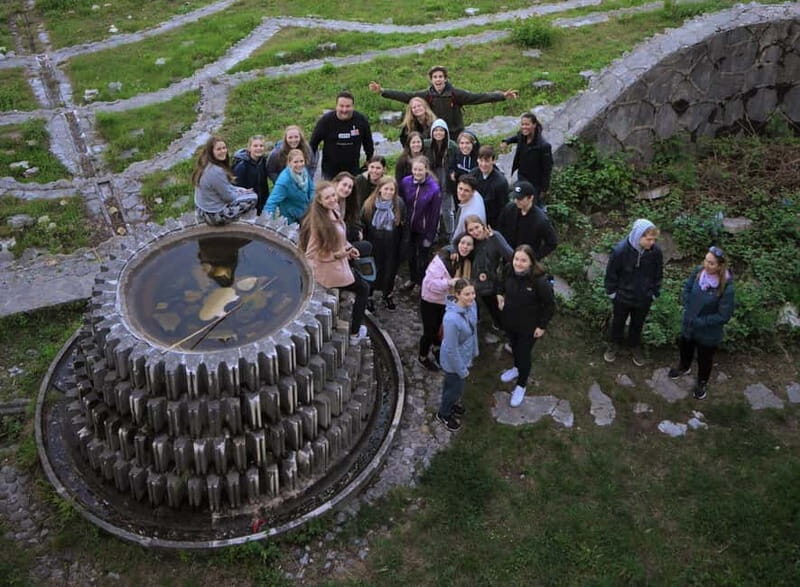
Most history tours use one mode: talk. This one adds a second mode—sound and visuals—so the story lands differently.
You get an experimental approach where the guide uses music to mark cultural and political shifts across the decades. That matters because Yugoslavia wasn’t only a government project; it was a daily rhythm—brands, radio tastes, lifestyle trends, and public mood. When those cues show up in the right chapter, you understand why people felt proud, hopeful, or trapped, depending on the era.
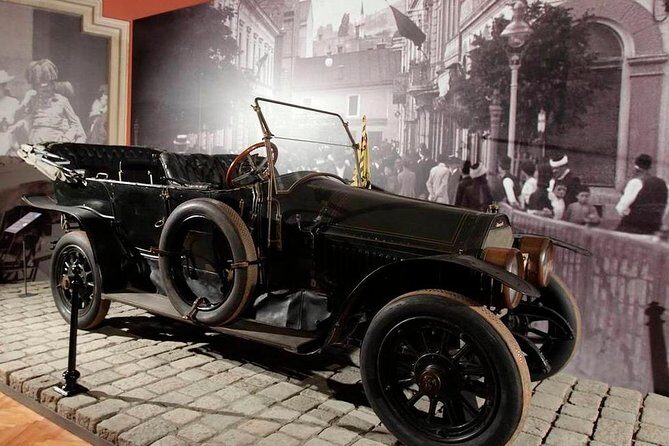
Then there are the historical pictures and secret documents. Even without turning every scene into a classroom, showing real-looking materials helps you feel the Cold War pressure and the state’s relationship to control. It’s the kind of technique that turns abstract politics into something you can picture.
From the guide-style you’ll likely experience, the best match is:
- you like narrative tours with clear “before and after” logic
- you’re curious about Yugoslavia’s unique brand of socialism
- you prefer a local guide telling the story in human terms
English is the live guide language, and people who enjoy strong storytelling tend to rate this highly. Past guides mentioned in feedback—like Simon, Marco, Marko, and Saddat (also written as Saddy)—have been praised for clarity, humor, and an objective approach to local history. You can’t count on the same guide every time, but the style is consistent: the information comes with personality, not lecturing.
Price and value: is $41 really worth it?
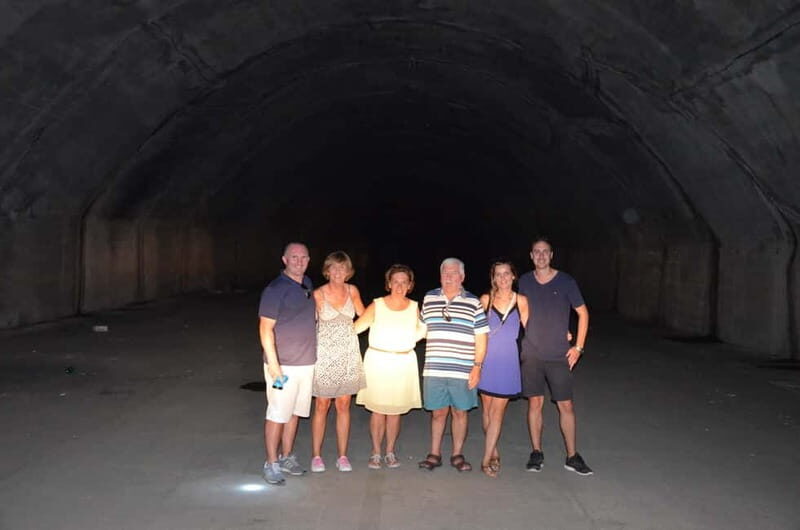
At $41 per person, you’re paying for more than a lecture. The price includes transport in a modern car or van, a local tour guide, and additional equipment provided by the company staff. For Mostar, where you might otherwise spend time trying to arrange getting between multiple sites, the van part is practical value.
This is also a theme tour, not a museum ticket. You’re paying for the structure: four stops that represent four chapters, plus an interpretive method (music and documents) that helps you connect the political story to everyday culture. In a short window like 150 minutes, that kind of guided framing can save you the most time—because you won’t be piecing together the bigger Yugoslavia puzzle yourself from scattered signs.
My honest caution on value: if you’re traveling very fast and only want quick photos, you might feel the time is tight. But if you enjoy walking-and-talking history, $41 feels like a fair way to get a coherent storyline instead of four separate stops with no thread.
Stop 1: Gnojnice and Yugoslav Paranoia in the Cold War years
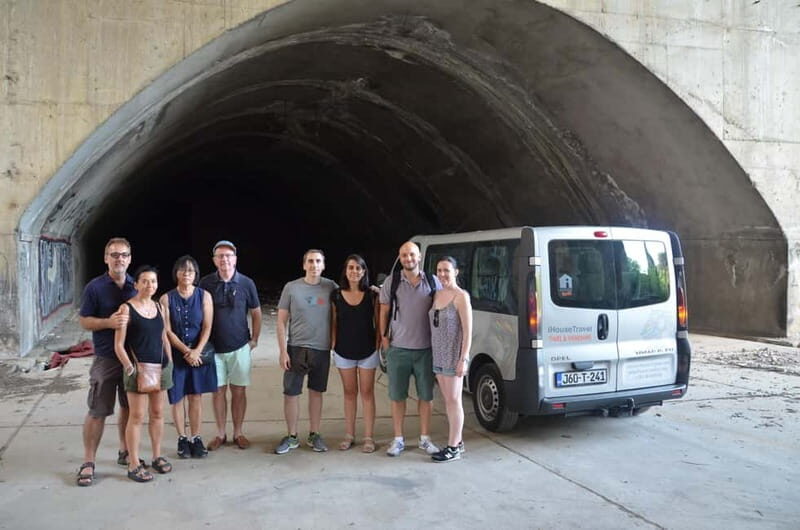
The first chapter focuses on the birth of Socialist Yugoslavia after World War II, and then shifts hard into Cold War tension. The tour begins with a drive, then you reach the first secret location where the theme becomes Yugoslav paranoia—state pressure, security thinking, and the country’s position between major powers.
A key concept here is the period after Yugoslavia split from the Soviet Union. You’ll hear about the Informbiro era and the fear and suspicion that came with it. From there, the story moves toward militarization in the 1950s—how a country that wanted to chart its own path still felt it had to defend itself like everyone else.
Why this stop matters for you: it explains the psychological climate. If you only learn about Yugoslavia as a “middle” or “non-aligned” story, you miss that independence didn’t come without fear. You get a more realistic sense of why Yugoslavia built systems that watched, protected, and controlled.
A practical note: the tone is heavier here than in the later “everyday life” chapter. If you prefer to warm up gradually, just know the tour sets the emotional stakes early.
Stop 2: Rodoč and Tito’s socialism, from youth work to cars and music
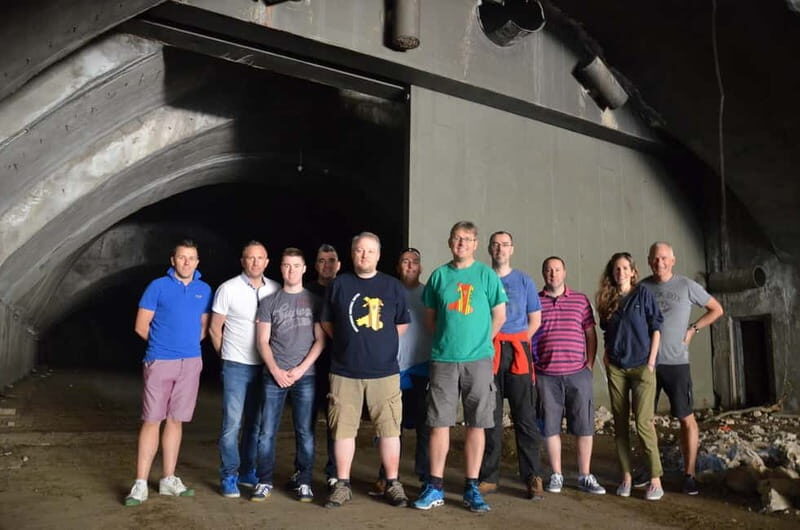
The second destination narrows the focus onto Josip Broz Tito—his personal life and political achievements. Then it expands again to the ordinary people trying to live inside a unique model of socialism.
This is where the tour tries something that works well: it doesn’t treat Tito as a remote myth. It presents him as a central force shaping policy and public life, then brings you back to the human result—how citizens imagined their future.
You’ll hear about:
- the Youth Work Actions and the idea of collective contribution
- industrialization that expanded in the 1950s and 1960s
- popular culture in the 1970s and 1980s, including brands, music, and even the automotive industry
That last point is surprisingly effective. Yugoslavia gets discussed internationally as politics, but here you’ll see how culture and consumption were part of the identity too—how a society can feel modern and hopeful while still being shaped by one-party rule.
If you’re the kind of traveler who likes “how people sounded and dressed,” this is your stop. The guide’s music cues can make these decades feel less like a textbook and more like a lived timeline.
If you want one tip: pay attention when the tour transitions from leadership to lifestyle. That shift is the heart of why Yugoslavia felt distinct—people didn’t experience it only through policies, but through songs, trends, and everyday aspirations.

Stop 3: Španski trg, Sarajevo 1984, and the slow collapse into war
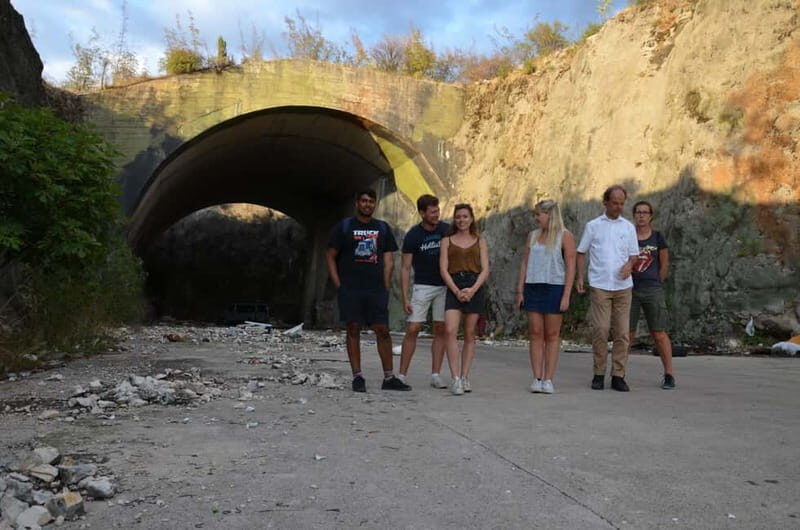
The third chapter zooms in on the 1980s, and it uses Sarajevo’s 1984 Winter Olympics as a landmark. It’s a clever choice because it represents a “golden era” feeling—Yugoslavia projected confidence, hosted the world, and found ways to be proud.
Then the story turns. The guide explains why the fall wasn’t sudden in people’s minds. Economic downturn and rising nationalism hardened divisions over time. The tour covers how conflict began in Slovenia and Croatia before escalating later, including into Bosnia and Herzegovina.
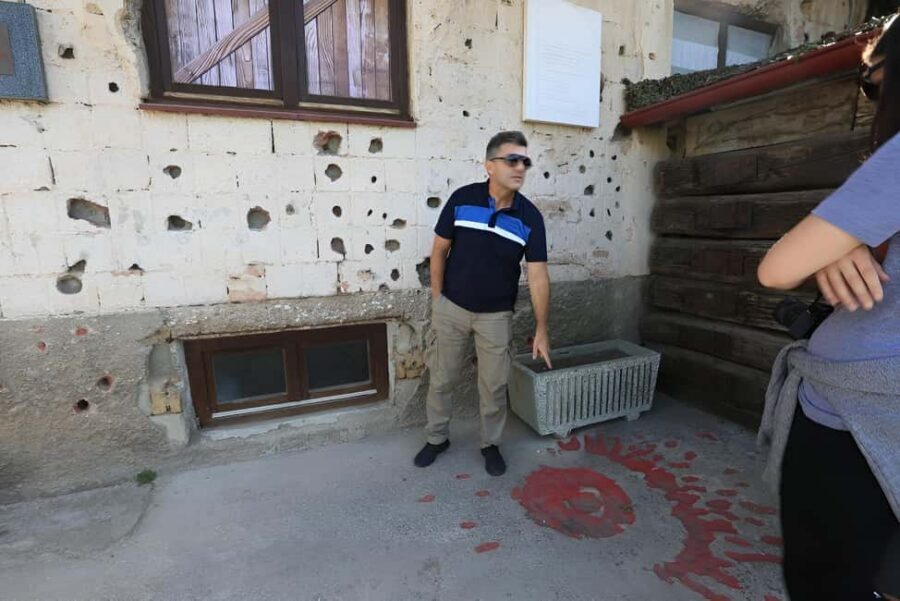
This stop is about causality and consequence. You’ll end with an overview of the Yugoslav dream—what it promised and how it dissolved—and you’ll also learn about the consequences of war, including destruction and loss of life.
This is the chapter where the tour’s theme gets most emotional. It’s not only an outline of events; it’s framed as a story of what broke and what the break cost.
For your planning: if you’re sensitive to war-related topics, mentally budget for it here. The tour does not shy away, but the narrative structure gives you context instead of leaving you with shocks.
Stop 4: Bijeli Brijeg 1 and Bosnia today, politics, and the EU question
The final destination brings the timeline forward to present-day Bosnia and Herzegovina. This is where the tour stops being about Yugoslavia as a finished story and starts being about Bosnia as a living, complicated reality.
You’ll analyze the current political structure and the challenges that showed up at the beginning of the 21st century. The tour also turns to the future angle by discussing Bosnia and Herzegovina’s potential membership in the European Union.
What I like about ending here is that it prevents the “history as museum” feeling. The tour uses the remnants of Yugoslavia’s past as a contrast point—not to romanticize everything, but to show how memory, politics, and rebuilding overlap.
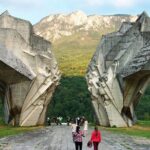
You’ll walk through the last tour site and reflect on that contrast: a place carrying traces of a glorious past while also revealing present-day complexity. It’s a reality check, but it’s also practical—because the conversation moves toward what recovery means economically, culturally, and politically.
Group energy, timing, and the small things that affect your experience
This is a short tour, so pace matters. You’ll have travel time by van between stops, and each location has guided time that’s meant to keep the story moving. The duration is listed at 150 minutes, so expect a focused, packed format rather than a slow wander.
Because you’re in a theme tour, your biggest influence on enjoyment is your attention to the “why.” If you only look for visuals, you might miss the structure. If you stay with the storyline, each stop becomes a puzzle piece.
Here are a few practical ways to make it easier:
- Arrive with curiosity about how one system turns into another.
- Wear comfortable shoes so you can concentrate on what the guide is explaining.
- Keep your questions in mind—especially about Tito’s model and why economic stress can fuel nationalism.
Also, watch the guide’s rhythm. The tour uses music shifts to mark decades, and those cues can help you follow along even when the political timeline gets complex.
Tour fit: who should book this in Mostar
I’d recommend The Death of Yugoslavia tour if:
- you want a single guided thread that covers the rise and fall of Yugoslavia
- you like local storytelling and strong English narration
- you’re interested in Cold War themes, Tito-era life, and the lead-up to the Yugoslav wars
- you prefer historical interpretation that includes everyday culture, not only leaders and borders
I’d think twice if you:
- want only classic “must-see monuments” with no war context
- dislike narrative tours that move quickly between ideas and decades
- prefer quiet sightseeing over a guided, emotionally weighted storyline
Should you book The Death of Yugoslavia in Mostar?
Yes, if you’re okay with a history-driven tour that connects politics to daily life. For $41, you get four guided chapters, van transport, English narration, and materials like historical pictures and secret documents, plus a distinctive music-led method that helps the decades stick.
If you’re in Mostar for a short trip and you want one activity that turns Yugoslavia from an abstract name into a human story, this is a strong pick. Just go in knowing the theme includes the causes and aftermath of conflict—handled with context, but not sugarcoated.