REVIEW · SARAJEVO
Understanding Srebrenica Genocide – Day tour from Sarajevo
Book on Viator →Operated by Adventure in Bosnia | Tour Agency | Tours and Excursions · Bookable on Viator
Srebrenica needs context, not just emotion. This day tour builds a clear timeline through the genocide memorial museum and pairs it with on-site survivor victim stories at Potocari. What I especially like is the chronological presentation and the chance to meet the curator at the Museum of Srebrenica Genocide. A fair heads-up: this is heavy material, so the day can feel emotionally intense even with a good guide.
You start in Sarajevo at 8:00 am, then travel about 2.5 hours each way to reach Srebrenica, with an air-conditioned vehicle and small-group size. You end up with more than names and dates. You also get details that explain how Srebrenica shifted from an industrial hub to what many describe as a ghost city.
In This Review
- Key moments I think you’ll feel
- Key points to know before you go
- Entering Srebrenica with a timeline, not a blur
- The museum stop: from a battery factory to survivor testimony
- What makes the museum visit especially valuable
- From museum rooms to memorial stories at Potocari
- A note on pacing and emotions
- Srebrenica town time: the industrial past lingers
- Why the guide matters: conversation with Kenan and Ayyub
- Logistics from Sarajevo: smooth transport for a long day
- Price and value: is $82.68 a fair trade?
- Who this tour is best for (and who should think twice)
- Tips to make the most of your time
- Should you book this Srebrenica day tour from Sarajevo?
- FAQ
- What time does the tour start in Sarajevo?
- Where does the tour meet, and how does pickup work?
- How long is the Srebrenica Genocide day tour?
- Is lunch included in the tour price?
- What language is the tour offered in?
- How big is the group?
- Can I cancel for a full refund?
Key moments I think you’ll feel
If you’re coming to Bosnia to understand the war beyond headlines, this format works. You don’t just see places; you follow a sequence that makes the events easier to grasp, including survivor accounts tied to specific locations like a former UN-used battery factory site. If you’re short on time or want a guided, respectful route, this tour is built for that.
Key points to know before you go
- Small group (max 8) means more room to ask questions and stay focused
- Museum of Srebrenica Genocide uses multimedia and a curator-led perspective
- Potocari Memorial Centre is your main moment for remembrance and reflection
- Battery factory and former Dutch battalion HQ connect the story to real wartime infrastructure
- Lunch is in Srebrenica town since options near Potocari are limited
- Transport + guide + snacks keep the long day practical, not chaotic
You can also read our reviews of more tours and experiences in Sarajevo.
- Fall of Yugoslavia, Sarajevo War Tour with Tunnel of Hope Museum and Frontlines
★ 5.0 · 1,314 reviews

Entering Srebrenica with a timeline, not a blur
A day trip like this lives and dies by clarity, and that’s the strongest part of the experience. The drive is long enough that you’ll have time to get oriented, and the tour kicks off with the background you need to make sense of the Yugoslav wars. Then the guide keeps things chronological, so the story doesn’t jump around and leave you piecing it together on your own.
Why this matters: when you visit memorial sites without context, you’re left reacting to isolated moments. Here, you’re building an understanding of how events unfold, which helps you connect survivor stories and victim accounts to what was happening at each stage.
You’ll also notice the tour is structured for attention. With up to 8 people, it’s easier for your guide to adjust pace, explain terms, and answer questions without rushing everyone out the door.
The museum stop: from a battery factory to survivor testimony
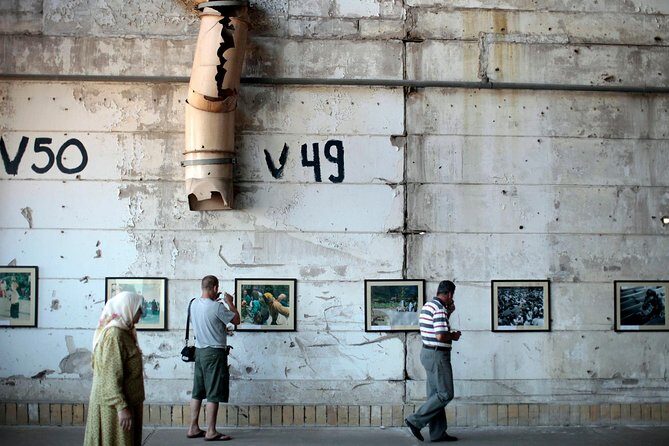
The first major stop is the Srebrenica Genocide Memorial area. It starts right outside the former battery factory, described here as a site used by UN forces during the war in Bosnia. That location detail is more than trivia. It gives you a sense of how international presence and wartime reality intersected in specific buildings and sites.
From there, you move to the Museum of Srebrenica Genocide, located in what’s described as the former headquarters of the Dutch battalion. The museum is presented as one of the most modern in Bosnia and Herzegovina, with multimedia facilities. In practice, that means you’re not only relying on panels or a single narration. You’ll have movies and other media to help you follow events and understand why these massacres became known as the worst in Europe since World War II.
A standout is that you don’t just wander the exhibits. You have a chance to meet the curator, which can change how you experience the museum. When someone behind the museum’s work shares how they interpret the material, you tend to notice more than dates and names. You pick up the care behind what’s shown and what’s chosen.
What makes the museum visit especially valuable
- Multimedia helps translate complexity into something you can track without getting lost
- Survival stories are built into the route, not tacked on at the end
- The guide’s war chronology helps you understand how the pieces connect
One practical consideration: museums like this can be emotionally draining, even when they’re well done. Plan to slow down, take a break if you need one, and let the information land at your own pace.
From museum rooms to memorial stories at Potocari
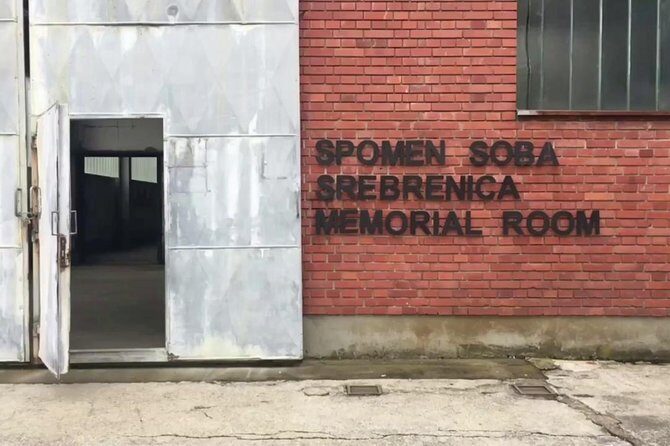
After the museum, the itinerary shifts into remembrance mode with a stop at the Memorial room, where you can hear victim stories as recorded or shared by a local journalist. That local voice matters. It helps make the event feel grounded in the place it happened, rather than filtered only through international summaries.
From there, the tour connects those stories to the resting places of victims identified and found over time. You’ll move on to the Memorial cemetery, where those who were identified are resting. Seeing the cemetery after the stories gives the visit a different weight. The narrative becomes not just history, but responsibility—something the site asks you to carry respectfully.
Then you reach the Potocari Memorial Centre, which is the heart of many visitors’ reflective time. You’ll have space to pay respects, and the tour’s overall pacing helps you avoid feeling like you’re being rushed through grief.


A note on pacing and emotions
This is one of those tours where your feelings may arrive in waves. The route is logical, but it doesn’t soften the reality. If you’re the type who needs to process step-by-step, you may appreciate the order of stops: museum context first, survivor/victim testimony next, then remembrance at Potocari.
Srebrenica town time: the industrial past lingers
After Potocari, you continue to the city of Srebrenica. This is not just a photo break. The tour frames the town as once an industrial leader in the area—and now a place many describe as a ghost city.
That shift is part of what makes this visit stick. You’re leaving memorial buildings, but you’re still in the aftermath. Even if you don’t see dramatic ruins at every turn, the contrast between industrial life and what came after helps the story feel complete.
Lunch happens here too. The tour notes that there are not many restaurants near Potocari Memorial Centre, so the plan is to eat in Srebrenica town. That’s practical planning for you. It avoids the “fast snack and go” vibe and gives you a real meal as you head back from a long day.
If you have dietary needs, it’s worth keeping expectations realistic. The tour data only states lunch is not included, so you’ll be relying on what’s available at the time and where your guide can point you.
Why the guide matters: conversation with Kenan and Ayyub
Small groups usually mean better attention, but in this case you also get strong human delivery. The reviews tie the experience to guides who connect the drive to the sites. For example, Ayyub is highlighted as super knowledgeable and passionate, which makes sense for a tour where the drive time is used to set context and keep the chronology clear.
Kenan also comes up repeatedly. One review praises him for being professional and for adding value to the museum experience. Another mentions how he mixed history with conversation during the drive, and even helped someone sort onward transportation to a next destination. That kind of follow-through is not just “nice.” It reduces stress on a day that’s already emotionally intense.
One practical lesson for you: choose a moment before the museum stops to ask any questions you’ve been holding back. A good guide will be able to answer in a way that matches what you’ve just seen, which makes the whole day feel less abstract.
Logistics from Sarajevo: smooth transport for a long day
This tour runs 8 to 10 hours (approx.) and starts at 8:00 am in Sarajevo. Pickup is offered from any hotel in Sarajevo, and hotel pick-up is specifically noted for guests staying outside the Old Town. At the end, you’re dropped back.
You’ll ride in an air-conditioned vehicle with WiFi on board and bottled water plus snacks. That matters more than you might think. You’ll be sitting for a long stretch, and you’ll likely burn more energy than usual because memorial days require mental focus.
The meeting point is Kovači 25, Sarajevo 71000. If you’re staying nearby, it can be easy to arrive early and settle in. If you’re farther out, the pickup service can help you avoid trying to coordinate rides with limited time.
Price and value: is $82.68 a fair trade?
At $82.68 per person, this isn’t a bargain-basement day trip. But the value comes from what’s included: guided transport, an air-conditioned vehicle, WiFi, bottled water and snacks, and hotel pick-up and drop-off (where applicable). For an 8–10 hour day that includes multiple major sites tied directly to the genocide memorial and museum experience, that cost starts to make sense.
Also, the tour includes key “experience components,” like the museum visit with multimedia and time at Potocari. The tour description also notes admission ticket free in the schedule section tied to the memorial block, which can be a real advantage for budget planning.
What’s not included is lunch. That’s your one extra cost to plan for, and it’s not trivial after a long day. Still, it’s a good trade if the alternative would be rushing through an included meal that doesn’t match your dietary needs.
If you want maximum value from your day in Bosnia, this kind of guided structure usually beats piecing it together alone—especially because the schedule is built around understanding what you’re seeing, not just getting to photo spots.
Who this tour is best for (and who should think twice)
This tour suits you if you want a guided, respectful route with clear context and a small-group feel. It also helps if you prefer not to manage the timeline yourself, since the chronology is part of the tour design.
It may not suit you as well if you know you struggle with intense historical trauma content. Even with respectful presentation and thoughtful pacing, this is a day about genocide, survivors, victims, and remembrance. If you’re looking for a light overview, you may want a different type of visit.
Tips to make the most of your time
A few practical moves can improve your day without changing the tone of the visit:
- Bring a jacket or layer you can tolerate. Memorial visits often involve standing and waiting between indoor and outdoor areas.
- Wear comfortable shoes. You’ll likely move between museum areas, memorial spaces, and cemetery grounds.
- Keep your phone on hand for basics, but don’t treat the day as a content shoot. Save your energy for listening and absorbing.
- If you feel overwhelmed, it’s okay to slow down. Take short pauses when you need them.
The tour is designed to give you a strong narrative arc. Your job is to let it work on you.
Should you book this Srebrenica day tour from Sarajevo?
Book it if you want the Srebrenica story presented with chronology, on-site remembrance, and a small-group guide who can connect the museum materials to the bigger picture. The combination of the museum setting in former wartime infrastructure, the curator meeting, and the Potocari memorial time is exactly the kind of thoughtful structure that makes a difficult visit more meaningful.
Skip it or consider a different format if you’re looking for a relaxed day or you know you’re not ready for genocide-focused content. This is not a sightseeing loop. It’s a serious visit, paced for understanding and respect.
FAQ
What time does the tour start in Sarajevo?
The tour starts at 8:00 am.
Where does the tour meet, and how does pickup work?
The meeting point is Kovači 25, Sarajevo 71000. Pickup is offered from any hotel in Sarajevo, and hotel pick-up service is noted for guests staying out of the Old Town.
How long is the Srebrenica Genocide day tour?
It runs about 8 to 10 hours.
Is lunch included in the tour price?
No, lunch is not included. Lunch is planned in Srebrenica town during the day.
What language is the tour offered in?
The tour is offered in English and includes a mobile ticket.
How big is the group?
The tour has a maximum of 8 travelers.
Can I cancel for a full refund?
Yes. There is free cancellation, and you can cancel up to 24 hours in advance for a full refund.
You Might Also Enjoy
More Tours in Sarajevo
- Fall of Yugoslavia, Sarajevo War Tour with Tunnel of Hope Museum and Frontlines
★ 5.0 · 1,314 reviews

More Tour Reviews in Sarajevo
- Fall of Yugoslavia, Sarajevo War Tour with Tunnel of Hope Museum and Frontlines
★ 5.0 · 1,314 reviews