REVIEW · SARAJEVO
Sarajevo to Srebrenica: Genocide Study Tour with War Veteran
Book on Viator →Operated by Dream Balkans Travel · Bookable on Viator
Srebrenica is not a casual day trip. This Sarajevo to Srebrenica Genocide Study Tour is built for sober learning: you travel with an English-speaking guide, spend time at the key memorial sites, and hear the human story behind the history. Small-group touring keeps it personal, and the curator- and guide-led context helps you connect the dots of Yugoslavia’s collapse without feeling rushed.
I especially like two things. First, the trip is paced for understanding, not just photos, with guides such as Adis, Ömer, Adnan, Ibrahim, Danijela, Edin, and Yasimov showing up in the role of teacher, answerer, and sometimes storyteller from lived experience. Second, you get real comfort for a long day: air-conditioned transport, hotel pickup/drop-off when needed, and a complimentary bottle of water right from the start.
The main drawback is also the obvious one: this is mentally heavy material. If you’re sensitive to trauma, or you show up with no background at all, you may feel overwhelmed by how much you’re asked to process in a few hours.
In This Review
- Key points to know before you go
- What $82.84 Really Means on This Sarajevo to Srebrenica Day
- Start Point in Sarajevo: Where the Day Comes Together
- The Drive East: Comfort Plus Context Before You Arrive
- The Battery Factory Museum: Where You Begin to Understand
- The Memorial Room and Victim Stories: How the Narrative Gets Personal
- Potocari Memorial Centre and the Cemetery’s Living Memory
- Lunch in Srebrenica: Timing in a Place With Limited Options
- Touring the City: Seeing the Aftermath Without Romanticizing It
- Small Group Size: Why It Helps on a Sensitive Day
- Who This Tour Fits Best (and Who Should Reconsider)
- Should You Book This Sarajevo to Srebrenica Tour?
- FAQ
- How long is the Sarajevo to Srebrenica study tour?
- What time does the tour start?
- Where does the tour start and end?
- Is hotel pickup and drop-off included?
- Is the tour offered in English?
- What’s included for food during the day?
- How many people are in the group?
- What key sites does the tour visit?
- Do I need to bring anything for the booking?
- Is free cancellation available?
Key points to know before you go
- English-speaking, guide-led learning focused on why the events unfolded the way they did
- Air-conditioned vehicle plus pickup and drop-off for a smoother long day
- Museum of Srebrenica Genocide in a former Dutch battalion context with multimedia exhibits
- Memorial room and cemetery with individual victim stories and a count that keeps growing
- Traditional Bosnian sandwich lunch (vegetarian option on request) in Srebrenica-area timing
- Max 12 travelers, keeping time for questions and a calmer pace
What $82.84 Really Means on This Sarajevo to Srebrenica Day
At $82.84 per person for roughly 10 hours, this isn’t a “quick look” outing. You’re paying for a full day of transportation plus a guide/driver, and you’re also getting admission noted as free for the stops on the schedule. For many travelers, that’s the difference between piecing the day together yourself and having someone handle the order of sights and the meaning behind them.
Value here also comes from the vehicle time. Srebrenica is about two and a half hours from Sarajevo, and the ride goes through Eastern Bosnia’s mountainous areas. The day structure uses that travel time for explanation, so you aren’t just watching scenery while the bigger story stays blank.
One more money-saving point: you get bottled water and a traditional Bosnian sandwich at the start of the day. Even with the emotional weight, you won’t be stuck hungry or scrambling for a lunch plan when you reach a place where restaurant options are limited.
You can also read our reviews of more tours and experiences in Sarajevo.
- Fall of Yugoslavia, Sarajevo War Tour with Tunnel of Hope Museum and Frontlines
★ 5.0 · 1,314 reviews

Start Point in Sarajevo: Where the Day Comes Together
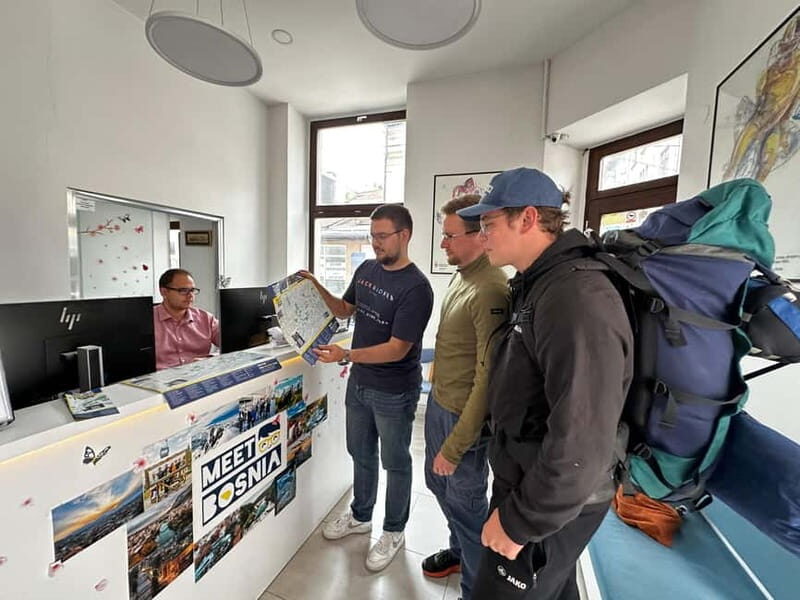
The tour begins at Velika avlija Laure Papo Bahorete 2, Sarajevo, and the usual departure time is 8:00 a.m. In practice, the start is often in front of the Info Bosnia Tourist Information Center on the main pedestrian street Ferhadija, right next to the Sarajevo Meeting of Cultures. If you’re staying elsewhere in the city, they can arrange the meeting location—just be clear when you book.
Hotel pickup is available, especially if you’re outside Sarajevo’s Old Town. If your accommodation is a private home, the operator asks for a Google Maps location, which is a small but real benefit: fewer confusion points, less time wasted.
You also get an immediate “you’re set” moment. Before the road stretches ahead, the group gets an introduction and complimentary bottled water and a traditional Bosnian sausage sandwich. Vegetarian food is available on request, so you’re not stuck adapting once the car is rolling.
The Drive East: Comfort Plus Context Before You Arrive
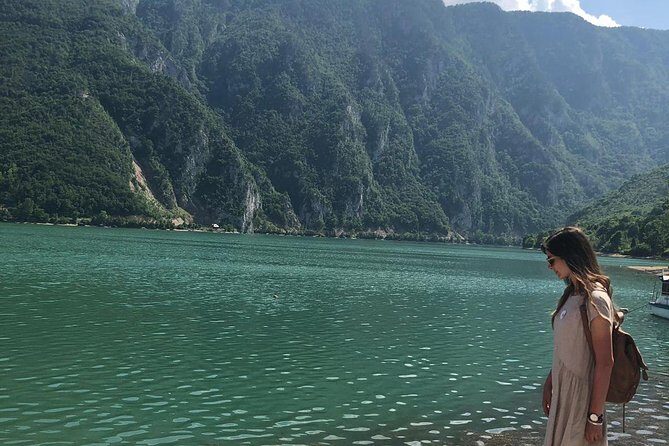
This tour uses the drive to prepare you. As you head toward Srebrenica, you pass through desolate mountainous areas where nature still looks beautiful, even though the day’s purpose is anything but light. The guide’s presentation during the trip is there for a reason: it frames the “Fall of Yugoslavia,” which matters because Srebrenica didn’t happen in a vacuum.
I like tours that respect your brain. Here, the explanation is planned so you can follow the logic step by step, instead of arriving at memorial sites already lost. That’s also why the group size matters. With a maximum of 12 travelers, questions aren’t treated like interruptions; they’re part of the teaching.
One practical note: you’re on the road for a good chunk of the day. The air-conditioned vehicle helps, especially since you’ll be spending time standing, reading, and walking around memorial spaces once you arrive.
The Battery Factory Museum: Where You Begin to Understand
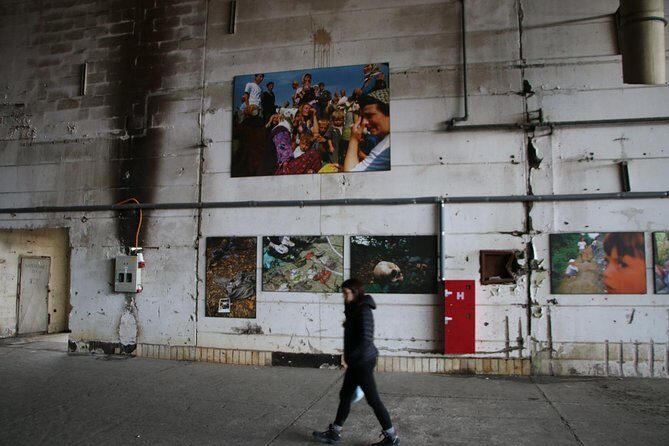
Your first major stop is tied to a place with a past that overlaps with the war era itself: a battery factory used by UN forces during the 1990s conflict. On the grounds of that context sits the Museum of Srebrenica Genocide, described as one of the more modern museums in Bosnia and Herzegovina.
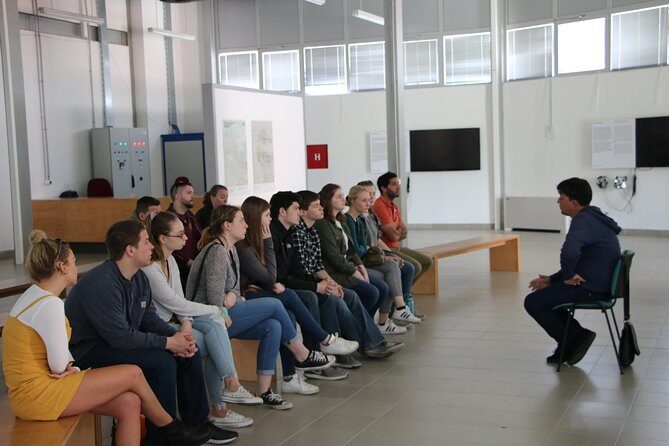
A standout part of this stop is the human contact. The tour includes time where you meet the curator, which changes the feeling of a museum visit. Instead of only reading and watching, you get guided interpretation—what to notice, how pieces connect, and what the exhibits are trying to say beyond the headlines.
The museum also uses multimedia. There are selection movies and presentation tools meant to help you understand the events leading to the worst atrocity in Europe since World War II. I appreciate this approach because it supports different learning styles. If you’re the type who needs chronology, it helps. If you’re more emotional and need names and stories, it helps too.
The Memorial Room and Victim Stories: How the Narrative Gets Personal
After the main museum, you move to the memorial room, where the focus turns from broad events to individual accounts. You can hear stories of victims that were made by a local journalist. That detail matters: it helps you feel the day isn’t only about political structure and dates, but also about people speaking through records.
This stop also includes a section dedicated to those responsible for the massacre. That can feel intense, but it’s part of the tour’s approach: the guided story doesn’t let perpetrators vanish into fog. It’s a difficult choice, but it’s also a realistic one for a place built around remembrance and accountability.
Time here can be as important as the content. You’re not just walking through; you’re given enough time to take in the room’s meaning and let the information land. That pacing is exactly what you want in spaces like this.


Potocari Memorial Centre and the Cemetery’s Living Memory
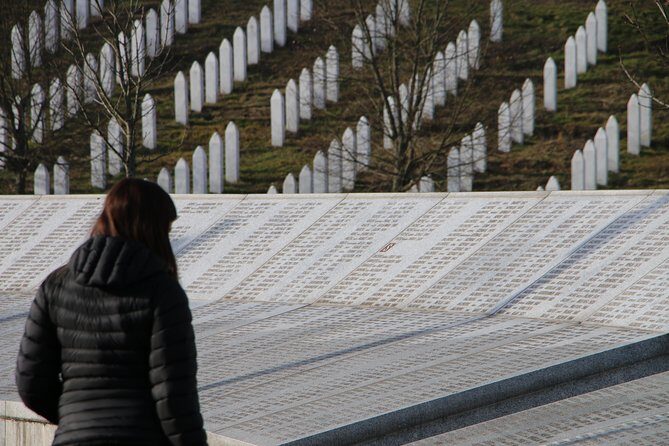
From the memorial room, the tour continues to Potocari Memorial Centre. This is where the day becomes even more anchored in what you might call physical remembrance: names, markers, and the visible structure of mourning.
Then comes the cemetery, where victims found and identified are resting. The count given on the tour is 6,575 victims, and the number is stated to rise every year. That line stays with you because it underlines a grim reality: even after the war ended, work continued, and remembrance keeps adapting as identifications are made.
If you’re the type who hates being told to feel something, this part still works because the setting does the work for you. It’s not a performance. It’s a place designed for reflection, and the guide’s job is to keep it understandable without turning it into a lecture that ignores the room’s silence.
Lunch in Srebrenica: Timing in a Place With Limited Options
Srebrenica itself is described as an industrially important settlement that is now largely a ghost city. After memorial time, the day shifts to practical reality: there aren’t a lot of restaurant choices nearby, so food is built into the schedule.
You get a traditional Bosnian sausage sandwich included in the day plan for lunch, with a vegetarian option available on request. That simple meal matters more than it sounds. When your day includes heavy information, you need something steady in your body so you can keep absorbing what you’re learning.
In some experiences on this route, there’s also time set aside for a lunch moment with local people who returned after the war. One highlight that comes up repeatedly is meeting a family who returned to Srebrenica and hearing their story. Even when the details differ by day, the emotional center stays the same: this is where history meets living memory.
Touring the City: Seeing the Aftermath Without Romanticizing It
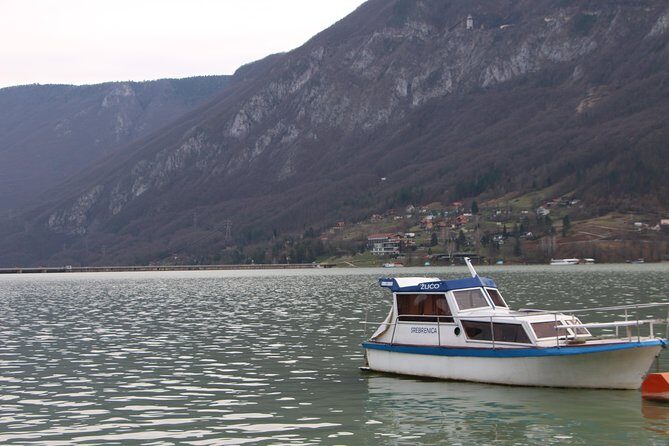
Once memorial stops are behind you, you drive into Srebrenica. The city’s current feel is part of the lesson. The idea isn’t to treat ruins as scenery, but to understand what happens when a community is broken and then left to rebuild slowly, if at all.
Your guide will likely connect what you see to the earlier context you got while driving. That’s the value of doing the day in this order. By the time you reach the streets of Srebrenica, you’re not only thinking about what happened. You’re also thinking about what it leaves behind, and how that changes daily life for years.
Small Group Size: Why It Helps on a Sensitive Day
A maximum of 12 travelers keeps the tour from becoming a noisy bus ride. On topics like genocide and mass atrocity, you need space for questions, clarification, and sometimes a pause. The tour’s structure supports that.
The guides featured in the feedback often point to another benefit: they answer questions and help people make sense of political and historical context. Names that came through in the guidance include Adis, Adnan, Ömer, Ibrahim, Edin, Danijela, and Yasimov. That variety also tells you something important: the operator seems to staff experienced English-speaking instructors, not only someone reading a script.
In a place like this, that responsiveness makes a real difference. If you’re trying to understand Yugoslavia’s collapse and the mechanisms of conflict, you want to ask the questions that occur to you in the moment.
Who This Tour Fits Best (and Who Should Reconsider)
This tour is best for you if you:
- want a guided, structured explanation of how Yugoslavia’s fall connects to Srebrenica
- like learning through personal stories and curated exhibits rather than only scrolling facts
- prefer small-group travel for a more respectful pace
- can handle a mentally hard day and don’t need the day to stay light
You might want a different option if you’re looking for a relaxed sightseeing day. This is remembrance-focused. Even with comfortable transport, the subject matter is heavy, and you should plan your evening afterward with care.
If you can, do a bit of basic reading before you go. The tour itself gives context, but the content is dense, and preparation helps you follow the details without getting lost emotionally or historically.
Should You Book This Sarajevo to Srebrenica Tour?
If your goal is to learn—not just to check a box—then this is a solid choice. The price is relatively low for a full day that includes air-conditioned transport, pickup/drop-off support, bottled water, admission-free memorial stops, and guided interpretation at multiple key locations.
I’d book it if you want:
- English-guided clarity on a complex historical topic
- time in museums and memorial rooms designed for understanding
- a small-group experience with room for questions
Skip it only if you know you’ll struggle with emotionally intense content or if you want a casual day with minimal reading and reflection. For the right mindset, this tour does what it sets out to do: it helps you connect the history to the human reality of what happened, and it does it with strong guidance and thoughtful pacing.
FAQ
How long is the Sarajevo to Srebrenica study tour?
It runs for about 10 hours.
What time does the tour start?
The start time is 8:00 a.m.
Where does the tour start and end?
It starts at Velika avlija Laure Papo Bahorete 2, Sarajevo, and ends back at the same meeting point.
Is hotel pickup and drop-off included?
Hotel pickup and drop-off are provided, with pickup also offered from other Sarajevo locations. If you’re staying outside the Old Town of Sarajevo, pickup is specifically noted.
Is the tour offered in English?
Yes, it is offered in English.
What’s included for food during the day?
You receive a traditional Bosnian sandwich (vegetarian option available on request) and bottled water. Admission tickets for the scheduled stops are noted as free.
How many people are in the group?
The tour has a maximum of 12 travelers.
What key sites does the tour visit?
You visit the Srebrenica Genocide Memorial area, including the Museum of Srebrenica Genocide and the memorial room, then the Potocari Memorial Centre, and you also go into the city of Srebrenica.
Do I need to bring anything for the booking?
You’ll receive confirmation at the time of booking, and the tour uses a mobile ticket.
Is free cancellation available?
Yes. You can cancel up to 24 hours in advance for a full refund.
You Might Also Enjoy
More Tours in Sarajevo
- Fall of Yugoslavia, Sarajevo War Tour with Tunnel of Hope Museum and Frontlines
★ 5.0 · 1,314 reviews
More Tour Reviews in Sarajevo
- Fall of Yugoslavia, Sarajevo War Tour with Tunnel of Hope Museum and Frontlines
★ 5.0 · 1,314 reviews