REVIEW · SARAJEVO
Sarajevo Rakija Tasting Tour & Local Bites 🥃
Book on GetYourGuide →Operated by .Cheyf Reisen · Bookable on GetYourGuide
Rakija time is the quickest way to get Sarajevo’s rhythm. In a small group, you walk from Sebilj into Baščaršija, then settle into two locals’ “kafanas” to learn how rakija is supposed to be drunk and why people take it so seriously. I love the way the evening mixes culture with taste, and I especially like that you sample different fruit brandies instead of just one strong pour.
The other big win is the food pairing: you get local mezze meant to bring out what each rakija is doing, not just a random snack plate. One consideration: this is an alcohol-focused experience (and it’s not kid-friendly), so go easy on your dinner plans beforehand and pace yourself.
In This Review
- Key points to know before you go
- From Sebilj to Baščaršija: the evening’s simple plan
- Five fruit rakijas in Sarajevo: learning by taste, not lectures
- How to drink rakija properly: small tastes, big meaning
- Kafanas in Baščaršija: the ćejf factor you can feel
- Mezze pairing: why the snacks matter as much as the drink
- Price and value: is $70 worth it?
- What the tour feels like in real life (pace, talk, and choices)
- Who should book this rakija tasting tour?
- Practical tips to make the most of the night
- Should you book? A simple decision guide
- FAQ
- FAQ
- Where is the meeting point?
- How long is the tour?
- How much does it cost?
- Is the tour a private experience?
- What’s included in the price?
- Do you get to taste different rakijas or just one?
- Is food included, or do I need to buy extra?
- What languages are available for the guide?
- Is the tour suitable for children?
- What is the cancellation policy?
Key points to know before you go
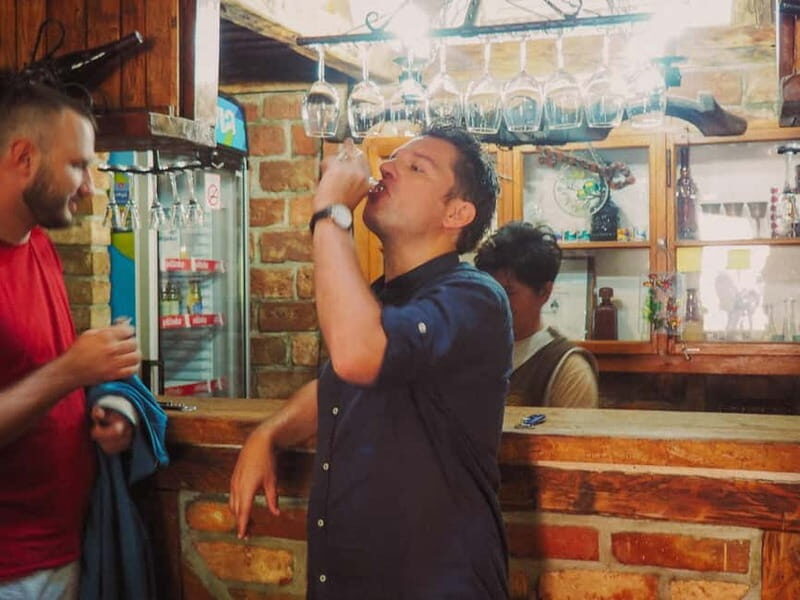
- Small group of up to 6 keeps it personal and lets you ask questions as you taste
- Two traditional kafanas give you that real Sarajevo hangout vibe, not a showroom
- Five fruit rakijas (and sometimes a sixth) means you compare styles, not just flavors
- Proper drinking lessons help you sip correctly instead of treating it like a quick shot
- Mezze pairing at each stop makes the tastings feel intentional, not random
- Walk through Baščaršija connects the drinks to the city around them
From Sebilj to Baščaršija: the evening’s simple plan
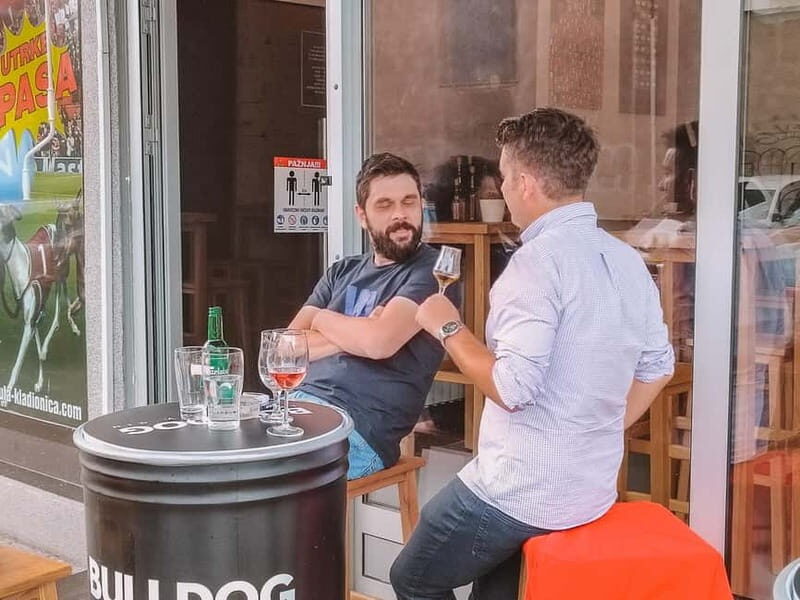
The tour starts near the Sebilj area, and you meet by the clock opposite the train station. You’ll spend the first part of the evening getting your bearings in Sarajevo’s old core, with a guided walk through Baščaršija. It’s a smart opener because rakija isn’t just something you drink; it’s part of how people socialize in the neighborhood.
You’re also going to appreciate the group size. Limited to 6 participants, the guide can keep an eye on pacing and explain things without rushing. And because the guide works in several languages (German, English, Serbian, Bosnian, Croatian), you’re not stuck “guessing” what’s going on at each tasting.
The total time is about 3 hours, which means the experience is long enough to feel like a night out, but short enough that you won’t feel cooked by the end.
You can also read our reviews of more food & drink experiences in Sarajevo

Five fruit rakijas in Sarajevo: learning by taste, not lectures
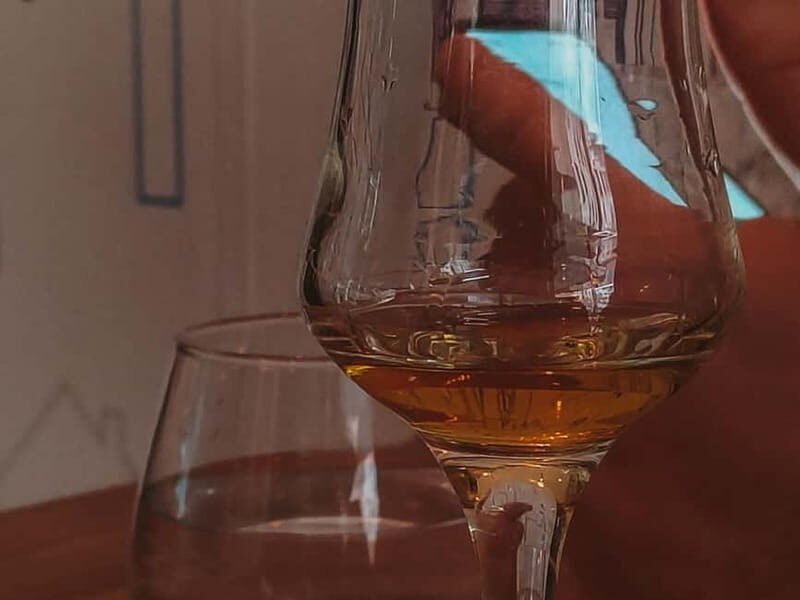
Rakija in this region is all about fruit character. On this tour, you’ll sample a selection of five local rakijas, each made from different fruits and served so you can tell the differences. The flavors you’ll likely encounter include favorites like šljivovica (plum) and višnjevača (cherry). The point isn’t just to name them; it’s to notice how sweetness, intensity, and aroma shift from one to the next.
In at least one case, the tasting included 6 different rakija flavors, so don’t be surprised if your group gets a slightly bigger sampling spread than the basic five. Either way, you’ll leave with a clearer sense of what you enjoy, whether you’re drawn to the heavier, bolder styles or the gentler, sweeter ones.
Also, the rakija here is described as home-made and crafted by local artisans from different fruits. You get the sense that you’re tasting a local “catalog” of the region’s preferences, not imported shortcuts.
How to drink rakija properly: small tastes, big meaning
This tour makes one thing crystal clear: the right way to drink rakija is not to treat it like a jump-scare shot. You’ll get instructions on the proper ritual—how people take small sips, how they time them, and how they let the flavors unfold. The tour frames this as learning to drink it correctly, with the message that rakija is meant to be enjoyed, not rushed.
That’s more than a cute rule. If you sip slowly and pay attention, you’ll actually taste the fruit instead of just feeling the alcohol. And because you’re doing multiple tastings across the evening, a careful approach helps each one make sense. Otherwise, the first intense pour can blur everything that follows.
You’ll also have still and sparkling water on hand. Use it. Not only does it help you stay comfortable, it keeps your palate clearer between different styles.
Kafanas in Baščaršija: the ćejf factor you can feel
A big part of why this works is where it happens. You’re not just tasting in one formal setting. You visit two traditional kafanas that locals have loved for decades. These places matter because they’re social spaces, not alcohol factories.
The tour includes chances to connect with the people around you—plus you may catch traditional music depending on the evening. The guide also sets context, describing the longer story behind the region, from Ottoman influence to modern-day life, then bringing it back to what you’re doing right now: drinking, talking, and sharing small moments.
This is where the Bosnian idea of ćejf lands. It’s not about partying hard. It’s about enjoying the good stuff in modest amounts: conversation, comfort, and the slow pleasure of a good drink with good company.
One practical drawback to consider: since this is centered on local bars and kafanas, the atmosphere can be lively and focused on adults. If you prefer quiet, early dinners, you might find the pacing more social than serene.
Mezze pairing: why the snacks matter as much as the drink
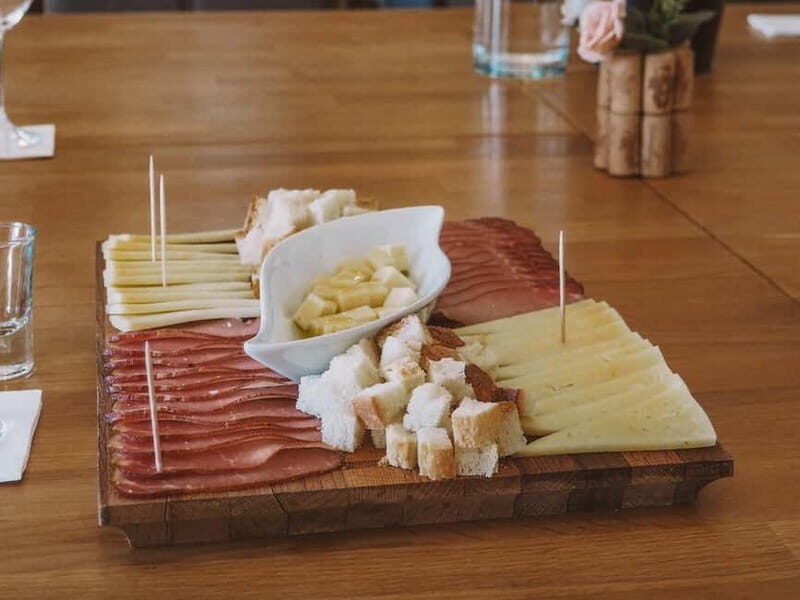
Rakija doesn’t taste the same way with every pairing, which is why the mezze is included and treated as part of the tasting. At each stop, you get complimentary local snack plates that are meant to enhance the flavors you’re tasting.
Even if you don’t consider yourself a “food pairing” person, the logic is simple: salty, savory bites can sharpen fruit notes, and certain textures can clean your mouth between styles. That means you can compare, for example, a plum-forward pour against a cherry-led one without your palate feeling overwhelmed.
This also keeps the evening from turning into a strict alcohol-only crawl. You’ll have something to chew while you listen to the guide explain what you’re tasting, and you’ll get enough food to stay comfortable through the full 3 hours.
And since extra food or drinks are not included, the included mezze is the dependable baseline. If you like a certain rakija and want more, you’ll need to decide on the spot.




Price and value: is $70 worth it?
At $70 per person for a roughly 3-hour small-group outing, you’re paying for four things at once:
- Guided context (including how to drink rakija properly)
- Multiple tastings (five different rakijas, sometimes six)
- Mezze at each place
- Visits to two locals’ kafanas rather than a single stop
If you try to recreate this on your own, you’d likely spend time figuring out where to go, which brands to try, and what to eat alongside it. The real value here is the sequencing: you taste across styles, in settings where locals actually hang out, and you get the ritual guidance so the flavors register.
Also, the small group size reduces the “factory tour” feeling. You get more real interaction, which is hard to get if you’re just walking into places on your own.
So yes, it’s not a budget snack. But if you like local culture delivered through food and drink, the price feels fair for what’s included.
What the tour feels like in real life (pace, talk, and choices)
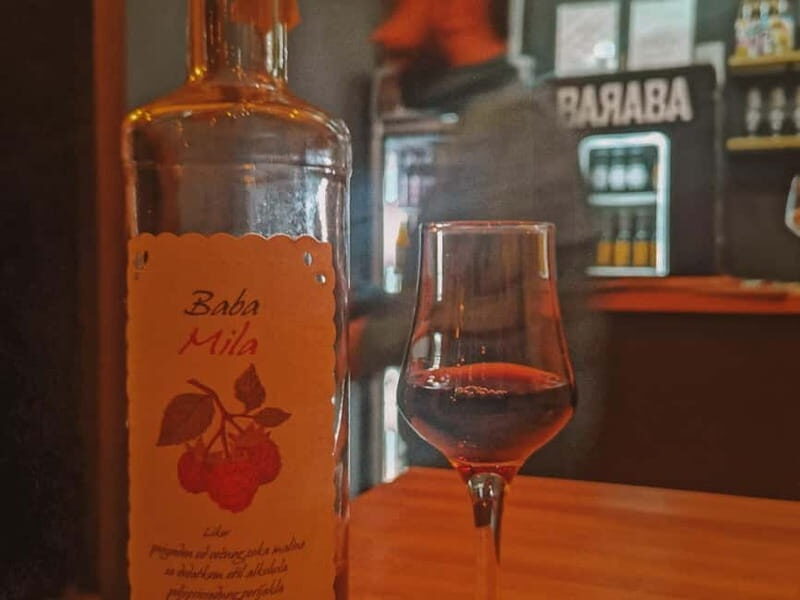
This is the kind of tour where the evening moves through a repeat pattern: taste, pause, talk, eat, compare. It helps you build a mental map of your preferences instead of just collecting sips.
From the names shared by guides in different runs—like Namir, Nermin, and Numa—you can also tell the host team is part of the experience. The guides tend to bring both local context and genuine friendliness, which comes through in how questions get answered.
You may also have some choice in what you want to focus on, since the tasting isn’t presented like a one-size-only script. If you’re curious about specific fruit styles, you can usually steer the conversation.
Who should book this rakija tasting tour?
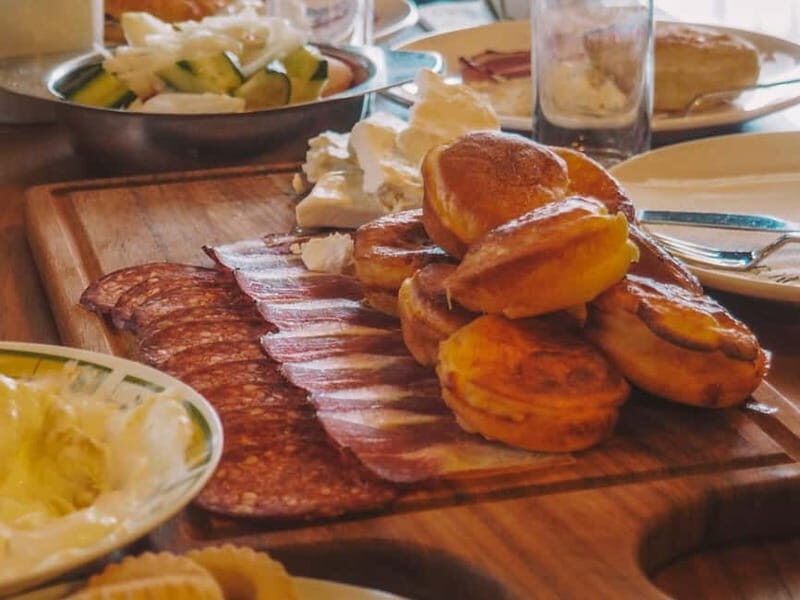
This one is best for adults who want a cultural night out without a club scene. It’s great if you:
- like tasting multiple versions of a regional drink
- want to learn the local ritual (not just taste something strong)
- enjoy sitting in places where locals actually spend time
- appreciate food pairing with mezze
- prefer small groups over big bus tours
It’s less ideal if you dislike alcohol-heavy evenings or if you want a purely educational, classroom-style lesson. This is social, sensory, and built around eating and drinking in two old-school places.
Practical tips to make the most of the night
A few things will help you enjoy it more:
- Eat something light beforehand so the mezze feels like a bonus, not your first meal.
- Pace yourself between tastings. The whole point is to compare flavors, not just power through.
- Use water when you need it, especially if you’re sensitive to strong spirits.
- Wear comfortable shoes for the walk through Baščaršija.
If you’re planning other activities the same night, keep it realistic. After multiple rakijas, you’ll want a low-key end to the evening.
Should you book? A simple decision guide
Book it if you want a fun, guided way to understand Sarajevo through its most iconic spirit—and you’re happy spending a few hours in local kafanas with mezze and conversation. The small group size and the two-stop format help it feel personal, and the focus on proper drinking makes the tasting far more rewarding than random sampling.
Skip it if you’re trying to avoid alcohol-focused plans, or if you want a quiet, strictly sightseeing-focused itinerary. This tour is built around taste and social time, not just views.
If you’re on the fence, the “try it for the ritual and the pairings” logic wins. Rakija becomes easier to understand once someone shows you how people actually enjoy it.
FAQ
FAQ
Where is the meeting point?
You meet next to the clock opposite the train station.
How long is the tour?
The tour lasts 3 hours.
How much does it cost?
It costs $70 per person.
Is the tour a private experience?
No. It’s a small group limited to 6 participants.
What’s included in the price?
You get 5 different rakija tastings (served as individual portions), still and sparkling water, complimentary mezze (snacks), and visits to 2 traditional kafanas.
Do you get to taste different rakijas or just one?
You taste a selection of five local rakijas. One account mentioned tasting six flavors on their evening.
Is food included, or do I need to buy extra?
Mezze is included. Additional food and/or drinks are not included.
What languages are available for the guide?
The live guide is available in German, English, Serbian, Bosnian, and Croatian.
Is the tour suitable for children?
No, it’s not suitable for children under 18.
What is the cancellation policy?
Free cancellation is available up to 24 hours in advance for a full refund.
You Might Also Enjoy
More Food & Drink Experiences in Sarajevo

More Tours in Sarajevo
- Fall of Yugoslavia, Sarajevo War Tour with Tunnel of Hope Museum and Frontlines
★ 5.0 · 1,314 reviews



More Tour Reviews in Sarajevo
- Fall of Yugoslavia, Sarajevo War Tour with Tunnel of Hope Museum and Frontlines
★ 5.0 · 1,314 reviews