REVIEW · SARAJEVO
Sarajevo: Islamic Traditions and Daily Life Tour
Book on GetYourGuide →Operated by Sarajevo Insider City Tours & Excursions · Bookable on GetYourGuide
Sarajevo can feel like a crossroads of stories, and this tour focuses on one of the city’s biggest chapters. You’ll walk through Sarajevo’s Islamic architecture and everyday-life traditions, then stop where the skyline (and daily rhythm) ties back to Islamic culture. I especially like how the route moves beyond postcard sights—time, worship, learning, and community all show up in plain view.
Two things I really enjoyed: the Gazi Husrev Bey Mosque and Madrasa area (the city’s Muslim center) and the chance to step into Svrzo’s House to see daily Muslim life in 18th-century Sarajevo. One drawback to plan for: it’s a walking tour, and it’s not recommended if you have limited mobility or use a wheelchair.
Key points before you go
- Two hours, multiple major stops: mosques, schools, a house museum, plus key old-town viewpoints
- Lunar-clock story: you’ll see the clock tied to Islamic tradition
- Real teaching, not just photos: guides like Suad and Emina are praised for clear, friendly answers
- Dress code matters: bring a long-sleeved shirt/long pants and a sarong if you have one
- Tickets aren’t fully included: you’ll pay small entrance fees at a couple sites in BAM
- Good value for the time: $29 includes a licensed local guide and a map
In This Review
- Entering Sarajevo’s Islamic Side in Just Two Hours
- From Zelenih beretki to Mejdan: Start Where the City Hums
- Emperor’s Mosque: Sarajevo’s Oldest Mosque and Why It Matters
- Hotel Isa-begov Hamam Stop: Ottoman-Era Texture on the Way
- Gazi Husrev Bey Mosque, Madrasa, and Library: the City’s Muslim Core
- Svrzo’s House Museum: Seeing 18th-Century Daily Life
- Fakultet Islamskih Nauka and Baščaršija: Learning and Everyday Sarajevo
- Viewpoint Time and the End Walk Back
- What You Actually Learn (Beyond the Postcard Version)
- Practical Tips: Dress Code, Walking Pace, and Entrance Fees
- Price and Value: What $29 Buys You (and What You Pay On Top)
- Should You Book This Sarajevo Islamic Heritage Tour?
- FAQ
- How long is the Sarajevo Islamic Traditions and Daily Life Tour?
- Where is the meeting point?
- Are entrance fees included in the $29 price?
- What should I wear to join the tour?
- What languages does the tour guide speak?
- Is the tour suitable for wheelchair users?
Entering Sarajevo’s Islamic Side in Just Two Hours
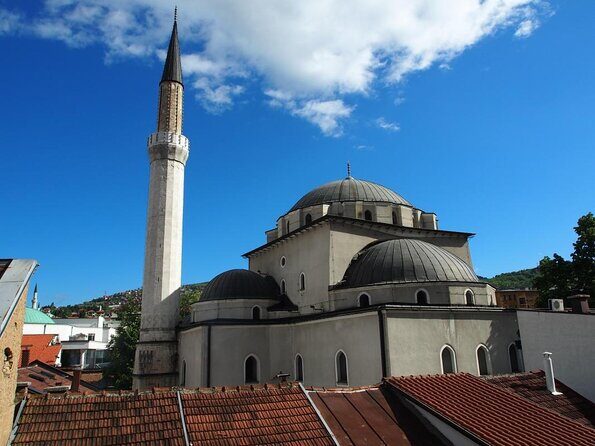
If you only have a short time in Sarajevo, this is a smart way to understand why the city looks the way it does. The tour is designed as a walk through the places where Islam shaped community life—mosques for worship, schools for learning, fountains for everyday pause, and houses that show how people actually lived.
I like that the experience doesn’t treat Islam like a museum topic. The focus stays practical: rituals, architecture choices, and cultural practices show up as part of normal Sarajevo life. You’ll walk, listen, ask questions, and connect the dots between Ottoman-era influences and modern identity.
A small bonus: the tour often feels personal. In recent bookings, it has even been just one guest at times, which makes it easier to ask follow-ups without feeling rushed.
From Zelenih beretki to Mejdan: Start Where the City Hums
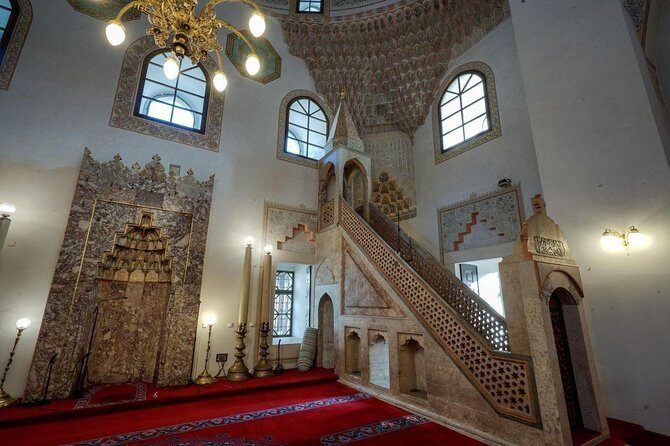
You meet at Zelenih beretki 30, at the Sarajevo Insider Tour Agency. That location is close to the old-town area where most of the Islamic sites are clustered, so you don’t waste time crossing the city.
Right away, the tour begins with a stop at Mejdan—you get a photo stop, a guided bit of context, then a walk onward. Mejdan works as a warm-up. It helps you understand the route you’re about to take: why these sites matter, and how Sarajevo’s layout shaped daily movement.
What I’d watch for here: keep your pace steady. This is a walking itinerary, and the smooth part is how it builds momentum from stop to stop.
You can also read our reviews of more tours and experiences in Sarajevo.
- Fall of Yugoslavia, Sarajevo War Tour with Tunnel of Hope Museum and Frontlines
★ 5.0 · 1,314 reviews

Emperor’s Mosque: Sarajevo’s Oldest Mosque and Why It Matters
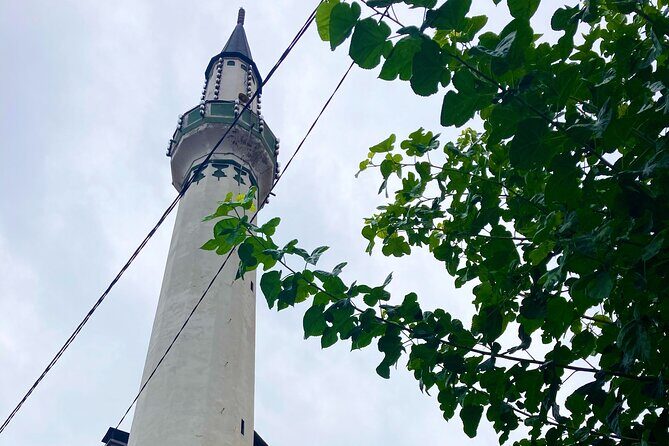
Next up is the Emperor’s Mosque. You’ll do a photo stop, then a guided walk-through. This is one of the oldest mosques in Sarajevo, so it’s the kind of place that makes the city’s Islamic story feel grounded and long-running.
This isn’t just about the building itself. It’s about what an older mosque represents in a city—continuity, community memory, and the way religious spaces anchor neighborhoods. Guides usually connect architecture to the daily lives that grew around it, and you’ll feel that theme continue as you move forward.
If you’re the type who likes details, bring patience. The best payoff comes when you let the guide’s story connect the physical space to the lived culture.
Hotel Isa-begov Hamam Stop: Ottoman-Era Texture on the Way
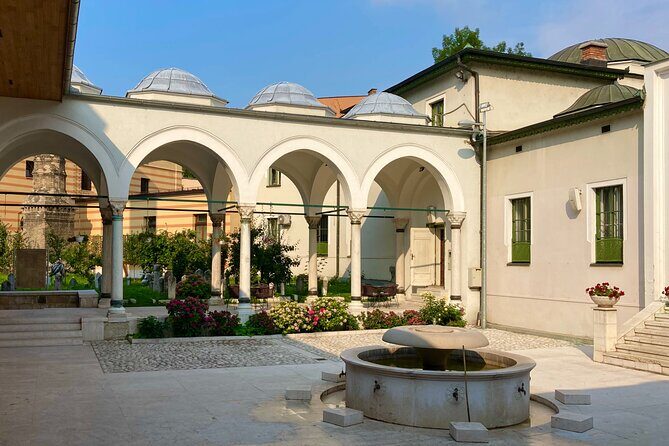
The itinerary includes a stop at the Hotel Isa-begov hamam area. You’ll have another photo stop plus guided context and walking time.
Even when you’re not going inside a structure (based on what’s listed), this kind of stop matters because it puts you in the Ottoman-era “fabric” of Sarajevo. The tour uses these in-between locations to stitch the bigger landmarks together with real street-level atmosphere—less showy, more believable.
Practical tip: wear shoes that handle cobblestones. Even short walks between sites can feel longer than expected if your footwear is wrong.
Gazi Husrev Bey Mosque, Madrasa, and Library: the City’s Muslim Core
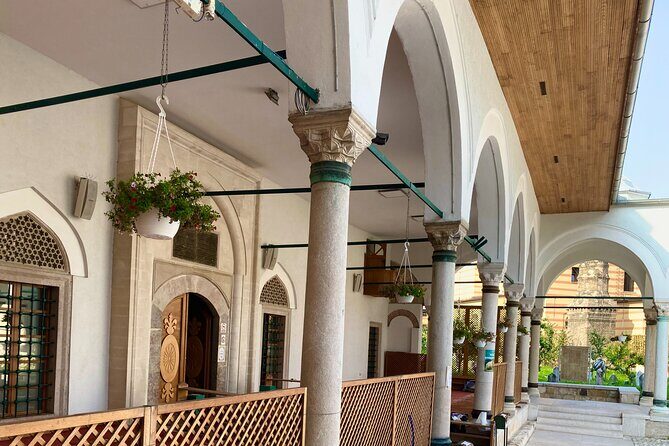
Now we reach the heart of the story: Gazi Husrev-beg Mosque, plus the Madrasa and Library nearby. This cluster is described as an Ottoman gem and the core of Sarajevo’s Muslim life, and the itinerary treats it that way—photo stops, visits, guided tours, and more walking.
This is also where entrance fees come in. The Gazi Husrev Bey Mosque and Madrasa entrance is listed at 8 BAM per person (about €4.50). It’s not included in the base price, so budget for it. The good news: you’re told to skip the ticket line, which helps keep your two hours from turning into a waiting game.
Why this stop is so valued: it’s not one building, it’s a system. Mosque (worship), Madrasa (learning), and Library (knowledge). That trio is a big deal for understanding how Islamic culture historically functioned in daily city life—not just as prayer, but as education and community guidance.
Guide names you might encounter: Suad is repeatedly praised for being friendly, engaging, and able to answer questions clearly (and one booking notes he’s trained in Islamic sciences). Another guide mentioned in the same spirit is Emina, who was described as thorough and strong at explaining what you’re seeing.
What I’d do in this section: slow down when you enter. Let the guide point out what makes the area feel like a living center, not a distant monument.
Svrzo’s House Museum: Seeing 18th-Century Daily Life
The tour then moves to Svrzo’s House, with a shorter on-site time listed as about 20 minutes. You’ll have a photo stop, then a visit with guided explanation.
This is where you switch gears from architecture and institutions to home life. Svrzo’s House is presented as a way to experience daily Muslim life in 18th-century Sarajevo, and that’s a powerful change of pace. Instead of asking what people believed, you start asking how belief shaped routines, space, and community behavior.
There’s an entrance fee here too: 5 BAM per person (about €3.00), not included in the tour price. The time is short, so focus on the parts your guide highlights—house layout, everyday use of rooms, and what the space suggests about family life.
If you’re the kind of visitor who likes seeing culture through normal objects and rooms, this stop will feel like the tour’s most human moment.


Fakultet Islamskih Nauka and Baščaršija: Learning and Everyday Sarajevo
After Svrzo’s House, the route includes Fakultet islamskih nauka u Sarajevu—you’ll have a photo stop, guided tour, and walk. That stop matters because it keeps the “learning” thread going. You’ve already seen the Madrasa and Library; this reinforces that education isn’t only historical. It’s part of Sarajevo’s ongoing identity.
Then you’ll reach Baščaršija, where you get another photo stop plus guided walk time. This is the old-town heart, and it’s the place where culture shows up in everyday flow—shops, street life, and the kind of practical mingling that keeps history from feeling staged.
Two highlights also fit into this general zone of the old town:
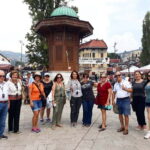
- You’ll see the Clock Tower with a lunar clock reflecting Islamic tradition.
- You’ll stop at Sebilj Fountain for a drink from Sarajevo’s iconic fountain.
These aren’t random extras. A fountain is social infrastructure. A clock tower is timekeeping tied to worldview. You get to experience how people once structured daily life, then notice how those structures still shape the city today.
Viewpoint Time and the End Walk Back
Near the end, you’ll do a view point stop with a 15-minute visit time. This is a good moment to reset. Up to now, you’ve been in a sequence of landmarks and streets; a viewpoint helps you “zoom out” and understand how the city’s old core relates to the surrounding geography.
The tour finishes back at Insider City Tours and Excursions.
One reason I like having that final pause: it makes the story stick. You can look around and connect the buildings you saw earlier to the wider city shape.
What You Actually Learn (Beyond the Postcard Version)
The tour’s learning goals are spelled out around three themes: the roots of Islamic architecture, the significance of Gazi Husrev Bey’s legacy, and insights into traditions, rituals, and cultural practices in Sarajevo.
Here’s how that translates into real value for you during the walk:
- Architecture becomes a language. Instead of staring at domes and details without context, you’ll understand what kinds of design choices historically supported community life.
- A leader becomes a system. Gazi Husrev Bey isn’t just a name attached to a building. The story frames how patronage and institutions shaped Sarajevo’s Muslim culture over time.
- Rituals become everyday behavior. The guide’s explanations help you understand why certain practices show up in public spaces—what people did, when, and why it mattered.
The guides are a major reason this tour scores so high. A lot of feedback praises how smoothly the experience turns into conversation. People mention clear explanations, patient Q&A, and a friendly pace. One booking even mentions a small coffee break, which is a nice reminder that learning tours work better when they don’t feel like a nonstop lecture.
Practical Tips: Dress Code, Walking Pace, and Entrance Fees
This tour has a clear dress code. Bring:
- a long-sleeved shirt
- long pants
- a sarong (recommended)
Not allowed:
- shorts
- short skirts
- sleeveless shirts
If you show up in the wrong outfit, it can slow you down or make the experience awkward. Sarajevo summers can be hot, so plan for breathable long sleeves rather than giving yourself a misery tax.
Mobility: it’s not recommended for people with limited mobility, and it’s listed as not suitable for wheelchair users. Even if you’re “mostly fine,” the walking and old-town surfaces are the kind of mix that can quickly become tiring.
Logistics that help:
- You get a licensed local guide and a city map.
- The tour notes skip the ticket line, which is great because the biggest time sink is usually waiting.
Price and Value: What $29 Buys You (and What You Pay On Top)
The base price is $29 per person for a 2-hour walking tour with a licensed guide and city map. For that time window, you’re visiting a long list of important places, and you also get guided context at multiple stops—not just one highlight.
Now the part to budget for:
- Gazi Husrev Bey Mosque and Madrasa entrances: 8 BAM per person (about €4.50)
- Svrzo’s House Museum entrance: 5 BAM per person (about €3.00)
So you should expect extra cost for those sites. If you’re doing the math, the entrances add up to around €7.50 based on the included conversions. Still, when you compare it to the value of having a guide connect architecture, institutions, and daily culture in a short format, the price can feel fair.
Also worth noting: multiple guide names have been praised in recent feedback—Aid, Suad, Emina, Alam, Haris, and Hadiza. That repeated theme is that the guidance quality is strong enough to make the sites feel understandable, not just scenic.
Should You Book This Sarajevo Islamic Heritage Tour?
Book it if you want a short, structured walk that helps you read Sarajevo’s Islamic landmarks as part of real daily life—not as random monuments. It’s also a great fit for first-timers because it covers the key anchors: Emperor’s Mosque, Gazi Husrev Bey’s cluster, Svrzo’s House, and the Baščaršija old-town energy, with stops like the lunar-clock tower and Sebilj Fountain.
Skip it (or plan carefully) if mobility is a problem, because this is not the kind of tour built for wheelchairs or limited-mobility needs. Also, if you can’t meet the dress code (long sleeves/long pants), you might end up uncomfortable quickly.
My take: for $29, in a city where history can feel like a blur, this is one of the cleanest ways to get clarity in two hours—especially if you like asking questions and learning the “why” behind what you see.
FAQ
How long is the Sarajevo Islamic Traditions and Daily Life Tour?
The tour lasts 2 hours.
Where is the meeting point?
You meet at Zelenih beretki 30, Sarajevo Insider Tour Agency.
Are entrance fees included in the $29 price?
No. Entrance fees are not included for the Gazi Husrev Bey Mosque and Madrasa (8 BAM per person) and Svrzo’s House Museum (5 BAM per person).
What should I wear to join the tour?
Bring a long-sleeved shirt and long pants, and a sarong is suggested. Shorts, short skirts, and sleeveless shirts are not allowed.
What languages does the tour guide speak?
The tour is offered with live guides in Bosnian and English.
Is the tour suitable for wheelchair users?
No. It is not recommended for limited mobility and is not suitable for wheelchair users.
You Might Also Enjoy
More Tours in Sarajevo
- Fall of Yugoslavia, Sarajevo War Tour with Tunnel of Hope Museum and Frontlines
★ 5.0 · 1,314 reviews

More Tour Reviews in Sarajevo
- Fall of Yugoslavia, Sarajevo War Tour with Tunnel of Hope Museum and Frontlines
★ 5.0 · 1,314 reviews