REVIEW · SARAJEVO
Sarajevo: Franz Ferdinand Assassination & the Start of WWI
Book on GetYourGuide →Operated by Sarajevo Insider City Tours & Excursions · Bookable on GetYourGuide
One street, one gunshot, world change. This Sarajevo tour walks you through the Franz Ferdinand assassination sites and the political tensions that turned local conflict into global war.
I like that you spend time at the exact location near Latin Bridge, not just pointing at it from a distance.
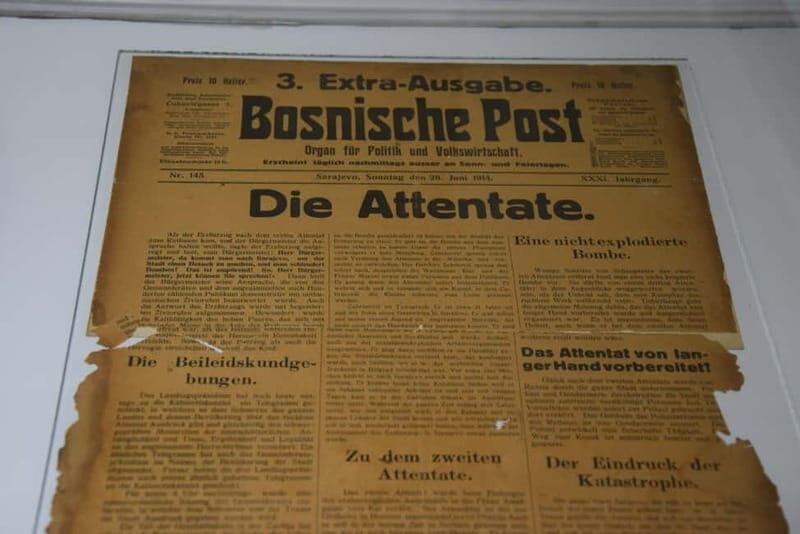
The second thing I really like is the stop inside the Museum 1878–1918, where you’ll see original Austro-Hungarian-era items tied to the period. The guide also brings the story into focus with clear explanations of Gavrilo Princip and the Young Bosnia movement, plus the broader Austro-Hungarian occupation context.
One drawback to consider: it’s a street walk. If weather is rough, the route may feel tighter, even when the guide is flexible and keeps moving efficiently.
In This Review
- Key highlights to look forward to
- Sarajevo in 1914, in two hours of real-world context
- Meeting point and getting oriented fast
- Standing near the Latin Bridge: why this spot hits harder than a photo
- The Museum 1878–1918: original Austro-Hungarian items, not just replicas
- Young Bosnia and Gavrilo Princip: motives, not just names
- Walking Austro-Hungarian Sarajevo: how the city explains 1914
- Weather, pacing, and how to get the most from two hours
- Price and value: $29 for a guide plus museum entry
- Who this tour fits best
- Should you book this Sarajevo Franz Ferdinand tour?
- FAQ
- How long is the tour?
- How much does it cost?
- Where do I meet the guide?
- Is the tour offered in English?
- What’s included in the price?
- Does the tour help with ticket lines?
- Can I cancel for a full refund?
- Is there a pay-later option?
- What will I see during the tour?
- Is the focus only on the assassination?
Key highlights to look forward to
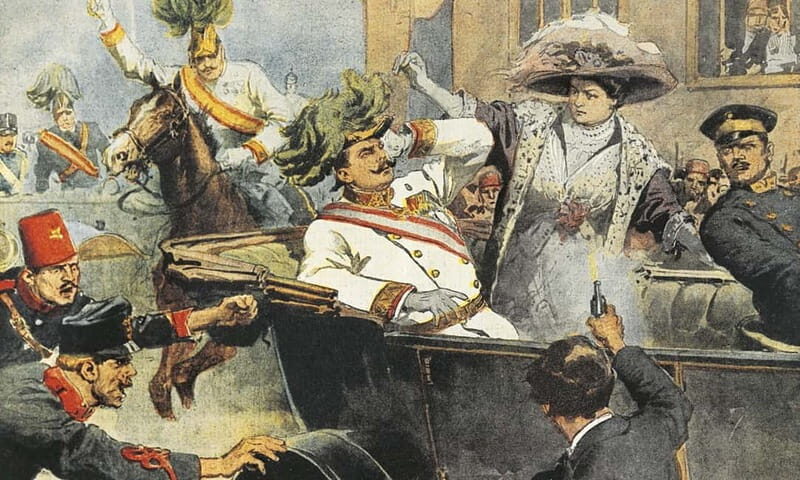
- Exact assassination location near Latin Bridge for a real sense of place
- Museum 1878–1918 with original Austro-Hungarian-era items
- Gavrilo Princip and Young Bosnia explained in an easy, human way
- Austro-Hungarian landmarks that help you understand Sarajevo’s 1914 setting
- A live English-speaking guide who answers questions as you go
- Two hours for the price of a short guided outing, with museum entry included
Sarajevo in 1914, in two hours of real-world context
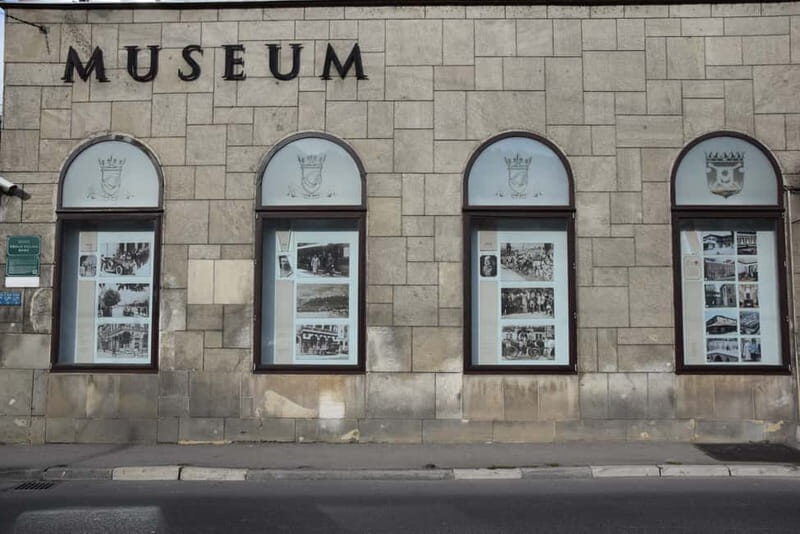
Sarajevo has a way of compressing centuries into a few blocks. This tour uses that strength. You’re not just studying an event from a textbook; you’re standing where it happened and then stepping into the period context that made that day possible.
The format is simple: a guided walk through key Austro-Hungarian Sarajevo landmarks, followed by time at the Museum 1878–1918. It’s built for people who want the story to make sense, not just the facts to sound impressive. And at $29 per person with a professional English-speaking guide plus museum entrance included, it’s priced like a focused city experience rather than a long, multi-stop day.
You’ll also notice the tone most guides bring. Past guides named in real bookings include people like Nadeem, Fariz, Brian, Fariz, Aid, Bojan, Mohammed, Dennis, and Emina. That pattern matters because it usually means the group gets consistent storytelling style: clear, responsive, and willing to answer follow-ups instead of reading from a script.
You can also read our reviews of more tours and experiences in Sarajevo.
- Fall of Yugoslavia, Sarajevo War Tour with Tunnel of Hope Museum and Frontlines
★ 5.0 · 1,314 reviews
Meeting point and getting oriented fast
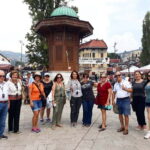
The tour starts at the Sarajevo Insider office at Zelenih beretki 30, Sarajevo 71000. I like this kind of meeting setup because it’s specific and easy to pin on a map. You’re not hunting for a flag in a crowd.
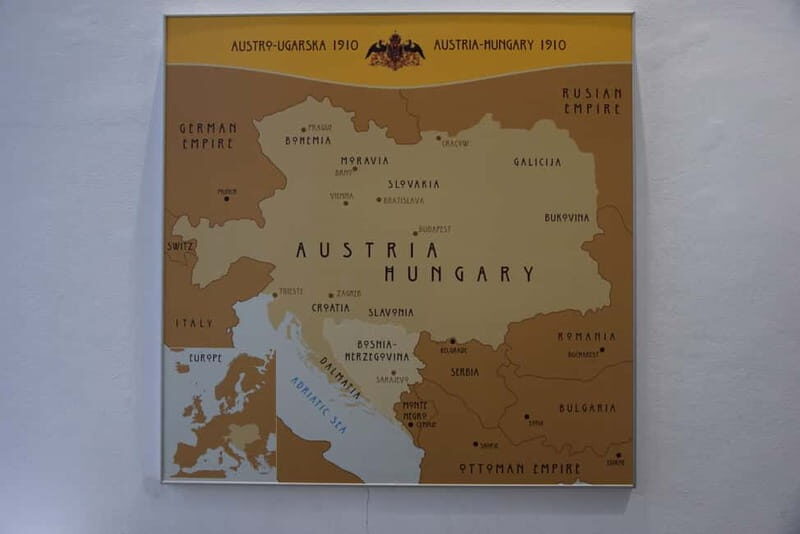
From there, you’ll follow your guide through the Austro-Hungarian-era parts of Sarajevo. The walk is the tool for orientation: it helps you learn how the city’s architecture and political history overlap. That’s not just trivia. When you understand why Sarajevo looked the way it did under Austro-Hungarian rule, you’ll grasp why 1914 wasn’t a sudden mystery. It was the result of pressure building for years.
If you’re arriving on foot, give yourself a little buffer time to settle in before the group moves. Because once you start, the tour moves quickly enough to keep a tight 2-hour timeline.
Standing near the Latin Bridge: why this spot hits harder than a photo
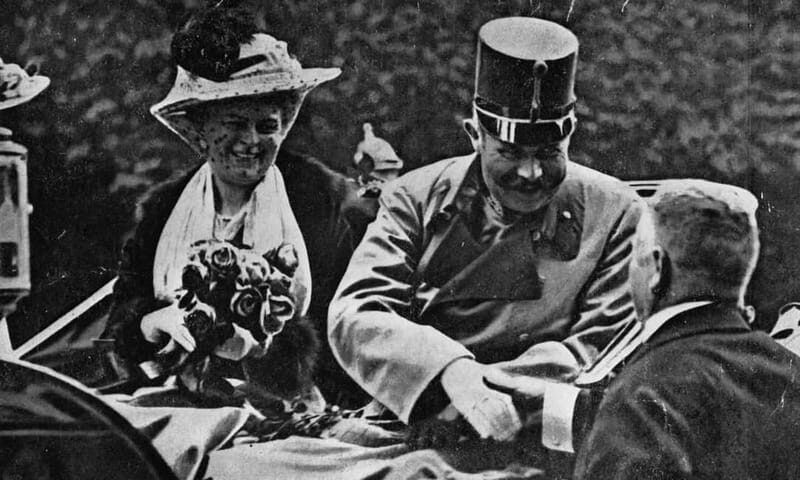
The emotional core of the tour is the stop near Latin Bridge, where you’ll stand at the exact location tied to the assassination of Archduke Franz Ferdinand. This isn’t the kind of attraction where you check a box and move on. It’s the kind where you suddenly understand scale and proximity.
Here’s why it matters for your understanding: the assassination is famous, but most people experience it through headlines and summaries. Standing there forces a different mental model. You connect the event to the streets, the route, and the fact that real people were physically close enough to be affected immediately.
Your guide will also connect this location to the people at the center of the story. You’ll learn about Gavrilo Princip and the Young Bosnia movement, and you’ll hear how Sarajevo became a flashpoint in a tense political atmosphere. That’s the difference between memorizing an event and understanding it.
A detail that can make this stop especially memorable, based on actual tour experiences: you may have a chance to see period-linked items tied to the day, including the car used during the visit and time to relate the story to where Princip carried out the attack.
The Museum 1878–1918: original Austro-Hungarian items, not just replicas
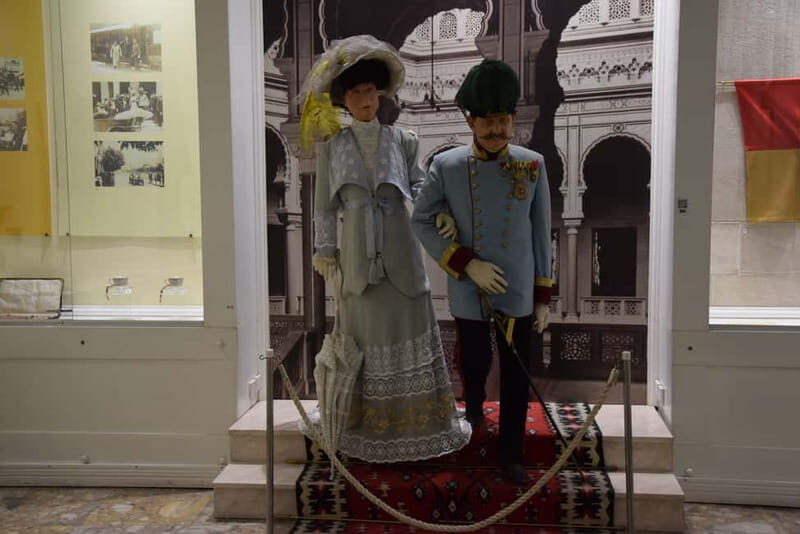
After the street walk, you’ll head to the Museum 1878–1918. The museum is included (entrance fee is part of the price), and you’ll also skip the ticket line, which helps keep the schedule tight.
What makes this museum stop valuable is the emphasis on authenticity. The museum experience is built around original items from the Austro-Hungarian period. That matters because it turns abstract history into something tactile: objects have weight, age, and real-world details that printed descriptions can’t fully reproduce.
In this museum, you’re also getting a bridge between two timeframes:
- the Sarajevo streets tied to the assassination moment
- the longer Austro-Hungarian occupation story that shaped daily life and political tension
The tour’s learning goals reflect that. You’ll build a clearer picture of the political climate leading up to World War I, and you’ll also understand the role of Austro-Hungarian rule in Bosnia and Herzegovina. In other words, the museum isn’t a detour. It’s the explanation engine.
If you like tech extras, there may be a VR experience you can try as part of your museum visit. That kind of add-on can help you picture the era without sitting through more words.
Young Bosnia and Gavrilo Princip: motives, not just names
A lot of history tours stumble when they treat complex movements like trivia. This one aims to do better. You’ll learn about Gavrilo Princip and the Young Bosnia movement, with your guide explaining the “why” behind the actions rather than only listing dates.
The practical advantage for you is mental clarity. When motives are explained in plain language, you can connect:
- dissatisfaction and political pressure
- the push for change
- the international consequences
That also supports what you’re really here for: understanding how the assassination sparked a chain reaction that led to World War I. The event is the headline, but the movement and political environment are the machinery behind it.
And since you have a live guide, you can ask the questions that don’t fit neatly into a group script. In real tours, guides like Fariz, Brian, Aid, and Bojan were praised for answering questions and adding context beyond the assassination itself. If you’re the kind of traveler who asks why something happened instead of only what happened, this is your kind of stop.

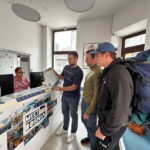
Walking Austro-Hungarian Sarajevo: how the city explains 1914
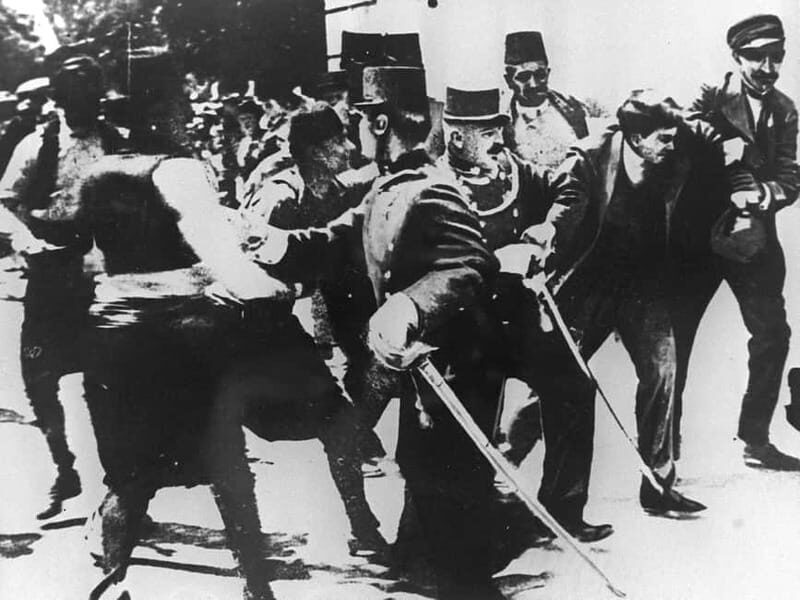
The walk part is more than a scenic intermission. You’ll go past key Austro-Hungarian landmarks that shaped Sarajevo, and that’s how the tour builds credibility.
When your guide connects architecture and streets to political history, you start to see Sarajevo as more than a place where something historic happened. It becomes a city with a system, and that system created tensions. That’s exactly the kind of context people miss when they only focus on the assassination itself.
As you walk, pay attention to how your guide frames the period:
- how Austro-Hungarian occupation influenced local life
- how political tensions built over time
- how the assassination fits into a wider pattern of instability in Europe
This is where the tour feels especially useful for “non-expert” travelers. You don’t need prior knowledge. You just need someone to connect the dots in a way you can remember later.
Weather, pacing, and how to get the most from two hours
This is a short tour, so pacing matters. It’s 2 hours, and the route is built to hit the key sites and the museum without turning into a whole-day commitment.
That short format can be a plus if your schedule is tight. It’s also why weather can be noticeable. One booking experience noted that a guide was flexible during heavy rain, since walking options were reduced. That’s the right mindset to look for. You want a guide who keeps the tour moving while still covering the essentials.
For you, that means:
- Wear shoes that handle cobblestones and quick turns
- Bring a light rain layer if you’re visiting in unsettled weather
- Ask questions early so you get answers while you’re still at the most relevant stop
If you’re traveling with time limits, this tour is one of the more efficient ways to get serious context without burning half your day.
Price and value: $29 for a guide plus museum entry
Let’s talk value, not just cost. At $29 per person, the price makes sense because you’re not paying for a walk with no extra content. You’re also paying for:
- a professional English-speaking guide
- museum entrance to the Museum 1878–1918
- skip-the-ticket-line time savings
That combo matters in cities like Sarajevo, where the “time tax” of queues can quietly eat into a short visit. With a 2-hour tour, the schedule needs to be tight, and the skip-the-line element helps protect that.
Also, this is a high-demand topic. A “WWI and Sarajevo assassination” tour can easily turn into a rushed stop-and-snap experience. Here, the museum stop and explanation goals keep it from feeling like a photo tour only. The high rating listed with 4.9 out of 5 also suggests most people leave feeling the guide delivered more than just the headline.
Who this tour fits best
This works best if you fall into one of these groups:
- You’re a history fan, especially WWI-era events and the Balkans
- You want the assassination story but also the surrounding political tensions
- You prefer guided storytelling with time at the relevant museum, not just a drive-by overview
- You like asking questions and getting answers in plain English
It may feel less ideal if you only want a quick, casual city stroll with no political context. The tour is centered on 1914 Sarajevo and the causes that led there.
If you’re the kind of traveler who likes “why” almost as much as “what,” you’ll likely enjoy the structure. The tour starts with place, then adds explanation, then grounds that explanation with museum context.
Should you book this Sarajevo Franz Ferdinand tour?
I’d book it if you want a focused, high-impact experience that connects a world-shaping event to the city and the Austro-Hungarian period that framed it. The stand near Latin Bridge plus the museum time at 1878–1918 is a strong pairing, and the live English guide is built for questions and clarity.
If your time is short and you’re trying to choose between a long day trip and a tight historical stop, this hits a good middle ground. Go for it when you want real context in two hours, not a rushed stopover.
Just plan for some walking and be ready for weather. With that in mind, this is a very efficient way to understand why one assassination became the spark for World War I.
FAQ
How long is the tour?
The tour duration is 2 hours.
How much does it cost?
The price is listed as $29 per person.
Where do I meet the guide?
The meeting point is the Sarajevo Insider Office, Zelenih beretki 30, Sarajevo 71000.
Is the tour offered in English?
Yes. The tour language is English.
What’s included in the price?
Included items are a professional English-speaking guide and the entrance fee to the Museum of the Austro-Hungrian Period (Museum 1878–1918).
Does the tour help with ticket lines?
Yes. The tour includes skip-the-ticket-line access.
Can I cancel for a full refund?
Yes. Free cancellation is available if you cancel up to 24 hours in advance.
Is there a pay-later option?
Yes. You can reserve now and pay later.
What will I see during the tour?
You’ll stand at the exact assassination location near Latin Bridge, learn about Gavrilo Princip and the Young Bosnia movement, visit the Museum 1878–1918, and walk through key Austro-Hungarian landmarks connected to Sarajevo’s 1914 tensions.
Is the focus only on the assassination?
No. The tour also covers the Austro-Hungarian occupation context and the political climate that led to World War I.
You Might Also Enjoy
More Tour Reviews in Sarajevo
- Fall of Yugoslavia, Sarajevo War Tour with Tunnel of Hope Museum and Frontlines
★ 5.0 · 1,314 reviews