REVIEW · SARAJEVO
Times of Misfortune – Life Under Siege and the Tunnel of Hope
Book on Viator →Operated by Insider Ltd · Bookable on Viator
Sarajevo’s siege story hits you fast. In about three and a half hours, you’ll move from fortifications and memorials to major wartime buildings, then spend real time at the Tunnel of Hope Museum.
I like the small-group feel, capped at 20 people, which makes questions possible and keeps the pace human. I also love that the guide can bring the history to life with personal, firsthand context, especially around what it meant to live through the siege. One possible highlight is meeting a guide like Nermin, described as a former police officer who talks from lived experience.
The main drawback to plan for: the Tunnel of Hope Museum ticket is not included in the $32.58 price, so you’ll pay that extra on top.
In This Review
- Key things I’d watch for
- Where this tour fits in Sarajevo (and why it matters)
- Meeting up smoothly: small group, English guide, and quick starts
- Yellow Fortress: views that explain wartime defenses
- Kovači Cemetery: a short stop with real weight
- City Hall, Markale Market, and the Presidency: seeing politics under pressure
- Asim Ferhatović Hase Stadium and Hall Zetra: the Olympic idea under siege
- The Sarajevo maternity hospital stop: courage where it mattered most
- Parliament, Holiday Inn, RTV Dom, and Sniper Alley: when the city became a headline
- Tunnel of Hope Museum: the 1h15 stop that changes your understanding
- Price and value: is $32.58 money well spent?
- Who this tour is best for (and who should think twice)
- Should you book Times of Misfortune?
- FAQ
- Is the tour in English?
- What’s included in the $32.58 price?
- Do I need to pay extra for the Tunnel of Hope Museum?
- How long is the tour, and how much time is at the museum?
- Where do I meet the guide?
- What happens if the weather is poor?
- Is free cancellation available?
Key things I’d watch for
- Firsthand siege stories from the licensed English-speaking guide, not just dates on a wall
- Yellow Fortress viewpoints that help you understand how Sarajevo defended itself
- Kovači Cemetery as a quick but powerful national memorial
- Sniper Alley by car plus passes of TV and political/journalism-linked sites
- Tunnel of Hope Museum time (1h15) with a film and underground context
- Many stops are free, so your extra cost is mostly the Tunnel Museum entrance
Where this tour fits in Sarajevo (and why it matters)
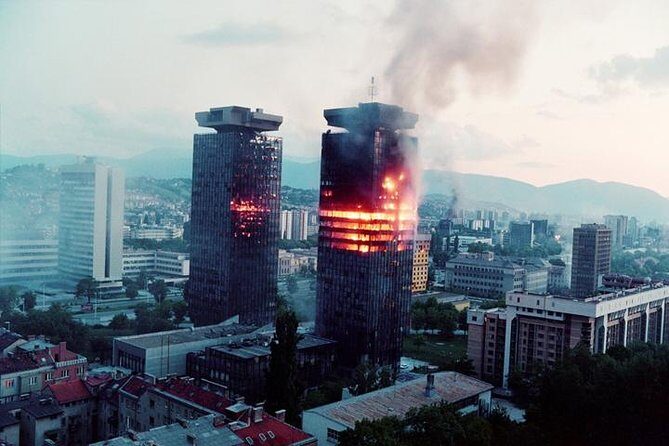
This is not a museum-that-stays-put kind of outing. It’s a guided walk-and-drive through Sarajevo’s siege-era landmarks, so the story stays attached to real places you can point at. It also connects the Siege of Sarajevo to the wider collapse of Yugoslavia, which helps the timeline make sense.
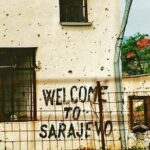
You’ll also notice the tour name, Times of Misfortune, is not there for marketing drama. The places you visit are about loss, endurance, and the daily mechanics of survival—where safety was thin and every decision had consequences. If you want context that feels grounded instead of abstract, this route is designed for that.
You can also read our reviews of more tours and experiences in Sarajevo.
- Fall of Yugoslavia, Sarajevo War Tour with Tunnel of Hope Museum and Frontlines
★ 5.0 · 1,314 reviews
Meeting up smoothly: small group, English guide, and quick starts
You meet at Sarajevo Insider – City Tours and Excursions, at Zelenih beretki 30. It’s a short start: you’ll regroup with the guide, get oriented, and then move into the city.
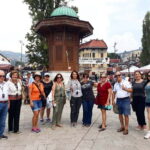
This tour runs in English and keeps the group small, with a maximum of 20 travelers. That matters more than you’d think. When the topic is heavy, a packed bus turns the experience into a lecture you can’t process; a smaller group keeps it conversational.
Transportation is included. That’s a practical win because you’re not just trudging across town—you’re also driving past key areas, like the stretch known as Sniper Alley, where the danger is part of the story.
Yellow Fortress: views that explain wartime defenses
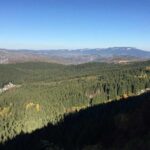
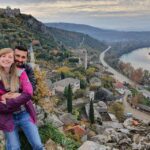
Your first major stop is the Yellow Fortress, with about 20 minutes on site. The payoff here is the view. When you can see how terrain and sightlines work, siege history stops being only a timeline and starts being a geography lesson.
You also get wartime context without a long slog. This is the kind of stop that helps you get your bearings fast—literally, because it’s a vantage point, not just a marker.
Kovači Cemetery: a short stop with real weight
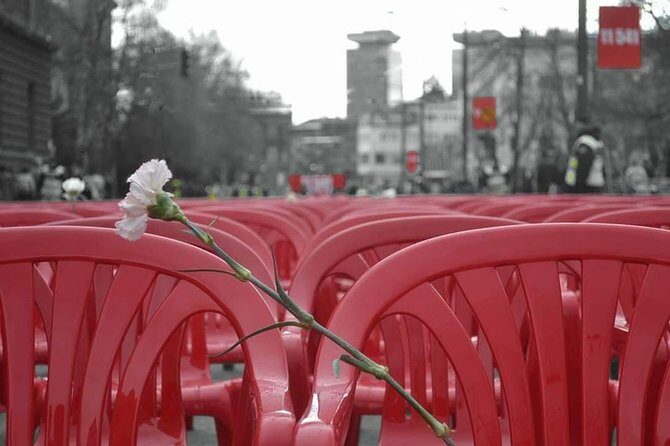
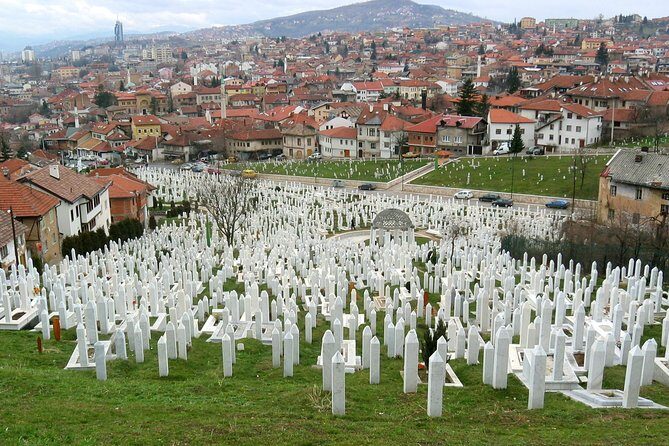
Then you move to Kovači Cemetery, a national memorial for Bosnia’s defenders from the 1992–1995 war. You only spend around five minutes there, so you’ll want to treat it like a pause, not a sightseeing window.
This is one of those moments where a good guide matters. With the right framing, even a brief stop can feel respectful and clear. If you’re the type who needs a little extra time to read plaques and absorb names, keep an eye on the group pace and save yourself a moment of quiet when the guide pauses.
City Hall, Markale Market, and the Presidency: seeing politics under pressure
After the cemetery, you’ll pass by several landmarks that were central during the war. City Hall is one of the symbolic ones—learn about how it was destroyed and then restored as an emblem of endurance.
You’ll also get a quick glimpse of Markale City Market. Even without lingering, it’s the kind of place that makes the siege feel less like a distant conflict and more like everyday life under threat—shopping, work, and moments people assumed would be normal.
Trg Djece Sarajeva (Children of Sarajevo Square) is another pass-by stop that carries symbolism. And then you’ll view the Presidency Building, the historic seat of Bosnia and Herzegovina’s presidency, important during the war.
Practical note: because these are pass-by viewpoints, you’ll get more out of the stop if you keep your ears open and your photos secondary. The buildings are familiar shapes, but the guide’s explanation is what turns them into meaningful markers.

Asim Ferhatović Hase Stadium and Hall Zetra: the Olympic idea under siege
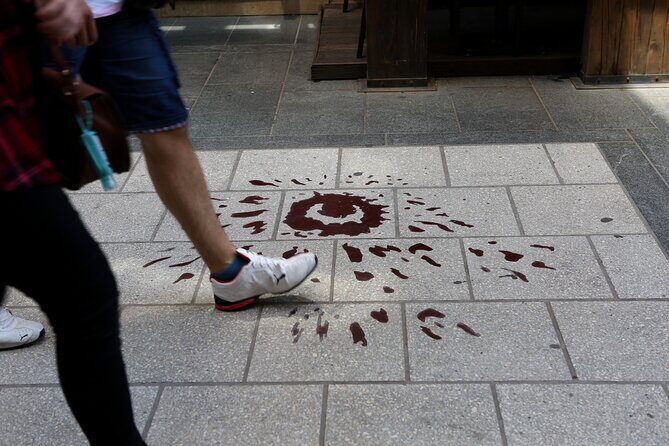
Next up: Asim Ferhatović Hase Stadium and Hall Zetra, linked to Sarajevo’s Olympic identity. The tour uses this stop to show the contrast between what Sarajevo was known for internationally—sport—and how quickly a city can be forced into survival mode.
You spend about 10 minutes here, which is short but intentional. It’s not a full sports venue tour; it’s an anchor point in the larger story: the siege transformed where people gathered, how they moved, and what institutions could do.
If you like context that connects culture to conflict, this section works well. And it’s a reminder that the siege didn’t only happen in trenches—it affected training facilities, indoor halls, and the meaning of public spaces.
The Sarajevo maternity hospital stop: courage where it mattered most
You’ll stop at the Sarajevo Maternity Hospital (about 10 minutes). This is one of the more humane parts of the route because it focuses on medical staff and the heroic effort of keeping care going during the siege.
This is also where the tone can shift from “what happened” to “how did people keep functioning.” If you’re sensitive to intense stories, this is still important to see—but be ready for emotional weight.
A quick tip: keep your expectations realistic. Ten minutes won’t make you a medical history expert. But with a guide who can explain what the siege meant for healthcare operations, it gives you a clearer picture of daily courage.
Parliament, Holiday Inn, RTV Dom, and Sniper Alley: when the city became a headline
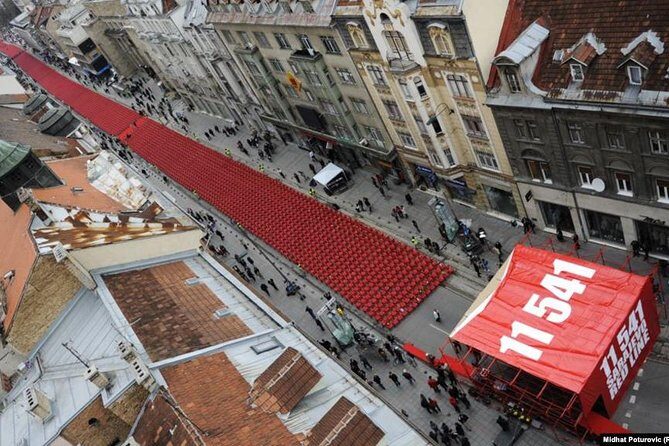
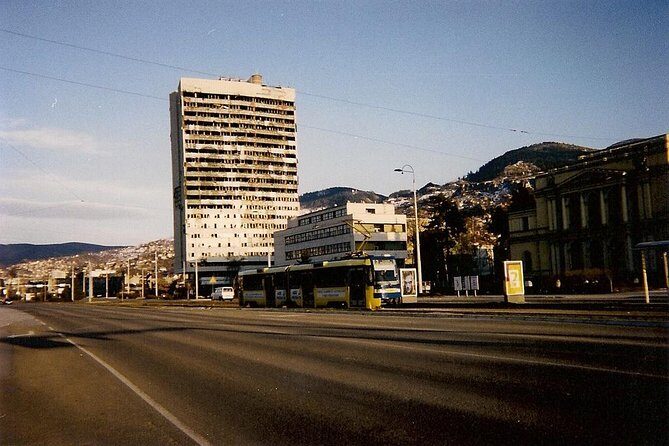
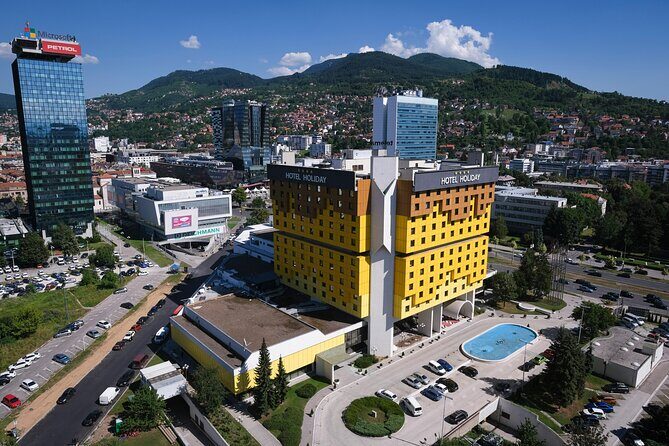
You’ll pass by Parliament and the Holiday Inn Hotel and connect them to wartime journalism and political decisions. Even from the outside, the idea is clear: information and leadership weren’t abstract in Sarajevo—they were part of the siege machinery.
Then there’s Sniper Alley. You drive along it, so you’re not just hearing it as a name. The point is to understand why movement and visibility mattered so much, and how a city street could become a threat zone during the conflict.
You’ll also view RTV Dom (TV building), the national TV building that broadcasted during key moments of the war. This is a fascinating stop because it connects the Siege of Sarajevo to communication—how the world learned what was happening, and how information shaped perception and decisions.
Even if you don’t love political history, the combination of RTV Dom and Sniper Alley gives you a simple takeaway: in a siege, the media and the streets are both battlegrounds.
Tunnel of Hope Museum: the 1h15 stop that changes your understanding
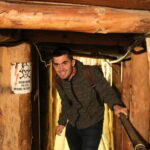
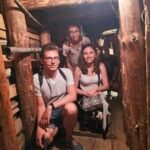
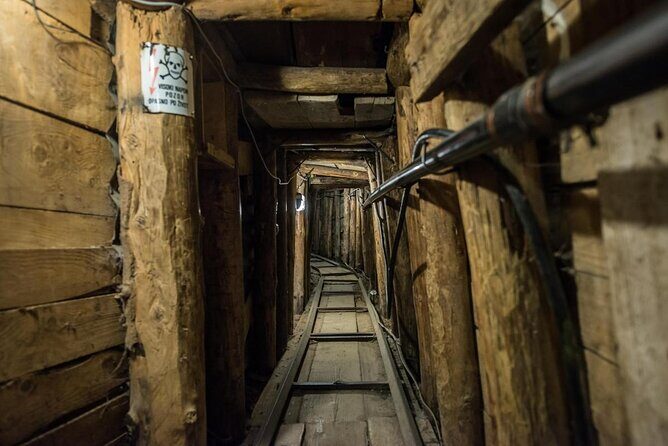
The heart of this tour is the Sarajevo War Tunnel and the Tunnel of Hope Museum. You’ll spend about 1 hour 15 minutes here, and the museum visit includes stories and a movie about the siege.
This isn’t just a tunnel you look at. The museum explains the tunnel’s construction, purpose, and why it mattered as a connection between Sarajevo and the outside world. Seeing it explained underground is powerful because it makes the constraints feel real in a physical way.
Budget note: admission is not included. Adults pay 20 BAM (about 10.50€), students 8 BAM (about 4.50€). If you’re doing this tour, don’t assume your $32.58 covers the most moving part.
My practical suggestion: treat this as your planned “extra time” block. If you arrive at the tunnel tired, you’ll miss details. If you arrive mentally ready, the museum tends to stick.
Price and value: is $32.58 money well spent?
At $32.58 per person, you’re paying for a licensed guide plus transportation, while many city stops have admission free. That’s a good structure: you’re not stuck paying entrance fees at every landmark, and the guide’s storytelling is a big part of what you get.
Your main additional cost is the Tunnel of Hope Museum ticket. Once you add that, the total becomes more like a true museum-and-context experience rather than a quick city highlights tour.
Also consider this: the tour runs around 3 hours 30 minutes and works with pass-by viewpoints, short stops, and a longer museum segment. That pacing helps you cover a lot without pretending you can process a siege story at 10 miles an hour.
Who this tour is best for (and who should think twice)
This tour fits best if you want to understand Sarajevo beyond postcards. If you’re interested in how the Siege of Sarajevo shaped daily life, institutions, and even media, you’ll find the stops connect in a logical way.
It’s also a strong choice if you appreciate a guide with personal context. The experience is repeatedly described as guided by someone who can make events feel immediate, not just historical.
Think twice if you want light, casual sightseeing. This tour is built around a real siege and national memorial sites. You’ll be okay if you’re emotionally ready, but it’s not a “quick photo and coffee” afternoon.
Should you book Times of Misfortune?
If you’re spending time in Sarajevo and you want the Tunnel of Hope plus a guided route through major siege-era landmarks, I’d book it. The combination of city stops, drive-by context, and a longer museum visit gives you both scope and focus.
Just plan for two things: the extra Tunnel of Hope Museum admission fee, and the fact that the tour is inherently somber. Go on a day with good weather if you can, since the tour requires it. If you do that, you’ll leave with a much clearer understanding of how Sarajevo survived—and what the city still remembers.
FAQ
Is the tour in English?
Yes. The tour is offered in English, and it’s run by a licensed guide.
What’s included in the $32.58 price?
Your price includes a licensed guide and transportation. Most of the outdoor stops on the route have admission free, but the Tunnel of Hope Museum ticket is not included.
Do I need to pay extra for the Tunnel of Hope Museum?
Yes. The Tunnel of Hope Museum admission is not included: 20 BAM for adults (10.50€) and 8 BAM for students (4.50€).
How long is the tour, and how much time is at the museum?
The total tour time is about 3 hours 30 minutes. The Tunnel of Hope Museum visit takes about 1 hour 15 minutes.
Where do I meet the guide?
You meet at Sarajevo Insider – City Tours and Excursions, Zelenih beretki 30, Sarajevo.
What happens if the weather is poor?
This experience requires good weather. If it’s canceled due to poor weather, you’ll be offered a different date or a full refund.
Is free cancellation available?
Yes. You can cancel for a full refund up to 24 hours in advance of the experience start time.
You Might Also Enjoy


More Tour Reviews in Sarajevo
- Fall of Yugoslavia, Sarajevo War Tour with Tunnel of Hope Museum and Frontlines
★ 5.0 · 1,314 reviews