REVIEW · SARAJEVO
Sarajevo Old Town: Bosnian Coffee, Baklava & Panoramic Views
Book on GetYourGuide →Operated by Sarajevo Experiences · Bookable on GetYourGuide
Sarajevo can look like one city and feel like several at once. This Old Town walk strings together Sarajevo’s big landmarks, religion-by-religion, war-by-war, and then rewards you with Bosnian coffee and a top panoramic view. It’s a smart way to get oriented fast, without turning your day into a checklist.
Two things I really like about this experience are the people skills and the pacing. You’re guided by a local expert who can answer questions on history, culture, building style, and even local food, and you get short photo stops rather than long, boring standstills. The other big win is that it’s not only looking, it’s also trying—like the centuries-old copper crafting at Kazandžiluk.
One possible drawback: it’s a walking tour with a moderate amount of walking on cobblestones and hills. If you’re short on mobility or you hate walking for photos, you’ll want to plan slower breaks or consider a private option.
In This Review
- Key highlights worth showing up for
- Meeting Vječna vatra: where Sarajevo’s story starts
- Through the core landmarks: from markets to major churches
- Sarajevo Meeting of Cultures: seeing coexistence up close
- Latin Bridge and the shock of one moment
- Mosques, Ottoman streets, and the everyday face of the Old Town
- Sarajevo City Hall and the shift into newer layers
- Kazandžiluk and the 500-year copper craft you can try
- Baščaršija and the pulse of the market quarter
- The café pause: Bosnian coffee and baklava break
- Sebilj and the iconic photo moment
- The panoramic viewpoint: when Sarajevo finally opens up
- Price and time: does $20 feel like a good deal?
- Who this tour suits best
- A quick heads-up on walking comfort
- Should you book Sarajevo Old Town coffee, baklava, and copper?
- FAQ
- Where is the meeting point?
- What time does the tour start?
- How long is the walking tour?
- What is included in the price?
- Is there a coffee and sweets stop?
- Do I need to buy tickets for sights?
- What languages are available for the live guide?
- How much walking should I expect?
- Does the tour include a viewpoint?
- Can I cancel and get a refund?
Key highlights worth showing up for
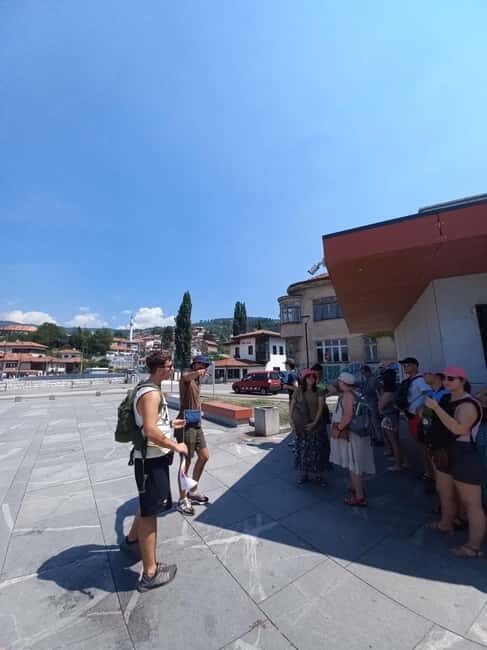
- Start at Vječna vatra and get context for Sarajevo’s modern identity from the first minute
- Coffee and baklava stop that feels like local routine, not a tourist pit stop
- Hands-on copper work connected to the Kazandžiluk coppersmith tradition
- A tight loop of landmarks across different eras and communities, with clear explanations
- Photo-friendly panoramic viewpoint where you finally see the city as a whole
- Guides like Dijana, Daniella, and Amela are praised for clarity, warmth, and taking questions
Meeting Vječna vatra: where Sarajevo’s story starts
The tour begins at Vječna vatra (Eternal Flame)—the kind of landmark that makes you pause for a second, even if you don’t know the details yet. The guide uses it as a launch point, tying Sarajevo’s modern image to what happened here in the 20th century and why the city remembers with such intensity.
This is also where you get the practical “how to read the city” mindset. Sarajevo Old Town isn’t one uniform style. It’s layers: Ottoman-era patterns, Austro-Hungarian architecture, and a mix of religious communities living close together. If you arrive with questions—who lived where, why these buildings look the way they do—this start helps you follow the answers as you walk.
A few more Sarajevo tours and experiences worth a look
Through the core landmarks: from markets to major churches
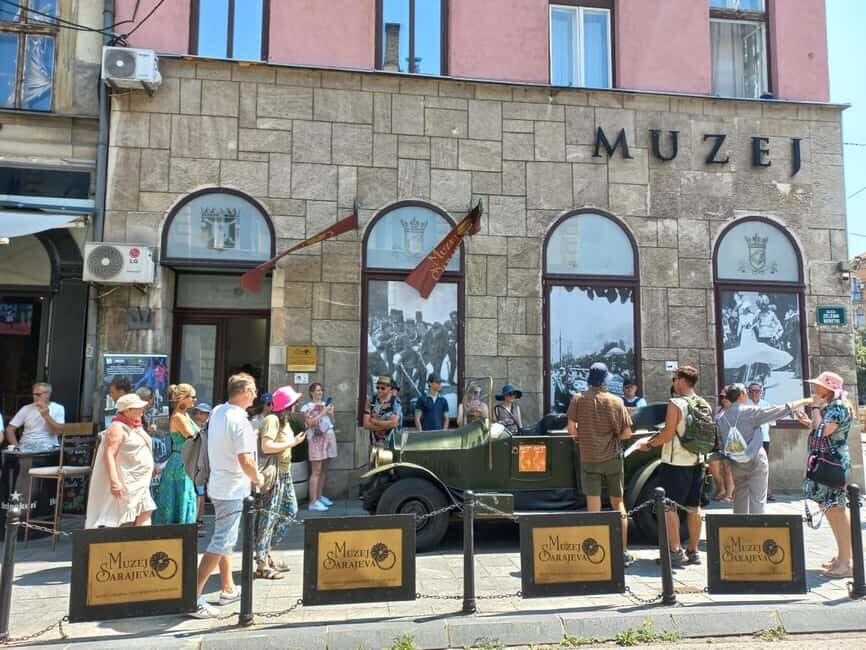
Your first stretch keeps you close to the heart of Old Town, with stops built around major sightlines and quick photo moments. You’ll pass the Sarajevo City Market Hall, a place that helps you understand day-to-day life, not just monuments. Even if you only catch it from the outside, it tells you a lot about how the city traded, gathered, and shaped its public spaces.
Then the tour pivots into the religious architecture that Sarajevo is known for. You’ll visit and photograph:
- the Cathedral Church of the Nativity of the Theotokos
- the Sacred Heart Cathedral
The value here isn’t just spotting two impressive buildings. It’s learning how the city’s different communities left visible marks, and how those marks coexist in a compact area. You’ll get pointers on what to look for—style cues, placement, and how architecture signals different historical periods.
Sarajevo Meeting of Cultures: seeing coexistence up close
One of the tour’s strengths is how it treats religious diversity as part of the city’s geography, not as a lecture topic. The stop at Sarajevo Meeting of Cultures helps you connect the idea of “many traditions in one space” to something you can actually see.
This matters because Sarajevo can be misunderstood if you only focus on headline events. The guide’s framing brings you back to the everyday logic of the place: people share streets, viewpoints, markets, and daily rhythms. If you like travel that makes you look at buildings with meaning, this part delivers.
Latin Bridge and the shock of one moment
When you reach Latin Bridge, the mood shifts. The guide explains the assassination of Archduke Franz Ferdinand and Sophie, the spark that led to World War I. It’s one of those locations where history isn’t abstract. You stand near the setting and suddenly the timeline becomes real.
What I like about this segment is the balance: yes, it’s heavy, but you’re not stuck in doom. The walk around the bridge area gives you grounding. You can picture the city at the time, understand why the location became symbolically important, and then keep moving so the rest of the tour shows Sarajevo beyond just one turning point.
Mosques, Ottoman streets, and the everyday face of the Old Town
Next comes the Ottoman-era feeling—courtyards, minarets, and older street lines. You’ll make stops for:
- Emperor’s Mosque
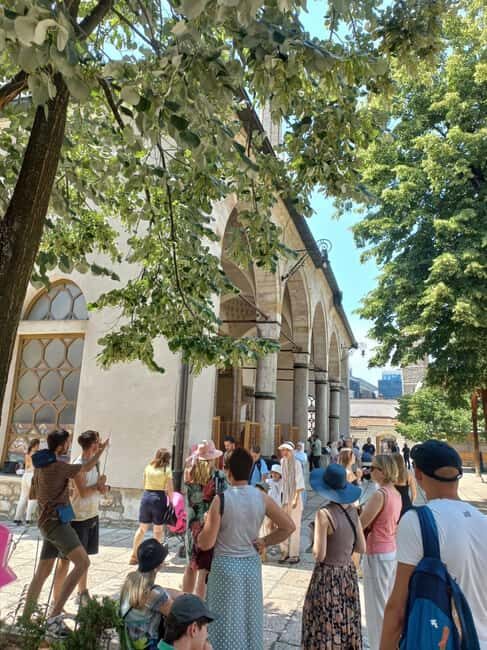
- Gazi Husrev-beg Mosque
- Morića Han
These places are more than postcard architecture. They help you see how Sarajevo functioned as a city shaped by craft, trade, and community life. A mosque in the skyline isn’t just a building; it’s a marker of how public space worked.
At Morića Han, the “han” concept becomes real. Hans were places where travelers and traders moved through a system of rooms and activity. Even if you’re not going inside every area, the guide’s context helps you understand what you’re looking at and why this building type matters to Sarajevo’s identity.

Sarajevo City Hall and the shift into newer layers
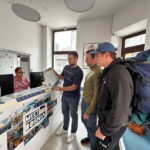
The tour brings you to Sarajevo City Hall, a reminder that Sarajevo didn’t freeze in time. The city’s architecture and institutions evolved, reflecting new political realities and civic priorities.
I like this stop because it helps you read the city as a timeline you can walk. If you’ve ever toured a historic place and felt like you were jumping around randomly, this section fixes that. It’s a gentle correction: old and new weren’t separate worlds. They were stitched together.
Kazandžiluk and the 500-year copper craft you can try
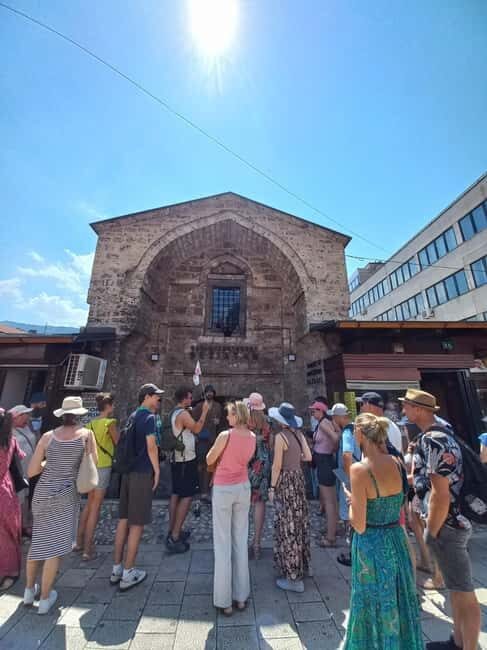
Here’s the hands-on portion. In the area known as Kazandžiluk, the guide talks about the 500-year-old copper crafting tradition—the art and skills behind the objects that have been made here for generations. Then you get to try it yourself.
What does that mean for you, practically? Instead of watching someone else work while you stand there, you get a brief, guided activity that turns “craft” into something you understand with your hands. It’s also a good break from constant walking and photo stops. Even if you’ve never made anything before, you’ll get the point: why copper, why the local technique, and why the craftsmanship became part of Sarajevo’s identity.
If you love souvenirs that feel meaningful rather than mass-produced, this is the part to lean into.
Baščaršija and the pulse of the market quarter
Then you reach Baščaršija, the Old Town market heart. This is where the streets start to feel like Sarajevo’s living room. The guide points out details that are easy to miss if you’re just passing through: the shape of the lanes, how the market layout supports movement, and how craft and commerce sit side by side.
Baščaršija is also a turning point in your energy level. After churches, bridges, mosques, and craft talk, the market area lets you shift from “learning” to “feeling.” You’ll catch that Sarajevo isn’t only about major events. It’s about daily life—food, small purchases, conversation, and seeing how people use space.
The café pause: Bosnian coffee and baklava break
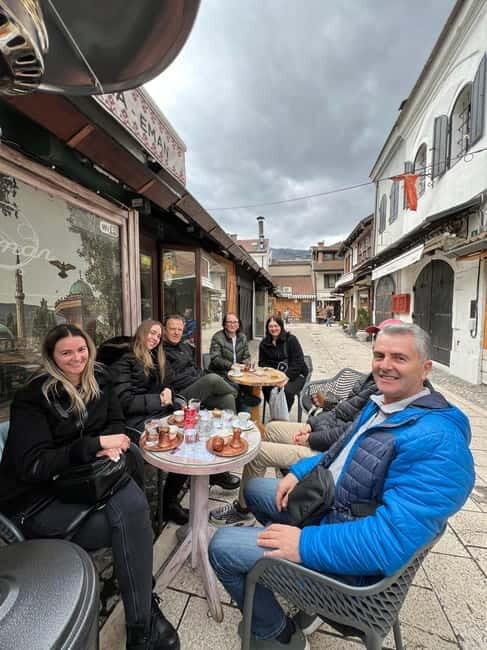
At a local café, you finally slow down. This break is built for taste, not just a sit-down. You’ll get Bosnian coffee, prepared in the authentic way that’s been part of local culture for centuries, and you’ll also enjoy traditional sweets—including baklava as part of the tasting.
Two practical tips for you during this stop:
- Take your time. Bosnian coffee is meant to be experienced, not gulped like a quick espresso.
- Use the quiet minutes to ask the guide food questions. When they know you’re curious, they tend to connect the coffee to local hospitality and everyday habits.
I like that the tour doesn’t just drop you at a café and disappear. It’s a structured break inside the broader walking story, so you leave the café with more than sugar and caffeine—you leave with context.
Sebilj and the iconic photo moment
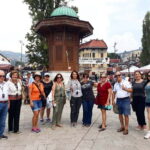
The tour finishes at Sebilj, and along the way you’ll stop for photos at Sebilj itself. This is the kind of landmark that people recognize immediately once they see it. It also makes sense as a closing point: it’s central, symbolic, and easy to use as a reference point for the rest of your day.
Why Sebilj works well as a finish: you end with something photogenic and memorable, not a random street corner. It’s a clean transition back into independent exploring.
The panoramic viewpoint: when Sarajevo finally opens up
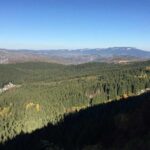
Just when you think you’ve covered the “points,” the guide takes you to a viewpoint for a panoramic look. You get about 15 minutes here, which is enough to get photos without turning it into a long scenic detour.
This view is valuable because Sarajevo’s beauty makes more sense from above. From street level, you see buildings and lanes. From the viewpoint, you see the city’s overall shape and how neighborhoods stack and spread through the terrain.
For best results, wear shoes you can trust and keep your phone charged. The light changes quickly, and you’ll want a few shots without sprinting to the best spot.
Price and time: does $20 feel like a good deal?
At about $20 per person for roughly 150 minutes to 3 hours, this is priced like a compact, high-value Old Town introduction. You’re not only getting a guided walk. You’re also getting:
- an English-speaking local expert
- guided photo stops across key landmarks
- a coffee and baklava/sweets break
- time at a panoramic viewpoint
- hands-on copper crafting
In other words, you’re paying for both narrative and small experiences. If you’re staying in the city for a short time and want the “what matters and why” version of Sarajevo, the value comes from structure. If you prefer wandering without any schedule, you might feel this is more guided than you need. But for many first-timers, the trade-off is worth it.
Who this tour suits best
This tour is a strong fit if you want:
- a guided walk that explains what you’re seeing, not just where it is
- a balance of architecture, religion, and culture
- hands-on craft time instead of only sightseeing
- a practical Old Town orientation before you branch out on your own
It’s especially appealing if you care about how Sarajevo’s communities lived together over time—and you want a guide who can answer follow-up questions. Reviews specifically highlight guides such as Dijana, Daniella, and Amela for friendliness and for answering questions across history, construction, culture, and local customs.
A quick heads-up on walking comfort
You’ll want comfortable shoes. The walking is moderate, but Old Town streets can be uneven and sloped. If you’re traveling with limited mobility, note that the tour is listed as wheelchair accessible, and a private group option is available if you want a calmer pace.
Should you book Sarajevo Old Town coffee, baklava, and copper?
If you’re in Sarajevo for a day (or you want to make the most of limited time), I think this is the kind of tour that pays off. You get the major sights in a logical loop, plus two big “experience” moments: coffee with sweets and hands-on copper craft, capped with a viewpoint that gives you the city’s bigger picture.
Skip it only if you already know Sarajevo well and you want total freedom, or if walking a few hours is a deal-breaker. For most people, this hits a sweet spot: informative without being stiff, cultural without being distant, and practical enough that you’ll know where to go next.
FAQ
Where is the meeting point?
The tour meets at the Eternal Flame monument (Vječna vatra).
What time does the tour start?
It runs every day at 10:00 am, unless you booked a private tour.
How long is the walking tour?
The duration is about 150 minutes (around 3 hours).
What is included in the price?
You get a guided walking tour, an English-speaking local-expert guide, Bosnian coffee, and the panoramic view experience.
Is there a coffee and sweets stop?
Yes. The itinerary includes a break for Bosnian coffee and traditional sweets (including baklava).
Do I need to buy tickets for sights?
The experience includes skip the ticket line.
What languages are available for the live guide?
The tour is offered in Croatian, English, Serbian, Serbo-Croatian, and Bosnian.
How much walking should I expect?
Expect a moderate amount of walking, and it’s best to wear comfortable shoes.
Does the tour include a viewpoint?
Yes. There’s a panoramic viewpoint photo stop with about 15 minutes set aside for views.
Can I cancel and get a refund?
Yes. You can cancel up to 24 hours in advance for a full refund, and there’s also an option to reserve now and pay later.
You Might Also Enjoy
More Coffee Experiences in Sarajevo
More Tour Reviews in Sarajevo
- Fall of Yugoslavia, Sarajevo War Tour with Tunnel of Hope Museum and Frontlines
★ 5.0 · 1,314 reviews