REVIEW · MOSTAR
Charming Mostar: Private Mostar Walking Tour
Book on Viator →Operated by Mostar Travel Agency · Bookable on Viator
Mostar’s stories fit a two-hour walk. This private tour threads UNESCO views of the Old Bridge with clear history of Bosnia and Herzegovina, plus round-trip hotel transfers.
I really like how the guides bring the past to the street level. In particular, guides such as Adi, Sanja, Amel, Esmer, and Harun are praised for strong English and for explaining both the periods before and after the 1990s conflict, with time for questions.
One drawback: food and drinks are not included. If you want to turn the coffee stop into a longer snack break, you’ll need to pay out of pocket and it can affect timing.
In This Review
- Key highlights worth showing up for
- Why a private Mostar walking tour works (especially in 2 hours)
- Old Bridge area: stećak tombstones, the story behind the arch, and UNESCO views
- Kujundziluk bazaar: the old market street, European Jerusalem, and the water-jump tradition
- Bosanska kafa near the Old Bridge: how the coffee ritual becomes part of the city
- Guides who handle both facts and feelings (and why that matters in Mostar)
- Logistics that affect your comfort: pickup, walk time, and what to wear
- Price and value check: what $47.29 per person is really buying
- Who should book this Mostar tour (and who might skip it)
- Should you book Charming Mostar: Private Mostar Walking Tour?
- FAQ
- How long is the Mostar walking tour?
- Is hotel pickup and drop-off included?
- What’s included in the price?
- Are food and drinks included?
- What language is the tour offered in?
- Is this tour private?
- Is there a mobile ticket?
- Is admission included for the stops?
- What is the weather requirement?
- What is the cancellation policy?
Key highlights worth showing up for
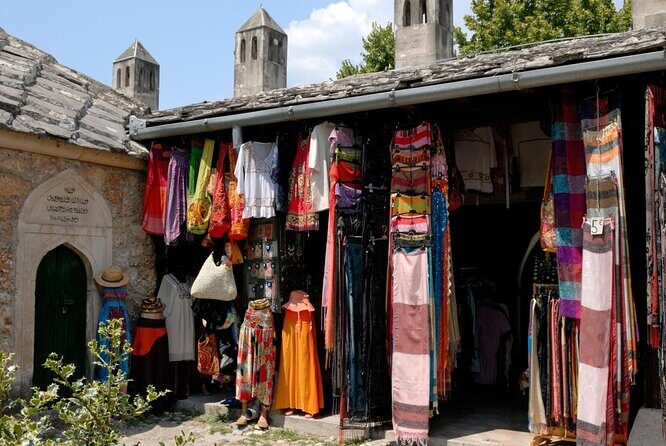
- Old Bridge area focus with UNESCO-level views and context that actually connects the dots
- Kujundziluk bazaar walking on the old market street linked to the Old Bridge
- The Stari Most water-jump tradition explained as a practice with deep roots
- Bosanska kafa coffee ritual taught as a social process, not just caffeine
- Private pace and Q&A so you can ask follow-ups instead of watching a guide talk over everyone
Why a private Mostar walking tour works (especially in 2 hours)
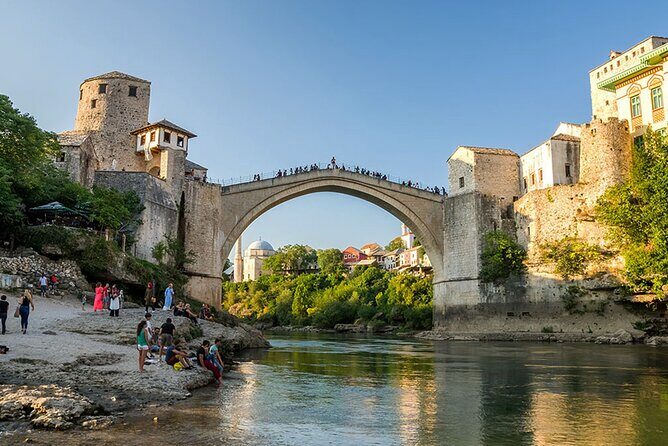
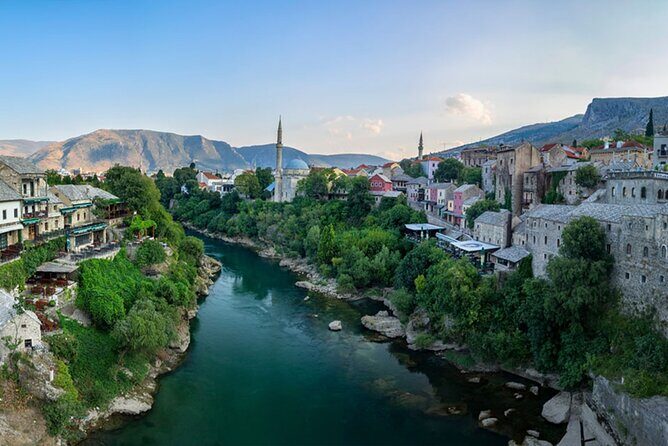
Mostar can feel like a postcard at first glance: stone, river light, and that famous arch. But if you only do it on your own, you miss why the place looks the way it does and how the city got that way. This private format helps because you can move at a comfortable pace and ask for clarification right when something catches your eye.
The schedule is also friendly. The tour runs about 2 hours, which is long enough to cover the top hits without dragging you into an all-day commitment. And because hotel pickup and drop-off are included from Mostar, you lose less time figuring out where to meet and more time enjoying the streets.
The other practical win: you’re not stuck with a big herd. Only your group participates, which makes the walk feel more like a conversation with a local than a scripted slideshow.
You can also read our reviews of more walking tours in Mostar
Old Bridge area: stećak tombstones, the story behind the arch, and UNESCO views
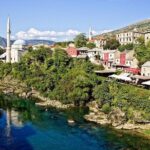
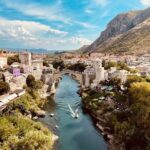
The tour starts in the Old Bridge area of the Old City, and that choice matters. This is the part of Mostar where landmarks cluster, so your guide can build history step by step instead of dropping facts in random order.
Expect an orientation to Mostar and Bosnia and Herzegovina that connects older layers to the later, more painful chapters. One detail built into the tour’s approach is the reference point of stećak—medieval tombstones—so you understand that this region’s story doesn’t begin in the 20th century. From there, the focus naturally lands on the Old Bridge area because it’s the visual anchor for the whole city.
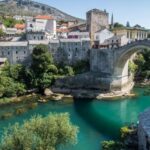
You’ll also get what the Old Bridge does best: a real sense of scale. Even if you’ve seen photos, standing near the structure forces your brain to process the engineering and the importance. The guide’s job is to keep that moment from staying shallow. You should walk away knowing why people care about the bridge, not just that it looks impressive.
A small consideration: this section is history-heavy. If you prefer pure wandering with minimal background, you might find the first stop slightly more structured than expected. The upside is that the explanation is aimed at helping you enjoy the city afterward, not just survive the tour.
Kujundziluk bazaar: the old market street, European Jerusalem, and the water-jump tradition
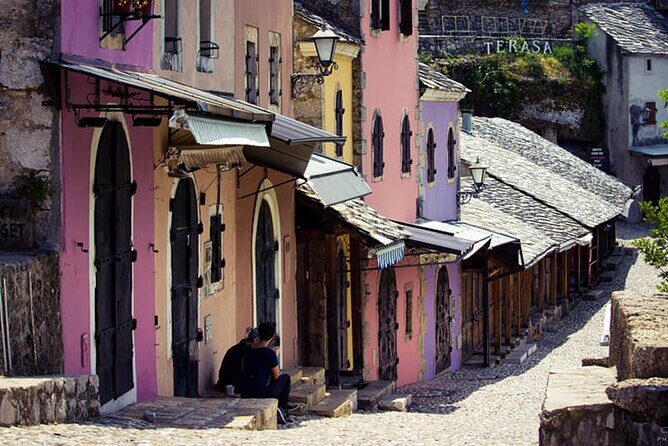
Stop two is Bazar Kujundziluk, the old bazaar area—often described as the oldest part of Mostar. This is where the tour shifts from monument storytelling to everyday city texture: street geometry, traditional shopfront rhythm, and the way the market shapes the walk.
What I like here is the tour’s emphasis on diversity as a city feature, not a side note. The route is framed around the idea that strength lies in how different communities share space. You’ll learn why Mostar is often compared to European Jerusalem, and the guide points out how, within a compact area, you can find multiple houses of worship—mosques, Orthodox churches, synagogues, and a Catholic church.
That’s the big “aha” for many first-timers: Mostar isn’t only one story. It’s many stories layered on top of each other in the same streets.
Then comes a highlight that’s very Mostar: the Stari Most water-jump tradition. You’ll hear how it dates back more than 450 years and why it became the city’s test of courage. The best part of this kind of explanation is that it turns the spectacle into something cultural. Instead of thinking it’s just a performance for visitors, you understand it as tradition.
Timing note: this stop runs about 40 minutes. It’s long enough to enjoy the street without turning it into a shopping marathon. You should come prepared to look—this is a walk where you’ll notice details if you slow down.
Possible drawback: if you want lots of free time to browse, this stop is structured. The guide keeps the arc moving, so you’ll likely have to pick one or two things to stop for rather than planning a wide shopping detour.
Bosanska kafa near the Old Bridge: how the coffee ritual becomes part of the city
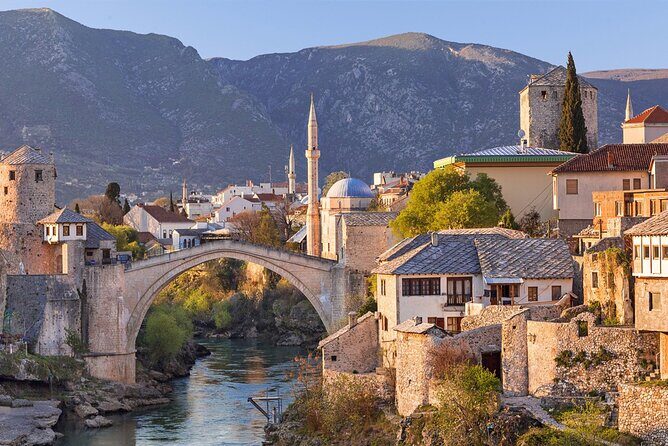
Stop three brings you back to the Old Bridge area for traditional Bosnian coffee. This part is short but meaningful, and it’s one of those experiences that’s easy to undervalue until you actually see how it works.
You’ll learn the traditional techniques for making and drinking bosanska kafa—the unfiltered coffee—and you’ll hear why it’s treated as a social ritual with a specific procedure. The key idea is that coffee here isn’t just something you consume while walking. It’s an event, a pause, and a way people talk and connect.
One reason this stop fits the tour well: it gives your brain a break from history. After two stops packed with context (including the 1990s conflict story), you get a calmer moment where the city feels human again.
This stop is also a gentle way to sample local life without committing to a full meal. The only catch is that food and drinks are not included, and the tour lists this coffee introduction as part of the program. So if you want to add pastry, a bigger drink order, or linger for a longer sit-down, budget for it.
Guides who handle both facts and feelings (and why that matters in Mostar)
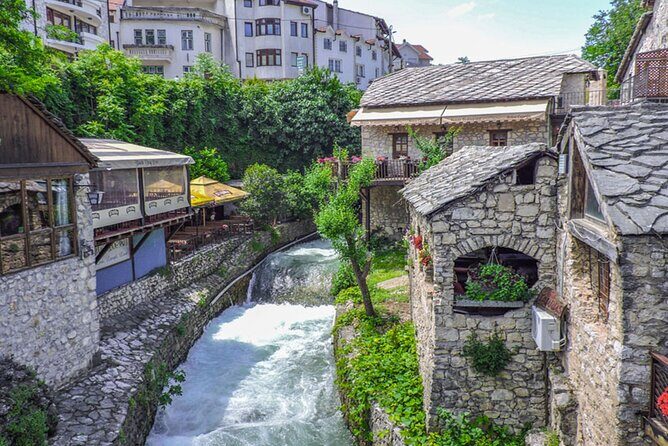
Mostar’s history is not tidy. It includes long eras before the 1990s conflict and the reality of what came after. The guides on this tour are specifically praised for explaining the lead-up to the 1990s conflict and the changes since, with room for questions.
That approach is valuable for you because it helps you read what you see. Architecture, memorials, and even the way streets are arranged can carry meaning. If a guide only talks about the bridge and skips the harder chapters, you end up with a pretty view that doesn’t fully make sense. With this tour, you’re more likely to connect today’s scenes with the past that shaped them.
What also stands out: the guides are described as personable and open, and the private format makes it easier to ask follow-ups. If you have a question about a monument, a community detail, or a timeline, you shouldn’t feel like you’re interrupting a schedule. The tour is set up for conversation.
If you’re someone who likes cultural history but hates lectures, you should still be okay. The structure of the route—bridge area, bazaar street, then coffee—naturally keeps the story attached to real places you can see.
You can also read our reviews of more private tours in Mostar



Logistics that affect your comfort: pickup, walk time, and what to wear
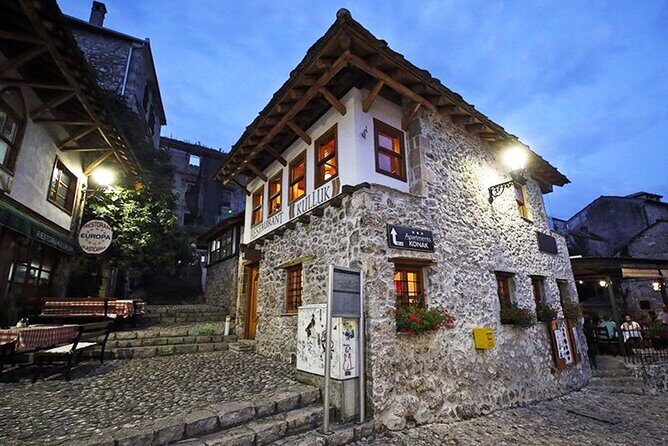
This tour runs about 2 hours, and it’s a walking experience. That means comfort choices matter even if the pace feels leisurely.
Because hotel pickup and drop-off are included, you won’t need to wrestle with buses or locate a formal meeting point on arrival. If your accommodation isn’t on the standard pickup list, you’re asked to send your address in Mostar so the organizer can arrange pickup.
The tour also uses a mobile ticket. That’s a simple win: you’re less likely to forget paper reservations.
What to wear:
- Comfortable walking shoes, because you’ll be on uneven street surfaces in the old-city areas
- Weather-friendly layers, since Mostar walking plans depend on conditions
- Sun protection in warmer months, since the walk includes outdoor segments
Because the experience is described as requiring good weather, you should plan to be flexible. If weather conditions force a change, it’s better to think of the tour as something you can reschedule rather than something you must do at one exact moment.
Price and value check: what $47.29 per person is really buying
At $47.29 per person, the headline price sounds simple. The value comes from what’s included and what that means for your time.
You’re paying for:
- A local guide (professional guide)
- Hotel pickup and drop-off (round-trip)
- A private format where only your group participates
- Access to key areas through a structured route that covers Old Bridge views, Kujundziluk bazaar, and bosanska kafa
Also, admission for the listed segments is shown as free, which suggests you’re not paying extra ticket costs just to walk through the city highlights. Since food and drinks aren’t included, your main extra expense is optional: whatever you choose to buy at the coffee stop or nearby.
So the real question is: do you want the shortcuts that a good guide provides? If you’d otherwise spend your first visit piecing together history on your own, you’re likely to feel this price was worth it—especially in a compact 2-hour window.
If you’d rather do everything independently and you already know Mostar’s history well, then the price might feel like overhead. But for first-time visitors, a guide-led route is often the fastest way to turn photos into understanding.
Who should book this Mostar tour (and who might skip it)
This tour is a strong match if you:
- Are visiting Mostar for the first time and want the top sights without wasting time
- Like history that includes both pre- and post-conflict context, not just safe postcard facts
- Prefer a private experience with real Q&A
- Want a cultural stop that includes coffee as a ritual, not only a photo
You might skip it if you:
- Don’t enjoy structured explanations and prefer free roaming with minimal schedule
- Expect the tour to include meals and a long sit-down
- Need a lot of shopping time during the bazaar segment
Should you book Charming Mostar: Private Mostar Walking Tour?
I’d book this if you want a tight, guided first taste of Mostar that connects the Old Bridge, the Kujundziluk bazaar, and the coffee ritual into one understandable story. The value is strongest because you get hotel pickup, a private format, and guides who are praised for handling the city’s harder history with clarity.
If your plan includes just one guided experience in Mostar, this is a very sensible choice. It respects your time, focuses on the places you’ll actually remember, and gives you context you can carry into the rest of your day.
If you care about history and daily culture, you’re in the right place.
FAQ
How long is the Mostar walking tour?
The tour is about 2 hours.
Is hotel pickup and drop-off included?
Yes, round-trip hotel transfers from Mostar are included.
What’s included in the price?
You get a local/professional guide, and hotel pickup and drop-off.
Are food and drinks included?
No. Food and drinks are not included.
What language is the tour offered in?
The tour is offered in English.
Is this tour private?
Yes. It’s private, and only your group will participate.
Is there a mobile ticket?
Yes, a mobile ticket is offered.
Is admission included for the stops?
The stops listed show admission ticket free.
What is the weather requirement?
The experience requires good weather. If it’s canceled due to poor weather, you’ll be offered a different date or a full refund.
What is the cancellation policy?
Free cancellation is offered up to 24 hours in advance for a full refund.