REVIEW · MOSTAR
Mostar Shelters tour in Mostar
Book on Viator →Operated by iHouse Travel · Bookable on Viator
Bullet holes explain what words can’t. Mostar Shelters is a half-walking, half-driving tour focused on the war in Bosnia and Herzegovina, including Mostar’s frontline scars and an English guide who doesn’t dodge hard questions.
I especially like the hotel pickup option for selected hotels, because it saves you the hassle of figuring out transport. And the guides (Miran and Dario are named in the experience) bring the material down to a level you can actually follow, with photos and real examples instead of vague generalities.
The only real drawback is that this is about war—there are bullet-riddled buildings and burnt houses—so you’ll want to be emotionally ready for a grim topic while you’re out walking and driving.
In This Review
- Key things to know before you go
- Why Mostar Shelters hits harder than the bridge photos
- Timing and logistics: a 5:00 pm tour with pickup and parking-free convenience
- How the tour moves: half driving, half walking (and why that’s smart)
- The heart of Mostar Shelters: artillery, trenches, and an urban frontline
- Guides Miran and Dario: what makes the storytelling work
- The viewpoint with the cross: why that stop changes how you see the city
- What’s included (and what you’ll need to plan yourself)
- Price and value: is $41.20 worth it?
- Who should book this Mostar Shelters tour?
- Should you book Mostar Shelters in Mostar?
- FAQ
- What time does the Mostar Shelters tour start?
- Where is the meeting point for the tour?
- How long does the tour last?
- Is the tour offered in English?
- Is hotel pickup included?
- What does the tour price include?
- Is food and drinks provided?
- What group size should I expect?
- Can I cancel and get a full refund?
Key things to know before you go
- Small group (up to 16 people) keeps the tour from feeling rushed
- Hotel pickup included (selected hotels) makes the start easy
- Half driving, half short walks helps you cover a lot without constant walking
- Siege locations like artillery positions, trench lines, and urban frontline areas
- Q&A encouraged and explained with supporting visuals and personal context
- A viewpoint stop on a mountain with the cross, with city views from a different angle
Why Mostar Shelters hits harder than the bridge photos
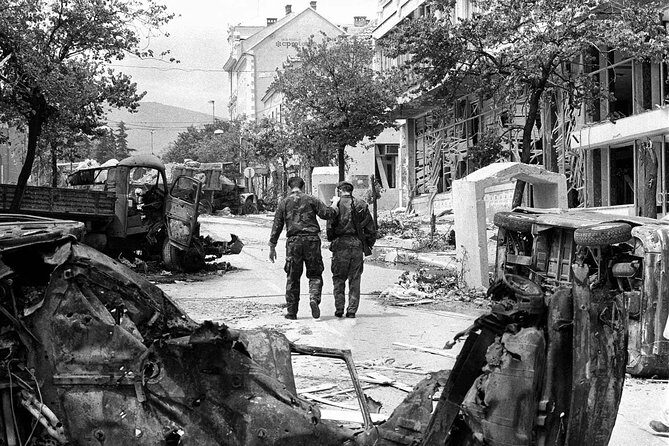
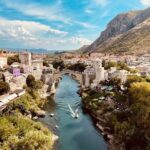
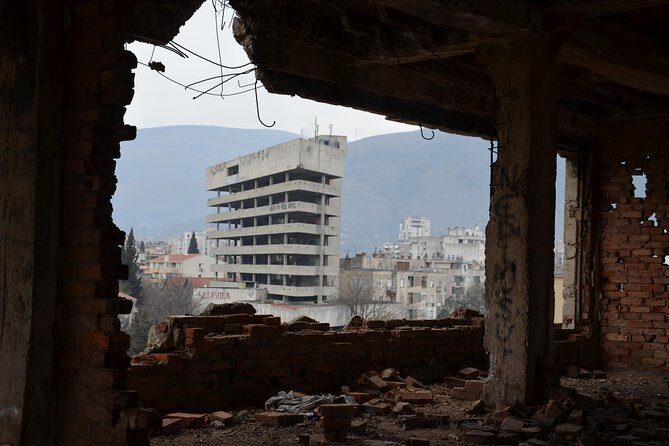
Mostar has that famous Old Bridge view. It’s postcard-perfect. But once you notice the damage—bullet holes in buildings, burned structures in the center—you start wondering how close the fighting really was.
That’s exactly where Mostar Shelters earns its keep. This tour is built around the war’s physical imprint on the city. You won’t just hear dates. You’ll learn how the conflict shaped streets, neighborhoods, and daily life during the siege—then what happened afterward. It’s grim, yes. But it’s also practical knowledge. It helps you read Mostar like a city that remembers.
I like the way the tour frames the topic: it answers the questions that pop up when you see destruction. Nothing feels brushed aside. In the same tour day, you’ll also get context for why those shelters and frontline areas existed in the first place—and why Mostar’s story is so specific.
The result is a different Mostar. Not the one that sells souvenirs by the river. The one with a pulse you can feel, because the city still carries the evidence.
You can also read our reviews of more tours and experiences in Mostar.

Timing and logistics: a 5:00 pm tour with pickup and parking-free convenience
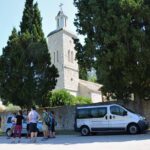
The tour starts at 5:00 pm and meets at Onešćukova 32, Mostar. If your hotel is in the pickup area, you’ll be collected by van and brought into the tour route. If not, you’ll go directly to the meeting point.
Why the start time matters: evening light can make the city look gentler, but the subject remains heavy. That mix can feel strange—in a good way—because it forces you to process the contrast: everyday evenings, set against the memory of violence.
The tour runs about 2 hours, and based on how the experience is described, you can expect it to stretch to around 2–3 hours depending on the flow and what your guide spends extra time on. You’ll be moving constantly enough to see a lot, but not so constantly that you’re exhausted before it even ends.
Group size is capped at 16, so you get a real chance to ask questions and follow the story. Also, this is an English-offered tour with live commentary on board, so you don’t just ride in silence.
One more small practical note: the meeting point is described as near public transportation. If you’re flexible with your schedule, that can make the day easier.
How the tour moves: half driving, half walking (and why that’s smart)
Mostar Shelters is half walking, half driving. You’re not trekking for hours, but you also won’t spend the entire evening stuck in a vehicle.
Driving does two things well here:
- It lets the guide cover multiple key frontline sites without losing time.
- It reduces the amount of walking on uneven city surfaces—helpful when you’re dealing with an emotionally intense topic.
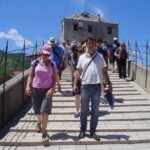
Walking segments are short, and they’re usually where it makes sense to stop and look. That’s important, because seeing the surroundings from street level is a different experience than seeing them from a bus window.
What I recommend: wear comfortable shoes and plan for some uneven ground. You don’t need hiking boots, but you do need stable footing. Even a short walk can feel longer when you’re standing still, looking up at buildings, and absorbing what you’re being told.
And keep your expectations realistic. This is not sightseeing in the fun, light sense. It’s structured touring where the pauses matter.
The heart of Mostar Shelters: artillery, trenches, and an urban frontline
The tour route focuses on prominent war locations in Mostar, including:
- artillery positions
- trench lines
- the urban frontline
- and other related sights tied to the siege story
This is where the tour becomes more than a history lecture. Once you’re at a frontline site, the guide can explain what you’re seeing: why certain positions mattered, how the conflict played out in streets versus open areas, and how people lived under those conditions.
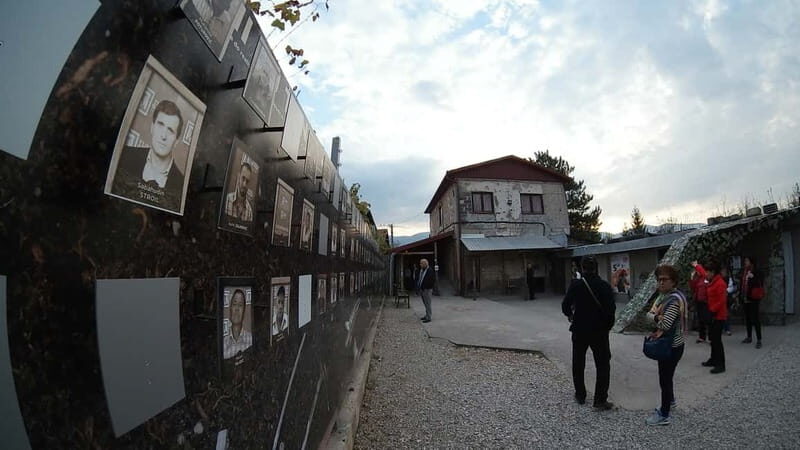
A big value point here is that the guide explains what you’re noticing in the city center. You’ll look at bullet-riddled buildings and burnt houses and get answers to the natural questions—how close was it, who lived where, and what came after.
That’s also why the tour is built as a route rather than one single stop. The war didn’t unfold at one address. It moved through space, through sight lines, through neighborhoods. So your understanding has to move too.
If you’re the type who likes to connect the dots while you travel, you’ll enjoy this format. If you prefer only broad strokes, you might find it intense. The guide does try to keep it clear and accessible, but the subject stays real.
Guides Miran and Dario: what makes the storytelling work
One reason this tour gets high praise is how the guide handles tough material. Names that show up prominently include Miran and Dario, and both are described as giving detailed explanations while encouraging questions.
The big difference is how the tour teaches. It’s not only spoken history. You also get supporting visuals—described as photos and real footage—used to make the story easier to grasp.
And crucially, the guide’s style is interactive. You’re not trapped in a one-way lecture. Questions are welcomed, and topics aren’t avoided. That matters because war history is full of confusion: timelines, shifting control, and why certain structures were targeted. When you can ask on the spot, the experience sticks.
You’ll also notice that the guides bring personal context into the explanations. That can feel emotional, because it’s not abstract. But it’s also helpful. It turns the tour from a list of locations into a human explanation of what it meant to live through the siege.

The viewpoint with the cross: why that stop changes how you see the city
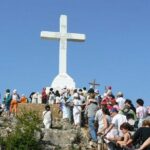
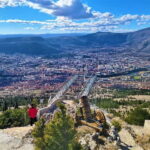
One tour highlight mentioned is a stop at the top of the mountain with a cross, where you get a view over Mostar from a different angle.
Even if you don’t care much about viewpoints, this kind of stop is useful on a war-themed tour. From above, you can start understanding how fighting in an urban area connects to terrain. Sight lines, movement, and where people sheltered all make more sense once you see the city’s layout in one sweep.
It also gives you a necessary pause. After looking at the physical damage, a broad view can help your brain reset—without changing the topic. You’re still in the same story, just seeing it spatially rather than only emotionally.
If you’re planning your day, treat this as a moment to slow down and let the guide’s earlier explanations land.
What’s included (and what you’ll need to plan yourself)
Included in the tour:
- Professional guide
- Hotel pickup (selected hotels)
- Live commentary on board
Not included:
- Food and drinks
That last part matters because you’ll be out for roughly 2–3 hours during early evening. If you’re doing this after a long day walking around, it’s wise to have a snack or plan where you’ll eat afterward.
Also, bring a bit of mental preparation. Since the tour deals with war damage and the siege, you may find you want water on hand even if you don’t feel like you need it. The tour itself doesn’t list provisions, so treat it as a no-food-needed-and-no-purchasing-guaranteed kind of evening.
Price and value: is $41.20 worth it?
At $41.20 per person, this tour sits in the category of experiences that can feel like a bargain—especially if you compare it to the cost of multiple private transfers or the time you’d lose figuring out where to go.
Here’s why the value makes sense:
- You get hotel pickup when available.
- You get a professional guide with live commentary.
- The tour covers several types of frontline sites—artillery, trenches, urban areas—not just one viewpoint.
- The English delivery is part of the package, not an extra-cost add-on.
The group size cap (16) also helps keep the experience personal without turning it into an ultra-expensive private tour.
The only “cost” to consider isn’t money. It’s emotional energy. If you’re tired or hoping for light sightseeing, you might feel the price is paid in something else—heaviness.
But if you want to understand Mostar properly, this is the kind of tour where the price buys clarity.
Who should book this Mostar Shelters tour?
This tour fits best if you:
- want more than bridge photos
- have questions about what you’re seeing in Mostar’s center
- like a guided route that connects locations to explanations
- prefer an English-led experience with strong Q&A
It may be less suitable if you:
- don’t want to spend an evening on war-related topics
- have limited stamina for short walking segments
- need a relaxed, low-emotion sightseeing day
Children must be accompanied by an adult, so families should decide based on the child’s maturity level and comfort with the topic.
On the flip side, the tour is described as open to most travelers, and the schedule repeats multiple times throughout the day, which can make fitting it into your trip easier.
Should you book Mostar Shelters in Mostar?
I think you should book Mostar Shelters if you want to understand Mostar as a lived place, not just a scenic spot. The hotel pickup, small group size, and focused war-site route make it feel efficient. The strongest reason to go is the way the guide explains the hard parts with supporting visuals and time for questions—so the city doesn’t stay confusing.
Skip it only if you’re aiming for a lighter evening or you know war content will overwhelm you right now. Otherwise, this is one of the clearest ways to make sense of why Mostar looks the way it does.
If your goal is an authentic Mostar story—one you can carry after the bridge fades from memory—this tour earns its place.
FAQ
What time does the Mostar Shelters tour start?
The tour starts at 5:00 pm.
Where is the meeting point for the tour?
The meeting point is Onešćukova 32, Mostar 88000, Bosnia and Herzegovina.
How long does the tour last?
It lasts about 2 hours (approximately).
Is the tour offered in English?
Yes, the tour is offered in English.
Is hotel pickup included?
Hotel pickup is included for selected hotels.
What does the tour price include?
It includes a professional guide, hotel pickup (selected hotels), and live commentary on board.
Is food and drinks provided?
No, food and drinks are not included.
What group size should I expect?
The tour has a maximum of 16 travelers.
Can I cancel and get a full refund?
You can cancel for free up to 24 hours in advance for a full refund.