REVIEW · MOSTAR
Mostar: Wine Tasting
Book on GetYourGuide →Operated by Stari Most Travel Mostar · Bookable on GetYourGuide
Mostar wine is made for people who like stories as much as sips. In this one-hour class at VIA VINO, you get a small-group tasting focused on three local grapes. You’ll also learn how Herzegovina wine fits into the region’s longer past, from Roman-era roots to today’s growing reputation.
I especially like the setup: three tastings in just an hour means you can learn fast and still keep your day moving. I also like the guide’s emphasis on how to taste using your senses, not just whether something tastes good. One thing to think about: the tasting is designed as education with small pours, so if you’re chasing full glasses, you may want to plan an extra stop.
Key points at a glance
- Three autochthonous wines: Žilavka, Blatina, and Trnjak, tasted back-to-back.
- A senses-led tasting method so you can describe aromas and flavors (not guess).
- Local context from your host on how Herzegovina wine culture developed and changed over time.
- Cheese and olives are included to make the tasting more practical, not just theoretical.
- Small group size (up to 10) for a more relaxed, question-friendly pace.
- You can buy bottles at VIA VINO and take them home or ship them.
In This Review
- Where VIA Vino Fits into a Mostar Day
- Your Tasting Lineup: Žilavka, Blatina, and Trnjak
- How the Host Teaches You to Taste (Using More Than Your Tongue)
- Cheese and Olives: Why the Pairing Helps
- The Past Behind the Pour: From Roman Roots to a Modern Resurgence
- Price and Value: $17 for Three Wines Plus the Lesson
- What I Think This Is Best For
- Buying Wine After: Take It Home or Ship It
- Should You Book the Mostar Wine Tasting at VIA Vino?
- FAQ
- Where is the meeting point for the wine class?
- How long is the Mostar wine tasting?
- How many wines are included in the tasting?
- Is transportation like hotel pickup included?
- Is there a limit on group size?
- Is the activity suitable for children?
Where VIA Vino Fits into a Mostar Day
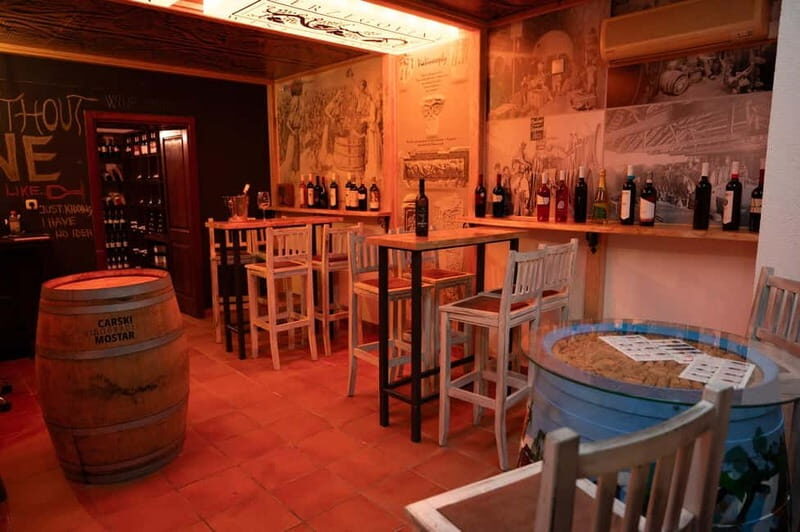
Mostar is compact enough that you can fit a lot in without rushing. This class keeps it simple: one hour, small group (limited to 10), and an English host. No hotel pickup is included, so you’ll want to plan to reach the meeting spot on your own.
Your meeting point is right there in front: look for the VIA VINO sign. That matters more than it sounds. In a place like Mostar, it’s easy to burn time hunting for a doorway or guessing which side street a venue hides on. Starting on time helps you actually enjoy the experience, not just endure it.
The mood is also part of the value. This isn’t a stiff, formal sit-down with rules about how to hold a glass. The description points to an informal, fun format. Translation: you’ll feel comfortable asking basic questions about what you’re tasting and why it matters.
Also, heads up on the practical side: the host or greeter is English, and the activity is not suitable for children under 18. If you’re traveling with mixed ages, this will be an easy “adults only” call.
Your Tasting Lineup: Žilavka, Blatina, and Trnjak
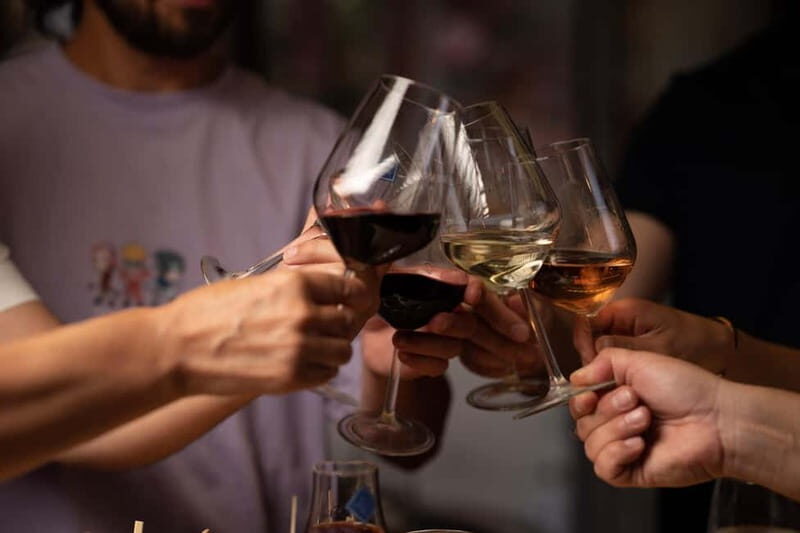
The heart of this class is the wine itself, and the lineup is the kind of thing you’ll remember later when you’re browsing a shop. You taste three Herzegovinian wines made from local varieties:
- Žilavka
- Blatina
- Trnjak
Why this matters: these are autochthonous grapes, meaning they’re tied to the place, not just imported like a trend. When a tasting focuses on local varieties, you’re tasting what people in the region actually grow and talk about.
The guide also explains a hierarchy of Herzegovina wines. That’s a fancy way of saying you’ll learn what names and terms show up when locals talk about quality or tradition. They’ll also give advice on which bottle names to look for when you buy wine later.
This is where the class can be more useful than a typical tasting room. A lot of tastings teach you the basics of drinking. This one aims to teach you what to shop for next time, so you don’t leave with only vague memories like that was nice.
You can also read our reviews of more food & drink experiences in Mostar
How the Host Teaches You to Taste (Using More Than Your Tongue)
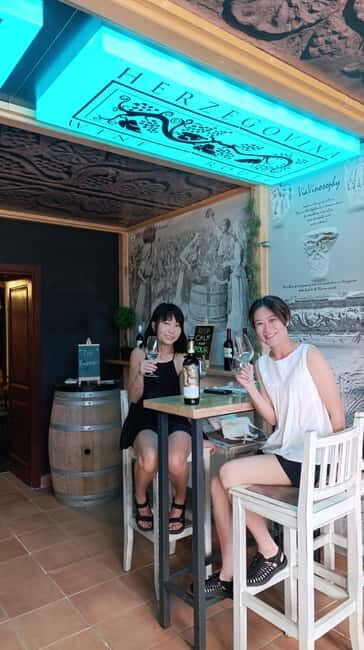
A good wine class doesn’t just pour and move on. The best ones teach you a repeatable process. Here, you’re guided through characteristics of each wine using all the senses.
You’ll get instruction on:
- how to use your senses to appreciate taste fully
- how aroma and flavor connect
- what to look for while tasting each variety
- what each wine’s qualities are, beyond simple preference
This matters because wine tasting is easy to turn into a guessing game. When you learn a method, you stop saying things like I like it or I don’t. You start noticing things you can name: how it smells, how the flavors develop, and what changes as you taste each wine.
The description also mentions learning what gives these wines a “rich taste” and why they were called Imperial wines throughout history. Even if those phrases are a bit dramatic, the takeaway is practical: you’ll hear the historical-cultural reasoning behind how locals describe strength, character, and tradition in their wine.
One more useful note: the class is short—one hour—so the guide’s approach has to be clear and efficient. That’s good for you. You get instruction without turning it into a half-day course you’ll forget after lunch.
Cheese and Olives: Why the Pairing Helps
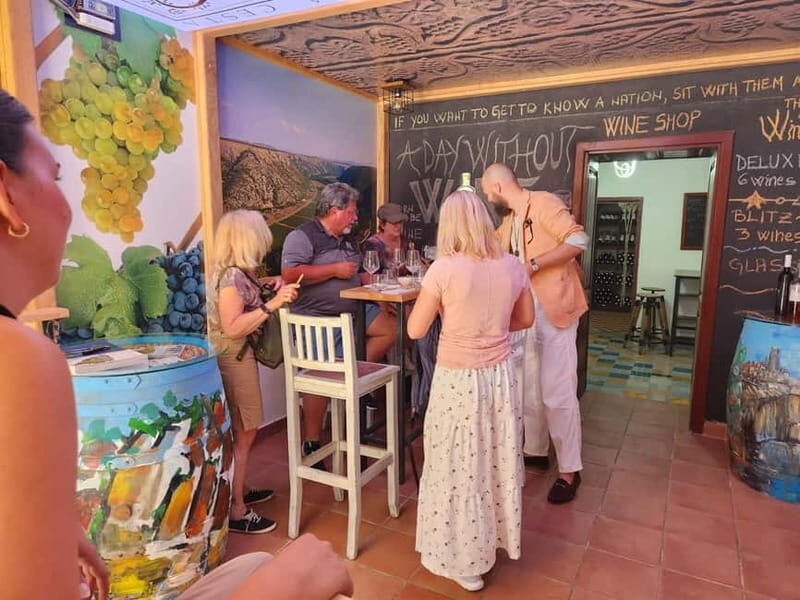
You get cheese and olives with the tastings. That’s a small detail, but it changes the whole feel of the hour. Food gives your palate something to reset against. It can also make the tasting more approachable if you’re not a wine expert.
Also, pairing food and wine is how you’ll actually experience wine later, at a table with friends, not standing over a counter. Even if you only remember one thing from the class, it’s often the pairing idea: this salty, savory bite can make certain flavors feel sharper or smoother.
For practical travelers, it’s also just convenient. You won’t leave the class feeling like you need to immediately hunt for a snack before your next plan.
The Past Behind the Pour: From Roman Roots to a Modern Resurgence
The story you’ll hear isn’t only about vines. It’s about place. Wine has cultural roots in Bosnia and Herzegovina dating back to Roman times, and the guide ties that into local tradition.
You’ll also learn that Bosnian wine is seeing a resurgence. That’s not just marketing language here. It’s part of the explanation for why people are paying more attention to these regional varieties now, and why Herzegovina wines keep showing up with interest from outside the region.
This matters for how you interpret your tasting. If you know the wine isn’t just a product but something communities have held onto for a very long time, tasting feels different. You’re not just comparing flavors. You’re tasting a living tradition.
And the class keeps that connection front and center. The description frames it as tasting what the country has been producing and consuming for most of its history. Even if you don’t catch every historical detail, the point is clear: you’re tasting something with roots, not something invented yesterday.
Price and Value: $17 for Three Wines Plus the Lesson
At $17 per person for a one-hour experience, the value depends on what you want most.
If your goal is to understand Herzegovina wine—how to recognize names, how to taste beyond first impressions, and what to buy afterward—this price looks fair. You’re getting:
- guided tasting
- three wines
- cheese and olives
- local history and culture from the host
If your goal is to drink a lot, you may feel shorted on volume. One balanced caution from real-world feedback is that the wine pours can feel limited if you’re expecting full glasses like you’d get at a regular bar. The counterpoint is important: you’re paying for knowledge and a structured tasting, not just quantity.
Here’s how I’d frame it for your decision: treat this as an investment in your wine literacy. After this, you’ll likely be more confident when you order or shop for bottles in Bosnia and Herzegovina. That can save you money later by helping you choose better the first time.
You can also read our reviews of more wine tours in Mostar
What I Think This Is Best For
This class is a great fit if:
- you like learning while you travel
- you want a short, well-structured activity that doesn’t eat half your day
- you’re interested in local grapes and regional wine culture
- you want English guidance in a small group
It’s also a good option for first-time wine drinkers. You don’t need to know anything about tannins or tasting charts. The guide teaches you a method and uses the wines and food to keep it understandable.
Where it may not fit as well:
- If your main goal is heavy drinking with lots of volume, you’ll likely want to add a second plan for after the class.
- If you’re traveling with kids, the activity isn’t suitable for those under 18.
Buying Wine After: Take It Home or Ship It
One practical perk: at VIA VINO, you can purchase wine by the bottle. You can take it home with you or have it shipped.
This is exactly what makes a tasting class useful. You’re not just leaving with a memory of what you liked. You can buy a bottle based on something you learned in the hour—like the grape names or the advice on what to look for in the region.
If you’re the type who likes to bring back edible souvenirs, this is a better choice than something fragile or hard to transport. Just plan your luggage space, or consider shipping if that’s easier for you.
Should You Book the Mostar Wine Tasting at VIA Vino?
If you want a short, friendly introduction to Herzegovina wine—with Žilavka, Blatina, and Trnjak plus a real teaching approach—then yes, book it. The small group size and the guide-led method make it feel like a conversation, not a vending-machine tasting.
I’d especially recommend it if you’re the type who enjoys understanding what you’re eating and drinking. The class gives you names to remember, a sense of what locals value, and a tasting process you can use later.
Just go in with the right expectation. It’s not a long wine binge. It’s an hour that teaches you how to taste and what bottles to chase next. If you want both education and plenty of wine, you can do this class early, then plan an easy second stop afterward for full glasses at your own pace.
FAQ
Where is the meeting point for the wine class?
You’ll need to look for the VIA VINO sign in front to find the meeting point.
How long is the Mostar wine tasting?
The experience lasts 1 hour.
How many wines are included in the tasting?
You’ll taste 3 different wines from the Herzegovina region: Žilavka, Blatina, and Trnjak. Cheese and olives are included too.
Is transportation like hotel pickup included?
No. Hotel pickup is not included.
Is there a limit on group size?
Yes. It’s a small group limited to 10 participants.
Is the activity suitable for children?
No. It’s not suitable for children under 18 years.