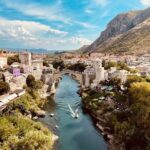
REVIEW · MOSTAR
Dubrovnik: Private Day-Trip to Mostar – Bosnia & Herzegovina
Book on GetYourGuide →Operated by DORIA doo · Bookable on GetYourGuide
Sun on the Adriatic starts the story, and you see it while cruising Dubrovnik’s coast with a driver-guide. I love how the Mostar Old Bridge visit comes with context, not just pictures, and I also like the calm, cobbled feel of Počitelj. The main drawback: it’s a long 10-hour day, and in summer the return can run later because of border and traffic.
This is a private group, so the guide can answer your questions and adjust the pace as the day allows. You’ll also get a focused stop at the Buna River Spring area, with time to look around and take photos before you head into Mostar for an orientation walk and free time to eat or wander.
In This Review
- Key takeaways before you go
- A Dubrovnik-to-Mostar day trip that feels like two countries in one day
- The coast drive from Dubrovnik: the views and the real border time
- Počitelj cobblestones and stone watchtowers: why this stop matters
- Buna River Spring and the Dervish House area near Blagaj
- Mostar Old Bridge orientation: get the story before you cross
- Free time in Mostar: how to use it without burning your day
- Price and value: what $329 really buys you for 10 hours
- Logistics that can make or break the day
- Who this tour fits best (and who should skip it)
- Should you book this private day trip to Mostar from Dubrovnik?
- FAQ
- How long is the Dubrovnik to Mostar private day trip?
- What does the tour include?
- Is the Dervish’s House entrance included?
- What should I bring?
- What currency is used for purchases in Mostar?
- Is this tour suitable for mobility impairments or pregnancy?
Key takeaways before you go
- Scenic coast-to-border drive: expect sea views and a relaxed start, with about 1.5 hours before you reach Bosnia at the border.
- Počitelj at human pace: a well-preserved town where cobbles, stone towers, and Mediterranean details feel easy to explore.
- Buna River Spring photos, then real atmosphere: the limestone setting and spring waters make a strong visual story.
- Mostar explained, then tasted: you cross the Old Bridge with your guide’s background, then you’re free to enjoy Mostar your way.
- You control the lunch plan: choose Turkish-style black coffee by the Neretva or a Bosnian meal at your own expense.
- Extra cost to know: Dervish’s House has an entrance fee (5 EUR per adult) not included.
A Dubrovnik-to-Mostar day trip that feels like two countries in one day
Mostar is famous for the Old Bridge, but the best part of this day trip is how it builds up to it. You don’t just show up in Mostar and hope for the best. You arrive with a sense of place first—Adriatic coast, Herzegovina villages, river spring, then Mostar’s blend of faiths and cultures.
I also like that this tour isn’t trying to cram every minute with forced “look here” stops. You get structured time with your guide in Počitelj and Mostar, then breathing room in Mostar for your own lunch, coffee, and walking.
The value is in the order of operations. The driving time matters, too. The route lets you watch the coast slide by and then transition inland, so your brain understands the geography instead of treating it like a single long bus ride.
You can also read our reviews of more private tours in Mostar
The coast drive from Dubrovnik: the views and the real border time
You get hotel pickup and drop-off in Dubrovnik, then you head out by car along the Adriatic coast. As you drive, you get those shimmering sea views that make the morning feel like a mini escape, not just a transfer.
Border crossing is the big timing variable. Plan for about 1.5 hours to cross into Bosnia and Herzegovina. That’s normal for this kind of trip, but it’s the reason you should be flexible if you’re traveling in peak season. The tour can run slightly late returning in summer due to border and traffic conditions.
One more practical note: this isn’t the kind of day where you can forget paperwork. You’ll need a valid passport, and you should keep it with you during the tour.
If you like your day organized without feeling locked in, this driving segment works well. If you hate waiting and surprises, set your expectations around border flow and summer road traffic.
Počitelj cobblestones and stone watchtowers: why this stop matters
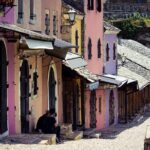
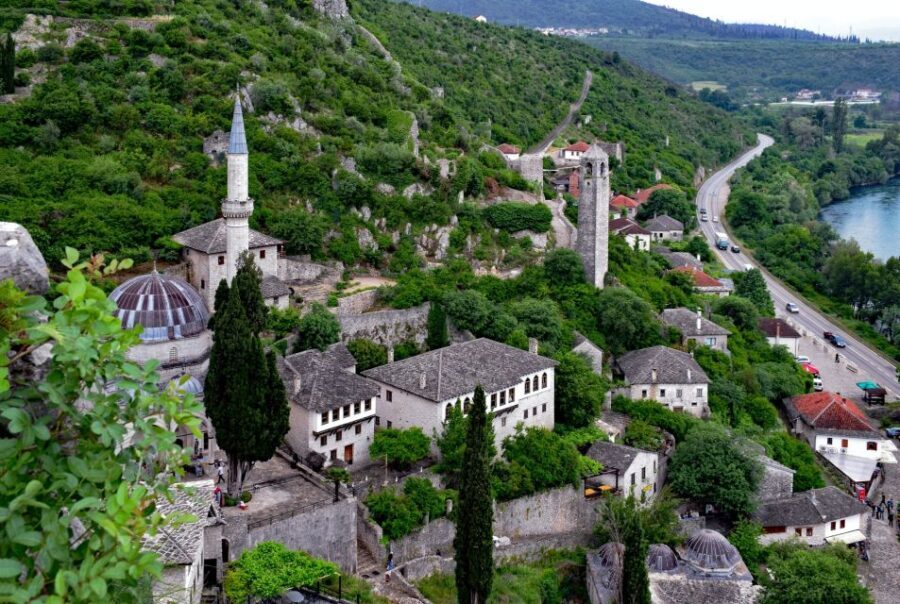
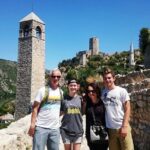
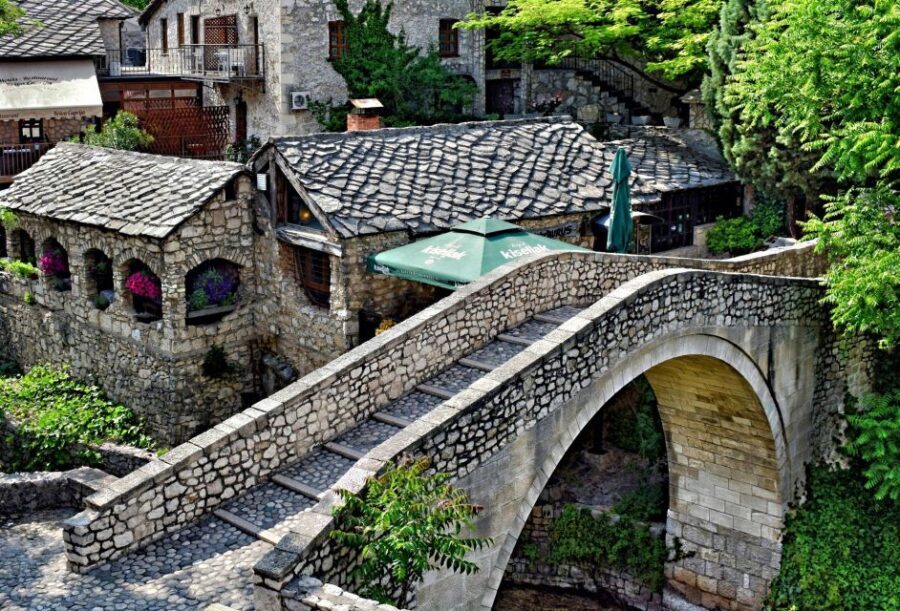
Počitelj is one of those places where the scale is small enough to feel calm, yet historic enough to feel meaningful. You arrive from the coast and reach Počitelj after the border, then you explore on foot through cobbled streets lined with preserved architecture.
What I like here is the town’s visual “storytelling.” Stone watchtowers look down over the settlement, and the Mediterranean-inspired details give you an immediate sense of how this area has absorbed different influences over time. You’re not just walking through a pretty village—you’re seeing why it was built and how it was defended.
Your guide also helps you notice what you might otherwise skip. The stop is brief enough to stay focused, but it gives you time to wander at your own pace, stop for photos, and really look at the stonework.
A consideration: Počitelj’s streets are cobbled and can be uneven. Comfortable shoes are not optional if you want to enjoy this part rather than fight your feet.
Buna River Spring and the Dervish House area near Blagaj
After Počitelj, you head toward the Buna River Spring area. This is where the day shifts from town stone to water and limestone.
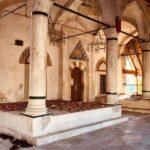
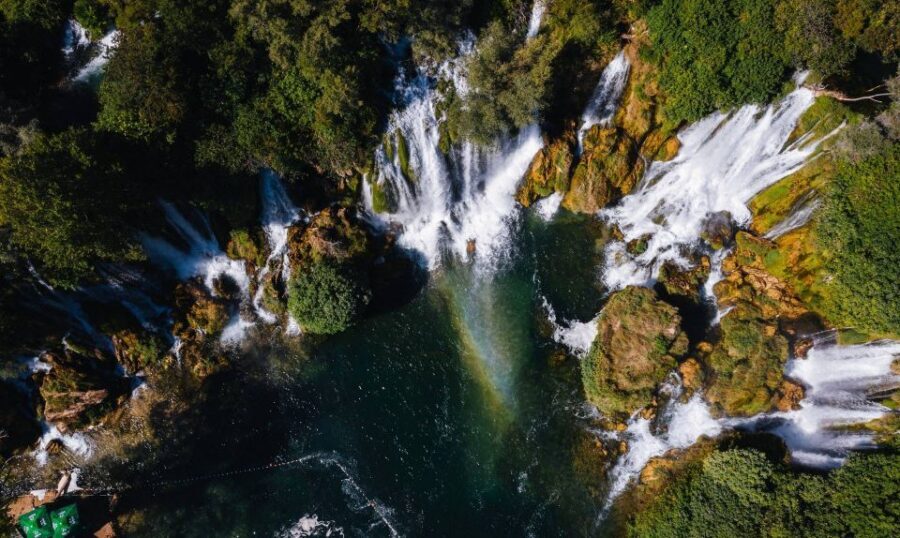
You get time to explore along the river Buna and look at the spring beneath the limestone mountain. If you’re a photo person, this is one of the easiest “wow” moments of the trip because the setting does the heavy lifting—water, rock, and that distinctive Dervish House backdrop.
There’s also a clear, practical detail to plan for: the entrance ticket to Dervish’s House is not included. It’s listed as 5 EUR per adult. If you’re curious about the inside, budget for it. If you’re mainly here for the spring views, you can still enjoy the area without paying to enter.
The spring stop is also a nice change of rhythm. After walking cobbles, you get a more open, atmospheric stretch where you can slow down, pause, and watch how people gather around the water.
One tip: keep your phone camera ready, but don’t camp in one spot. Walk a bit along the river area so you get different angles of the spring and Dervish House view.
Mostar Old Bridge orientation: get the story before you cross
Mostar can feel like a postcard town until you learn what you’re looking at. That’s why the orientation walking tour is such a strong part of this day trip.
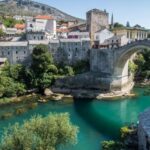
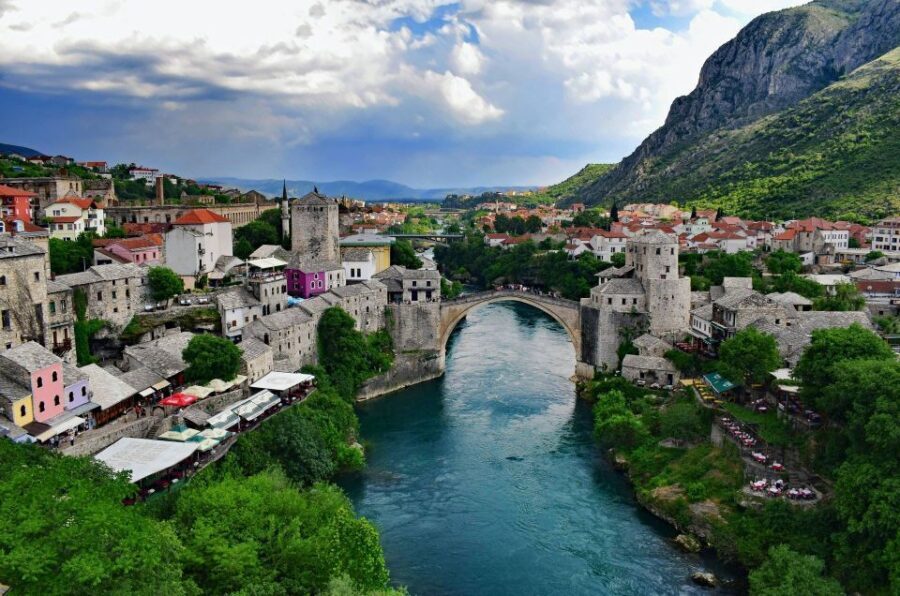
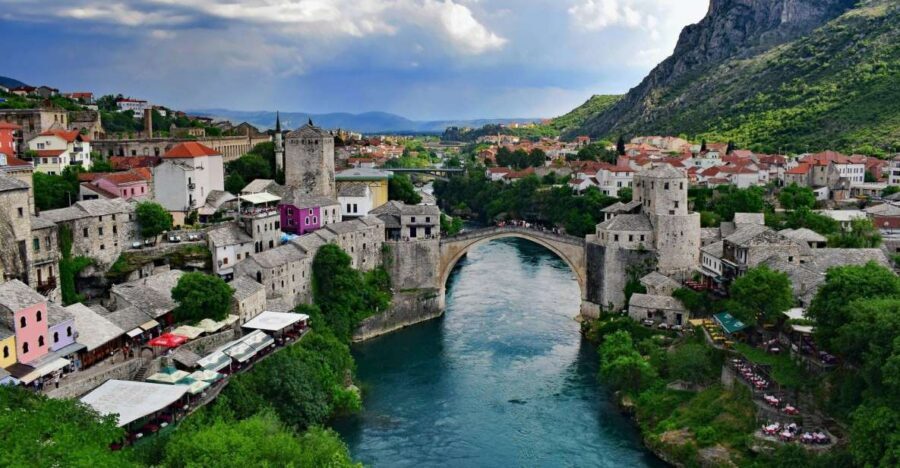
You arrive with time to settle, then you take a guided walk that focuses on the Old Bridge and the meaning behind it. Your guide explains political and historical events connected to the bridge’s construction. That context matters because it changes how you read the bridge—from landmark to symbol.
Crossing the bridge is the obvious highlight, but the guide’s commentary is what turns it into more than a quick stop for photos. The bridge sits between sides of the city, and understanding that it connected Muslims and Christians helps your walking route make more sense.
This is also where I appreciate the difference between a private tour and a group bus day. A guide can answer your questions on the spot and tailor how long you linger around viewpoints.
In the real world, some people also end up with a lunch plan that includes bridge views. One of the guides associated with this type of trip is known for suggesting a restaurant where you can eat with a grand view of the Mostar bridge—handy when your best photos are on the bridge and the waterline.

Free time in Mostar: how to use it without burning your day
Once the guided orientation ends, you’re left with free time in Mostar. That’s smart. It lets you do the fun part—wander, snack, shop, and choose what you want to prioritize.
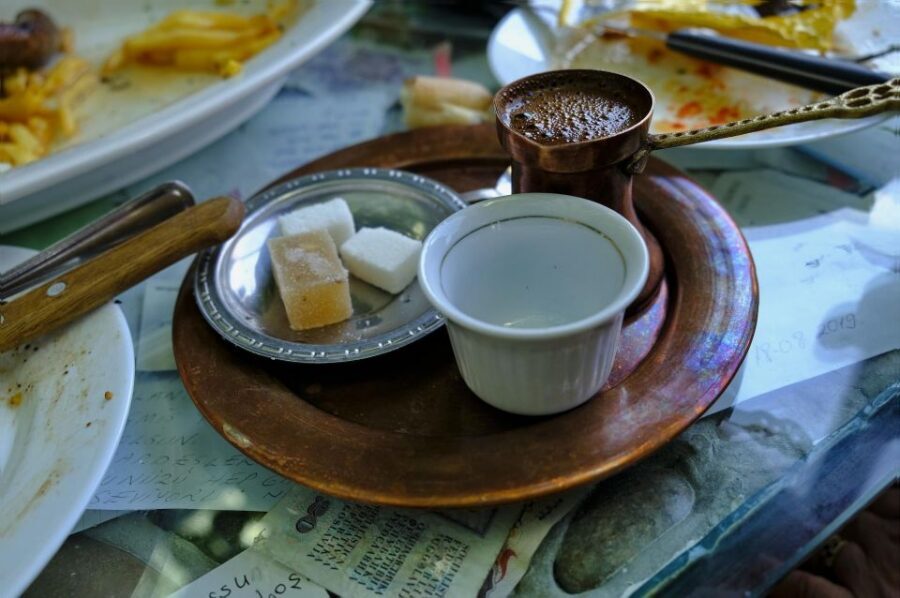
You’ll have options for food. One common choice is Turkish-style black coffee beside the river Neretva. It’s the kind of pause that turns a rushed day into an actual experience, because you’re sitting with the river sounds and the movement of the city around you.
If you’d rather eat lunch, you can pick a Bosnian and Herzegovinian meal at your own expense. The tour example given includes dishes like minced meat in pita bread with cream and onion. That’s not something you need to order exactly, but it helps you aim at what to look for on menus.
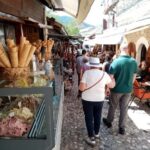
Then there’s walking and browsing. Mostar’s bazaar area is a classic place to browse for small items and enjoy the street energy. One of the guides associated with this experience has even had people browsing during a brief downpour, which turned into a fun, off-schedule moment. In other words: don’t stress if weather shifts while you’re out. Mostar is built for wandering.
Timing tip: don’t schedule anything tight in Dubrovnik later that evening. You already know you’re dealing with border time and possible traffic.
Price and value: what $329 really buys you for 10 hours
At $329 per person for a 10-hour private day trip, the cost is not “cheap,” but it also isn’t pure luxury. You’re paying for three big things:
- Door-to-door pickup and drop-off from your Dubrovnik accommodation.
- A driver-guide who can provide English commentary during the long day.
- Pre-planned stops in Počitelj, at the Buna spring area, and a guided orientation in Mostar.
If you tried to do this on your own, you’d still need transportation, border navigation, and local interpretation to really understand what you’re seeing. The guide is what makes Počitelj and Mostar feel connected, not like random stops.
That said, there are costs outside the package. Dervish’s House entrance is 5 EUR per adult, and food and drink are not included. Mostar also uses Croatian currency (Kuna) at most businesses, so it helps to have some on hand for snacks and souvenirs.
So the question isn’t only whether the price is high. It’s whether you’ll use what you’re paying for: guided context, efficient routing, and a comfortable long day. If you want a guided, coast-to-Herzegovina-to-Mostar route with minimal stress, this pricing makes sense.
If you prefer to travel totally DIY and you’re comfortable managing border logistics and finding your own local guide, you might find cheaper alternatives—but they come with more effort and less storytelling.
Logistics that can make or break the day
This trip is well set up, but a few practical points can improve your experience a lot.
First: bring your passport and keep it with you. You’ll need it for the tour and for border processing.
Second: wear comfortable shoes. Počitelj’s cobbles and Old Bridge walking both benefit from grip and cushioning.
Third: expect seasonal timing shifts. In summer, the return can be slightly late due to border and traffic conditions. If you’re the type who needs exact timing, build in buffer.
Fourth: you should know that the tour isn’t suitable for everyone. It’s listed as not suitable for pregnant women and for people with mobility impairments. The day involves driving plus walking on cobbled and uneven surfaces.
One small currency practical: Most businesses in Mostar accept Croatian currency (Kuna). That matters if you plan to grab coffee, pay for lunch, or buy small items during your free time.
Who this tour fits best (and who should skip it)
I think this Dubrovnik-to-Mostar day trip is a strong match if you want:
- an efficient day that still includes real walking and meaningful stops
- a guide who can explain what you’re seeing, especially around the Old Bridge
- time in Mostar to handle your own food and browsing
- a comfortable, private format instead of a crowded day bus
It’s also a good fit if you’re comfortable with a long day. The full 10 hours includes driving time, borders, and walking. You should go in expecting a full schedule.
You might want to skip it if you need easier mobility support, if you’re sensitive to long travel days, or if you’d rather spend more days slowly exploring Bosnia at your own pace.
Should you book this private day trip to Mostar from Dubrovnik?
If your goal is to see Mostar without the stress of piecing together transport and context, I’d book it. The best reason is simple: you get structured guidance where it counts—Počitelj and Mostar—then you still get freedom to enjoy Mostar on your own terms.
This is also a good choice if you like your “wow moments” backed by explanation. The Old Bridge crossing feels more powerful when you understand the story behind it, and the Buna spring stop is the kind of place you’ll remember even if you never go inside the Dervish House.
I’d only hesitate if you know you’re not a fan of long days, cobblestones, or border-and-traffic delays. Otherwise, this is a practical, high-value way to experience Bosnia and Herzegovina for a day while starting from Dubrovnik with everything handled.
FAQ
How long is the Dubrovnik to Mostar private day trip?
The tour duration is 10 hours. Starting times depend on availability.
What does the tour include?
It includes hotel pickup and drop-off, a driver-guide, a tour of Mostar, a stop in Počitelj, and a stop at the Buna River spring.
Is the Dervish’s House entrance included?
No. The entrance ticket to Dervish’s House is 5 EUR per adult and is not included.
What should I bring?
Bring your passport and wear comfortable shoes.
What currency is used for purchases in Mostar?
Most businesses in Mostar accept Croatian currency (Kuna).
Is this tour suitable for mobility impairments or pregnancy?
No. The tour is listed as not suitable for pregnant women and for people with mobility impairments.