REVIEW · DUBROVNIK
From Dubrovnik: Sarajevo and Mostar Private Full-Day Tour
Book on GetYourGuide →Operated by Dubrovnik Tours - Horizon · Bookable on GetYourGuide
Bosnia tells its story in one packed day. You start with Ottoman-European contrast in Mostar, then move into Sarajevo’s living memory of siege and resilience.
Two things I especially like: the Tunnel of Hope visit, and the chance to get out of the car in smaller places like Počitelj instead of racing from one landmark to the next. The main drawback to plan for is the sheer length of the day—early pickup, a lot of road time, and you’ll need to manage meals on your own.
In This Review
- Key highlights that make this tour worth your time
- A long day from Dubrovnik, with private pickup that actually helps
- Počitelj: the 15th-century fortress town with shifting control
- Mostar’s UNESCO core: bazaars, bells, and mosque views
- Jablanicka and baklava breaks that turn history into taste
- Sarajevo Tunnel of Hope: where a city’s survival story becomes real
- Trebević viewpoint time: old bunkers plus a panorama you’ll feel
- Sarajevo on foot: Olympics sites, a WWI trigger bridge, and real free time
- How the lunch and breaks fit in (and how to manage energy)
- Price and value: what $865 buys you in a private van day
- Practical tips for comfort, shoes, and good pacing
- Should you book this Sarajevo and Mostar private day?
- FAQ
- How long is the Dubrovnik to Sarajevo and Mostar private tour?
- Where is pickup available in Dubrovnik?
- Is this tour private?
- What language is the live guide?
- What’s included for Sarajevo’s Tunnel of Hope?
- Are meals included?
- What should I bring?
- Can I get a full refund if I cancel?
Key highlights that make this tour worth your time
- UNESCO-listed Mostar on foot, with old bazaar browsing and mosque views
- Tunnel of Hope plus Sarajevo’s dramatic WWII/WWI-era storylines and key sites
- Počitelj’s fortress story: a 15th-century cultural center and military outpost with shifting control
- Trebević viewpoint time for a big panorama and old bunker remnants
- Food stops with real local names: jablanicka and cevapi, plus Turkish coffee moments
- Private, English-speaking guidance that keeps the day understandable and flexible
A long day from Dubrovnik, with private pickup that actually helps
This is a true “full-day” push: the schedule runs about 15 hours, with hotel pickup early and multiple drives that eat up time. The good news is that you’re not doing any complicated transit planning. You get pickup and drop-off at Dubrovnik locations, using a private van, so you’ll spend your energy on the places—not on buses and transfers.
Because it’s private, the day can feel less rushed. You’re not stuck with a giant group moving at someone else’s pace. And the live English-speaking driver-guide (with real-world conversation rather than a one-way lecture style) matters when you’re dealing with heavy topics like Sarajevo’s war history. One review mentioned a guide named Besam, showing up promptly at 6 am and keeping the whole experience relaxed and informative.
Do note: meals aren’t included, so you’ll be relying on scheduled breaks and your own choices for lunch and anything beyond coffee and dessert.
You can also read our reviews of more private tours in Dubrovnik
Počitelj: the 15th-century fortress town with shifting control
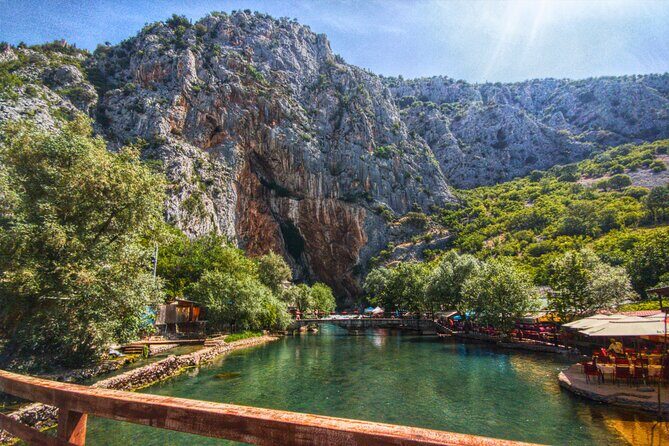
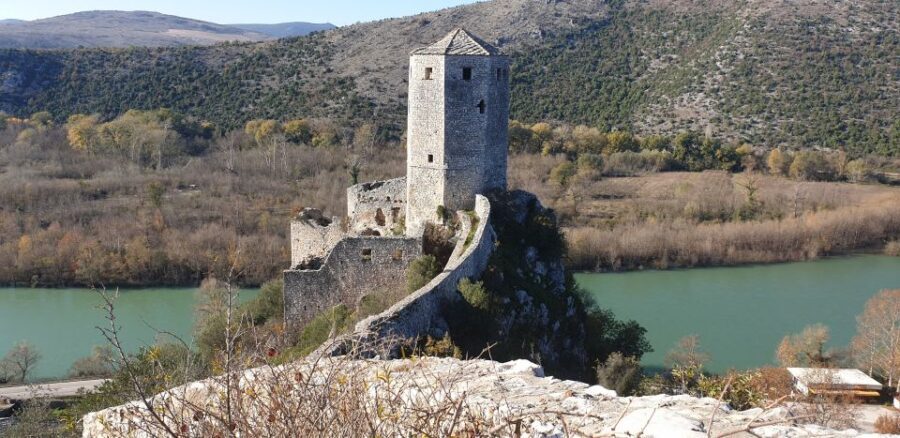
The first stop is Počitelj, a tiny town that packs a big sense of place. It’s built on the story of its position—high enough to matter, close enough to be fought over. You’ll spend time around Počitelj’s cultural center and its strategic military outpost, an area that reportedly changed hands three times between competing empires. That detail is the kind that helps you understand why the architecture and the layout feel the way they do.
What you’ll likely enjoy most here isn’t just the photos (though the setting supports them). It’s the way Počitelj gives you a “before Sarajevo and Mostar” baseline: the Ottoman-era imprint, the defensive logic of the town, and the sense that borderlands were never static.
The visit also has a practical rhythm: a mix of guided time and walk-around time, plus a photo pause. With a long day ahead, Počitelj is a smart first chapter—it wakes you up, but it doesn’t trap you in a museum-only stop.
Mostar’s UNESCO core: bazaars, bells, and mosque views
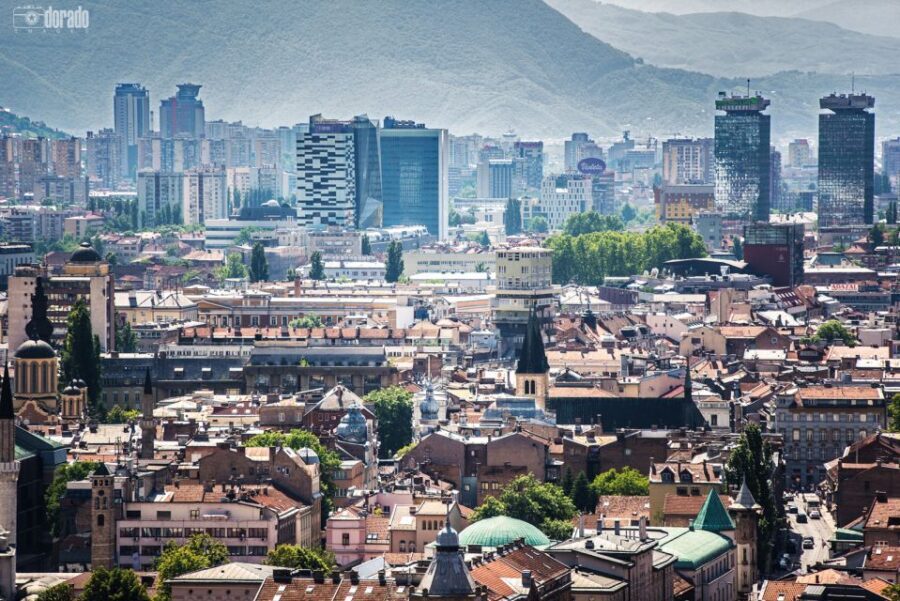
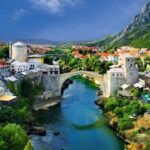
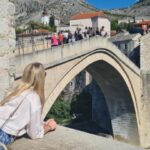
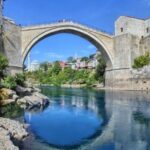
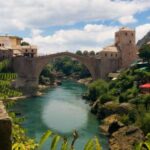
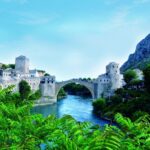
Mostar is the headline, and you’ll experience it in the way that matters: on foot. The UNESCO designation is about the historic core around the river and the old bridge area, and your walk time is built for seeing how the city blends influences.
Here’s what makes Mostar feel unusual: you often hear the adhan (Islamic call to prayer) and church bells around the same time. It’s not just atmosphere—it’s a snapshot of how different communities share the same streets.
Your Mostar time typically includes:
- a stroll through the medieval cobbled streets
- shopping in the old bazaar
- visiting a beautiful mosque and getting a chance to climb the minaret (if you want to tackle the steps)
In one account, Besam encouraged the minaret climb and reassured the traveler that support would be there—exactly the kind of practical reassurance that turns fear into a good memory. If you’re comfortable with heights, it’s worth it for the view angles you don’t get from street level.
Down time is balanced too. Mostar isn’t treated like a checklist. You’ll have time to browse, pause, and then shift gears toward Sarajevo.
Jablanicka and baklava breaks that turn history into taste
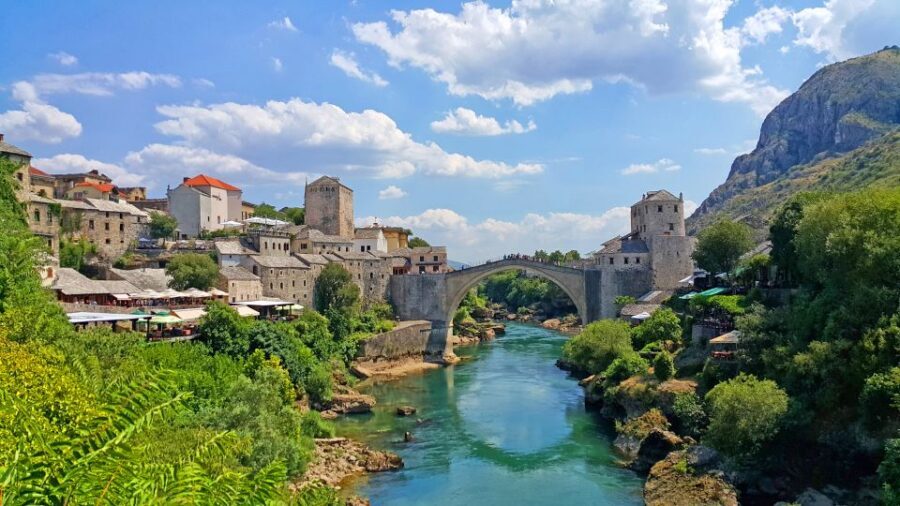
One reason this tour works (even on a day packed with sites) is that it builds food into the flow instead of treating meals as an afterthought.
In Mostar-area downtime, you’re set up for classic sweets and coffee: baklava with Turkish coffee before you continue toward Sarajevo. That matters because coffee stops are often when you slow down, reset your brain, and soak in details you might otherwise miss.
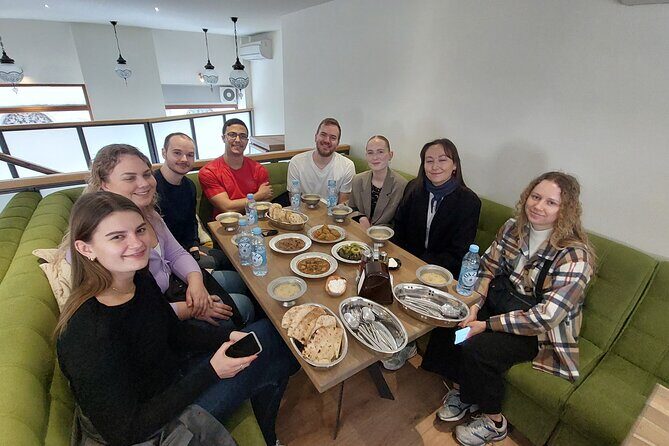
Then there’s jablanicka—named in the plan for a reason. It’s roasted lamb, slow cooked on a spit over a fire. You don’t need culinary training to understand why that’s a good use of time: it’s local food you can’t recreate easily at home, and it gives the day a texture that museum stops can’t.
If you’re a “food first” traveler, you’ll likely find the pacing satisfying. If you’re someone who skips snacks, just remember you still need energy—especially with all the walking and stair-climbing that shows up later.
Sarajevo Tunnel of Hope: where a city’s survival story becomes real
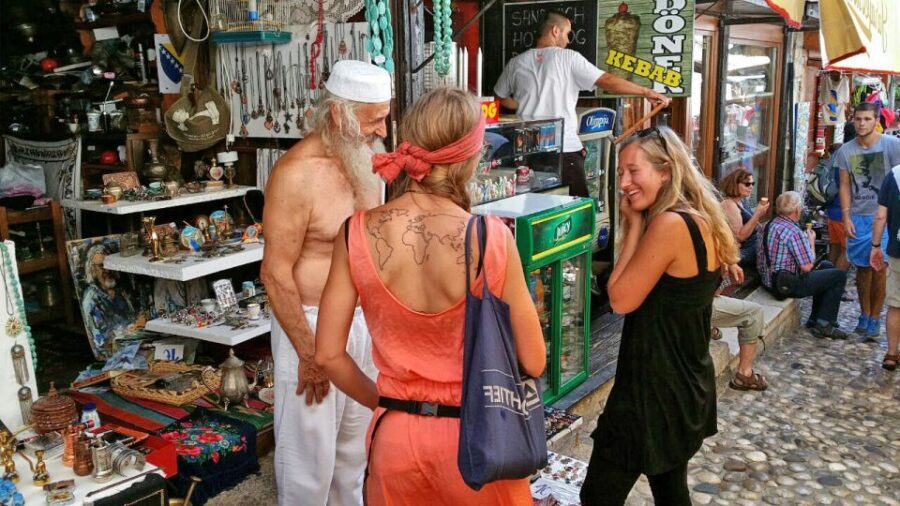
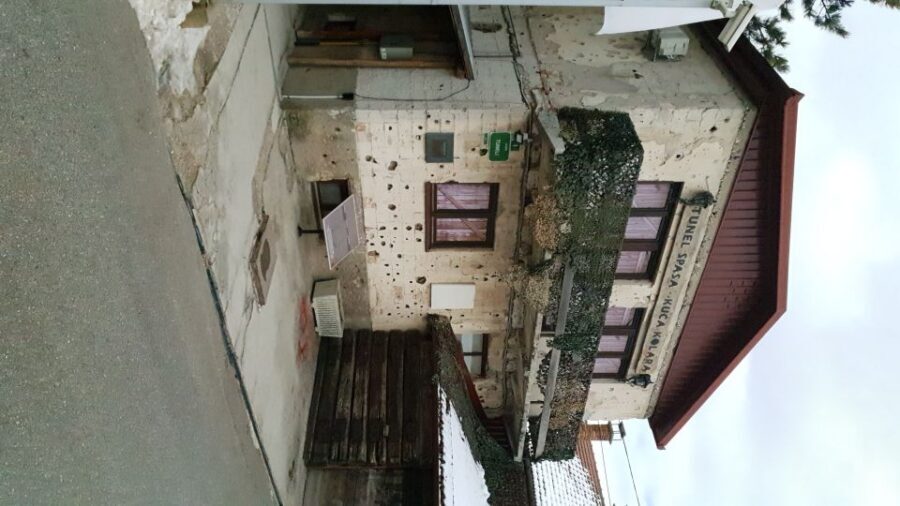
After the drive, the day shifts into Sarajevo’s most emotional chapter: the Tunnel of Hope. You’ll walk through it with guided context and have a short break/photo moment built into the visit. The entrance fee is included, which is one less thing to manage when the day is already moving fast.
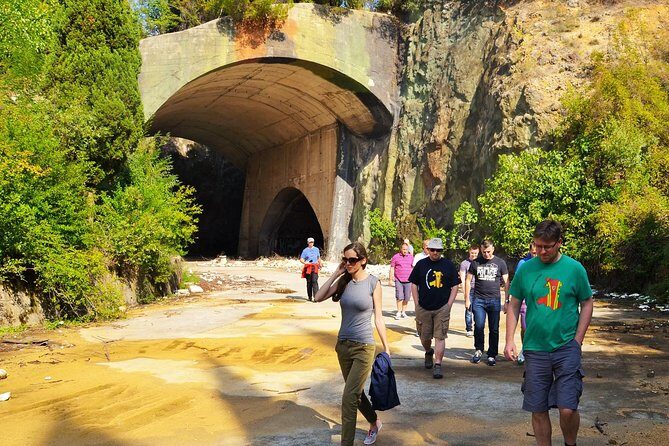
Why this part matters: tunnels are quiet spaces, but they’re loaded. Instead of abstract history, the physical effort of the site helps you understand what it meant for civilians to endure and keep moving under siege conditions. This is the kind of stop that sticks, not because it’s dramatic on the surface, but because it makes the story tangible.
And the pacing around the Tunnel helps. You’re not just dropped off and rushed out. The plan gives time for guided explanation, then a chance to absorb your surroundings at a slower speed.
A few more Dubrovnik tours and experiences worth a look
Trebević viewpoint time: old bunkers plus a panorama you’ll feel
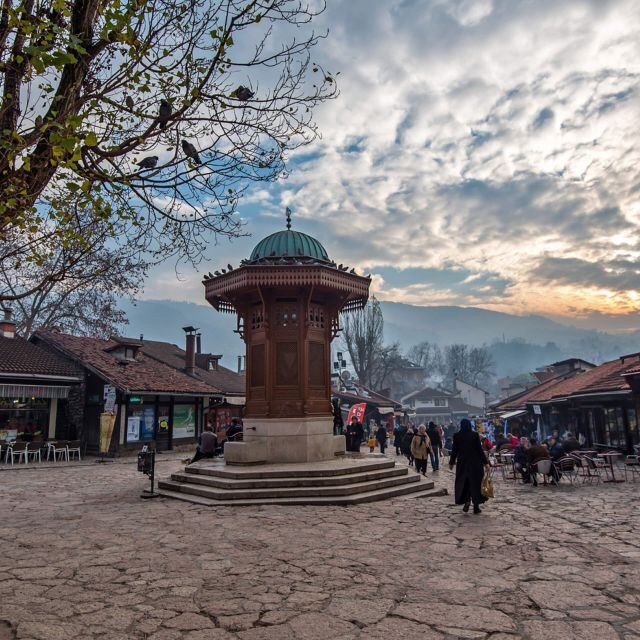
Next up is Trebević, with a stop at Trebević Vidikovac, a viewpoint area known for sweeping views of Sarajevo. You’ll get a photo stop and scenic time en route, then break time at the overlook.
The schedule also suggests a walk around old bunkers on/near the mountain slopes. Even without deep military knowledge, bunkers help you connect the city’s geography with the war story. Sarajevo isn’t flat; it’s shaped. So your mental map changes once you can see the city from above.
If you care about photography, this is a big win. You’ll want comfortable shoes, because viewpoints often mean uneven ground and short stretches that add up after hours of driving.
Sarajevo on foot: Olympics sites, a WWI trigger bridge, and real free time
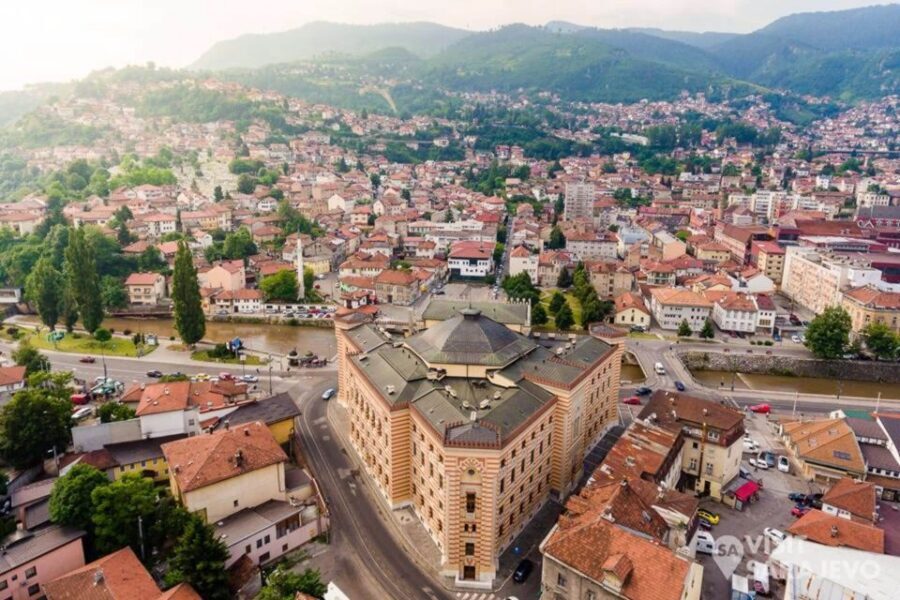
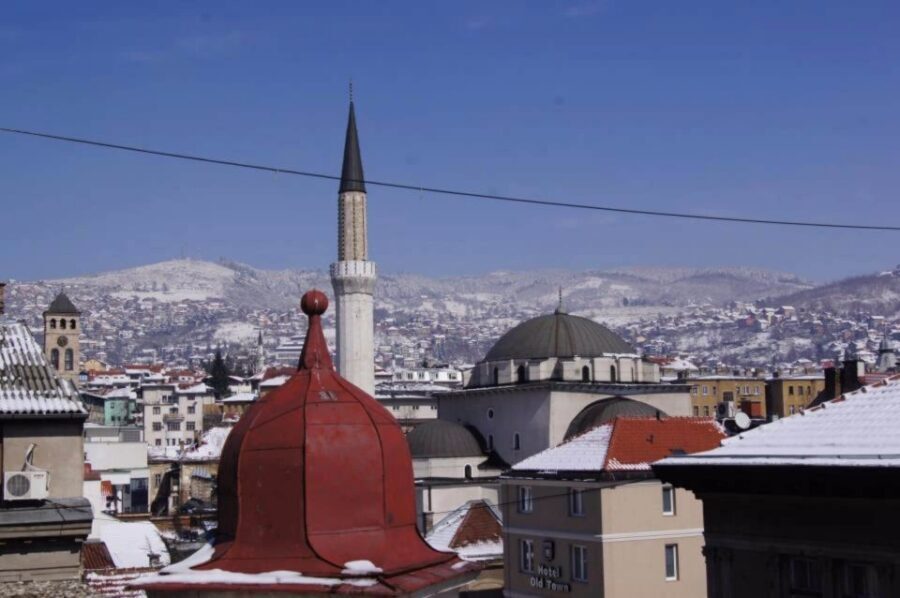
Your Sarajevo portion includes a 4-hour guided tour, plus extra time for exploring on your own. That combo is a smart way to structure a heavy day: first you get your bearings and context, then you decide what you want to see next.
In Sarajevo, you can expect highlights like:
- Tunnel of Hope (handled earlier, but it shapes the rest of your understanding)
- sites connected to the 1984 Winter Olympics
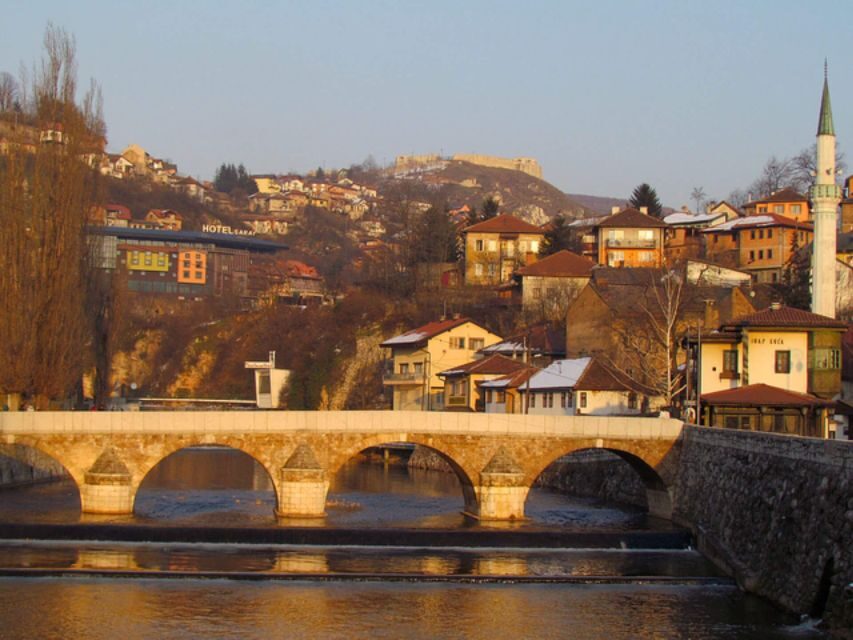
- the bridge area tied to the Archduke’s assassination, the event that helped spark World War I
This is where a good guide earns their fee. When you understand why the locations matter—why an Olympics-era spot sits near wartime scars, why a specific bridge moment changed global history—you stop treating the city like a pile of sights.
After the guided portion, you get free time for shopping, sightseeing, and lunch on your own. Your plan specifically encourages you to try cevapi (minced meat) and Turkish coffee during this window. If you like local comfort food, this is where you can make the day feel like you lived there for a bit, not just visited.
One more useful tip: use the free time to choose one neighborhood vibe to follow. Ten quick stops can be chaos. One chosen route helps you remember more.
How the lunch and breaks fit in (and how to manage energy)
This tour’s rhythm is built around breaks: short pauses for photos and walking, and longer guided blocks where you’ll naturally feel the schedule. Since meals aren’t included, treat your day like this:
- you’ll have guidance and time windows
- you’ll need to pay for food yourself
- you should plan hydration and snacks if you’re sensitive to long driving days
Because the day involves walking through old streets, climbing stairs for minaret access, and taking a viewpoint walk, energy matters. If you arrive hungry, your best food moments can feel like chores.
I also like the fact that coffee and dessert appear at key points (baklava and Turkish coffee). It’s not just indulgence. It’s a practical reset that keeps you from hitting the wall.
Price and value: what $865 buys you in a private van day
At $865 per group (for up to one person in your group, per the way this is priced), this is not a cheap outing. But it is also not “just a transfer.” You’re buying a full package:
- private van time for the Dubrovnik–Mostar–Sarajevo routing
- a live English-speaking guide with commentary
- hotel pickup and drop-off
- entry fee coverage for the Tunnel of Hope
- insurance
So the real value question is: will you get enough out of the guided context and private pacing to justify the cost? If you’re traveling solo or as a small group, this can make sense because it replaces the hassle and time of coordinating separate transport and guides for multiple destinations in one day.
If you’re traveling with someone and can split the price, it becomes easier to justify. If you’re price-sensitive and prefer self-guided travel, you might feel the cost more strongly—because the day is designed around guided interpretation, not “wander and figure it out.”
Practical tips for comfort, shoes, and good pacing
A few details make a big difference on this itinerary:
- Wear comfortable shoes. You’ll walk cobbled streets in Mostar and likely handle stairs around mosques and viewpoints.
- Bring your passport or ID card. You’ll want it handy.
- Plan for early mornings. Pickup options in Dubrovnik include Mali Zaton, Mlini, Pile, and Slano, so your departure time may vary—but the “early” part won’t.
- For the Mostar minaret option, decide ahead of time whether you’re comfortable with height and steps. If you’re unsure, ask your guide how they handle it.
- Budget for meals. The tour says meals aren’t included, so set money aside for lunch and any extra dinner/snacks you want.
Photos: the plan has multiple photo stops, especially on the road and at Trebević. For phone cameras, use that time to clean your lens and take a few wide shots before you move back into busy street areas.
Should you book this Sarajevo and Mostar private day?
If you want a private, guided day that connects UNESCO Mostar with Sarajevo’s most significant war-memory site, this tour is a strong choice. It’s also a great fit if you enjoy food that comes with names—jablanicka, cevapi, plus Turkish coffee—rather than generic sightseeing snacks.
You might skip it if you’re easily overwhelmed by long travel days, or if you’re only looking for a couple “icon” photos and would rather travel independently. The value lives in the guidance, the context, and the pacing—plus the fact that you don’t have to manage logistics across three major stops.
If you do book, go with a simple mindset: let the day teach you the geography and the stories, then let the free time in Sarajevo give you one personal thread to follow. That’s where the day stops feeling like an itinerary and starts feeling like a real visit.
FAQ
How long is the Dubrovnik to Sarajevo and Mostar private tour?
The duration is listed as 15 hours.
Where is pickup available in Dubrovnik?
Pickup is offered at Mali Zaton, Mlini, Pile, and Slano.
Is this tour private?
Yes, it’s described as a private group tour.
What language is the live guide?
The live driver-guide provides English commentary and guidance.
What’s included for Sarajevo’s Tunnel of Hope?
The tour includes entrance fee for the Tunnel of Hope.
Are meals included?
No. Meals are not included, though you’ll have breaks and time for lunch during the day.
What should I bring?
You should bring a passport or ID card and comfortable shoes.
Can I get a full refund if I cancel?
Yes. The activity lists free cancellation up to 24 hours in advance for a full refund.