REVIEW · MAKARSKA
From Makarska Riviera: Day Trip to Mostar
Book on GetYourGuide →Operated by Gulliver Travel d.o.o. · Bookable on GetYourGuide
Mostar is the kind of city that changes your map in one day. This trip mixes Stari Most over the Neretva River with time in the bazaar and Ottoman-era sites, all guided in clear English or German, which helps the big history feel human instead of textbook. The main drawback to plan around is the pace: it’s a long day, and bus comfort (especially in hot weather) can vary.
Two things I especially like about this experience are the focus on multi-faith Mostar (you’re not just sightseeing) and the inclusion of entrance stops like the Turkish House and a mosque. You also get professional transport from the Makarska Riviera side, so you can spend your energy on the streets instead of on border logistics. Just go in ready for heat, walking on uneven old-street surfaces, and a day without lunch provided.
In This Review
- Key Things You’ll Notice On This Mostar Day Trip
- Why Mostar Works as a 9-Hour Day Trip From the Makarska Riviera
- Stari Most and the Neretva River: What the Famous Bridge Experience Really Means
- Mostar’s Bazaar and Mosque Stop: The Multi-Faith Part You’ll Actually Feel
- The Turkish House (Kajtaz): A 16th-Century Time Capsule With Artifacts
- How the Tour Guides Explain Mostar (Including the Names People Mentioned)
- Logistics That Matter: Passport, Bags, Pickup Timing, and Lunch
- Price and Value: Is $100 Fair for a 9-Hour Mostar Day Trip?
- Weather and Bus Comfort: Plan Like You’re Going Over a Long Day
- Who This Tour Suits Best—and Who Might Prefer a Different Plan
- Should You Book This Mostar Day Trip?
- FAQ
- What’s the duration of the Mostar day trip?
- How much does the tour cost, and what’s included?
- What languages is the live guide available in?
- Do I need a passport for this trip?
- Are there restrictions on luggage?
- Where does pickup happen?
Key Things You’ll Notice On This Mostar Day Trip
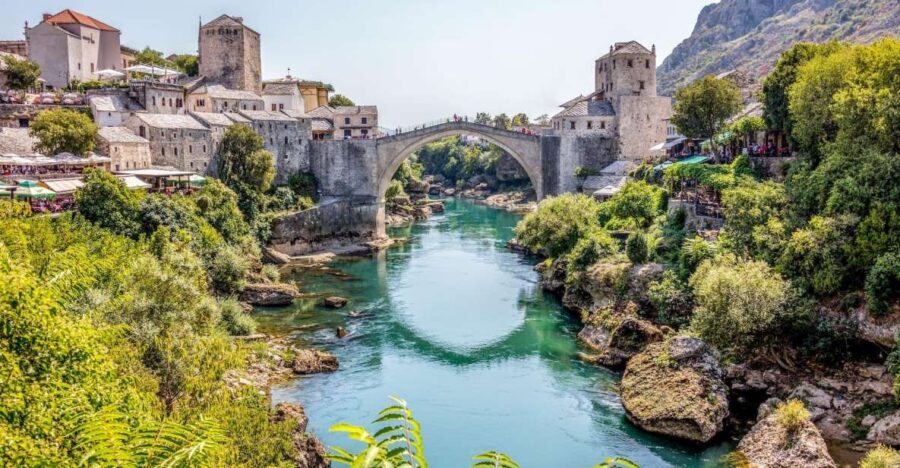
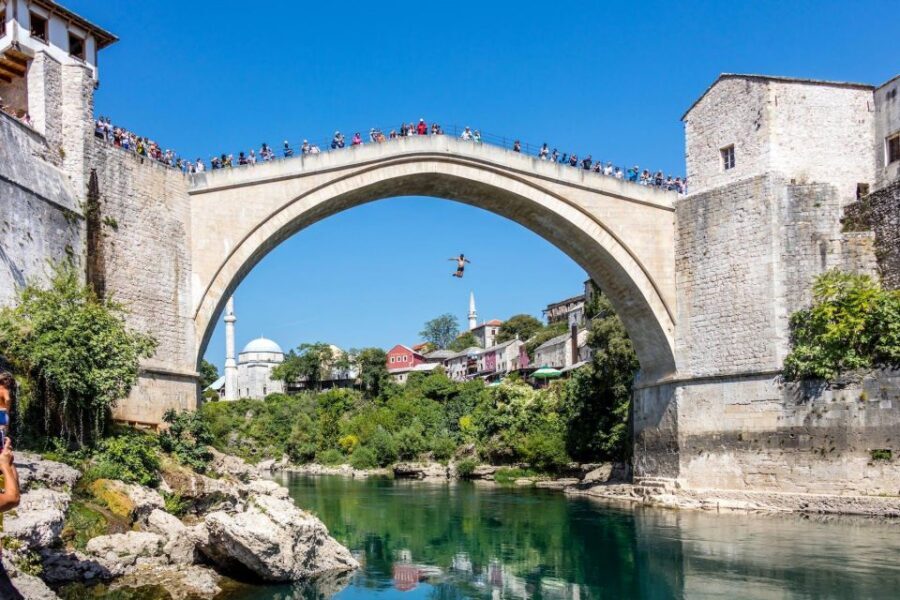
- Stari Most over the Neretva: emerald-green river views that make the Ottoman-era story feel real.
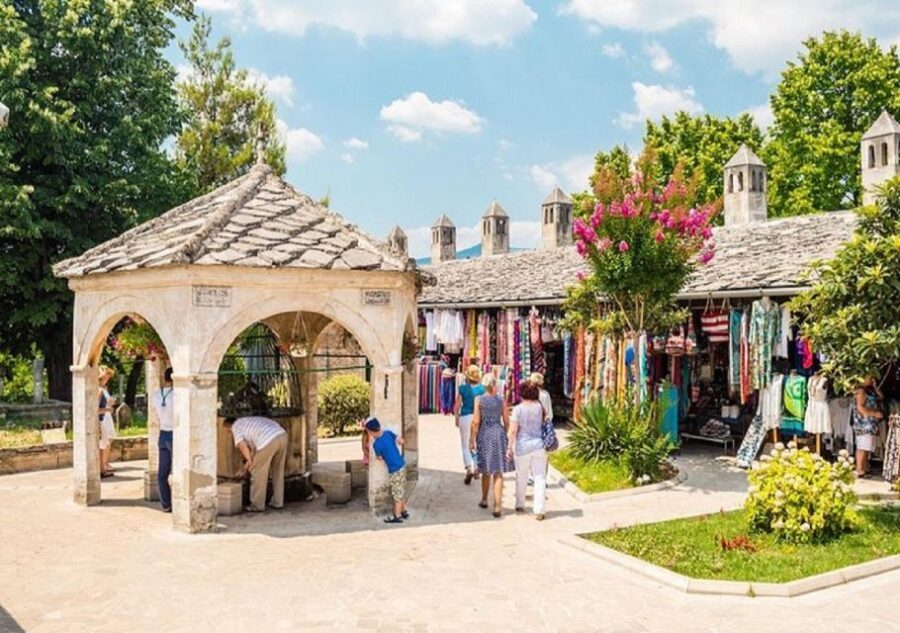
- Bazaar lanes + a mosque visit: you’ll see how daily life and faith shaped the city side-by-side.
- Kajtaz Turkish House (Kajtaz): a 16th-century building with historical artifacts included.
- Guides that explain clearly: people highlighted guides like Vinzenso and friendly old-town assistance.
- A long day from the coast: great for a change of scenery, but you’ll want to manage sun and bus time.
Why Mostar Works as a 9-Hour Day Trip From the Makarska Riviera
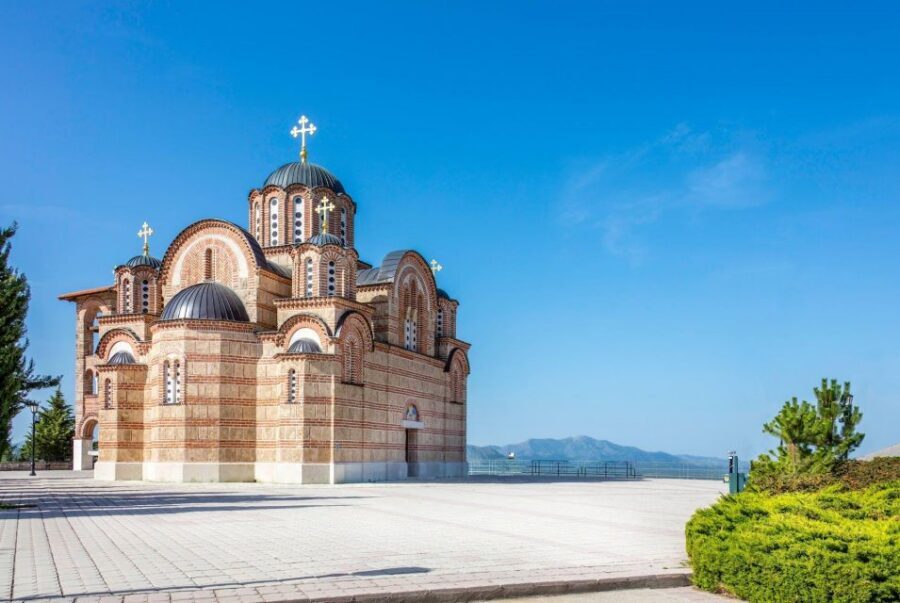
Mostar is one of those places where one bridge basically becomes a whole personality. In a short visit, it’s easy to miss that the real story isn’t only Ottoman architecture or only war history—it’s how different communities shaped the same streets over centuries.
This day trip is built for exactly that kind of payoff. You’re looking at a full city feel—old neighborhoods, the bazaar area, a mosque stop, plus the Turkish House—without needing to book an overnight stay. At 9 hours, it’s long enough to make Mostar more than a quick photo stop, but not so long that you lose the whole day to transit.
The value is strongest if you’re the type of traveler who likes guided context. A good day trip guide can turn a few landmarks into a pattern you understand: where the East met the West, and how that shows up in streets, buildings, and everyday rhythms.
Stari Most and the Neretva River: What the Famous Bridge Experience Really Means
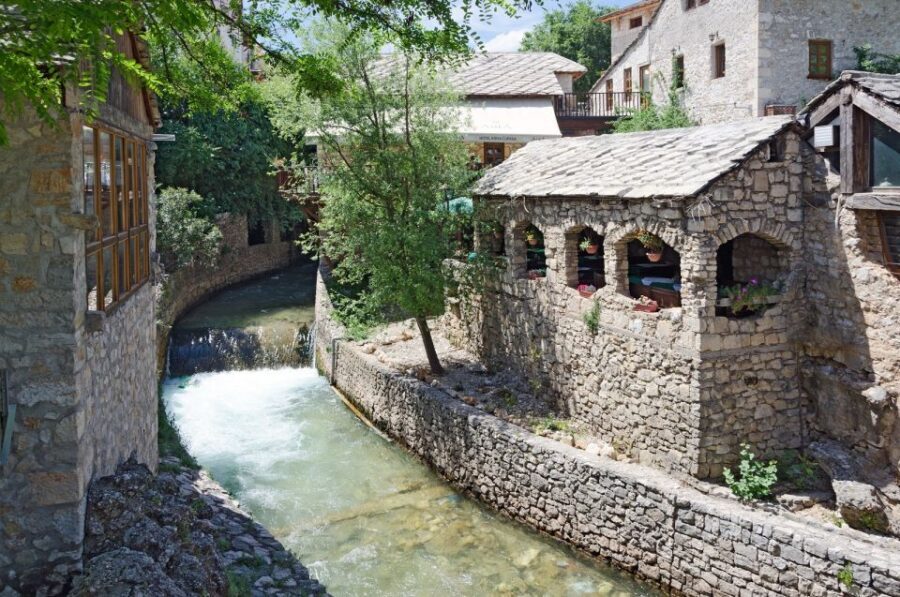
Stari Most (Old Bridge) is the headline for a reason. You’ll see it spanning the Neretva River, with those famously striking green waters below, and you’ll learn why the bridge mattered during the Ottoman Empire era. It’s one thing to recognize it from pictures; it’s another thing to stand where people historically crossed paths and cargo.
What I like about including the bridge as an early anchor is that it sets your brain to read the rest of the city. After you take in the view, the Ottoman-era details around town don’t feel random. They start to connect: trade routes, community life, and the kind of architecture that was meant to last.
Practical tip: wear shoes you trust on older stones and sloped streets. You’ll be walking, and the best bridge viewpoints often require a bit of stepping around rather than staying on flat ground. Also, bring water and something light for sun protection, because a long day plus coastal-to-inland weather can surprise you.
Mostar’s Bazaar and Mosque Stop: The Multi-Faith Part You’ll Actually Feel
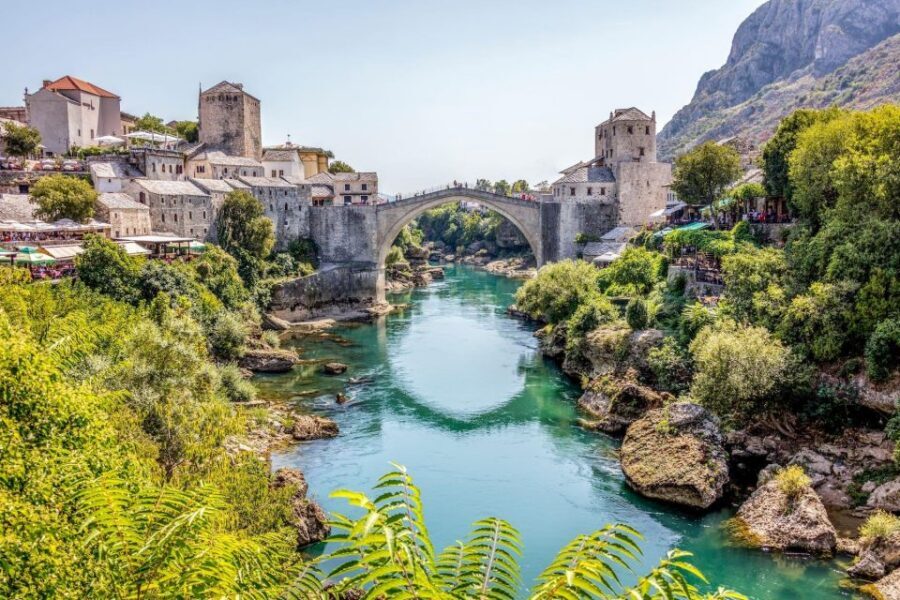
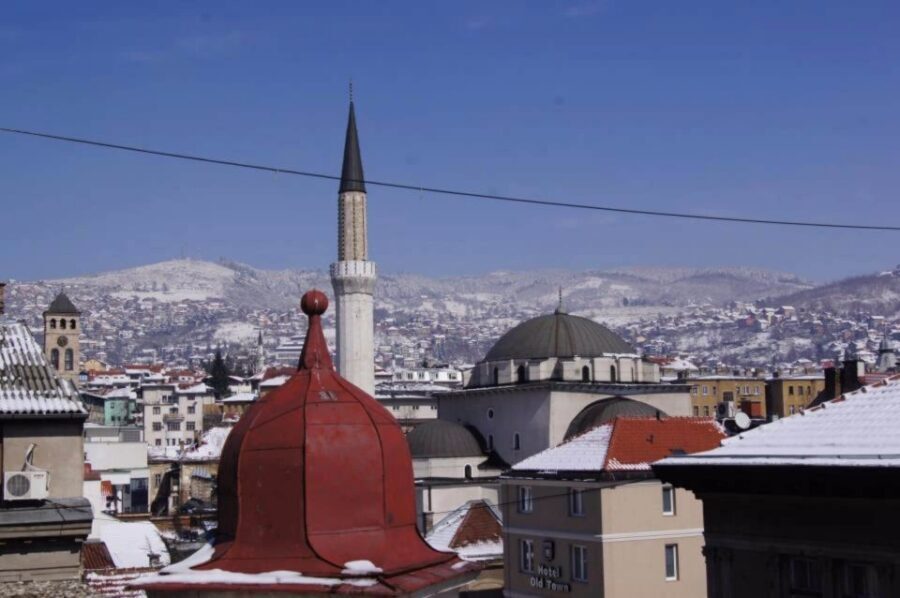
Mostar isn’t just “old things.” It’s a multi-faith city, and the tour is designed to show you how that plays out in everyday spaces. You’ll stroll through winding lanes and the lively bazaar area with a guide, then you’ll visit a mosque as part of the route.
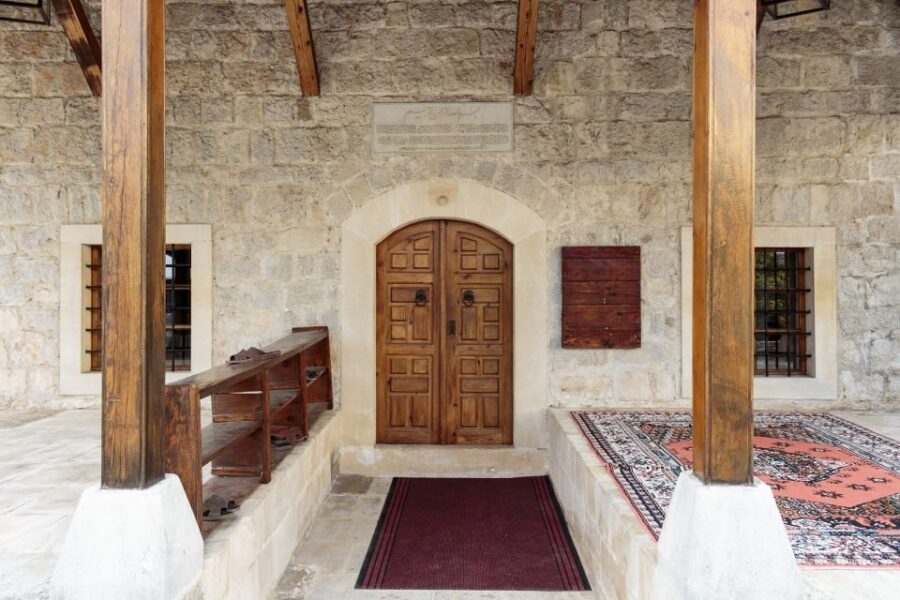
That mosque stop matters because it changes the tone. Instead of only looking at architecture, you get a brief, structured chance to understand how faith communities shaped the urban layout and culture. The bazaar, in turn, is where those influences show up in how people move, shop, and gather.
One small consideration: mosque visits have their own practical rules, and you should be ready to adjust clothing if needed. Even if you’re not expecting anything strict, it’s smart to dress with respect—especially for a day trip where you don’t have time to change outfits.
The Turkish House (Kajtaz): A 16th-Century Time Capsule With Artifacts
The Turkish House, also known as Kajtaz, is the kind of stop that makes a day trip feel earned. Built in the 16th century, it gives you a more intimate view of Ottoman life than an exterior-only photo. Because the tour includes entrance fees here, you’re not left guessing what’s inside or whether it’s worth it.
You’ll also see historical artifacts during the visit. That’s a big deal for value, because it’s the difference between “we walked past a building” and “we learned how people lived.” Mostar’s story becomes clearer when you can connect design and daily objects to the time period being discussed.
If you like architecture or cultural history, this stop gives your brain a place to park between open-air sights. It’s also useful if the weather turns hot or wet, since indoor time can break up the day without wasting your limited hours.
How the Tour Guides Explain Mostar (Including the Names People Mentioned)
A great guided day trip doesn’t overload you with dates. It gives you simple connections: who lived where, why buildings look the way they do, and how different communities influenced the same city.
In the feedback I saw, guides were praised for friendliness and accessible explanations. Specific names came up, including Vinzenso, plus additional friendly old-town help. That matters because Mostar’s history can feel complex fast, and you’ll have an easier time following if your guide speaks in clear, grounded language.
Language options are practical too. The tour runs with a live guide in English and German. That’s one less problem to manage while you’re concentrating on the sights.
If you want the history part but dislike rigid museum-style lectures, this format is a good fit. You’re walking through places that look like the story—then your guide helps you read them.
Logistics That Matter: Passport, Bags, Pickup Timing, and Lunch
This is a cross-border day trip, so the basics matter more than usual.
You must bring a passport or an ID card, and it’s mandatory for the day. Also, don’t plan on bringing luggage or large bags. If you’re staying in the Makarska Riviera area with a normal daypack, you’ll likely be fine, but if you’re packing heavy, adjust early.
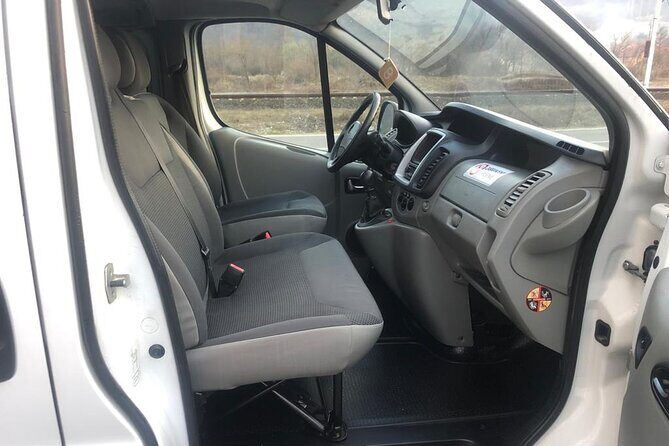
Pickup is included, but you shouldn’t expect one fixed time like a train schedule. The supplier contacts you after booking with the exact pickup location near your accommodation and the pickup time, because the time on your ticket is approximate. If you haven’t heard back at least 48 hours before the excursion, you’ll want to contact the operator.
Lunch is not included. That’s the most important “self-planning” item for comfort. You’ll either need to eat on your own during a free stretch (if provided) or bring a snack to tide you over. For a 9-hour day, I’d treat lunch as non-negotiable—especially if you’re traveling in warmer months.
Price and Value: Is $100 Fair for a 9-Hour Mostar Day Trip?
At about $100 per person, you’re paying for more than a bus ride. The cost includes transportation, a professional guide, and entrance fees for the Turkish House and mosque. Since you’re also crossing into Bosnia and Herzegovina for a full guided city experience, the package pricing makes sense if you like structure and timed access.
Where the money is best spent is in the guided context plus the paid entry stops. Without those inclusions, you’d likely end up paying separately for building access and wasting time figuring out what’s worth it. With the tour, you get a curated route where major sights and meaningful context are connected.
What could affect perceived value is comfort. One account mentioned a bus that stayed hot during city time in very hot weather, and the return ride didn’t cool much. That’s not something you can control, but it helps you decide whether you should pack for heat—water, a hat, and something light to avoid feeling miserable.
Weather and Bus Comfort: Plan Like You’re Going Over a Long Day
Day trips can be tough when the weather turns. One experience mentioned heavy rain and flooded roads, with a driver who stayed professional and you felt safe. That’s the kind of reassurance you want on a long route.
Still, Mostar and the drive inland can mean heat. Another account described very warm conditions (around 37°C) and noted bus cooling that didn’t make a big difference afterward. If you’re sensitive to temperature, treat this trip like a “dress for discomfort, not for fashion” day.
A smart approach:
- Bring water and a small cooling strategy (hat, sunglasses, light layer).
- Wear comfortable shoes you can walk in for hours.
- Keep your daypack compact to match the bag rules.
If you do those, you’ll enjoy the sights more, because you won’t spend your mental energy on minor discomfort.
Who This Tour Suits Best—and Who Might Prefer a Different Plan
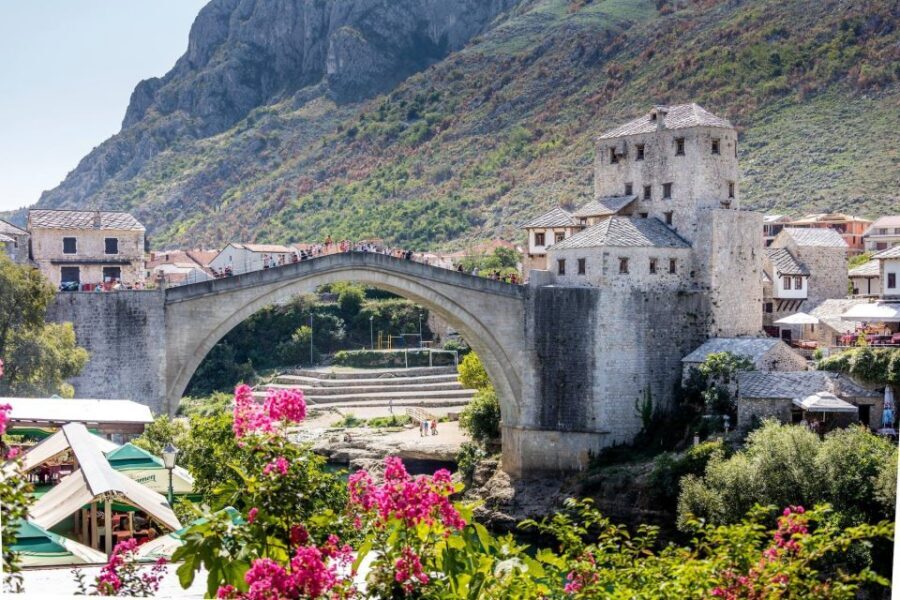
This Mostar day trip is a great fit if you want one memorable inland stop from the coast, and you enjoy history that’s tied to real places. It’s especially good if you like guided interpretation—Mostar’s multi-faith story lands better with a guide walking you through what you’re seeing.
You’ll likely enjoy it most if you’re:
- Interested in Ottoman-era architecture and city history
- Comfortable with a full 9-hour day away from the beach
- Happy to skip lunch planning because the tour doesn’t include it
It may feel less ideal if you hate long bus days or get cranky in heat without strong air conditioning. Also, if you require a lot of personal space or have mobility limits, you may find the walking parts challenging, since old towns tend to be uneven.
Should You Book This Mostar Day Trip?
If you want one day that meaningfully changes your perspective—bridge views, bazaar atmosphere, a mosque stop, and the Turkish House—then this is an easy yes. The price feels fair when you consider what’s included: transport, a live guide, and paid entrance for key stops.
Book it if you’re the type of traveler who likes guided stories and doesn’t want to spend hours planning a cross-border route on your own. Skip it (or consider an overnight) if you need maximum comfort, don’t handle heat well, or you’d rather linger longer in Mostar without a strict day schedule.
FAQ
What’s the duration of the Mostar day trip?
The trip runs for 9 hours.
How much does the tour cost, and what’s included?
It costs about $100 per person. Transportation, a professional guide, and entrance fees for the Turkish House and a mosque are included. Lunch is not included.
What languages is the live guide available in?
The live tour guide is available in English and German.
Do I need a passport for this trip?
Yes. It’s mandatory to bring your passport (or an ID card, per the tour info) on the day of the tour.
Are there restrictions on luggage?
Yes. Luggage or large bags are not allowed.
Where does pickup happen?
Pickup is included. After you reserve, the supplier contacts you to share the exact pickup location near your accommodation and the pickup time (the time on your ticket is approximate). If you haven’t heard from them within 48 hours, you should contact the operator.